

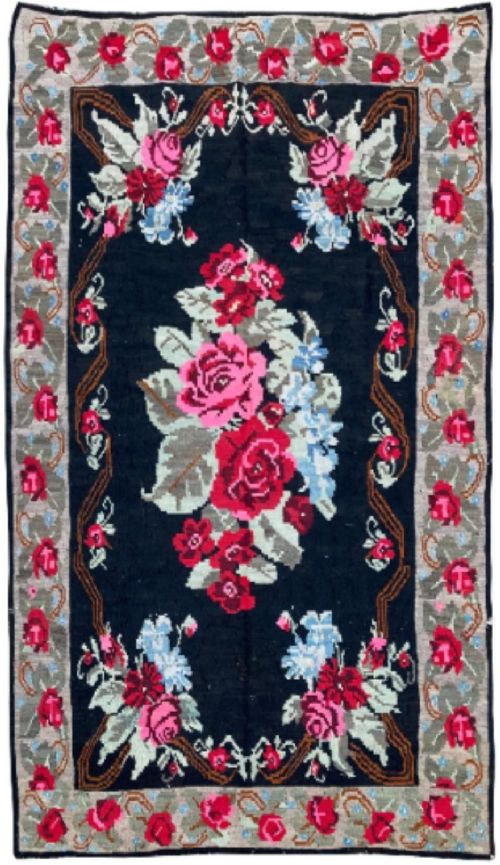
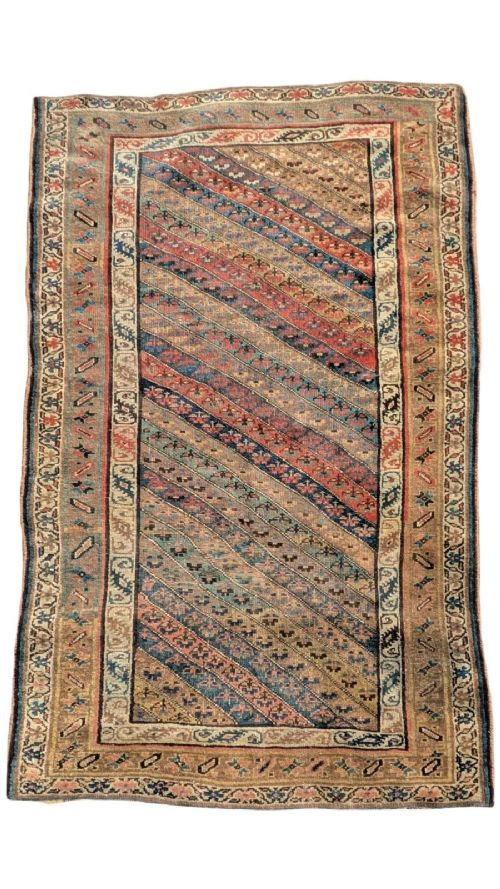
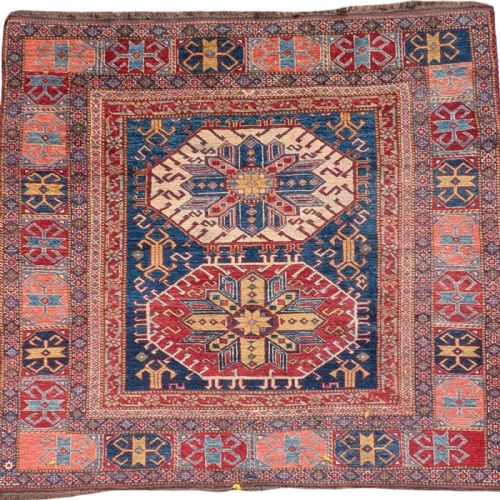
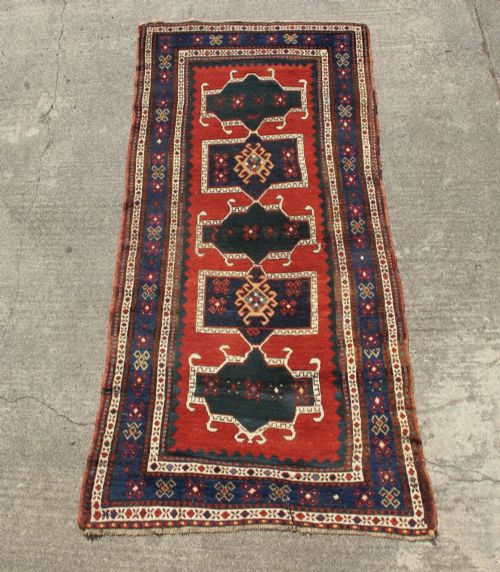
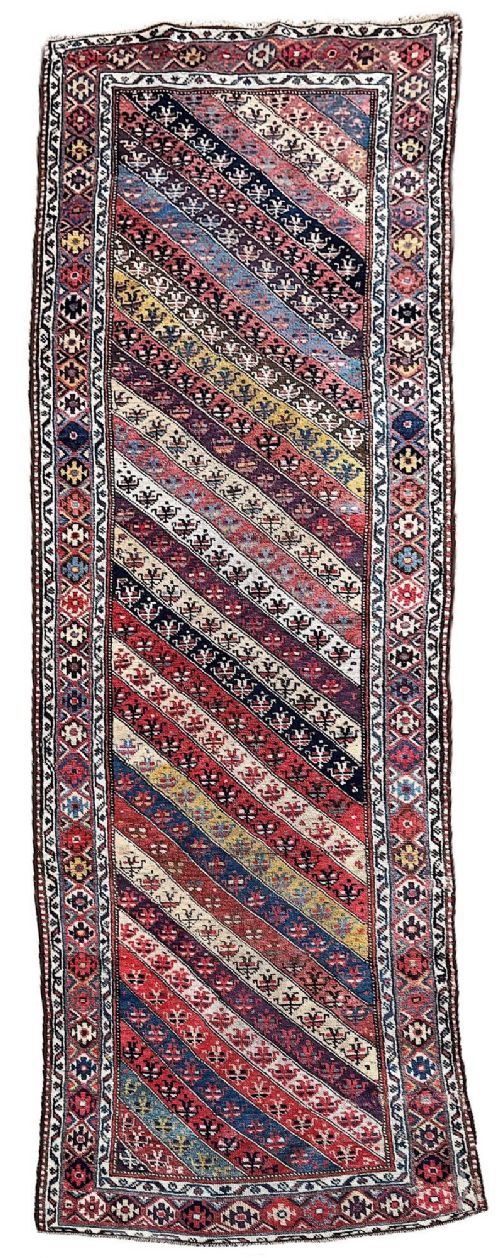
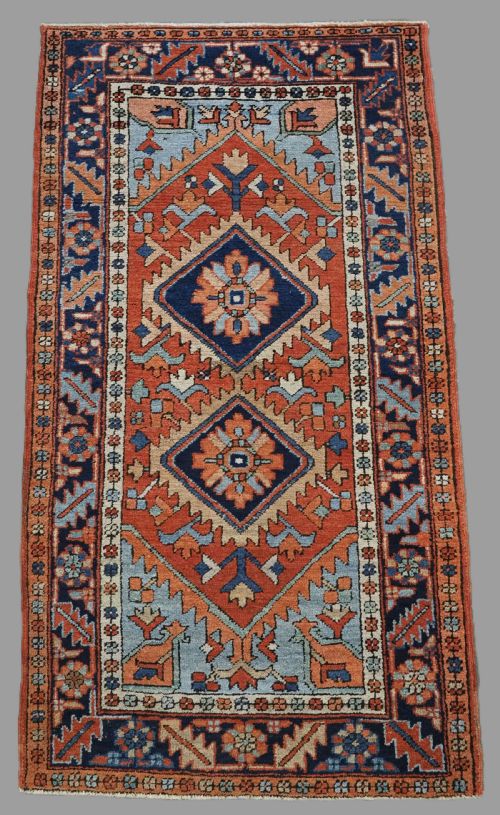
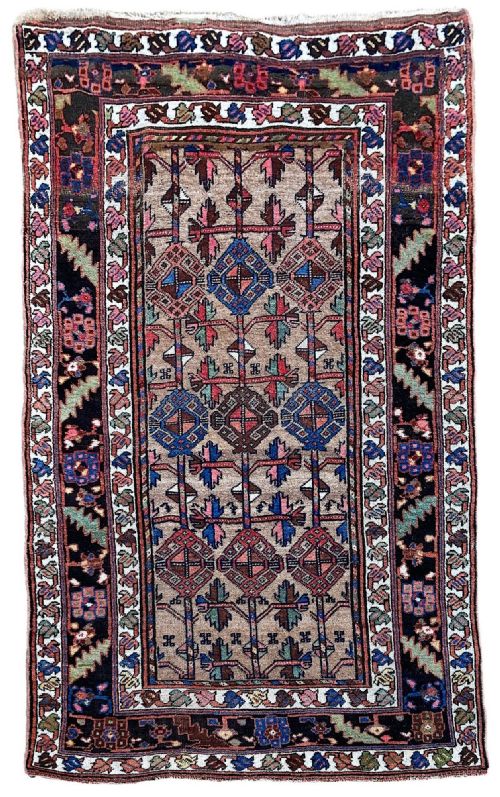
Caucasian Woven Carpet
A genuine caucasian woven carpet brings centuries of nomadic and tribal artistry into a room through bold geometric motifs and rich, dyed wool.
Caucasian Woven Carpet
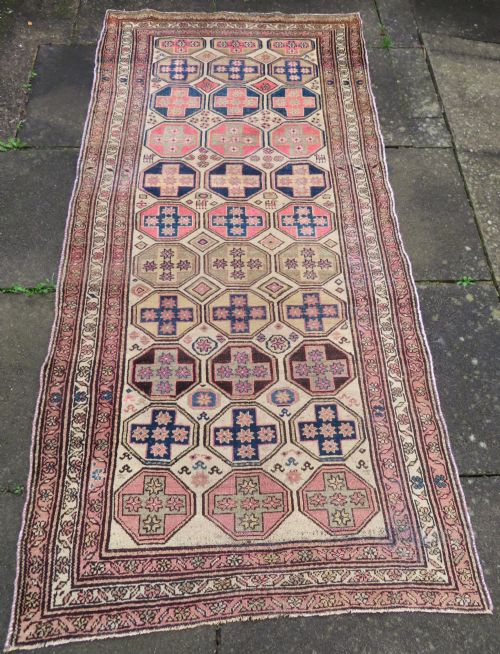
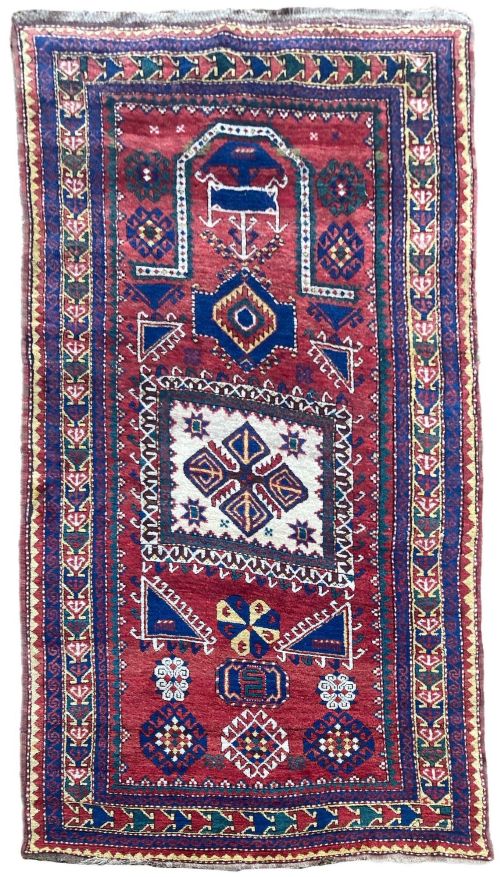
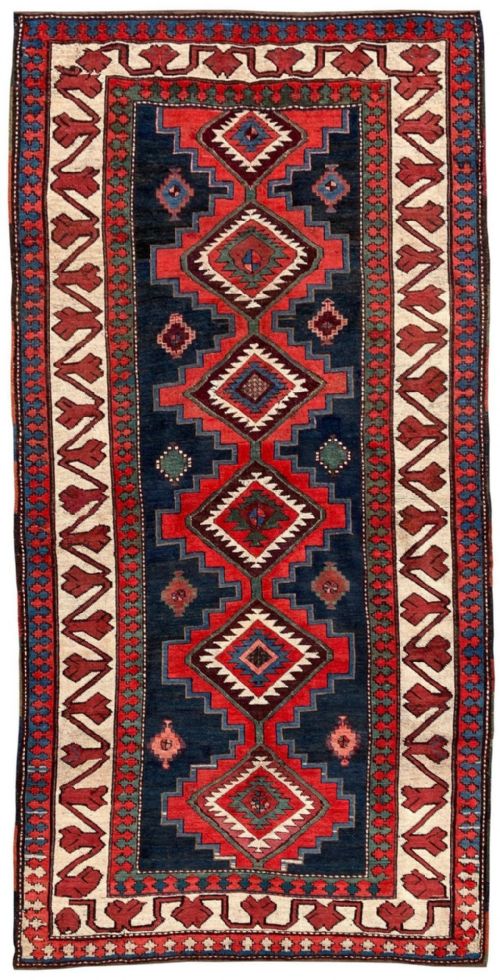
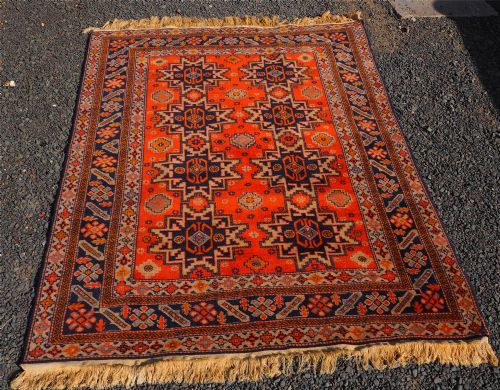
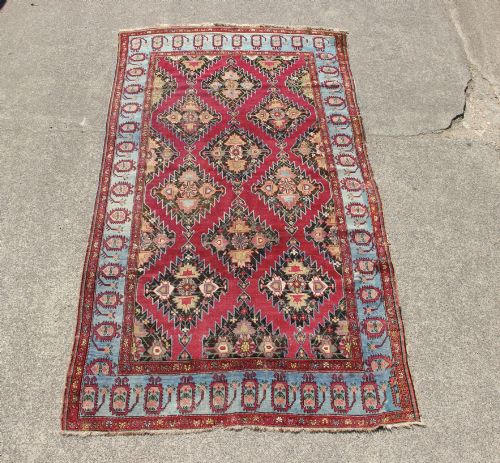
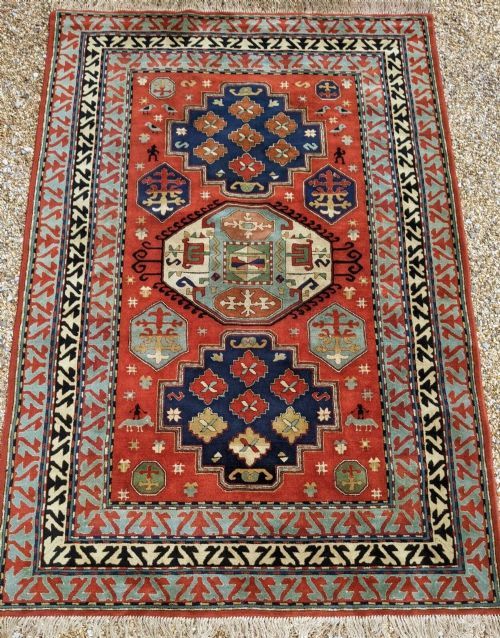
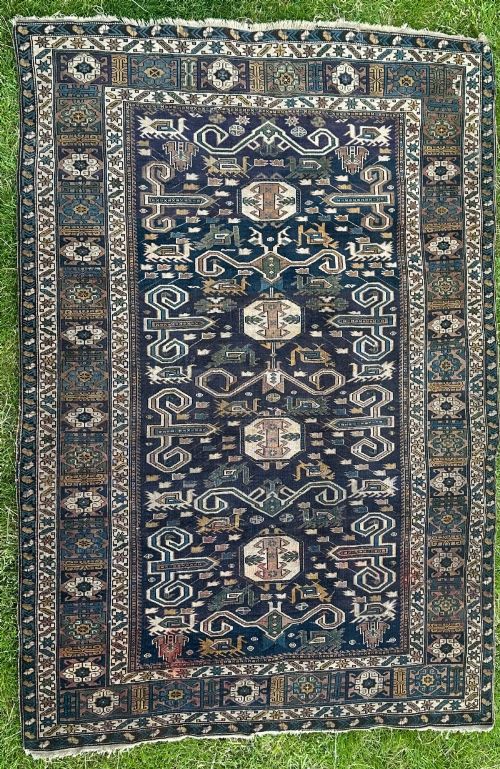
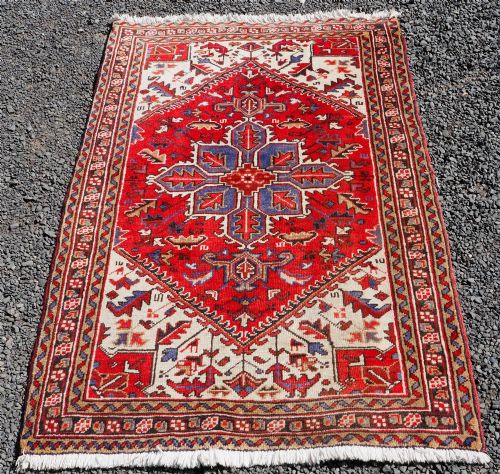
When searching for a caucasian woven carpet, buyers encounter robust village and tribal pieces originating from the Caucasus region during the nineteenth and early twentieth centuries. These textiles include standard rugs, prayer rugs, hallway runners, flat-weave kilims, and storage bags produced by distinct weaving traditions such as Kazak, Karabagh, Shirvan, and Kuba.
The most common examples on this page date from the late nineteenth century up to the 1930s, reflecting diverse regional aesthetics from the East, North-East, and South Caucasus. Pieces manifest in various formats, ranging from small prayer formats to elongated runners and large carpets of unusual size.
Stylistic influences blend Caucasian, Persian tribal, and Kurdish nomadic designs, frequently displaying animal motifs, geometric guls, and banded patterns. Each textile serves as a durable floor covering or decorative hanging rooted in historical village production.
Materials and Construction
Weavers constructed these carpets predominantly using hand-spun wool for the pile, paired with cotton foundations in specific regional types. The employment of natural dyes yielded mellow and soft colour palettes that developed rich patinas over decades of use.
Makers utilised hand-knotting techniques for piled rugs and flat-weave methods for kilims and mafresh storage panels. This traditional labour-intensive fabrication ensured dense, hard-wearing textiles capable of withstanding generations of daily wear.
Listings feature hand-spun wool and cotton materials across periods spanning from 1870 to the 1940s.
Assessing Quality and Execution
Quality in these carpets rests upon the tightness of the knotting, the handling of the wool, and the clarity of the geometric design. Tighter foundations and superior wool preparation result in greater structural integrity and sharper definition within medallions and animal motifs.
The depth and harmony of the natural dyes significantly influence the visual merit of a piece. Examples retaining vibrant yet mellowed vegetable dye colours display a superior chromatic balance compared to pieces with faded or chemically altered tones.
The Caucasian Woven Carpet Glossary
- Kazak
- A type of rug originating from the western Caucasus, known for bold geometric designs and primary primary colour usage. These pieces typically exhibit large medallions and striking rectilinear patterns.
- Kilim
- A flat-woven carpet or rug produced without a pile by tightly interweaving warp and weft threads. This technique creates lightweight textiles featuring sharp, angular patterns.
- Prayer Rug
- A small format rug featuring a mihrab or niche design at one end, traditionally used for daily devotional practices. The niche motif points toward Mecca during prayer.
- Gul
- A medallion or repeating octagonal motif often found in tribal and nomadic carpets. These botanical or geometric emblems frequently identify specific weaving tribes.
- Mafrash
- A large storage bag or panel produced by nomadic groups to transport household belongings on pack animals. These sturdy containers are frequently disassembled and presented as flat-weave panels today.
Caucasian Woven Carpet: Frequently Asked Questions
How do I clean an old carpet?
Professional specialist cleaning is essential for antique textiles to prevent dye migration and fibre degradation. Regular gentle vacuuming without a rotating beater bar maintains surface cleanliness.
Avoid household detergents and excessive moisture, which permanently damage hand-spun wool and natural dyes. Consult a conservator for heavily soiled or fragile pieces.
Can I place these on heated floors?
Underfloor heating dries out natural wool and cotton foundations over time, causing the fibres to become brittle. Placing a breathable, natural underlay provides a necessary thermal barrier between the floor and the textile.
Monitor the temperature settings carefully to prevent accelerated ageing of the historical materials. Regular rotation ensures even exposure to environmental conditions.
How do I identify a Kazak rug?
Kazak rugs are distinguished by their heavier wool pile, generous proportions, and primary geometric ornamentation. Look for large square or octagonal medallions set against contrasting fields of colour.
These pieces typically originate from the western Caucasus and display a robust, uncomplicated aesthetic. The use of saturated primary colours is a hallmark of this group.
Are flat-weaves durable enough for hallways?
Kilims and flat-weaves handle moderate foot traffic well when paired with a quality non-slip underlay that absorbs impact. Their lack of a pile makes them slim enough to clear low-swinging doors in high-traffic corridors.
Periodic rotation distributes wear evenly across the length of runner formats. Protect them from moisture and direct sunlight to preserve the flat-weave structure.