



Caucasian Tribal Mat
A caucasian tribal mat brings geometric strength and rich tradition into a room through hand-woven wool and striking regional designs.
Caucasian Tribal Mat
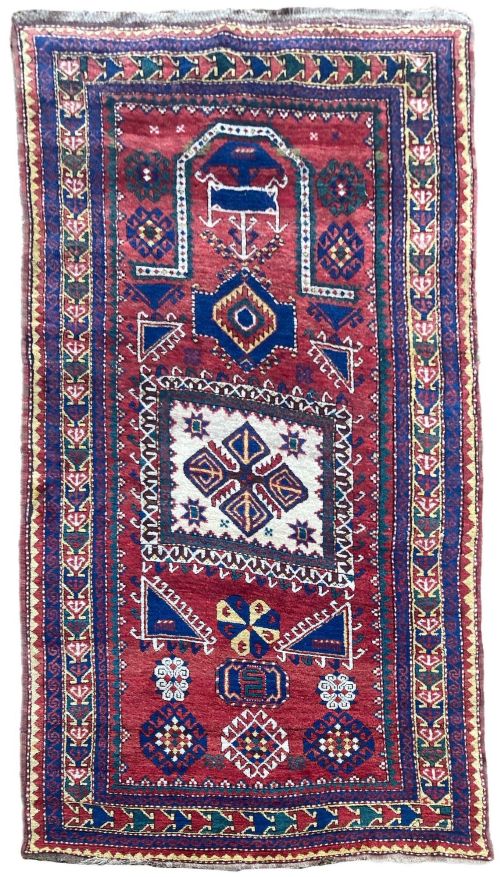
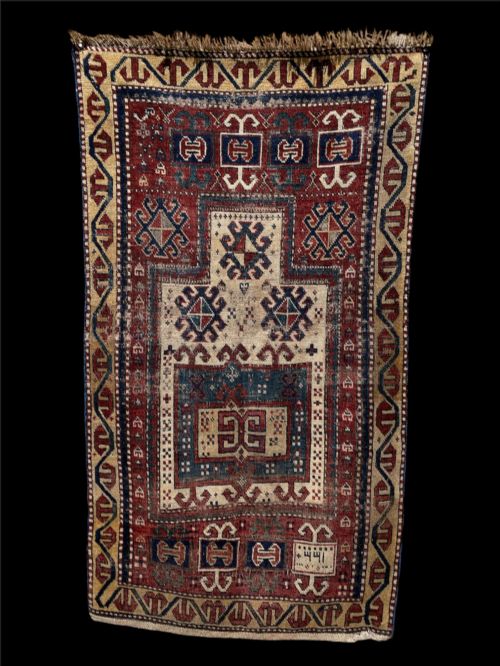
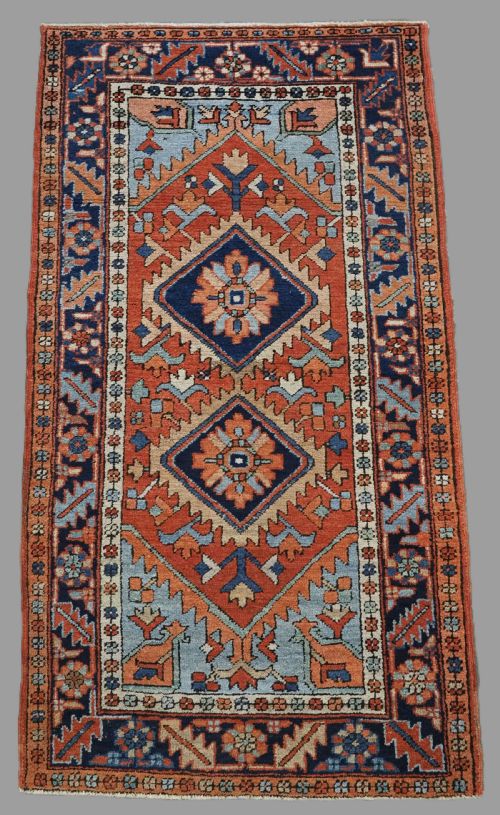
A caucasian tribal mat typically presents distinct regional weaving traditions originating from the Caucasus region during the nineteenth and early twentieth centuries. These pieces encompass prayer rugs, smaller formats, and corridor runners that reflect specific tribal motifs and village patterns.
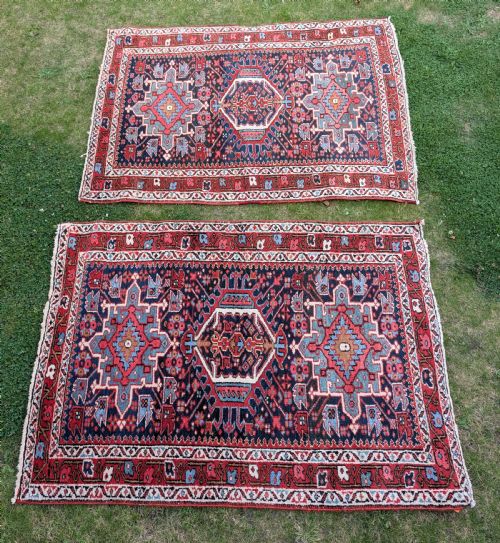
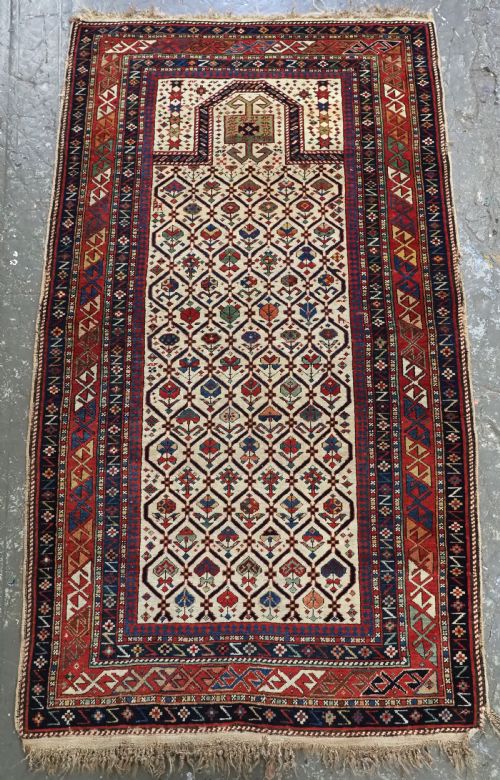
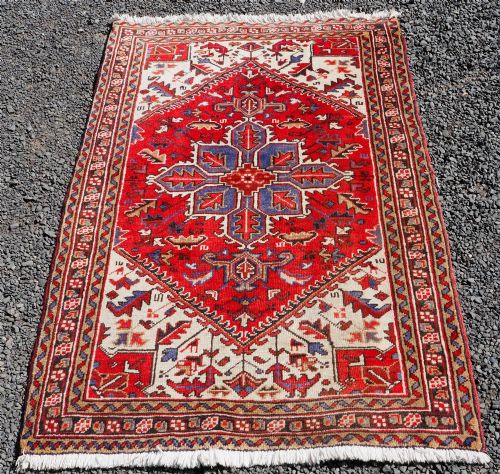
The selections encountered most frequently on this page date from the mid-nineteenth century up through the nineteen-thirties. Examples range from structured Kazak and Gendje types to floral lattice Dagestan and Shirvan formats, alongside related Persian and Turkmen styles.
Materials and construction methods
The construction relies primarily on wool and hand-spun wool, frequently utilising cotton foundations for structure and durability. Hand-knotting techniques allow makers to build dense, resilient piles that support intricate geometric and floral designs.
Dyes and textiles reflect traditional regional practices of the period, securing lasting colour variation across diverse motifs such as boteh patterns, medallions, and floral lattices.
At least one nineteenth-century piece preserves a spirited menagerie of tiny woven peacocks and animals right in the field.
Distinguishing quality in weaving
Quality separates through the precision of the knotting and the clarity of the regional design execution. Finer examples display tightly packed foundations and well-defined motifs that maintain structural integrity.
The richness and depth of the wool pile contribute significantly to the overall presence of a piece. Superior pieces showcase balanced colour distribution and careful handling of traditional motifs across the field.
The Caucasian Tribal Mat Glossary
- Kazak
- A designated style of rug originating from the western Caucasus, known for bold geometric medallions and strong primary colours.
- Prayer Rug
- A specialised format featuring a distinctive mihrab or arch design traditionally used for personal devotion.
- Boteh
- A teardrop or almond-shaped motif with a curved upper end, frequently repeated across regional pile carpets.
- Dagestan
- A weaving origin situated in the eastern Caucasus, noted for intricate floral lattice patterns and precise geometric borders.
- Mafrash
- A storage bag or panel piece produced by nomadic and tribal groups, utilising traditional weaving techniques.
Caucasian Tribal Mat: Frequently Asked Questions
What defines a caucasian tribal mat?
These woven textiles originate from nineteenth and early twentieth-century Caucasian workshops, utilising hand-spun wool to create dense, durable floor coverings.
They are distinguished by geometric medallions, tribal motifs, and regional village designs unique to specific weaving communities.
How were prayer rugs used?
Prayer rugs functioned primarily as portable spaces for daily devotions, featuring a distinct pointed arch or mihrab design at one end.
Households also displayed these smaller formats as decorative wall hangings or placed them in primary living areas.
How do I care for an antique wool rug?
Maintenance requires gentle vacuuming without a rotating brush to protect the hand-knotted pile and delicate cotton foundations.
Professional cleaning tailored for antique textiles helps preserve the natural hand-spun wool fibres and traditional dyes.
How can I tell different regional styles apart?
Distinctions rely on specific design vocabularies, such as the bold geometric medallions typical of Kazak pieces versus the intricate floral lattices found in Dagestan work.
Palette choices and border arrangements also point directly to the specific Caucasus or Persian region where the piece was woven.