

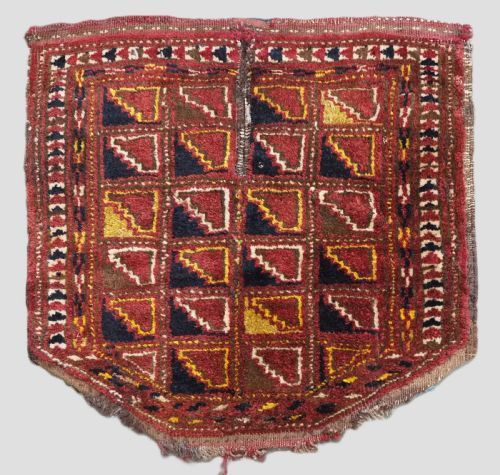
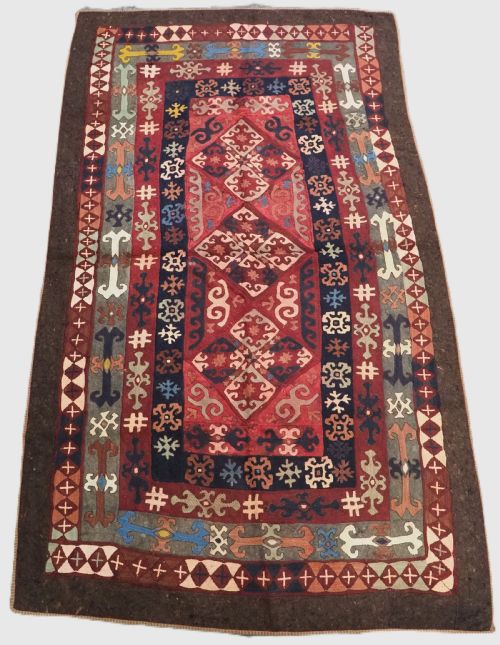
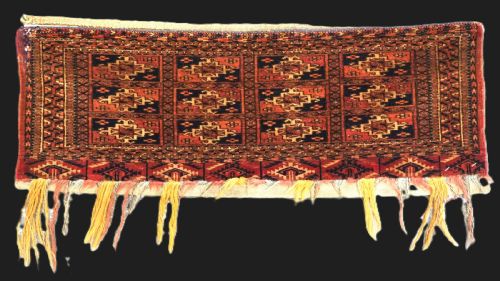


Terracotta Wool Wall Hanging
Terracotta wool wall hanging pieces bring earthy tones and nomadic heritage into modern interiors through woven textiles.
Terracotta Wool Wall Hanging
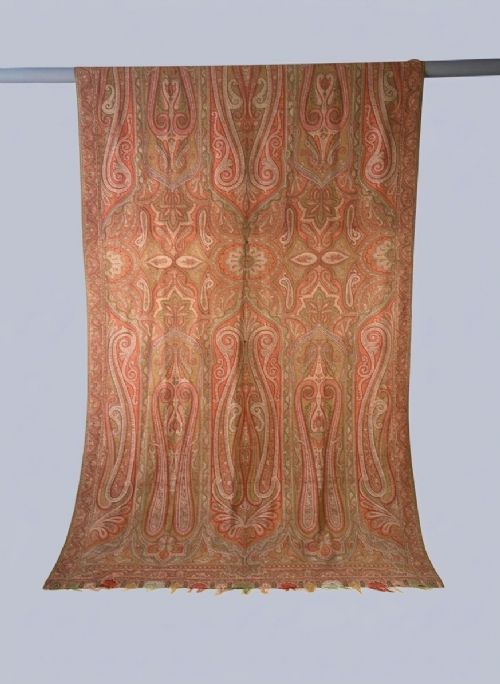
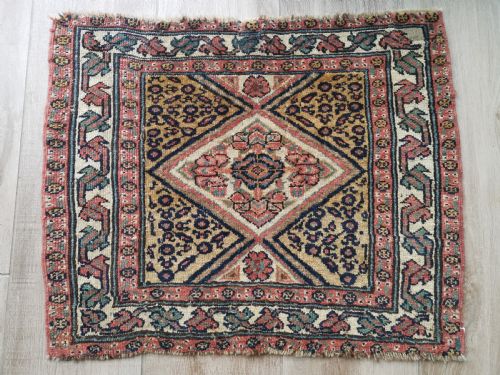
A terracotta wool wall hanging brings tactile warmth and historical design into a space using pieces originally created as tribal bags, tent bands, or flatweave panels. Buyers searching this phrase encounter textiles that span the nineteenth and early twentieth centuries, originating from Turkmen, Persian, and Central Asian nomadic groups.
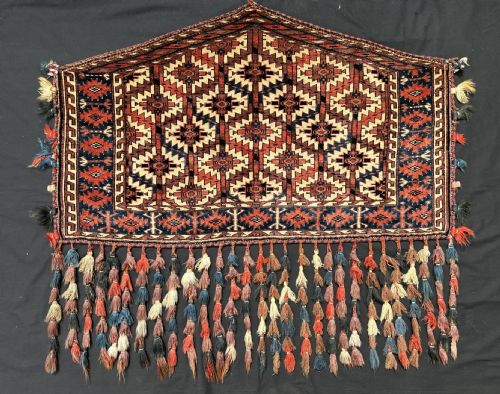
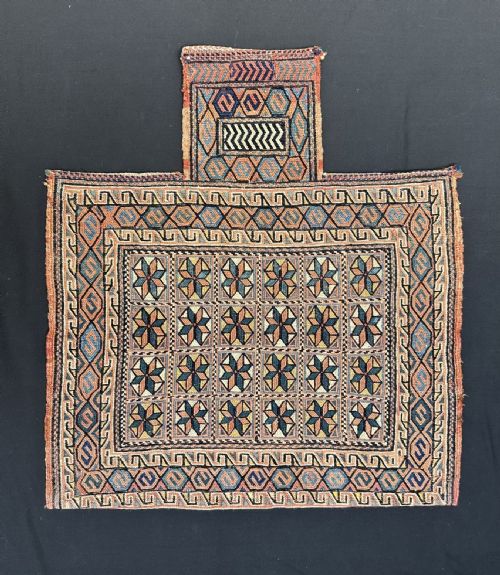
The most common forms seen on this page include torba faces, bagfaces, and kilim panels featuring rich terracotta grounds and traditional tribal motifs. These items transition easily from utilitarian nomadic objects to decorative wall art.
Production periods cluster around the late nineteenth century and the early decades of the twentieth century. The makers utilised natural dyes to achieve deep terracotta and madder red hues that anchor the colour palette of these woven pieces.
How they were made
Makers relied on hand-spun wool and natural dyes to produce durable textiles designed for daily nomadic use. Wool fibres provide the foundational structure for these woven and embroidered works.
Techniques range from pile weaving and soumac wrap-pass methods to flatweave kilim construction and felt making. Central Asian and Persian artisans incorporated supplementary weft-work and intricate geometric patterning into the fabric.
Some tent bands stretch up to fifty feet long, originally built to secure nomadic yurts against high steppe winds.
What varies in quality
Quality rests in the precision of the weave and the saturation of the natural dyes used across the terracotta ground. Finer knotting and tightly packed structures separate superior tribal pieces from standard examples.
Condition and completeness also influence the piece, particularly whether original backs, tassels, or borders remain intact. The clarity of design execution reflects the skill of the weaver within regional traditions.
The Terracotta Wool Wall Hanging Glossary
- Torba
- A small storage bag produced by Turkmen tribes, often hung inside a tent to hold household goods. Many surviving examples exist today as decorative textile panels.
- Kilim
- A flatweave textile made without a pile, created by tightly interlocking warp and weft threads. This technique results in a smooth, durable surface with crisp geometric designs.
- Gul
- A repeating medallion motif used extensively in Turkmen carpet and textile design. Each tribal group traditionally utilised distinct gul variations.
- Soumac
- A flatweave technique involving wrapping weft threads around warp threads in a herringbone pattern. This method adds structural weight and durability to the textile.
- Mafrash
- A rectangular storage box or bedding bag constructed from woven panels. These panels frequently appear individually as flat wall hangings.
Terracotta Wool Wall Hanging: Frequently Asked Questions
What is a terracotta wool wall hanging?
A terracotta wool wall hanging is typically a repurposed antique tribal textile, such as a bagface, torba, or kilim panel, originating from nomadic weavers in Central Asia and Persia. These pieces feature warm reddish-brown earthy tones derived from natural dyes and are displayed on walls for their graphic designs.
Most examples date from the nineteenth or early twentieth century and showcase traditional regional motifs like guls and geometric patterns. Their conversion from utilitarian objects to interior decoration preserves historical textile art.
How do I hang a textile securely?
Hanging a textile safely requires distributing the weight evenly across the entire upper edge to prevent distortion of the wool fibres. Using a sleeve sewn to the back or a padded wooden batten helps support the piece without piercing the fabric.
Direct pinning should be avoided because it places stress on the hand-spun wool and natural threads. Professional conservation mounting offers the best protection for fragile antique flatweaves.
How do I identify tribal regions?
Identifying the origin of a textile involves examining the specific geometric motifs, colour combinations, and weaving structures characteristic of groups such as the Yomut, Tekke, Ersari, or Shahsavan. Regional palettes and secondary filler ornaments provide key clues to the specific tribe and location.
Reference materials detailing nineteenth-century nomadic weavings help match design elements to particular communities in Persia, the Caucasus, or Turkmenistan.
How do I care for antique wool?
Antique wool textiles require gentle maintenance, starting with regular, careful vacuuming through a mesh screen to remove surface dust. Keeping the textile away from direct sunlight protects the natural terracotta and madder dyes from fading over time.
Professional cleaning should be reserved for specialists experienced in handling historic carpets and flatweaves. Monitoring the environment for humidity and pests ensures the longevity of the natural fibres.