




Traditional Nomadic Wool Textile
A traditional nomadic wool textile brings the texture and geometry of Central Asian tribal life directly into modern interiors.
Traditional Nomadic Wool Textile
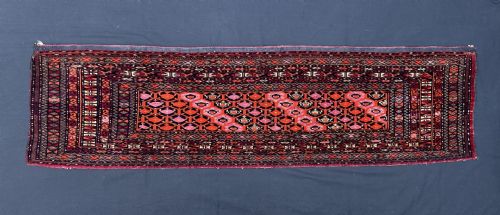
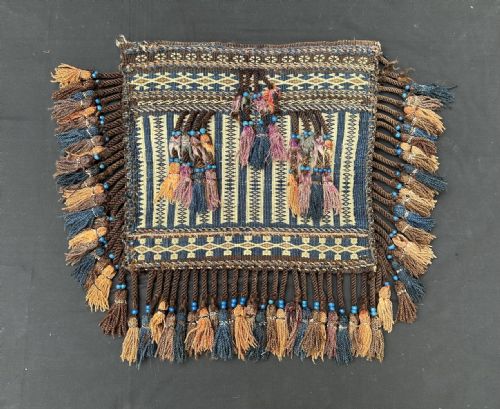
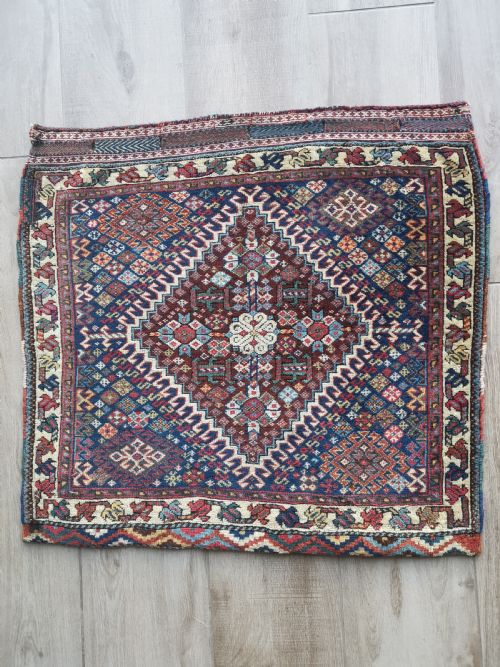
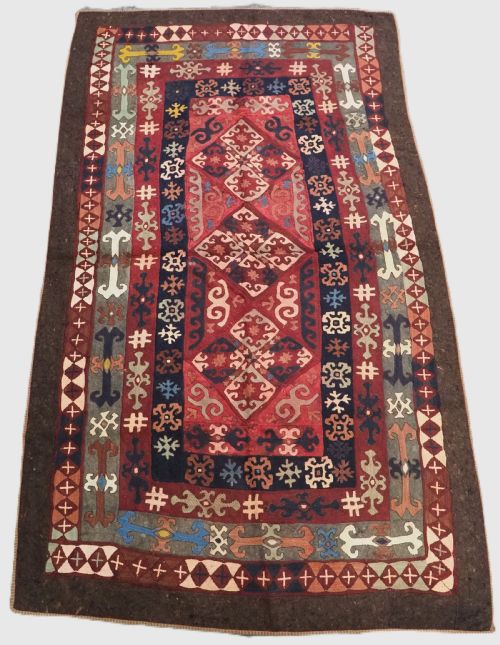
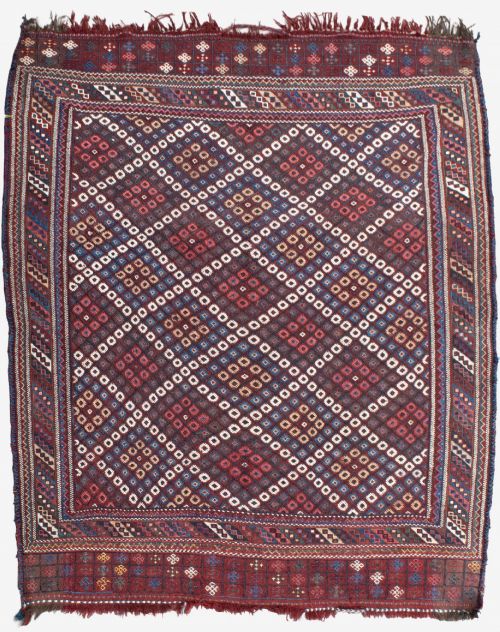
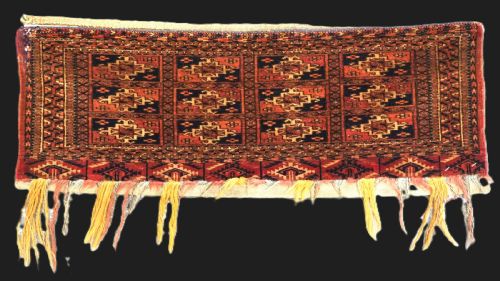
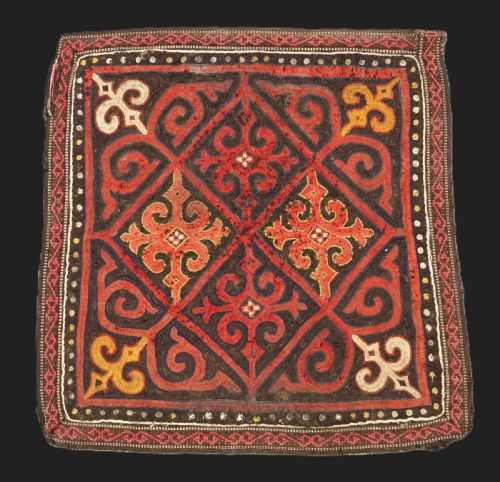
The pieces appearing on this page span the nineteenth and early twentieth centuries, reflecting the distinct handiwork of groups such as the Turkmen, Uzbek, Baluch, and Qashqai. Forms include specialised torbas, chuvals, mafrashes, and sofreh, each designed for specific nomadic storage or dining purposes.
Meticulous tribal weaving traditions govern the creation of these objects, preserving motifs that identify specific clans and geographic regions. Collectors value them for their authentic cultural utility and the survival of traditional patterns across generations.
Materials and construction
Natural wool serves as the primary structural material, often paired with cotton foundations, silk accents, and horsehair tassels. Artisans utilised natural dyes to colour the fibres, creating deep reds, indigos, and earth tones that weather decades of light.
Techniques combine pile weaving, flatweave kilim structures, and intricate embroidery applied to felted wool panels. Artisans incorporated glass beads and specialised supplementary weft wrapping methods, such as cicim and sumac, to reinforce heavy-use items.
Several wedding camel trappings in the collection retain their original horsehair tassels meant to ward off evil spirits during transit.
Evaluating quality and condition
Quality rests upon the tightness of the weave, the clarity and saturation of the natural dyes, and the completeness of the original borders or plain-weave backs. Superior examples retain their structural integrity and display crisp, uncluttered tribal guls or graphic symbols.
The artistic competence of the weaver dictates the precision of complex geometric repeats and the harmonious balance of secondary ornamentation. Pieces that preserve complete original formats, such as storage bags with their reverse sides intact, command greater appreciation.
The Traditional Nomadic Wool Textile Glossary
- Chuval
- A large face-bag used by Turkmen nomads for storage inside the tent. These items typically feature rows of major guls.
- Torba
- A smaller hanging storage bag utilised in nomadic dwellings for personal items or utensils. They often display elaborate medallion designs.
- Gul
- A primary repeating medallion or octagonal motif found in tribal rugs and bag faces. Different tribes developed distinct gul shapes to signal lineage.
- Sofreh
- A flatwoven textile used specifically for preparing, serving, or sharing communal meals. These pieces often feature minimalist fields surrounded by geometric borders.
- Mafrash
- A rectangular storage container or bedding bag woven in techniques such as sumac or plain weave. Pairs of these formed part of a bride's dowry.
Traditional Nomadic Wool Textile: Frequently Asked Questions
How were these bags used?
Nomadic families utilised these woven containers inside tents for storing clothing, bedding, and provisions.
Their sturdy construction protected belongings from dust and dampness during seasonal migrations.
How do I hang a textile?
Mounting requires a padded Velcro strip or a sleeve hand-stitched along the upper reverse edge.
This method distributes the weight evenly across the wool without puncturing or straining the ancient fibres.
How are different tribes identified?
Identification relies on analyzing the specific structural guls, colour palettes, and wool preparation methods.
Weavers from groups like the Yomut, Tekke, or Ersari incorporated distinct regional symbols passed down through generations.
How should wool textiles be cleaned?
Routine maintenance involves gentle surface vacuuming through a mesh screen to remove embedded dust.
Professional specialist washing remains necessary for deeper cleaning to prevent dye migration and fibre shrinkage.