

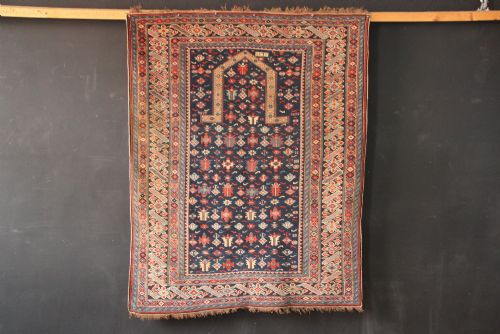
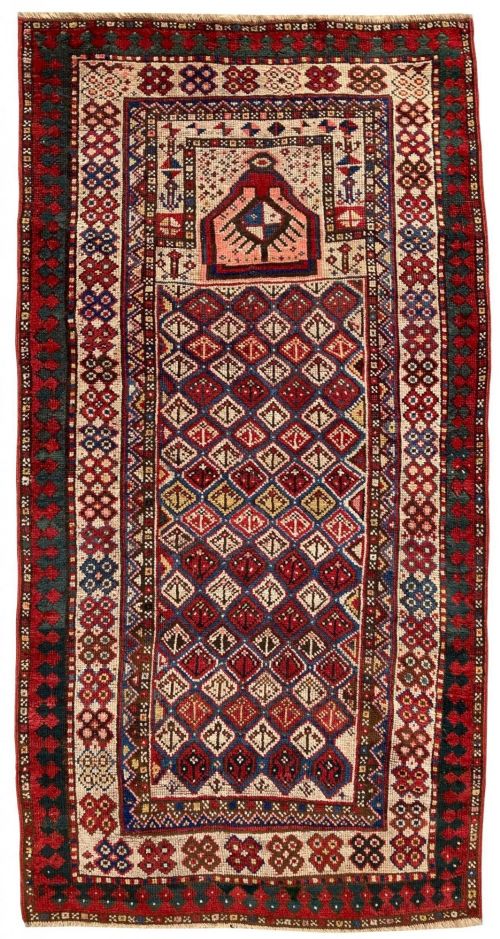
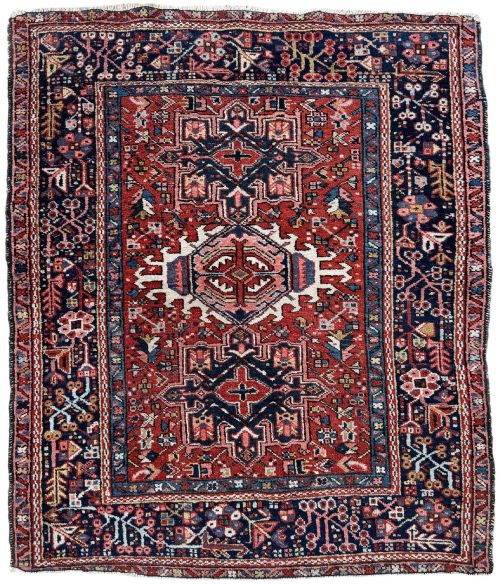
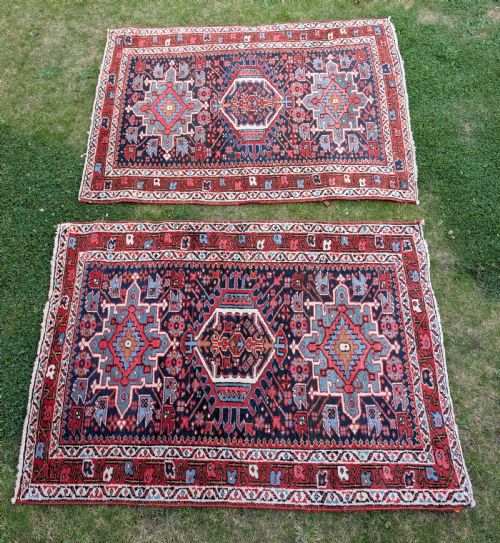


Small Caucasian Rug
A small caucasian rug brings geometric boldness and rich village dyes into compact spaces.
Small Caucasian Rug
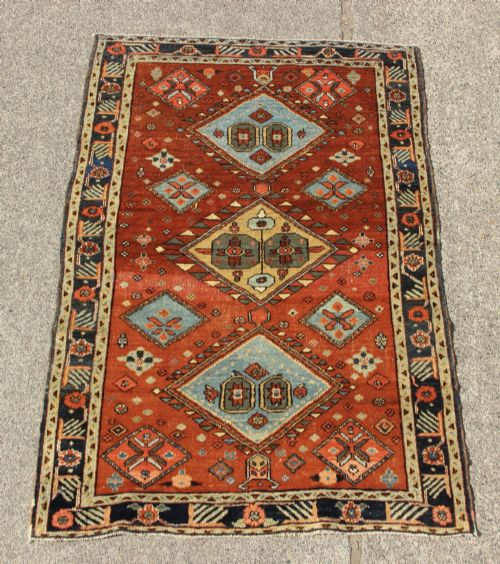
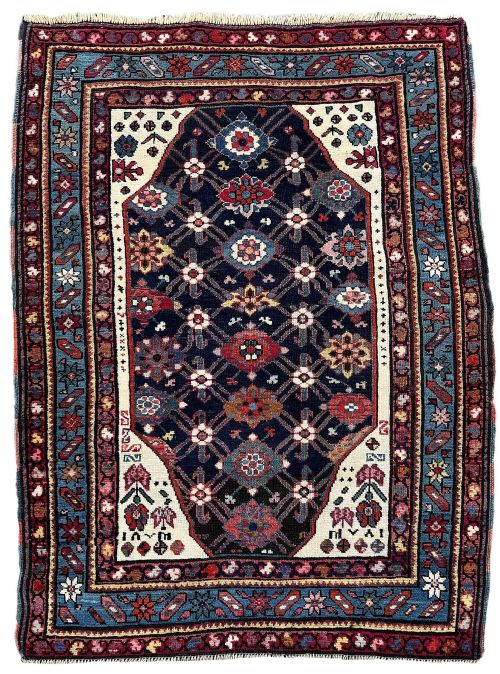
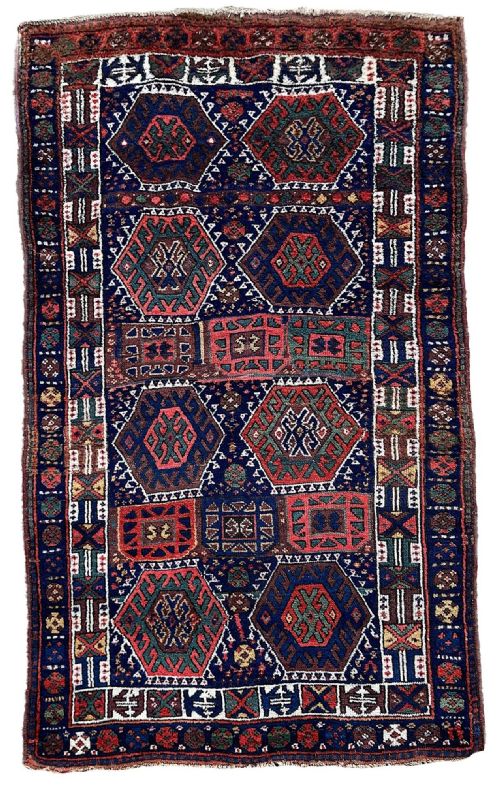
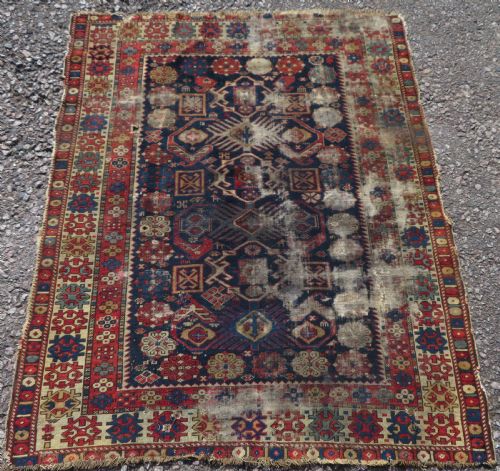
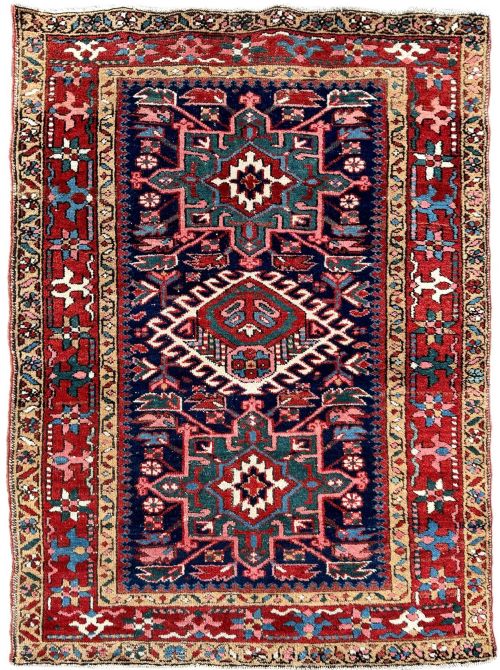
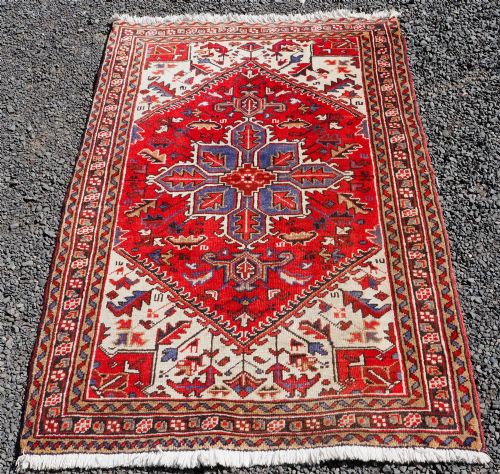
A small caucasian rug is a hand-knotted tribal textile originating from the Caucasus region during the late nineteenth and early twentieth centuries. These compact floor coverings display strong geometric medallions, star motifs, and tribal symbols that reflect the heritage of weavers from regions such as Kazak, Gendje, Shirvan, and Daghestan. On this page, buyers frequently encounter authentic village and nomad pieces produced between the eighteen-seventies and nineteen-thirties.
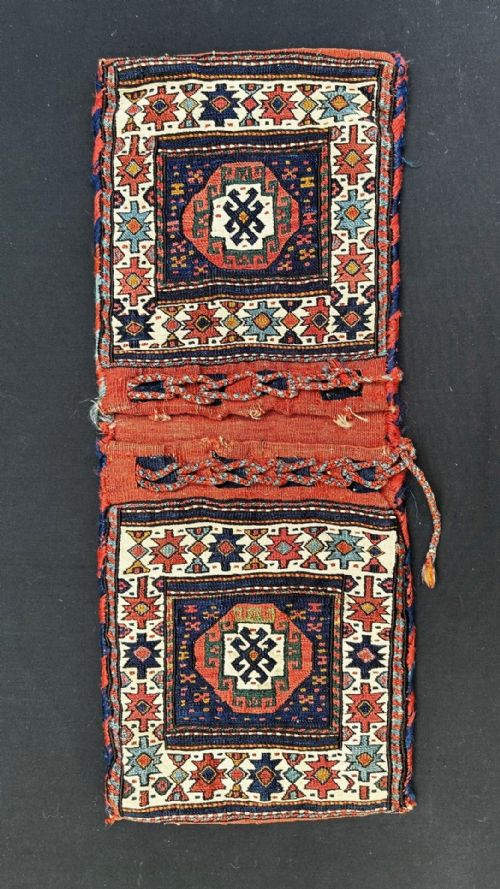
Beyond standard floor rugs, the category encompasses related formats such as prayer rugs, saddlebags, and mafrash panels repurposed into small kilims. These functional items were woven for domestic nomadic use rather than export, resulting in authentic, unstandardised dimensions and spontaneous design choices. Each piece offers a direct connection to the traditional weaving workshops and tribal groups of the Caucasus and neighbouring Persian regions.
How they were made
Weavers constructed these textiles using hand-spun wool for the pile and foundation yarns, often incorporating cotton for structural warps and wefts in later examples. Natural dyes sourced from plants and minerals provided the deep saturated palette, yielding mellow tones that age gracefully over decades of light exposure. The knotting technique produced a dense, sturdy pile designed to withstand daily nomadic life.
The construction relies on symmetrical or asymmetrical knots tied tightly across vertical warps, creating a firm handling textile that holds its shape well. Artisans executed geometric patterns from memory or tradition rather than strict paper cartoons, leading to charming irregularities within the borders and central fields. This traditional hand-crafting process ensures that no two antique tribal rugs share identical proportions or design placement.
Small Caucasian Rug Retail Price Guide 2026
Typical asking prices for small caucasian rug among the pieces listed under this phrase on Sellingantiques today, from the lower quarter to the upper quarter. They describe what is for sale here now, not the wider market.
Some nineteenth-century nomads repurposed their travelling storage chests into wall hangings, meaning your floor rug once carried a family's blankets across the mountains.
What varies in quality
The distinction between ordinary and exceptional examples rests upon the clarity of the design and the purity of the palette. Pieces featuring saturated natural dyes and crisp, well-balanced geometric motifs command greater attention from collectors. Finer knot counts and intact original side cordings further separate superior weaves from standard utility pieces.
Structural integrity and the retention of original outer finishes dictate the overall desirability of a textile. Examples that preserve their starting and ending borders without extensive re-weaving demonstrate better survival through time. Additionally, unusual or scarce regional designs elevate a textile beyond typical commercial production.
The Small Caucasian Rug Glossary
- Kazak
- A style of rug originating from western and northern Caucasian weaving groups known for bold geometric medallions and primary saturated colours. These textiles typically display heavy wool pile and chunky proportions.
- Shirvan
- A classification for eastern Caucasian rugs characterised by finer weaves, intricate star or floral motifs, and cooler blue or ivory ground tones. They often present more precise geometry than their western counterparts.
- Daghestan
- A eastern Caucasian weaving region famous for prayer designs and detailed repeating boteh or star motifs executed on narrower formats. The workmanship tends towards delicate geometric precision.
- Mafrash
- A large woven storage bag used by nomadic tribes for bedding and household goods, constructed with flat-woven kilim sides and pile-woven ends. Surviving panels are frequently mounted as small decorative textiles.
- Boteh
- A traditional almond-shaped or paisley motif representing a floral shoot or cypress tree, commonly repeated across the field of village and nomad rugs.
Small Caucasian Rug: Frequently Asked Questions
Where should I place a small caucasian rug?
These compact floor coverings suit low-traffic areas such as hallways, bedside spaces, or small reading nooks where their bold geometry can be appreciated up close.
Because of their historical nature, keeping them out of direct, harsh sunlight helps preserve the natural dyes used by nineteenth-century weavers.
How do I clean an antique village rug?
Regular gentle vacuuming without a rotating beater bar prevents dust accumulation in the wool pile without damaging the foundation threads.
Professional specialist cleaning is recommended for heavier soil removal, as domestic washing methods can damage natural dyes and historic wool.
What is the difference between Kazak and Shirvan rugs?
Kazak rugs generally feature large, bold geometric medallions with heavy wool pile and vibrant primary colours.
Shirvan pieces tend to display finer knotting, more delicate star motifs, and a greater emphasis on balanced, multi-bordered compositions.
How can I tell a prayer rug from a standard rug?
Prayer rugs feature a distinct pointed arch or mihrab shape at one end, which was traditionally oriented toward Mecca during daily devotions.
Standard rugs maintain an overall field design without directional arches, intended for general floor placement or seating.