
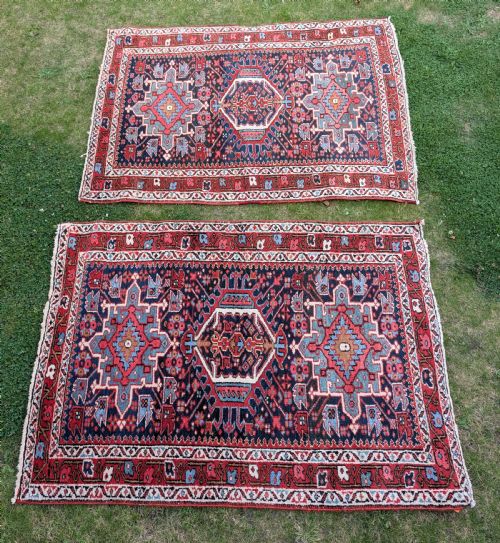
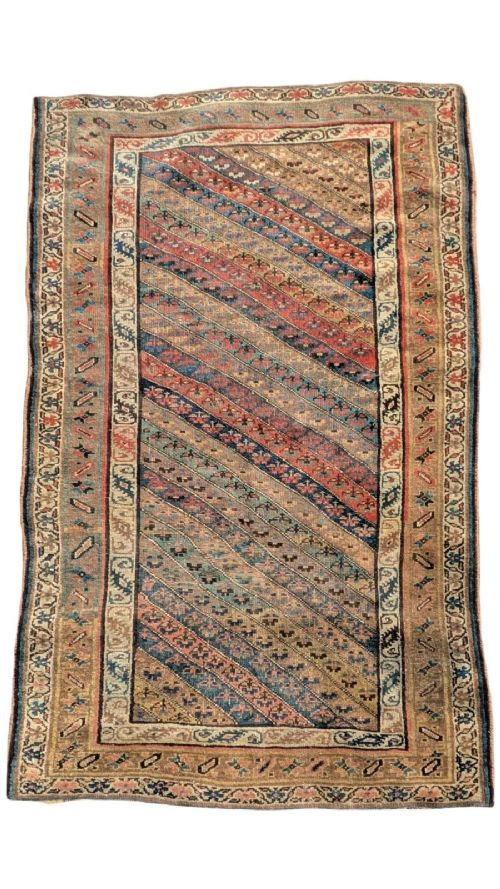
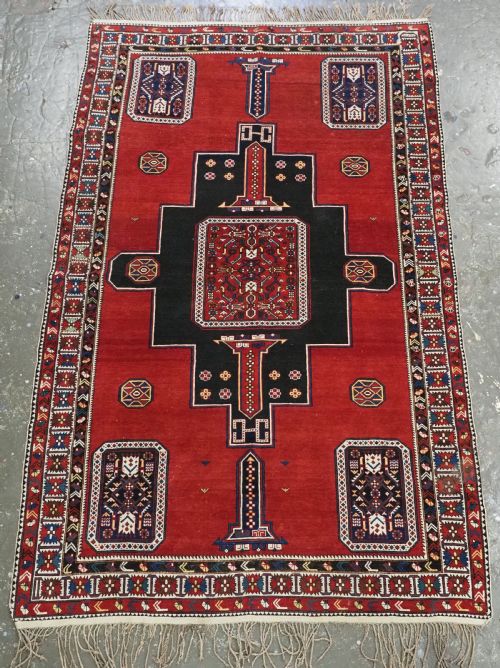
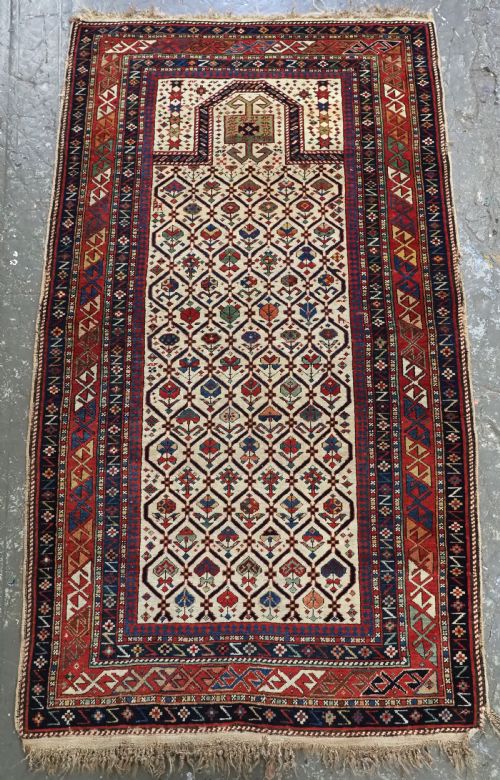
Caucasian Tribal Area Carpet
A genuine caucasian tribal area carpet brings geometry, history and enduring craft straight from mountain workshops onto the floor.
Caucasian Tribal Area Carpet
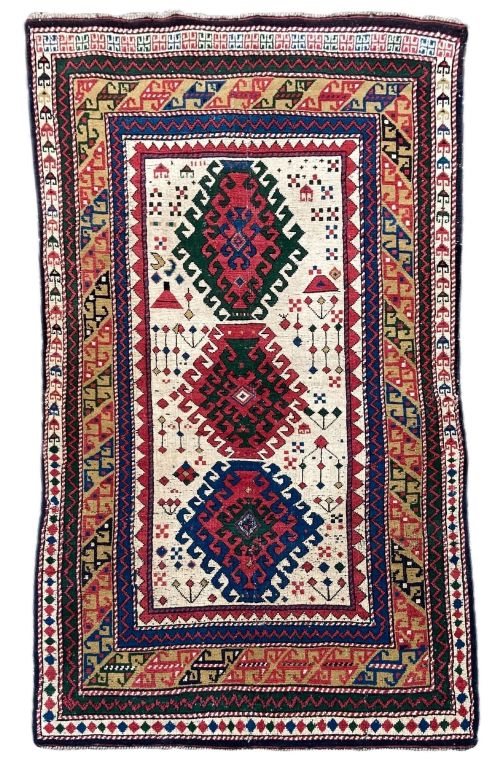
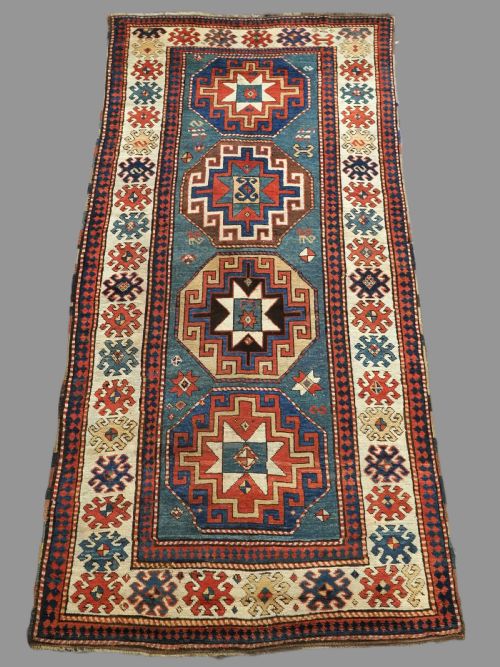
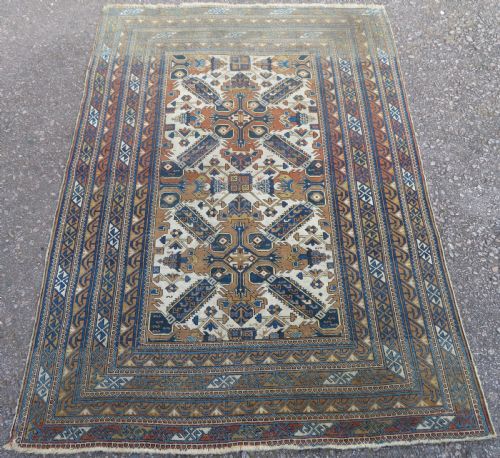
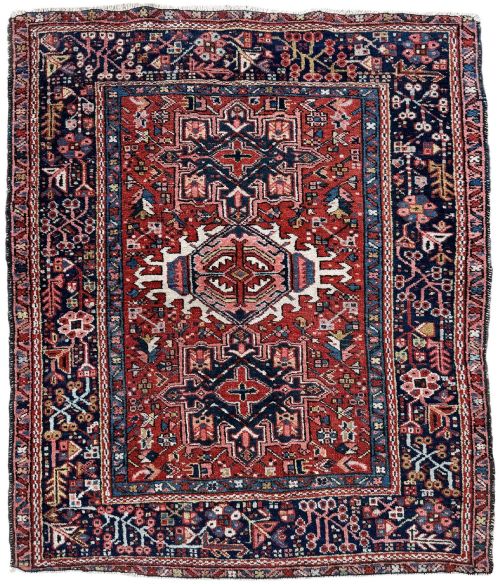
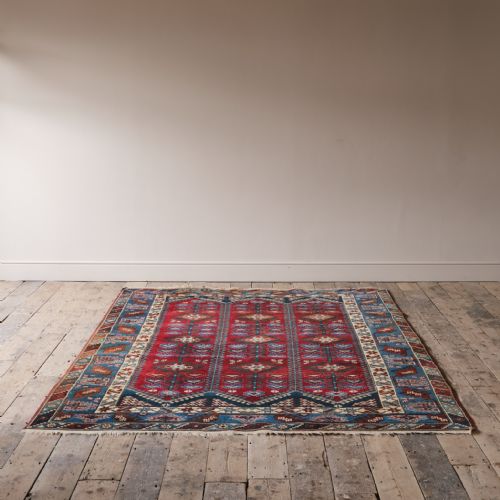
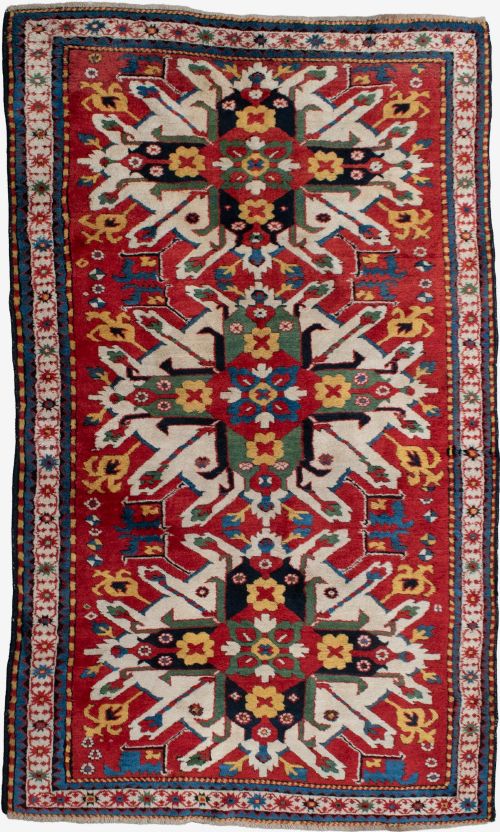
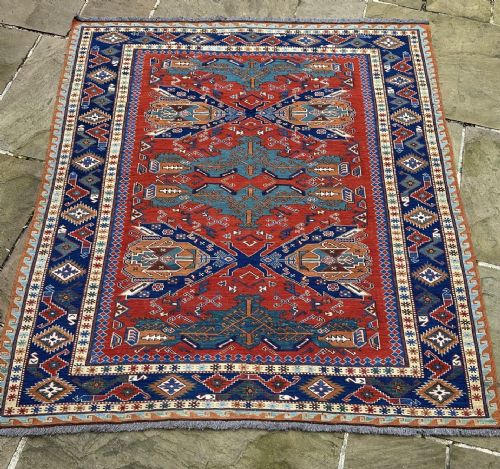
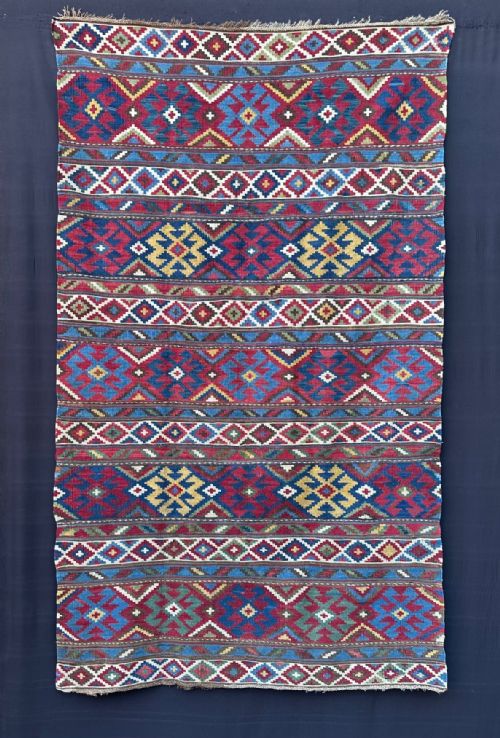
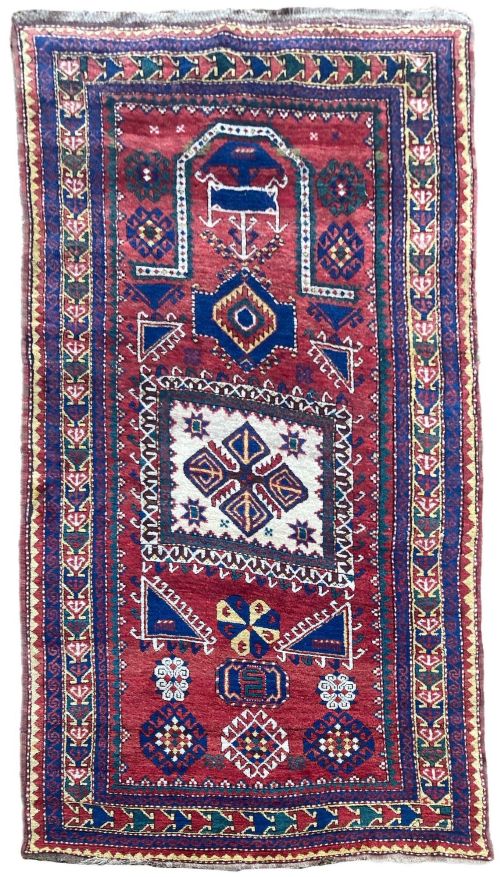
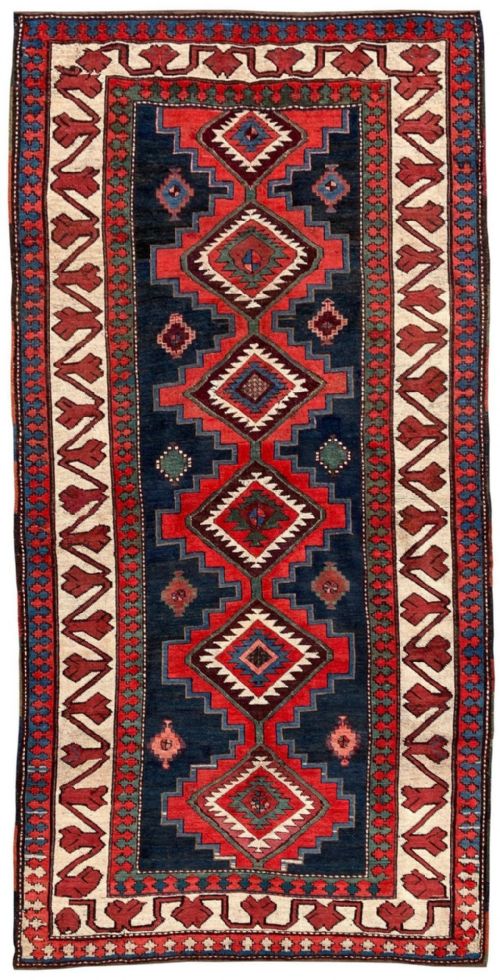
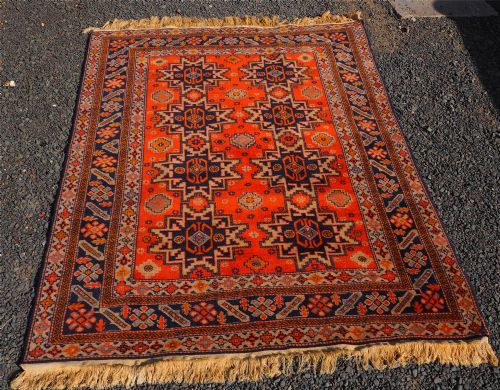
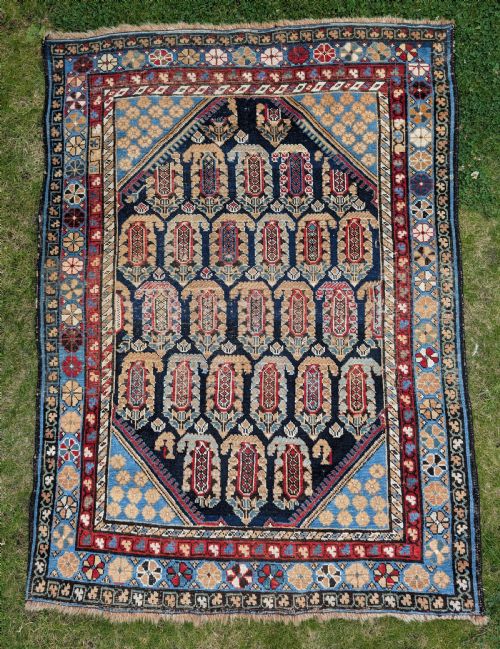
When searching for a caucasian tribal area carpet, collectors look at hand-knotted room floor coverings originating from the Caucasus region. These pieces span from the mid-nineteenth century through the early twentieth century, showing distinct regional patterns.
The most common formats found here include village rugs, prayer rugs, runners, and smaller carpets. Pieces frequently display traditional tribal, Kurdish, and geometric regional motifs.
Geographic attribution covers specific weaving centres such as Kazak, Shirvan, Kuba, Daghestan, and Karabagh. Each origin displays distinct wool handling, palette choices, and structural geometry.
How they were made
Weavers constructed these textiles using hand-spun wool for the pile, foundation warps, and wefts. Artisans utilised natural dyes derived from local plants and minerals to colour the wool.
The traditional hand-knotting technique secures the pile firmly to the cotton or wool foundation. Regional workshops employed specific knot densities and structural weaves to achieve durability.
Materials recorded across these pieces consist entirely of wool, cotton, hand-spun wool, and natural dyes.
What varies in quality
Quality rests upon the purity and lustre of the hand-spun wool and the saturation of the natural dyes. Superior examples exhibit vibrant colour harmony that deepens gracefully with age.
Precision in the execution of geometric motifs and structural symmetry distinguishes finer village work. The handling of traditional regional designs dictates the overall artistic merit.
The Caucasian Tribal Area Carpet Glossary
- Kazak
- A designated style of antique rug originating from the southwestern Caucasus, known for bold geometric medallions and primary saturated colours.
- Prayer rug
- A small format textile featuring a distinctive architectural niche or mihrab design at one end, traditionally used for personal devotion.
- Natural dyes
- Colourants sourced from plants, roots, and insects rather than synthetic chemicals, creating nuanced variations across the wool pile.
- Kelleh
- A large format carpet format, traditionally longer and narrower than standard room-sized carpets, originating from regional weaving centres.
- Medallion
- A central ornamental design motif placed in the field of the carpet, often taking geometric or cruciform shapes.
Caucasian Tribal Area Carpet: Frequently Asked Questions
How do I identify a Kazak rug?
Look for bold, large-scale geometric patterns, primary saturated colours like red and blue, and a thick wool pile.
These pieces typically originate from the western Caucasus and display distinctive cruciform or star motifs.
How should I care for antique wool carpets?
Protect the textile by placing it in low-traffic areas and using a breathable underlay beneath the foundation.
Vacuum gently without using a rotating brush roll, and seek professional specialist cleaning when required.
Are natural dyes easy to spot?
Natural dyes display subtle tonal variations known as abrash, where the colour shifts gently across the wool pile.
This occurs because small batches of hand-spun yarn absorb plant and insect extracts unevenly during dyeing.