

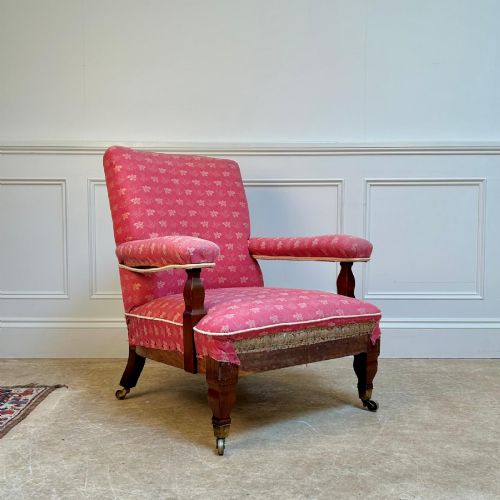
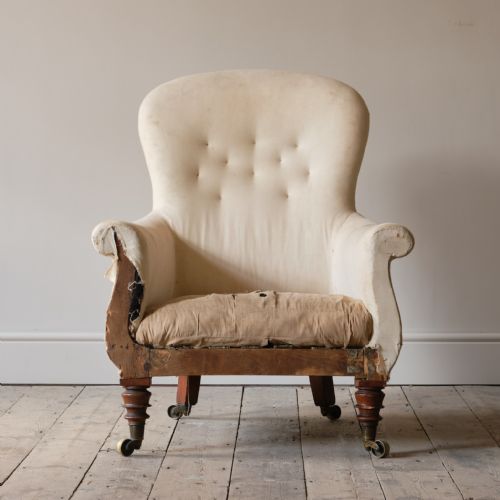
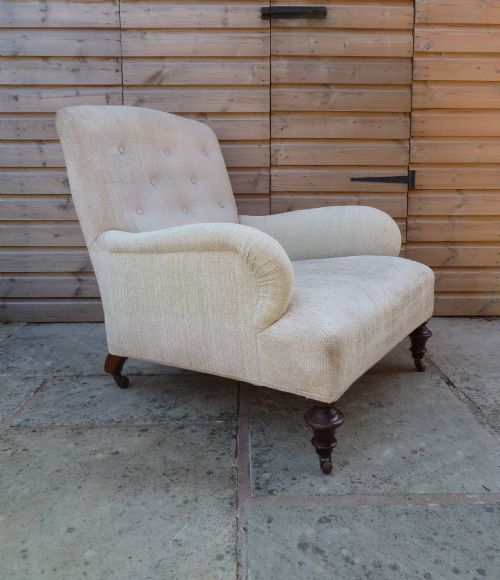
Castor Leg Armchair
When you select a castor leg armchair, you acquire a seat built for comfort, portability and everyday lounging.
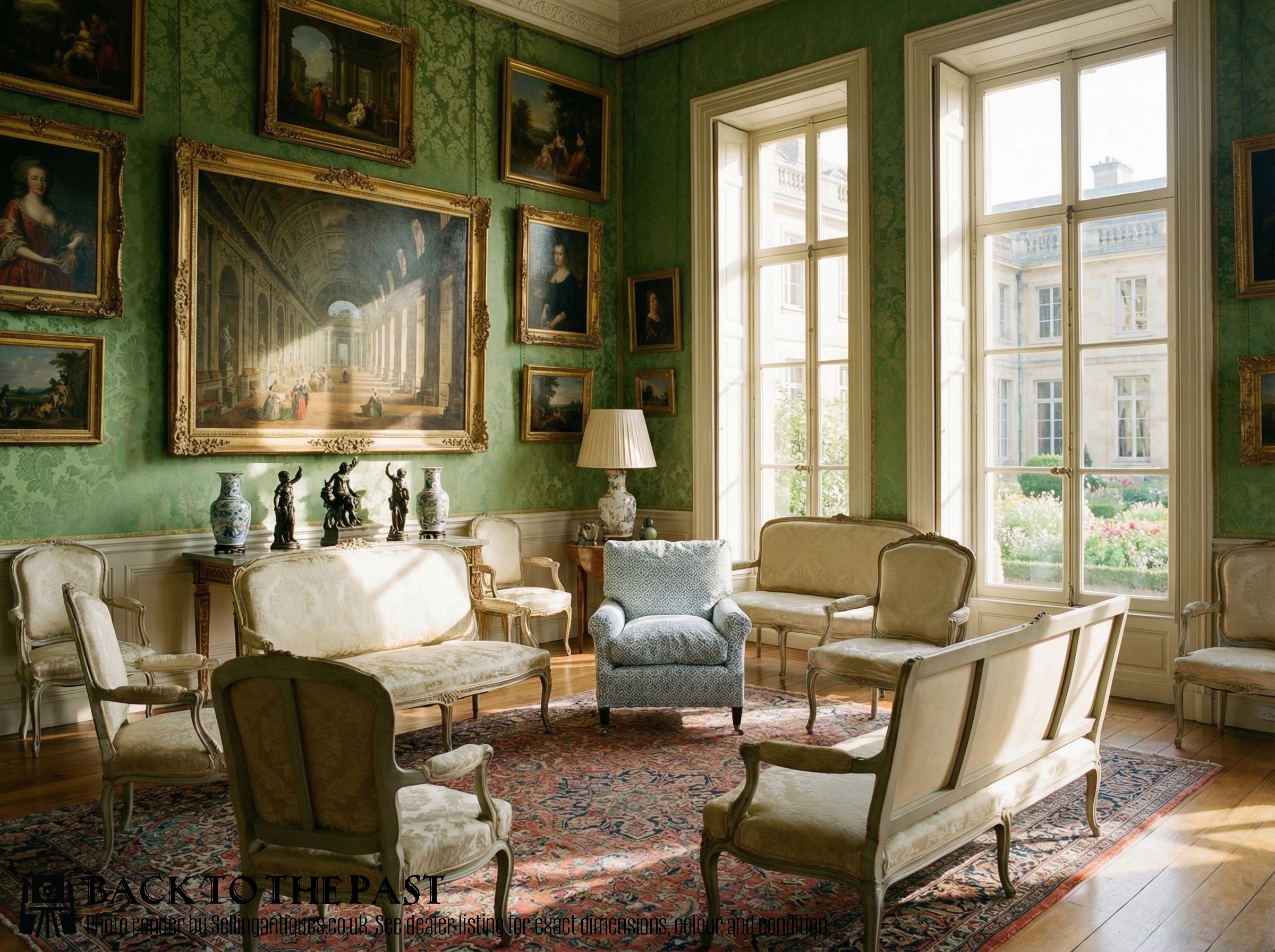
Castor Leg Armchair
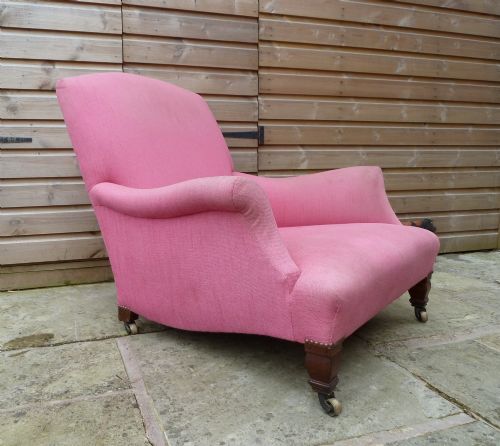
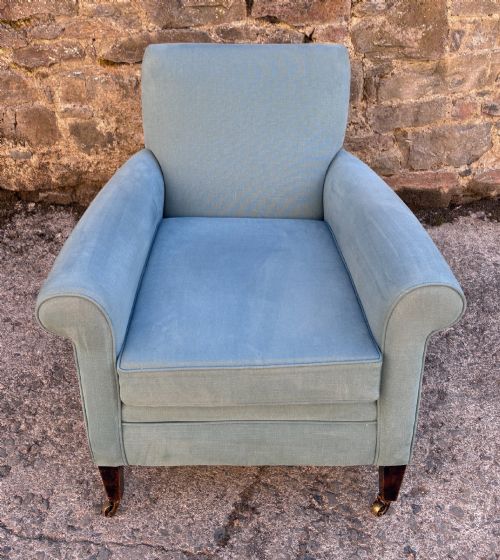
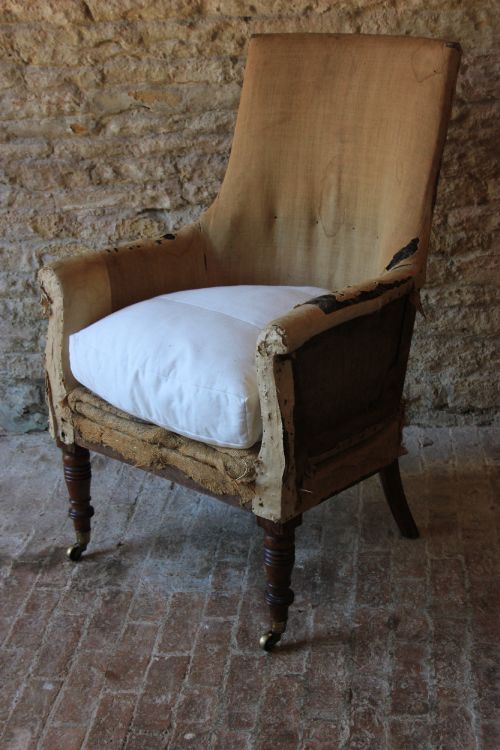
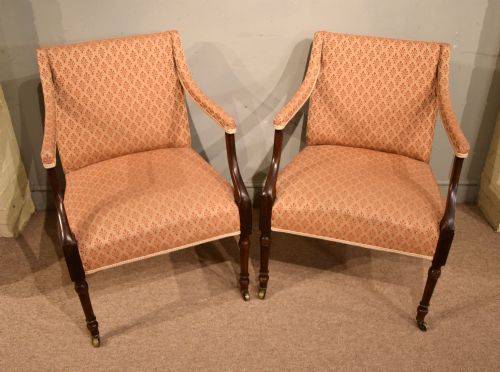
A castor leg armchair brings together deep seats and sturdy timber frames mounted on small wheel mechanisms for ease of movement. Buyers hunting for a castor leg armchair typically encounter Victorian, Edwardian and Regency examples designed for libraries, studies and country house drawing rooms.
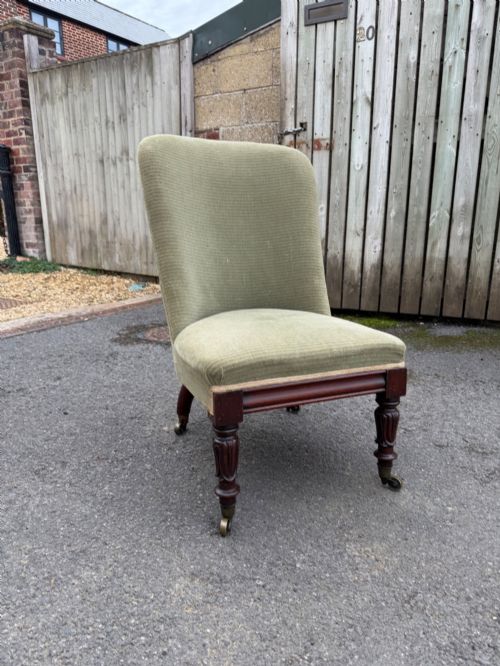
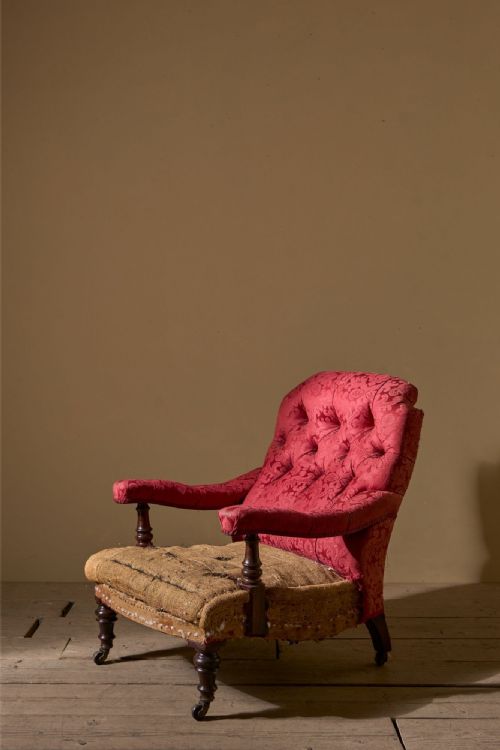
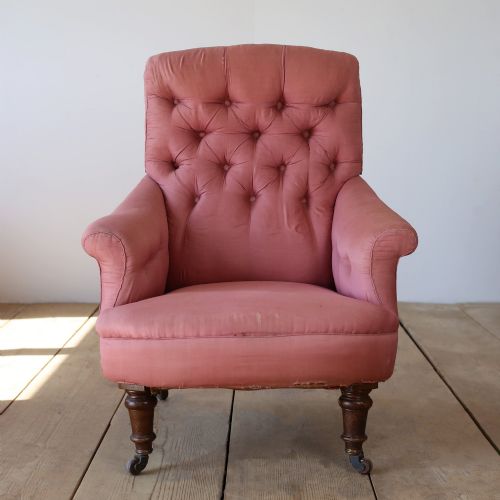
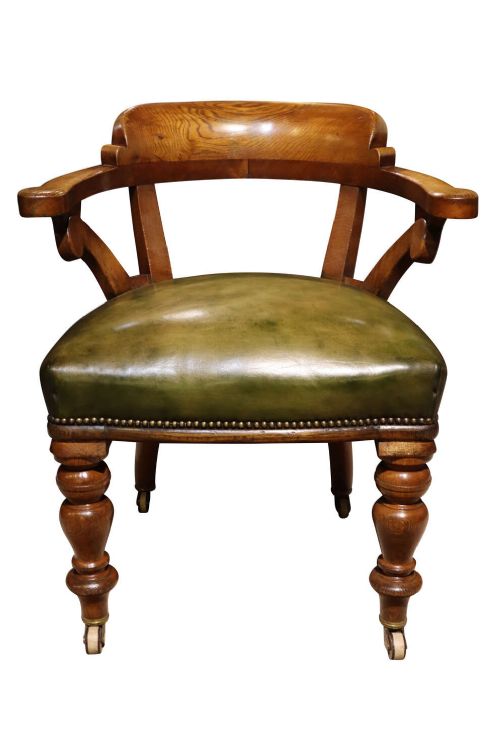
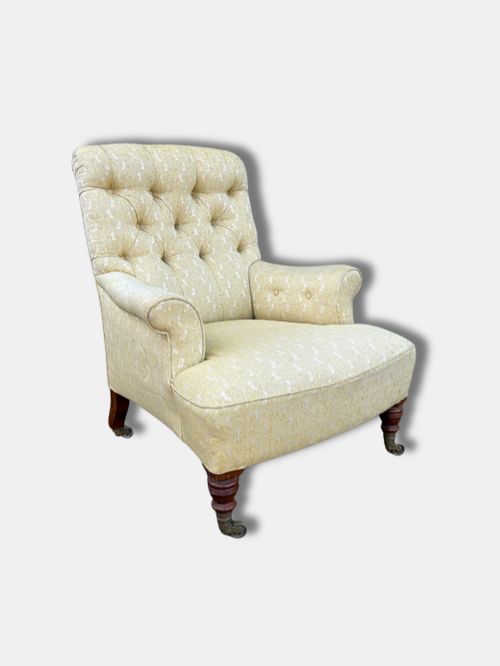
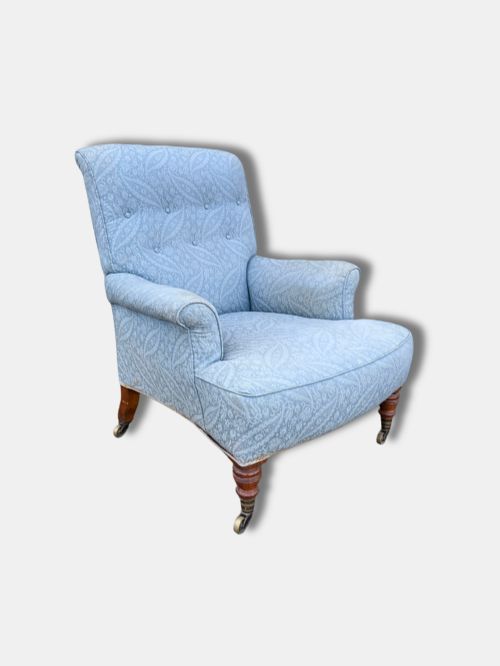
The selection ranges from library chairs and nursing chairs to slipper chairs, desk chairs and open armchairs. You will find button back styles, deep seated lounge pieces and framed showwood designs.
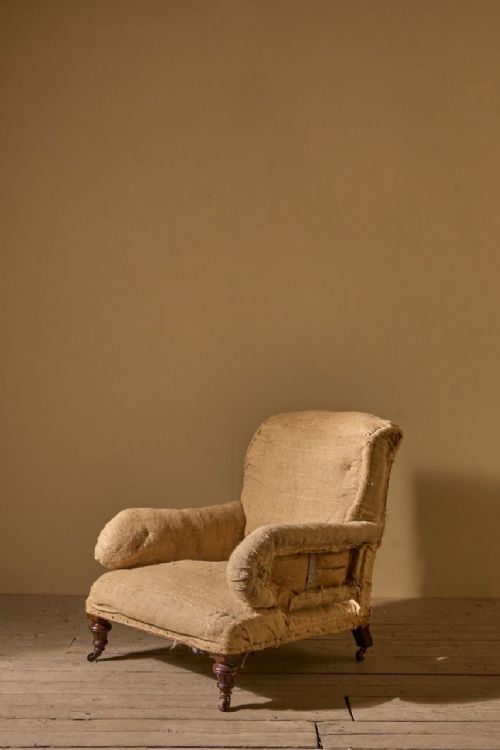
Origins stretch across the nineteenth century through the Edwardian era into the nineteen-thirties. Pieces appear in mahogany, golden oak and walnut, upholstered in leather, velvet, calico, hessian and fabric.
Materials and Construction
Framing relies upon dense hardwoods such as mahogany, walnut and golden oak, providing a rigid structural core for heavy upholstery. Turnip or turned wooden forelegs anchor brass castors designed to protect floor coverings during repositioning.
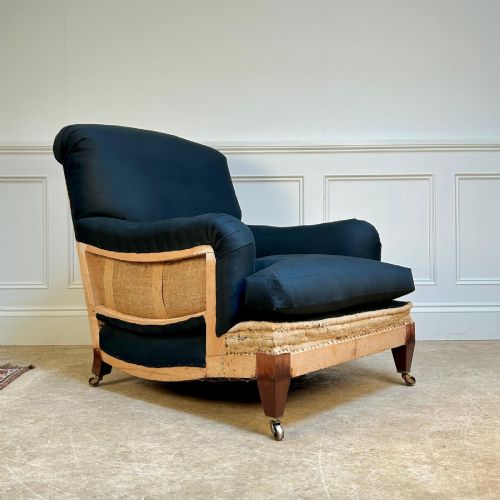
Upholstery layers span traditional horsehair stuffing, down-filled sacks, button backing and coil springing beneath top covers of leather, velvet or woven fabric. Hessian and calico often serve as foundational linings beneath outer textiles.
Some nineteenth-century chairs arrived with matching footstools designed to transform the seat into an impromptu daytime bed.
Markers of Quality
Quality rests upon the integrity of the underlying timber frame and the precision of the joinery rather than surface appearance alone. Superior pieces exhibit crisp hand-carving on mahogany or oak showwood, balanced proportions and original brass castor mechanisms that move smoothly.
The sophistication of the internal springing and stuffing dictates comfort and longevity. Master workshops employed dense webbing, resilient down fillings and hand-stitched edges that retain their shape through decades of heavy use.
Howard and Sons·George Jack For Morris and Co·Gillows·Morison and Co·Holland and Sons·Hampton and Sons·William Birch
The Castor Leg Armchair Glossary
- Castor
- A small wheel mounted on a swivel attached to the bottom of a chair leg to allow smooth movement across floors.
- Bergère
- An enclosed upholstered armchair with exposed wooden framing and cane or upholstered sides. This form gained popularity during the Regency and Victorian periods.
- Library Chair
- A sturdy, deep-seated armchair designed for reading rooms, frequently constructed from mahogany or oak with leather upholstery.
- Showwood
- Timber framing left visible around the upholstered padding of a chair. It highlights the grain and carving quality of the wood.
- Button Back
- An upholstery technique where depressions are created in the backrest using tightly pulled buttons. This secures the internal padding and creates a distinctive geometric pattern.
Castor Leg Armchair: Frequently Asked Questions
How do I date a castor leg armchair?
Dating relies on combining the timber species, leg turning style and upholstery techniques. Earlier nineteenth-century examples often feature heavy mahogany frames and hand-turned supports, while Edwardian pieces lean toward lighter woods and looser down cushions.
Maker stamps, brass castor patent marks and secondary woods inside the frame also provide precise chronological clues. Comparing the joinery against documented workshop periods narrows down the decade of manufacture.
Were these chairs meant for formal rooms?
These seating designs served various domestic spaces ranging from formal libraries to relaxed country house drawing rooms. Deep-seated variants prioritized lounging and reading comfort over strict upright posture.
Library and desk chairs offered mobility for working environments, whereas button-backed fireside chairs catered to warmth and prolonged sitting in private quarters.
How do I care for leather upholstery?
Leather surfaces require regular dusting with a dry cloth followed by occasional treatment with appropriate leather balms to prevent drying and cracking. Keeping the hide away from direct heat sources preserves its suppleness.
Original leather, such as red morocco, benefits from gentle cleaning that respects historical patina. Avoid harsh chemical detergents which strip natural oils from the material.
Can I use these chairs in modern rooms?
Their classic proportions and diverse upholstery options allow them to blend easily into contemporary living spaces. A deep-seated lounge chair pairs naturally with minimalist decor as a statement reading seat.
Mobility provided by the castors makes repositioning straightforward within daily layouts. Neutral fabrics or bold plaids adapt older frames to modern colour schemes.