


Antique Green Arm Chair
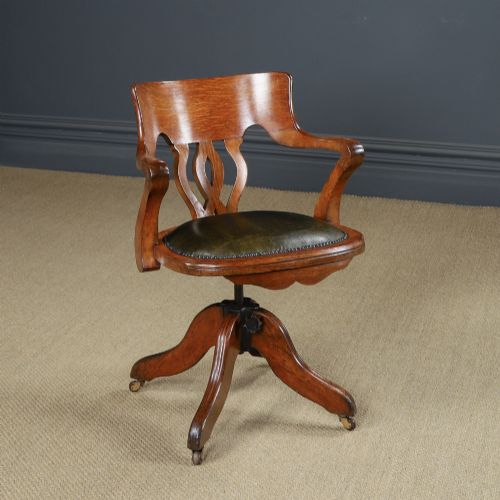
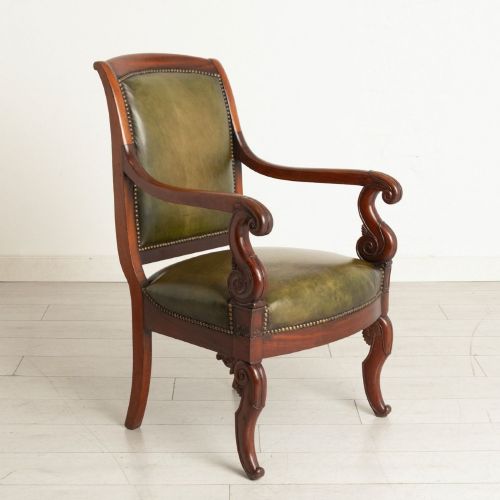
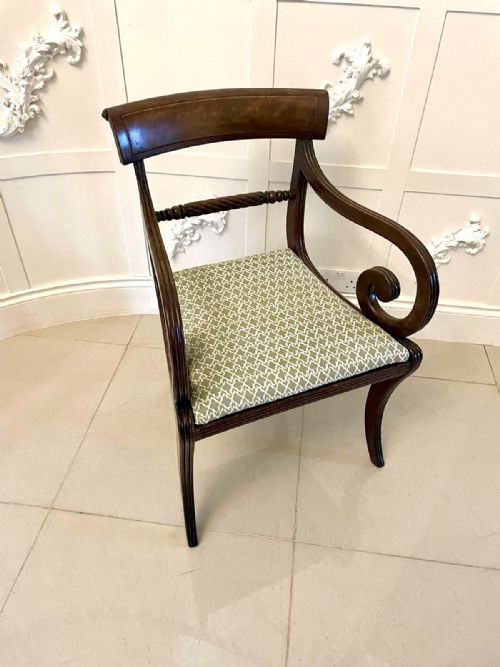
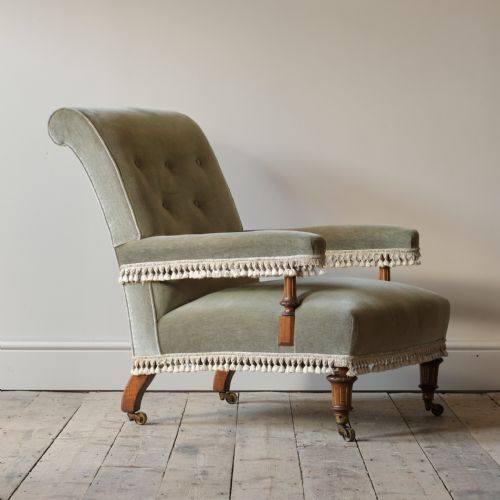
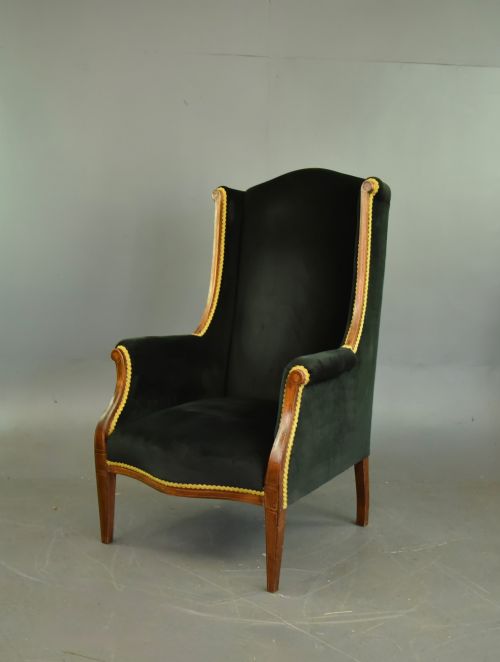
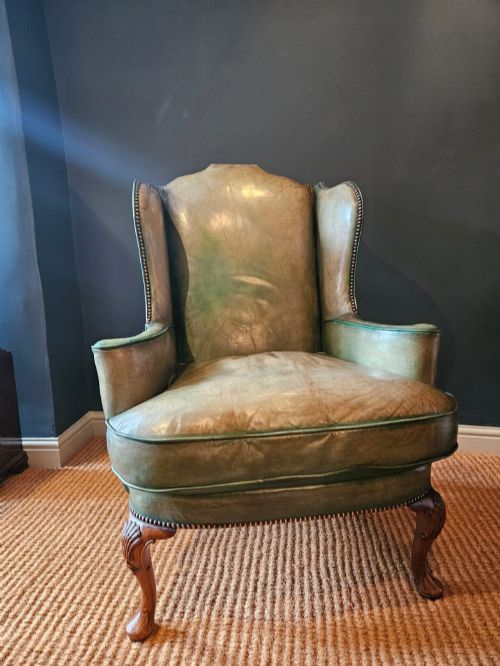
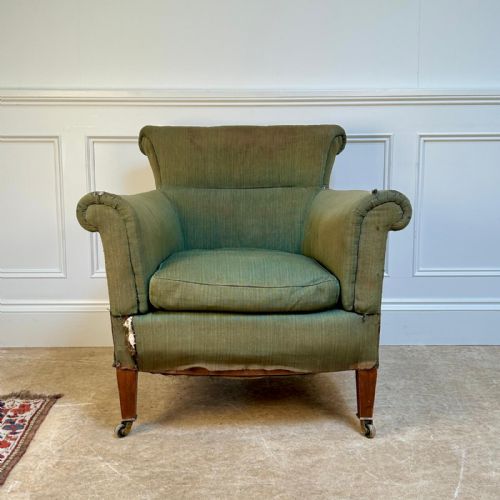
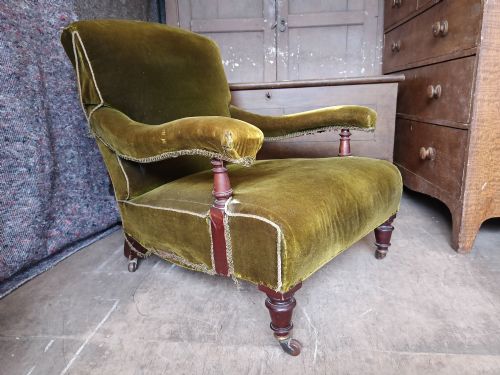
An antique green arm chair brings rich colour and traditional seating craft into a room, whether through a leather-topped revolving office desk chair or a velvet-upholstered library seat.
Antique Green Arm Chair
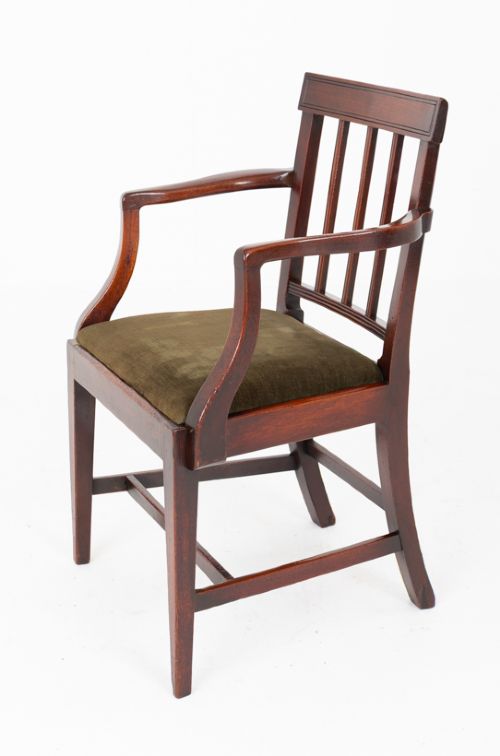
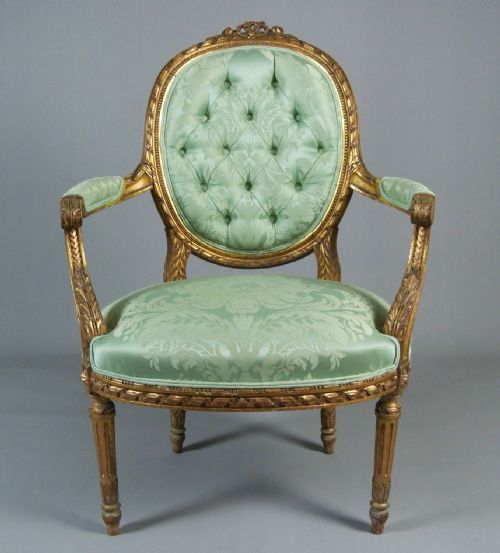
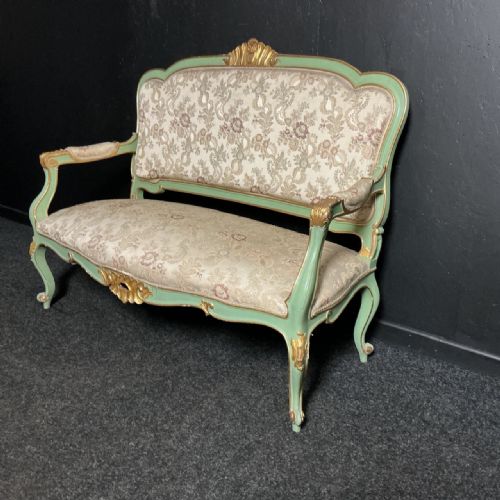
When searching for an antique green arm chair, buyers encounter a diverse selection spanning the eighteenth, nineteenth, and early twentieth centuries. The assortment includes library armchairs, revolving office desk chairs, and deep-sprung button-back parlor seats.
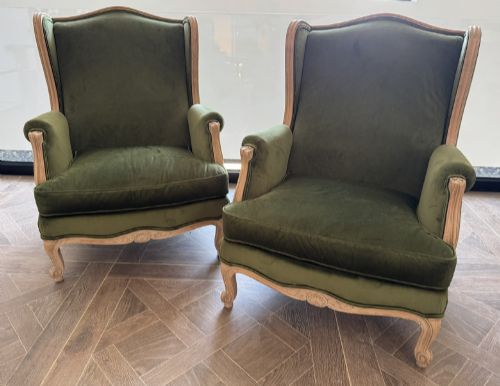
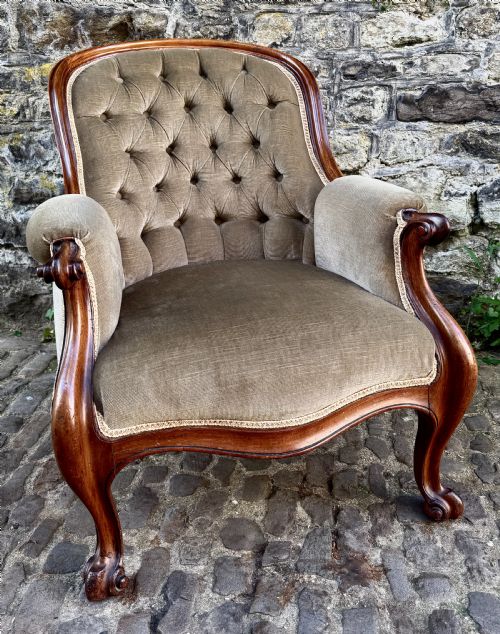
The dominant forms on this page pair robust wooden frames with green leather or textile upholstery. Pieces range from formal Regency library chairs and George III wingbacks to Edwardian oak swivel chairs and Victorian gentleman's seats.
Origins stretch across English country houses, formal drawing rooms, and administrative offices. The overarching characteristic linking these seating options is the presence of supporting arms combined with green hide, velvet, or fabric.
Distinguishing Quality
The tier of a piece depends heavily on the integrity of its wooden frame and the depth of carving. Master carvers delivered crisp acanthus leaves, reeded legs, and well-proportioned scroll arms that outshine simpler workshop production.
Material selection dictates longevity and tactile appeal, separating standard commercial office seating from elite drawing-room furniture. Original hide with patination or premium silk velvet holds greater distinction than later replacement textiles.
Oak, mahogany, walnut, and beech form the primary timber types across these chair frames.
Thomas Chippendale·Gillows·Hampton and Sons·Bell Barn Furniture
The Antique Green Arm Chair Glossary
- Bergère
- An enclosed upholstered armchair with wooden framing and cane or upholstered sides. It originated in France and gained popularity during the Regency period.
- Carver
- A dining chair featuring arms, traditionally placed at the head of a dining table. They frequently match a larger set of simpler side chairs.
- Wingback
- An armchair featuring side panels designed to shield the occupant from drafts. Early examples often rest on cabriole legs.
- Revolving
- A swivel mechanism attached to the base of an office or desk chair. Edwardian and Victorian models frequently paired this function with green leather upholstery.
- Scroll Arm
- An armchair arm shaped into a curved, volute profile resembling a scroll. This detail appears frequently on Victorian and Regency library seating.
Antique Green Arm Chair: Frequently Asked Questions
How do I date an office desk chair?
Examine the timber, joinery methods, and the complexity of the swivel mechanism beneath the seat. Early twentieth-century versions often incorporate oak with heavy iron screw posts, while Victorian models tend to use mahogany.
Look for manufacturer stamps or brass plates attached to the underside of the wooden base. These marks often point to specific cabinet makers or regional workshops active during the Edwardian era.
Where should I place a library chair?
These low-slung, supportive seats suit studies, reading corners, and home libraries where prolonged sitting occurs. Their proportions also allow them to sit comfortably beside a fireplace.
Ensure adequate clearance around the arms and legs to showcase the carved mahogany or walnut woodwork. Pairing them with a low reading lamp enhances both function and visual balance.
What defines a George III armchair?
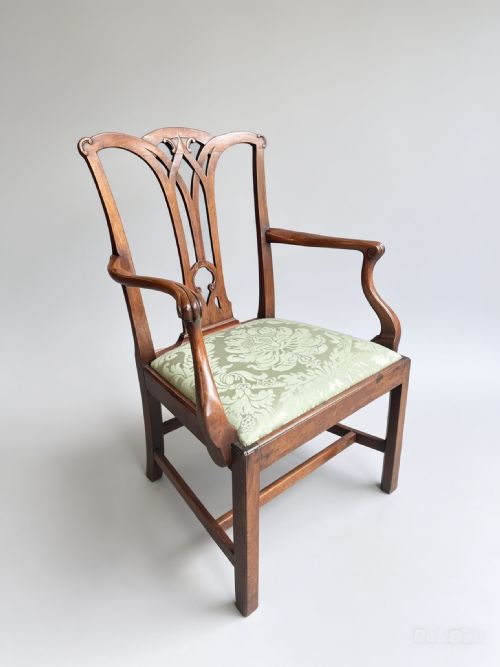
These pieces date from the late eighteenth century and exhibit neoclassical influences such as straight tapered legs or carved cabriole supports. Mahogany and walnut served as the primary framing timbers.
Upholstery often includes brass tack detailing and heavy horsehair stuffing beneath the outer fabric. The overall silhouette prioritizes structural restraint alongside refined proportion.