

Walnut Easy Chair
A walnut easy chair provides deep comfort through generous upholstery and supportive timber framing, spanning periods from the eighteenth century to Art Deco designs.
Walnut Easy Chair
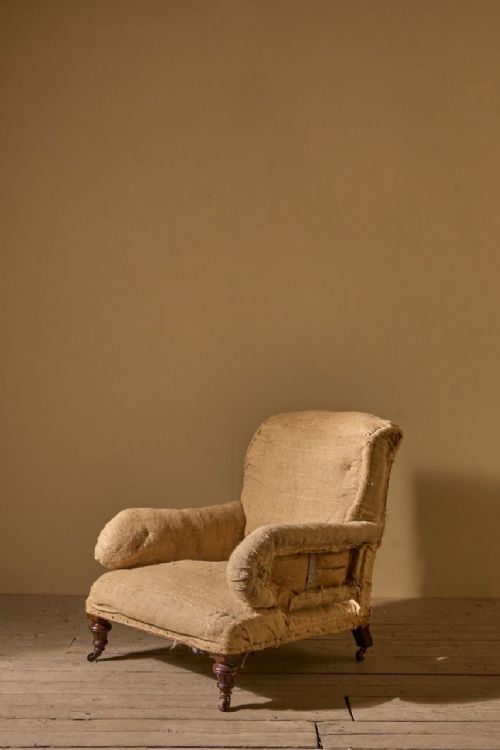
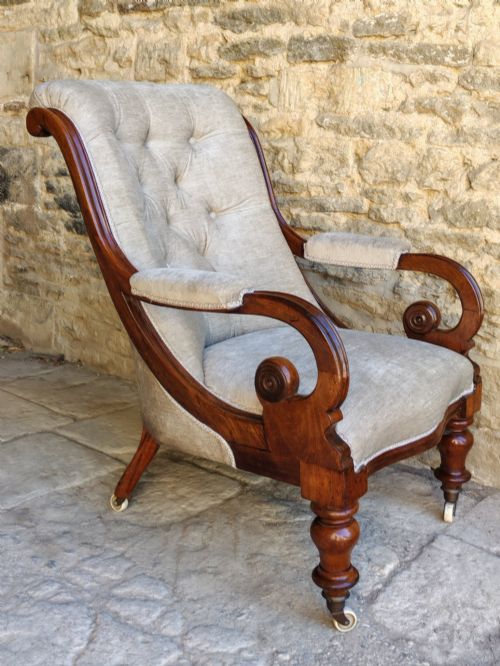
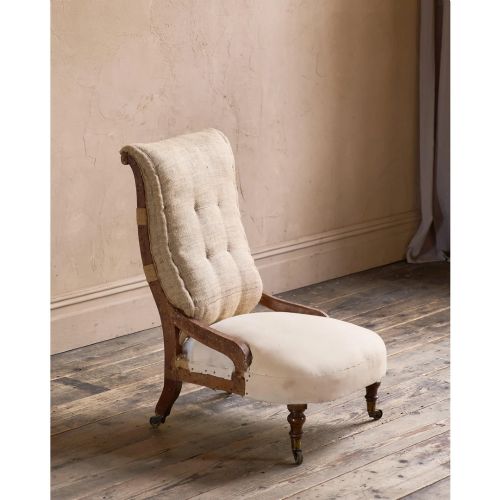
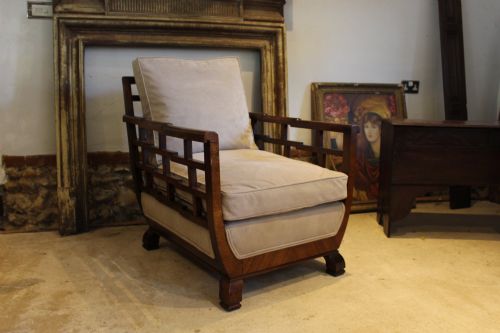
A walnut easy chair is a comfortable upholstered seat supported by timber framing, commonly found in Victorian, Edwardian, and Art Deco designs across these listings. These pieces combine substantial padding with exposed wood to create a functional seat for reading, lounging, or general reception use.
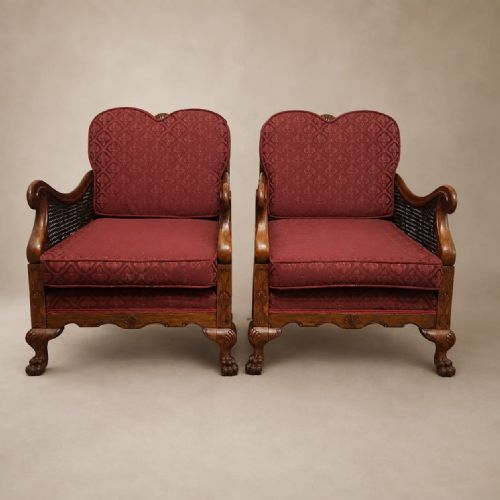
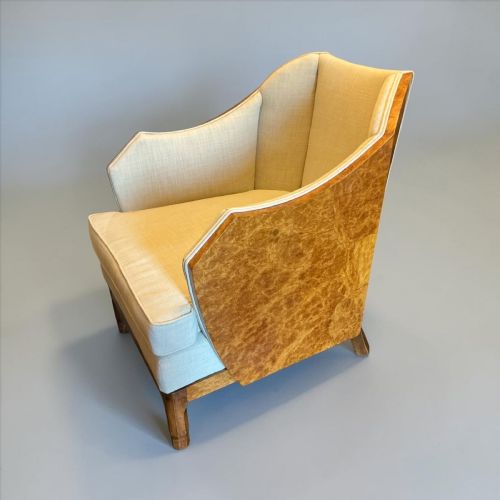
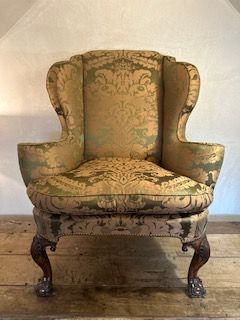
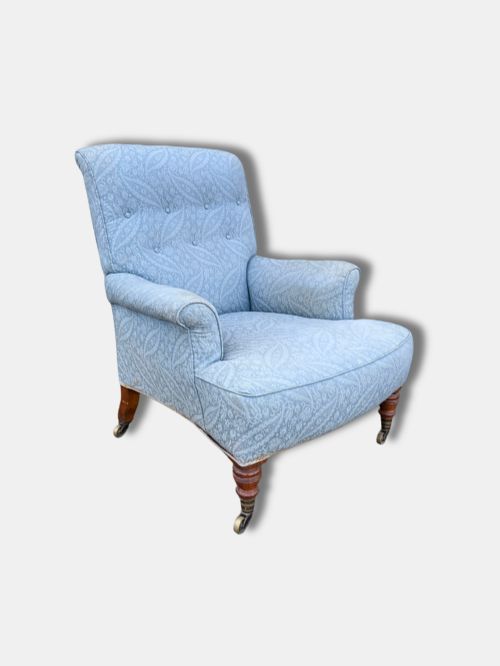
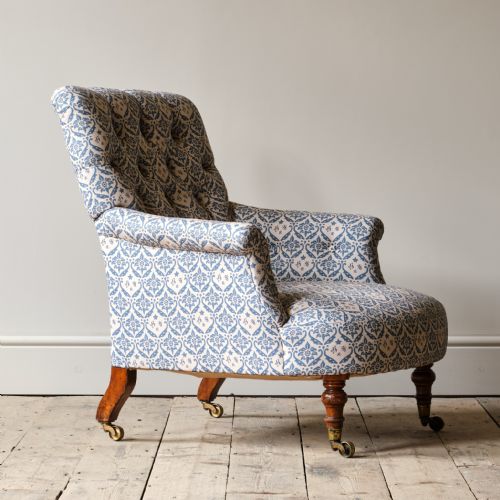
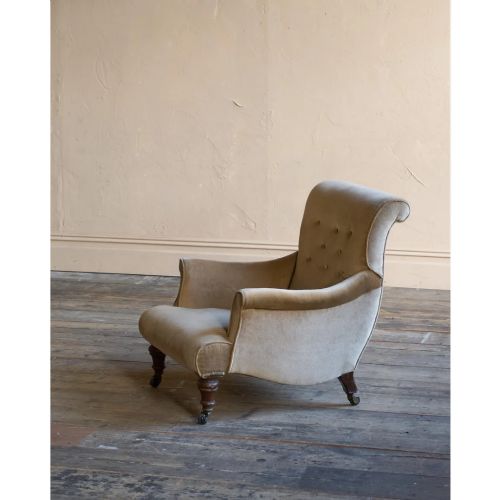
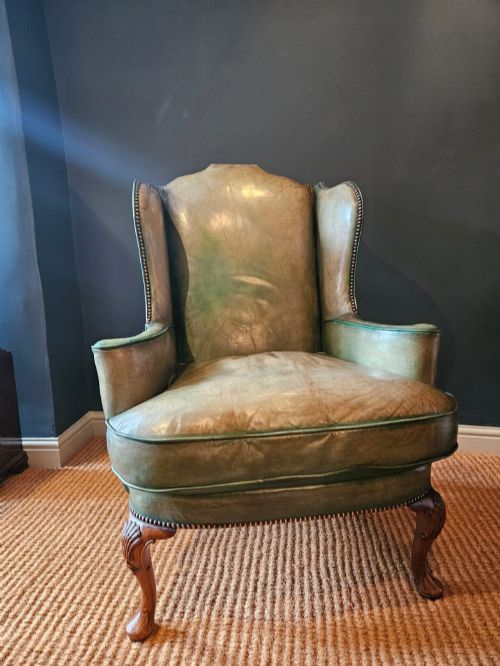
The selections range from nineteenth-century button-backed library chairs and wingbacks to twentieth-century club chairs and cane-backed bergere models. Victorian examples often feature carved frames and low profiles, while Art Deco interpretations introduce streamlined walnut surrounds paired with leather or suede upholstery.
How they were made
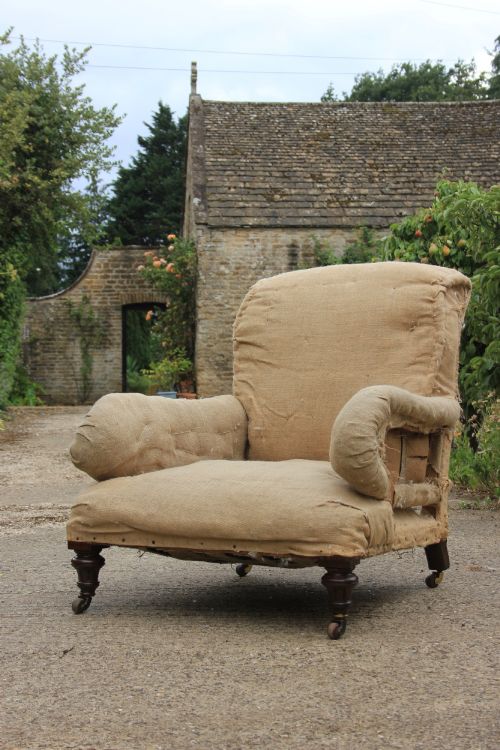
Makers constructed the primary frames of these armchairs using solid walnut, selected for its grain pattern and structural strength, often shaped with cabriole legs or carved arm supports. Internal support relied on traditional webbing, horsehair stuffing, and coil springs, layered beneath textile covers.
Outer surfaces utilised various textiles recorded in the archive, including cotton, velvet, calico, hessian, linen, and leather, frequently secured with brass tacks. Cane work appeared on specific period models, particularly for back panels, providing lighter visual weight to the timber frame.
Walnut Easy Chair Retail Price Guide 2026
Typical asking prices for walnut easy chair among the pieces listed under this phrase on Sellingantiques today, from the lower quarter to the upper quarter. They describe what is for sale here now, not the wider market.
Several armchairs carry traces of historical country house life, having spent decades in libraries and reading rooms before reaching the marketplace.
What varies in quality
The standard of a walnut easy chair rests on the crispness of timber carving, the proportion of the frame, and the integrity of the internal stuffing. Superior examples demonstrate expert joinery in the walnut chassis and retain firm, supportive underlying upholstery rather than sagging padding.
Distinction also lies in the execution of specific revival styles, where pieces attributed to established workshops like Howard and Sons exhibit more refined proportions and material choices than standard commercial alternatives of the same period.
Howard and Sons·SF Cullen·Gillows
The Walnut Easy Chair Glossary
- Bergere
- An enclosed upholstered armchair with wooden framing, often featuring cane work on the back or sides. This style originated in France and remains popular in twentieth-century iterations.
- Wingback
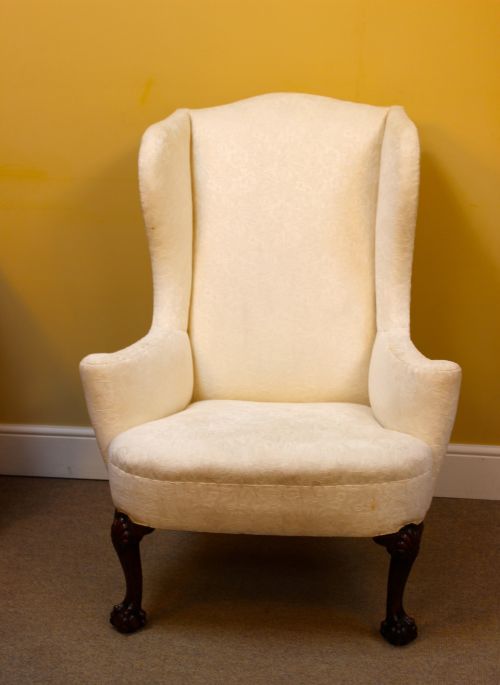
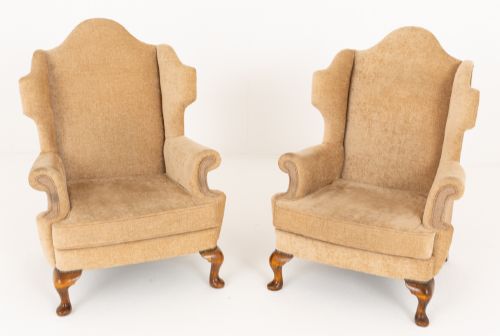
- An armchair with high back and flanking side panels designed to shield the sitter from drafts. These forms frequently feature cabriole legs and walnut frames.
- Cabriole
- A furniture leg that curves outward at the knee and tapers inward toward the foot, echoing animal limbs. This shape appears frequently on eighteenth-century and revival pieces.
- Button back
- An upholstery technique where depressions are formed in the padding by pulling tacks or thread through to the frame in a grid. This method secures internal stuffing while adding decorative texture.
- Club chair
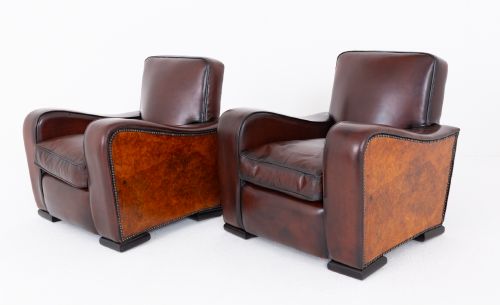
- A deep, heavily upholstered low armchair designed for relaxation. Twentieth-century versions often pair walnut frames with smooth leather or calf suede.
Walnut Easy Chair: Frequently Asked Questions
How do I identify a Victorian walnut easy chair?
Victorian examples typically feature dark walnut frames with carved details, button-backed upholstery, and sturdy proportions suited for parlours and libraries. They often display heavier padding and lower seats compared to earlier eighteenth-century forms.
You can also examine the secondary timbers and upholstery webbing underneath for age indicators, alongside characteristic Victorian revival design motifs such as spoon backs or carved cabriole legs.
What is the difference between a wingback and a club chair?
A wingback chair incorporates protective side panels attached to the high back to block draughts, traditionally standing on exposed legs. These designs often reference Georgian or Victorian styles.
In contrast, a club chair emphasises deep, low seating with thick armrests and minimal exposed timber, particularly evident in twentieth-century Art Deco interpretations.
Are Art Deco walnut easy chairs comfortable?
Art Deco models provide generous padding and deep seats designed for lounging. They frequently use smooth materials like leather, calf suede, or heavy textiles over internal sprung frames.
The sturdy walnut frames support substantial cushioning, making them functional as lounge or occasional chairs in modern living spaces.
How should I care for antique walnut frames?
Maintain the timber by keeping walnut frames away from direct sunlight and heat sources to prevent the wood from drying out. Dust regularly with a dry cloth and apply appropriate furniture wax sparingly.
Inspect the joints periodically to ensure the frame remains stable, and protect any exposed cane work from excessive moisture.