




Edwardian Style Wingback
Edwardian style wingback armchairs bring deep-seated comfort and traditional form to a room.
Edwardian Style Wingback
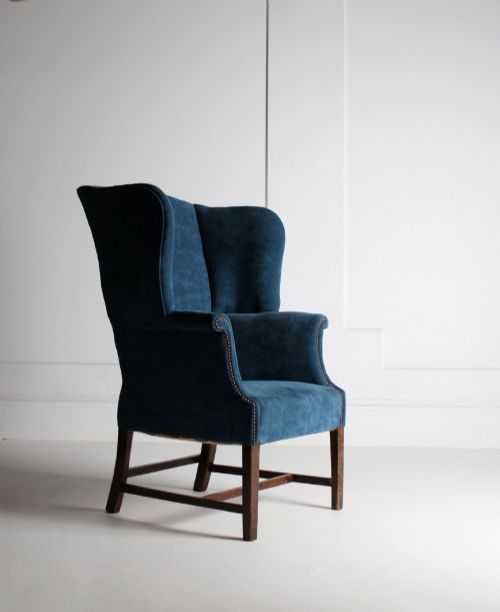
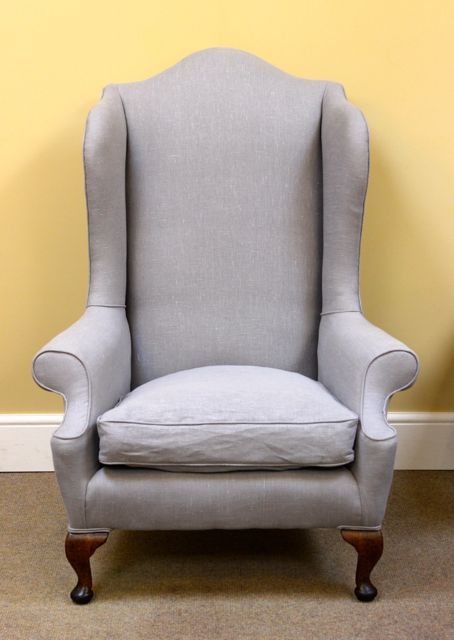
An Edwardian style wingback armchair provides a high back and protective side panels designed originally to shield the sitter from draughts. The pieces seen here draw on earlier Georgian and Queen Anne traditions, reinterpreting classic silhouettes for early twentieth-century interiors.
Buyers will encounter various interpretations on this page, ranging from country house armchairs to bergère styles and heavy leather porters chairs. These seating options combine generous proportions with upholstered wings and scroll arms.
Origins stretch across the nineteenth and twentieth centuries, incorporating revivalist movements such as Georgian Revival and Arts & Crafts. This mix demonstrates the enduring appeal of the high-backed upholstered chair across different decades.
Materials and construction
Mahogany and timber provide the structural frames for these armchairs, supporting the heavy upholstered bodies. Brass accents occasionally appear on castors or decorative detailing.
Upholstery materials include leather, hide, velvet, and hessian fabrics. Skilled makers used these textiles to cover sprung seats and padded wings, securing the fabric with careful stitching.
Assessing quality
The distinction between standard examples and superior pieces rests on the integrity of the wooden frame and the precision of the upholstery work. Faded leather with natural patination indicates age and sustained use.
Carved wooden details on the legs and arms distinguish finer workshops from simpler production. The heft of the timber and the depth of the springing define the longevity of the armchair.
Sopwith·Gillow
The Edwardian Style Wingback Glossary
- Wingback
- An armchair featuring flanking upholstered panels designed to deflect cold air. These wings extend from the armrests up to the top of the backrest.
- Bergère
- An enclosed armchair with wooden framing and cane or upholstered sides. This French-inspired form offers a lighter visual weight than fully padded designs.
- Porters chair
- A high-backed enclosed seat traditionally used in drafty hallways by attendants. The hooded design traps heat around the occupant.
- Hide
- Untanned or tanned animal skin used for heavy upholstery. This material develops a rich sheen with handling over decades.
- Hessian
- A coarse woven fabric utilised as a base or internal layer in traditional upholstery. It provides a sturdy foundation for stuffing materials.
Edwardian Style Wingback: Frequently Asked Questions
What is an Edwardian style wingback?
An Edwardian style wingback is a high-backed upholstered armchair featuring protective side panels designed to block drafts. These pieces reflect earlier historical revivals while offering deep-seated comfort.
Such chairs serve as reading seats or fireside furniture, combining traditional framing in mahogany or timber with traditional textile coverings.
How do I identify the period?
Dating relies on examining the timber frame, upholstery materials, and revival style indicators. Pieces range from the nineteenth century through to the early twentieth century.
Subtle changes in leg carving and the choice of leather or fabric help distinguish Edwardian revivals from earlier Georgian or Queen Anne archetypes.
Where were these chairs used?
These armchairs traditionally occupied drawing rooms, libraries, and grand halls where drafts posed a challenge. The high wings kept warmth close to the sitter.
Today they function as statement seating in domestic living spaces, pairing functional history with comfortable daily use.
What materials are common?
Frames typically utilise mahogany or sturdy timber, providing a durable skeletal structure. Upholstery consists of leather, hide, velvet, or hessian.
Brass elements occasionally feature on castors or decorative tacks, completing the traditional construction of these large armchairs.