


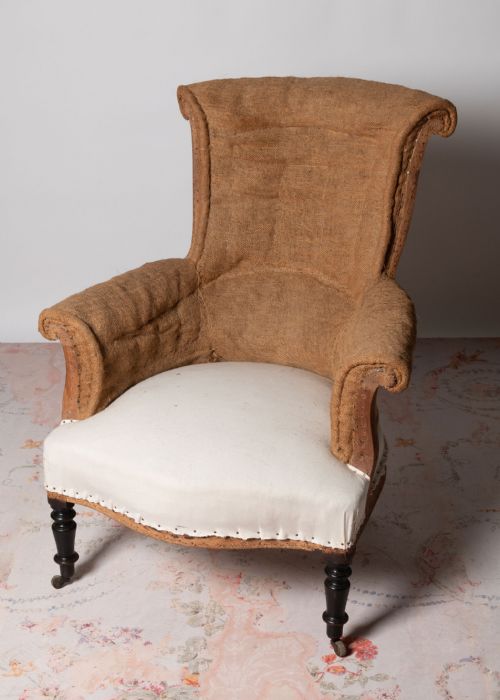
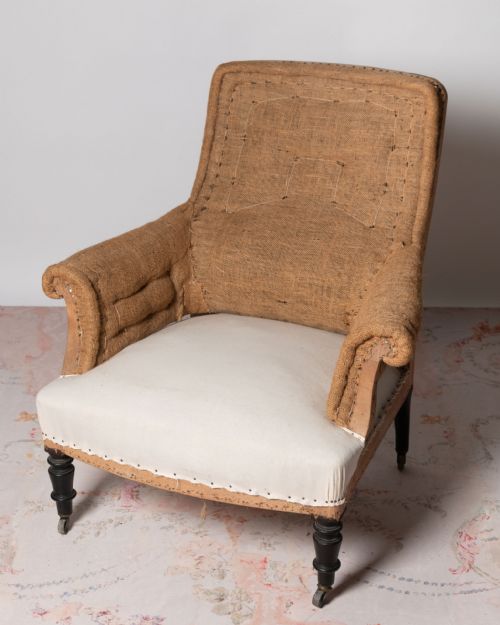
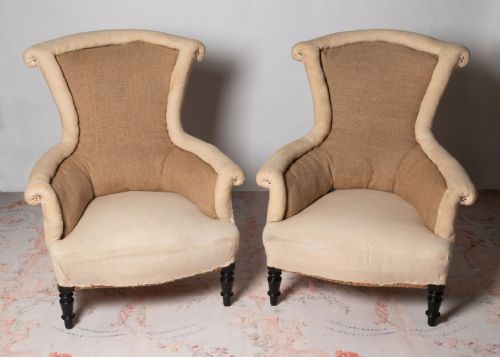
Hessian Armchair
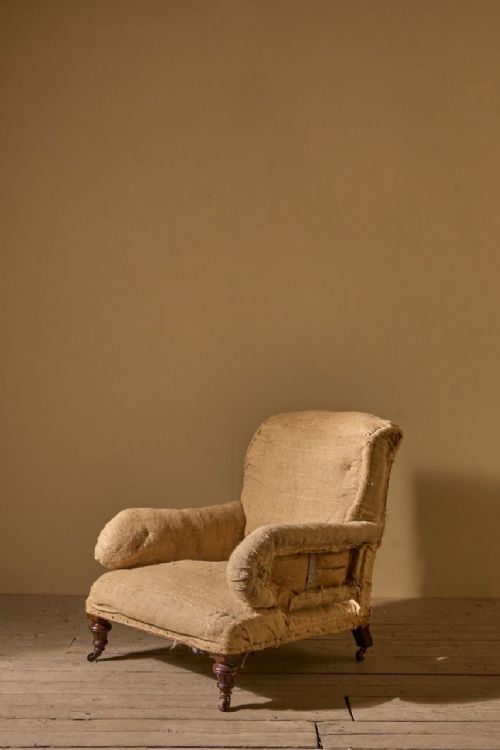
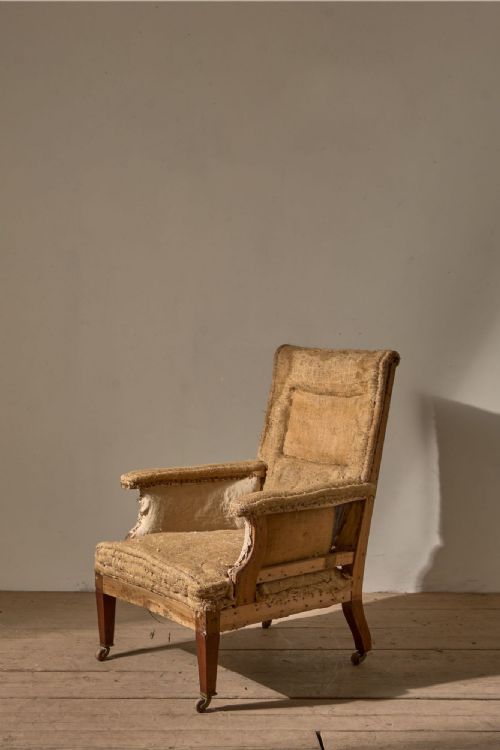
A hessian armchair is a foundational upholstered seat built for comfort, and these pieces bring robust period character to a room.
Hessian Armchair
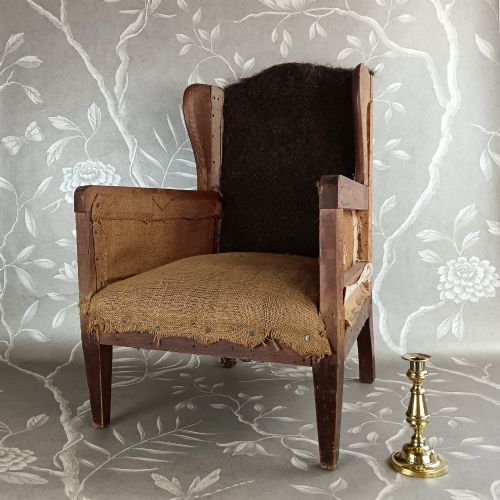
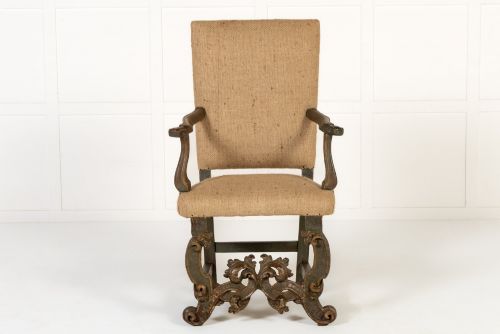
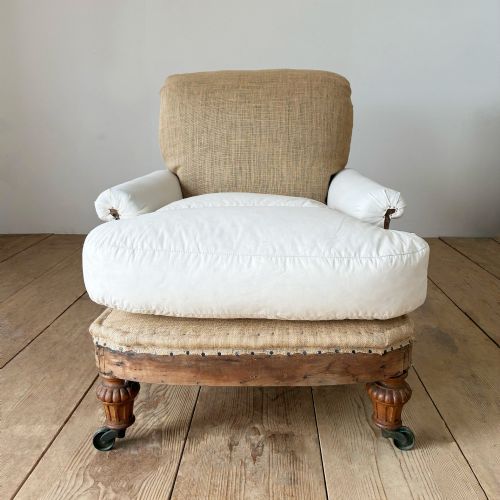
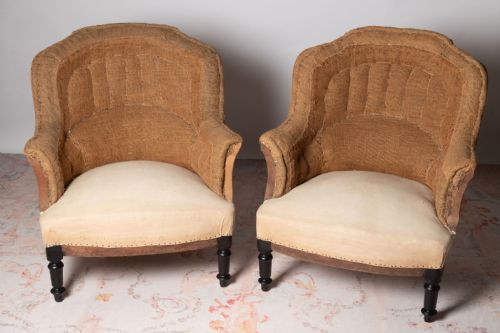
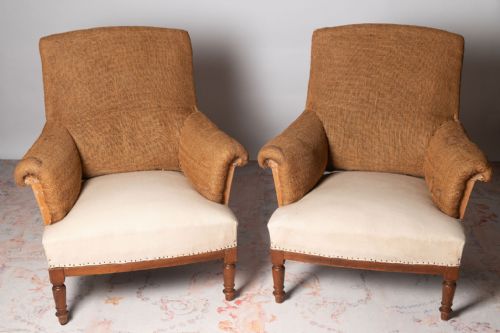
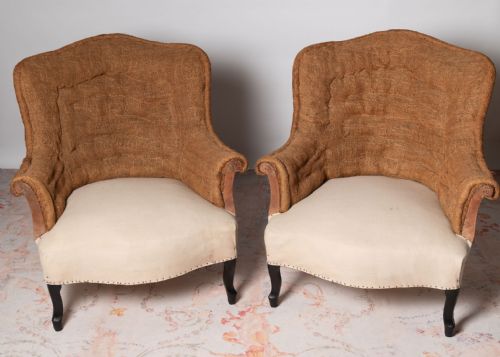
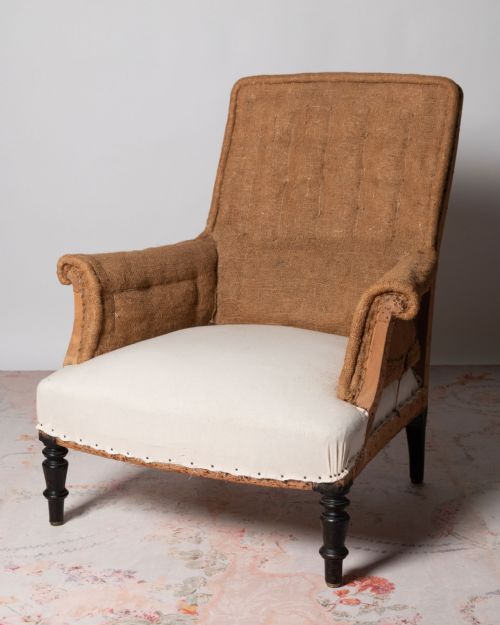
When you search for a hessian armchair, you are looking at substantial seating built across several centuries, from the 17th century through the Edwardian period. The selections here include nineteenth-century armchairs, wingbacks, tub chairs, and pairs of French chairs upholstered or ready for upholstery.
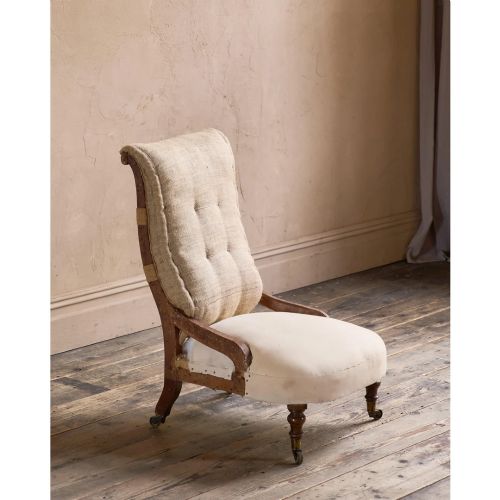
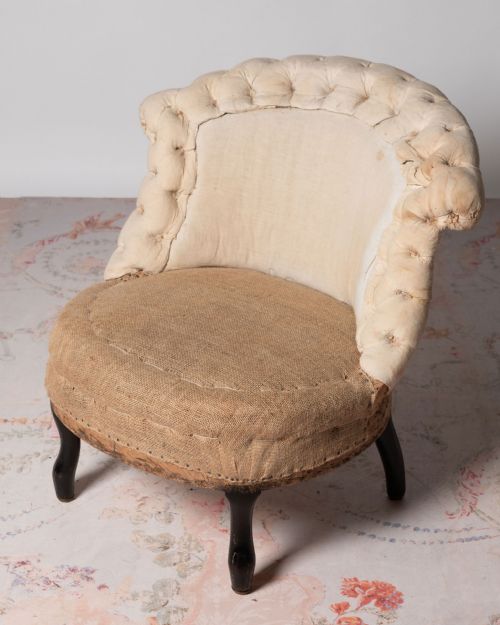
You will frequently encounter nineteenth-century examples and Edwardian pieces, along with French styles such as Napoleon III and Louis XVI. Forms range from deep-seated club armchairs to library chairs and slipper chairs, reflecting diverse domestic uses.
Origins span English workshops and French provincial makers, alongside Italian Baroque and silver gilt armchairs. The common thread is a sturdy wooden frame designed to support heavy fabric coverings.
How they were made
Makers constructed the foundational frames of these chairs using timber, walnut, and mahogany. These durable woods provided the structural integrity needed to support deep cushioning and heavy upholstery fabrics.
Upholstery layers relied on hessian, cotton, and calico to build up the seat and back before finishing. Brass details frequently appeared as tacks and hardware to secure the heavy textiles firmly to the wooden framework.
Hessian Armchair Retail Price Guide 2026
Typical asking prices for hessian armchair among the pieces listed under this phrase on Sellingantiques today, from the lower quarter to the upper quarter. They describe what is for sale here now, not the wider market.
Listings span periods from the 17th century through 1910, featuring walnut, mahogany, brass, and hessian across English and French styles.
What varies in quality
The distinction between standard examples and exceptional pieces rests upon the integrity of the wooden frame and the precision of the joinery. Superior frames retain their original rigidity without structural compromise across the joints.
Proportion and carved detail also define the upper tier of these chairs. Finely shaped arms, balanced wingback profiles, and crisp execution of styles like Italian Baroque or French Provincial separate standard utility seating from masterworks.
Howard and Sons·Robert Strahan Dublin·Gillows·Sopwith
The Hessian Armchair Glossary
- Hessian
- A coarse woven fabric typically made from jute fibres, used historically as the foundational upholstery webbing and covering beneath outer decorative textiles. It provides essential structural support for traditional sprung seats.
- Wingback
- An armchair featuring side panels or wings attached to the arm rests, designed originally to deflect draughts and trap heat from a fireplace. The style persists across 18th-century walnut designs and later variations.
- Fauteuil
- An open-arm armchair originating in France, characterised by upholstered back and armrests with exposed wooden framing. Pairs of these chairs frequently appear in salon settings.
- Tub chair
- A fully upholstered armchair with a rounded back that curves continuously into the arms. Napoleon III examples showcase this comfortable, enclosed form.
- Calico
- A plain-woven unbleached textile used traditionally as an inner lining or base cover beneath top upholstery layers. It holds stuffing securely within traditional seat construction.
Hessian Armchair: Frequently Asked Questions
What is a hessian armchair?
A hessian armchair is a traditional seat built with a visible or covered timber frame, utilising coarse jute fabric as a structural upholstery base. These pieces span multiple centuries and stylistic traditions.
They range from simple library chairs to elaborate wingbacks and French salon seating designed for formal rooms.
How do I style a wingback chair?
Wingback chairs anchor a living space or study when paired with reading lamps and occasional side tables. Their tall backs create a natural focal point in a corner or beside a fireplace.
Allowing sufficient space around the arms and wings lets the historical silhouette remain prominent within modern interiors.
How do I identify a 19th-century armchair?
Nineteenth-century armchairs display characteristic proportions, specific wood choices like mahogany and walnut, and traditional joinery methods. Makers often employed brass tacks and layered calico beneath outer textiles.
Stylistic cues draw from Victorian, Edwardian, and French Napoleon III design vocabularies prevalent during that era.
Were these chairs used for reading?
Many open arm library chairs and deep-seated armchairs were built specifically for long periods of reading and study. Their substantial frames provided necessary physical support in domestic libraries.
Upholstered wings on specific models further aided comfort by blocking ambient room noise and drafts.