
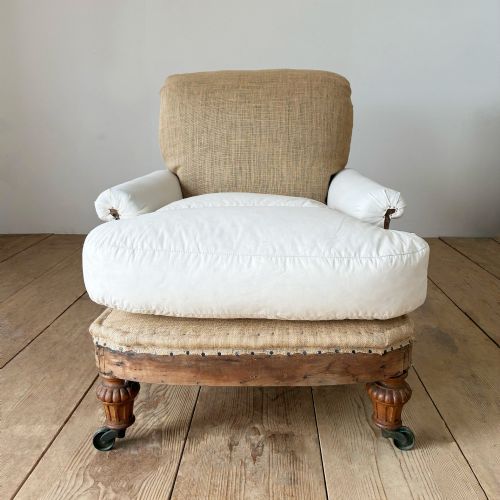
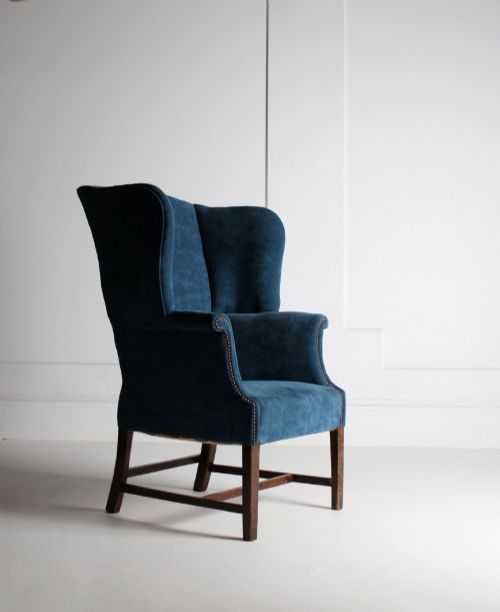


Carved Wood Frame Chair
These carved wood frame chair examples bring solid timber frames and upholstered comfort together, offering timeless seating for any room.
Carved Wood Frame Chair
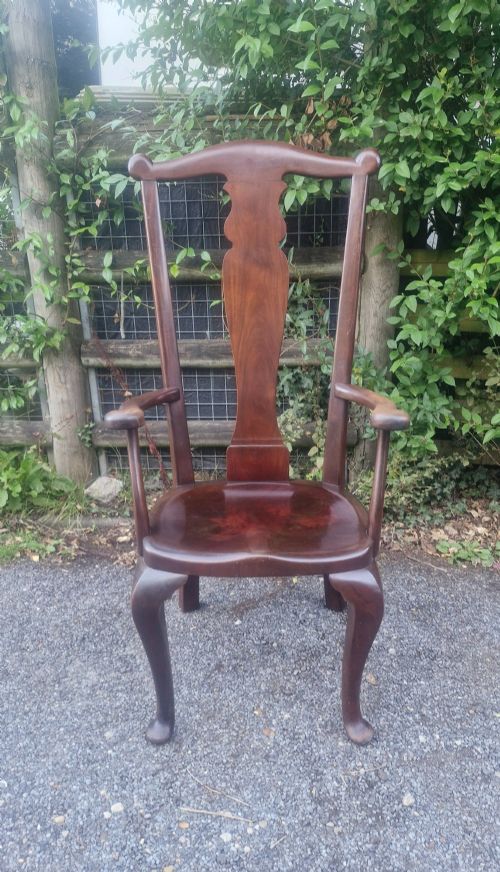
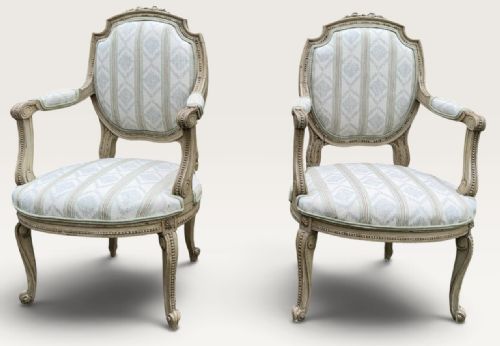
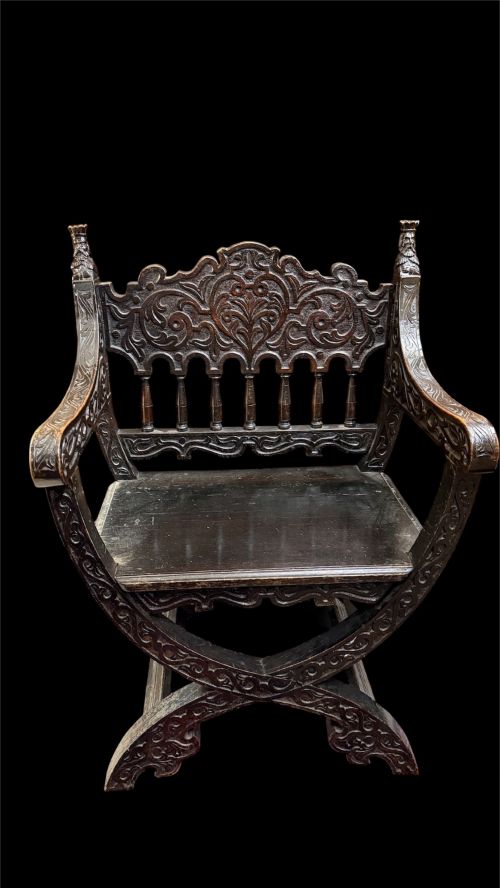
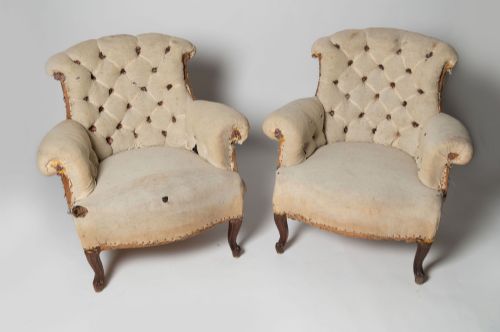
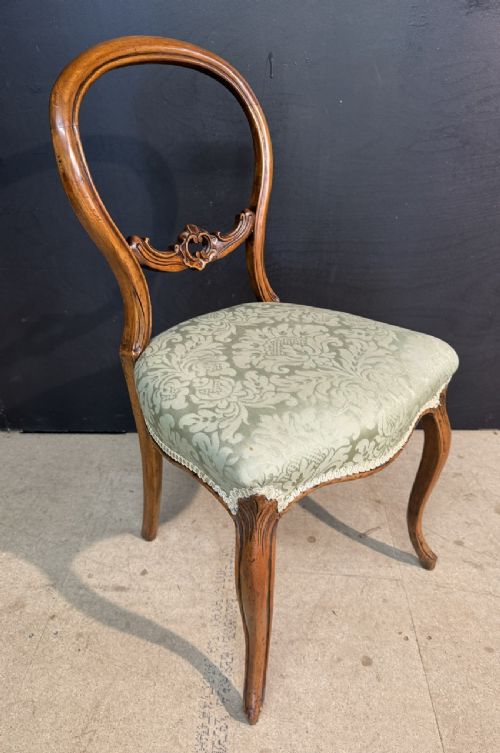
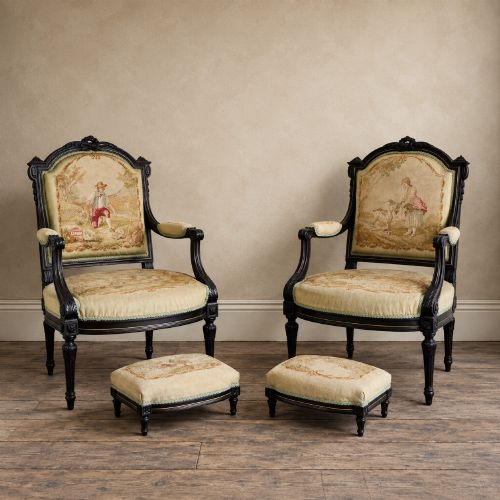
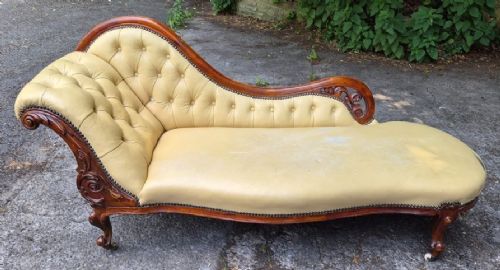
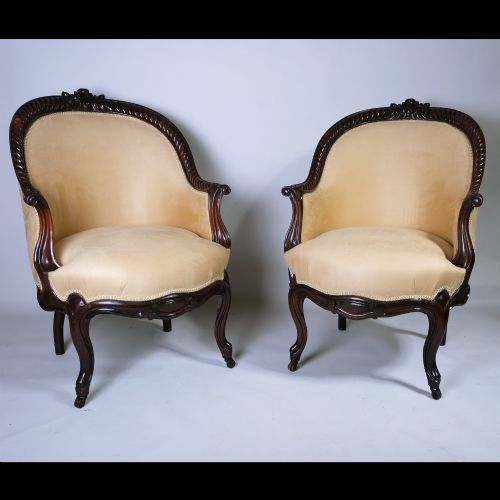
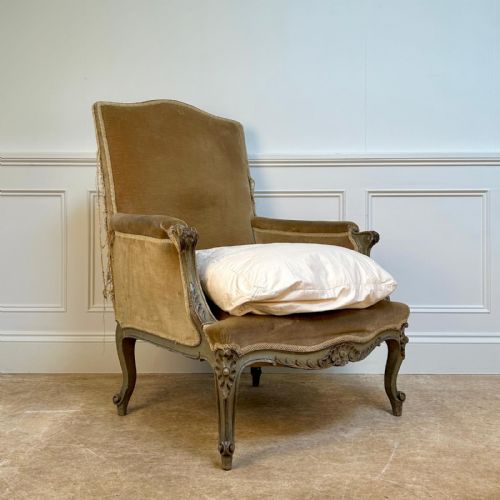
A carved wood frame chair encompasses seating with exposed timber frames, ranging from compact side chairs and slipper chairs to substantial armchairs and chaise longues. You will frequently encounter Victorian and Edwardian examples alongside Continental pieces shaped in Louis XVI Revival and Rococo Revival styles.
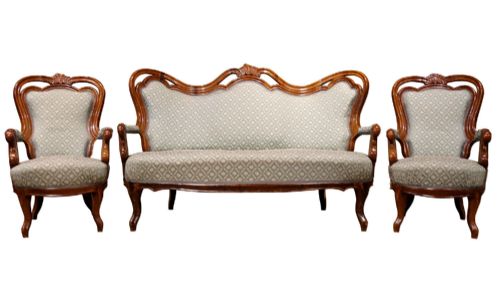
The selection here draws heavily on nineteenth-century craftsmanship, featuring walnut, mahogany, oak, and beech frames paired with varied upholstery including velvet, leather, and fabric. Forms span functional desk armchairs, library buttoned leather seats, and salon suites designed for formal reception rooms.
Materials and construction methods
Cabinet makers utilised dense hardwoods such as walnut, mahogany, oak, and beech to construct resilient frames capable of supporting intricate hand-carved ornamentation. Timber sections were joined using traditional mortise and tenon methods before receiving surface treatments like original paint, ebonising, or gilding.
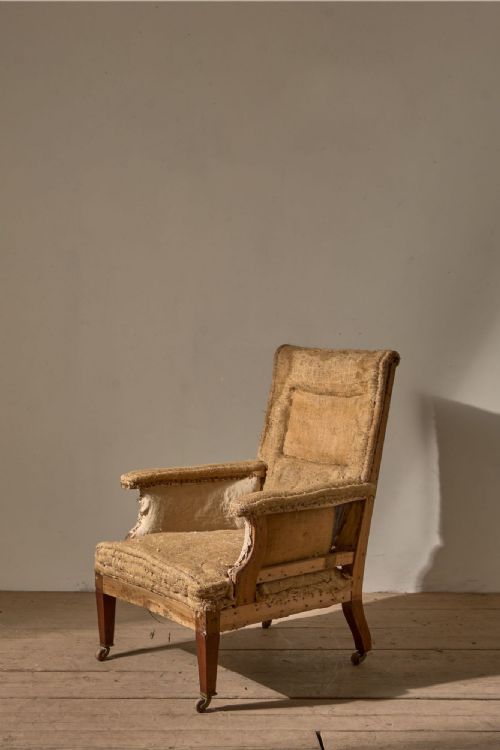
Upholstery techniques varied by period and form, utilising buttoned leather, velvet, or fabric stretched over supportive internal webbing and stuffing. Show-wood frames display the grain and carved details directly, contrasting with fully upholstered pieces where the structural timber remains largely concealed.
Assessing quality in carved frames
Quality rests in the crispness of the hand-carving and the density of the selected timber, with walnut and mahogany yielding sharper detail than softer woods. Superior pieces display harmonious proportions, tight joinery, and well-preserved original finishes such as giltwood, paint, or polished grain.
The sophistication of the stylistic revival - whether Louis XVI, Rococo, or Renaissance - dictates the complexity of the frame architecture. Examples retaining original upholstery materials or bearing maker attribution demonstrate greater desirability among collectors.
Gillows
The Carved Wood Frame Chair Glossary
- Bergere
- An enclosed upholstered armchair with wooden framing and woven cane panels on the back and sides. This French form gained popularity during the eighteenth century and inspired later nineteenth-century revivals.
- Giltwood
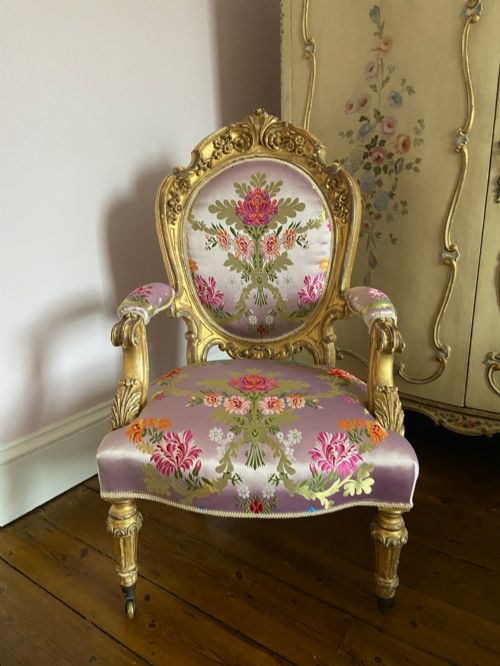
- Timber coated with a thin layer of gold leaf or gilt preparation. It appears frequently on decorative salon chairs and day beds from the nineteenth century.
- Cabriole leg
- A furniture leg that curves outward at the knee and tapers inward toward the foot, mimicking animal limbs. It is a defining feature of many revival seating designs.
- Show-wood
- Exposed timber on an upholstered chair frame that displays the grain, polish, and carved decoration. It allows makers to showcase the quality of the material alongside the upholstery.
Carved Wood Frame Chair: Frequently Asked Questions
What is a carved wood frame chair?
A carved wood frame chair is any seating piece featuring visible, ornamented timber framing around upholstered or open elements. These span armchairs, side chairs, and salon suites.
They reflect historical design revivals spanning the nineteenth and early twentieth centuries, utilising woods like walnut, mahogany, and oak.
How do I identify the period?
Period identification relies on timber selection, carving styles, and upholstery techniques. Victorian pieces often feature heavy walnut or mahogany with deep buttoning.
Earlier nineteenth-century examples lean toward Rococo and Renaissance revivals, while Edwardian pieces often incorporate lighter mahogany or oak frames.
Where were these chairs used?
These chairs served multiple domestic functions, from formal drawing rooms and parlours to libraries and studies. Specific forms like desk chairs and slipper chairs fulfilled dedicated domestic tasks.
Larger items like chaise longues and salon suites furnished principal reception spaces in period homes.
How do I care for the wood?
Preserving the timber frame requires stable indoor humidity away from direct heat sources and sunlight. Gentle dusting maintains the finish without stripping original polish or paint.
Avoid liquid cleaners on antique polished wood or gilt surfaces to protect the original patina.