
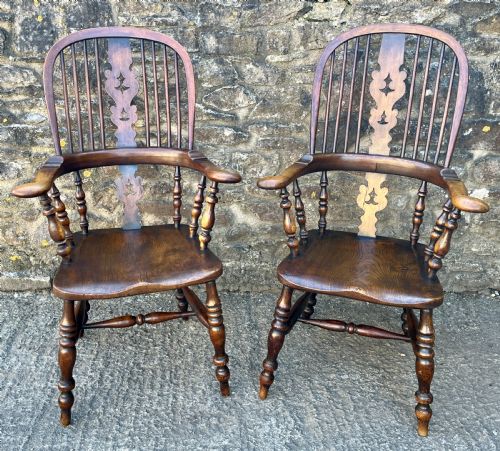


Wooden Leg Fireside Chair
A wooden leg fireside chair offers solid timber construction and comfortable seating by the hearth, drawing on traditional country and Victorian designs.
Wooden Leg Fireside Chair
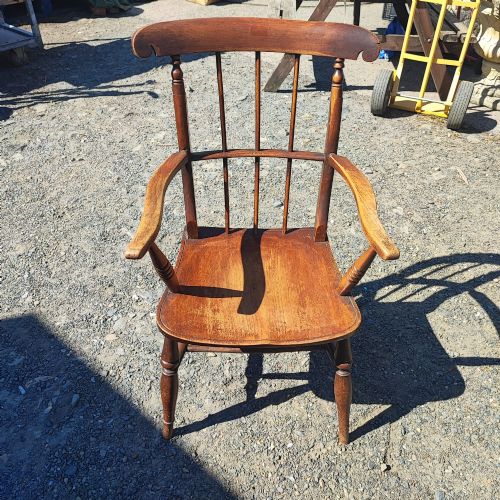
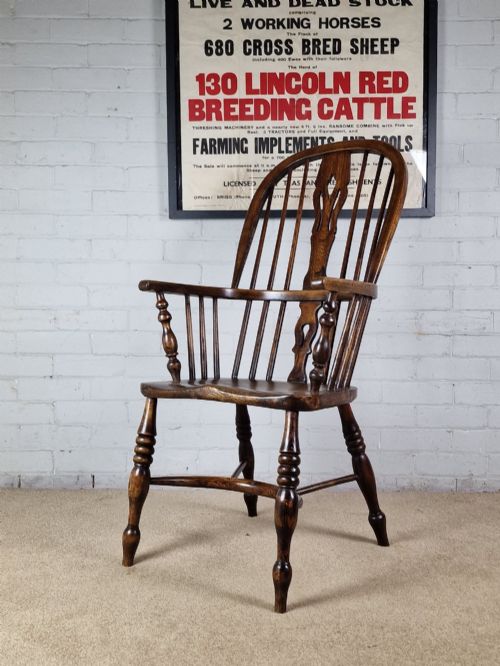
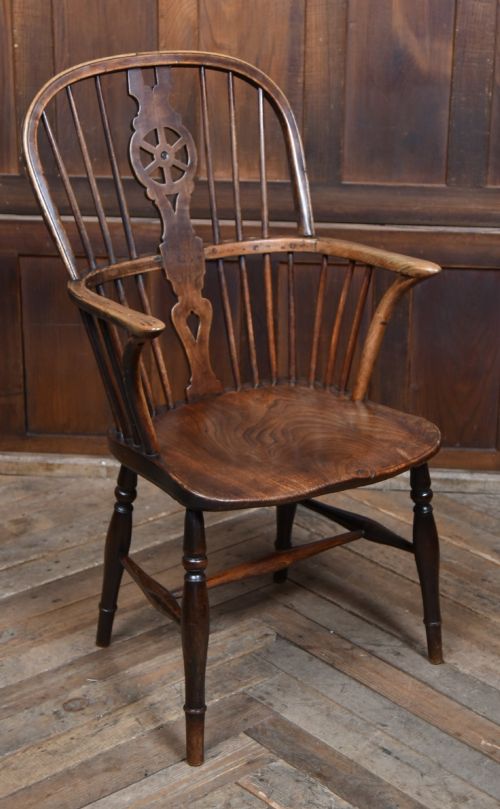
When you search for a wooden leg fireside chair, you encounter a variety of traditional seating options designed for comfort near the hearth. The selection spans the nineteenth century, the Victorian era, and the early twentieth century, taking forms such as armchairs, Windsor chairs, rocking chairs, and nursing chairs.
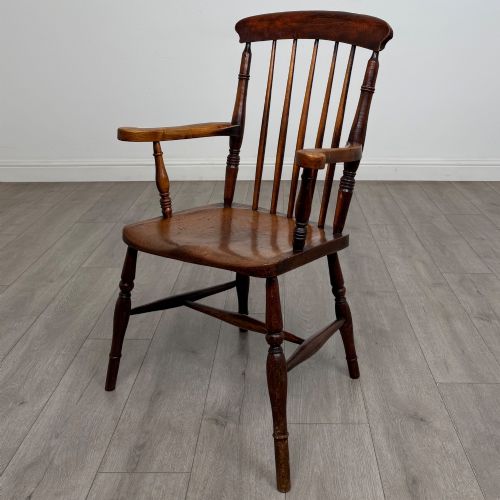
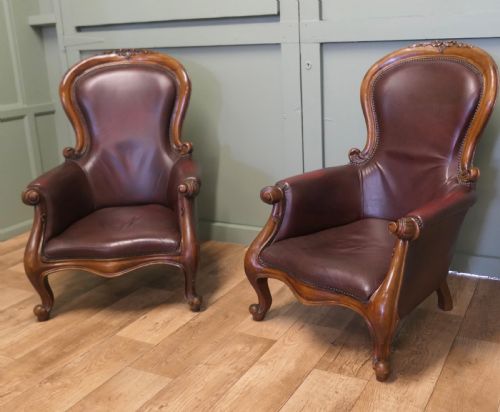
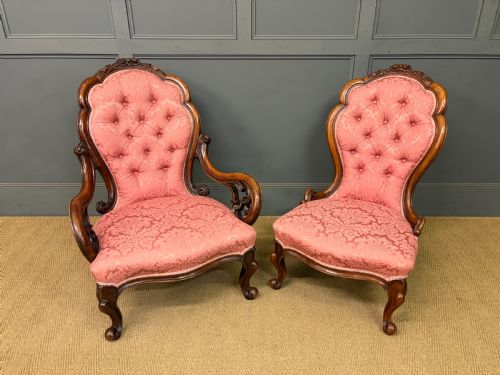
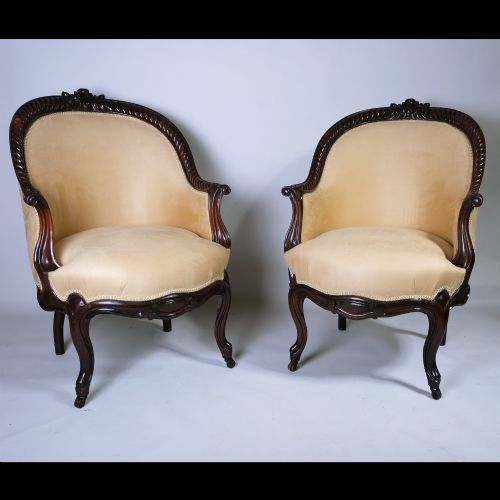
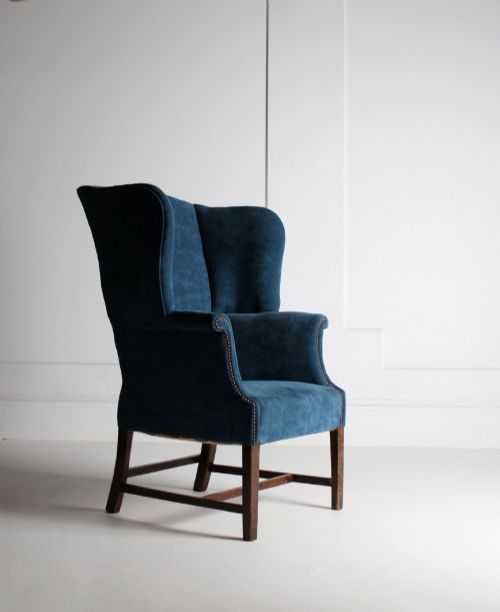
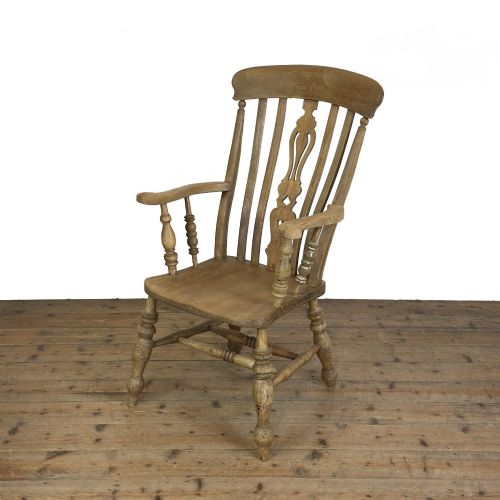
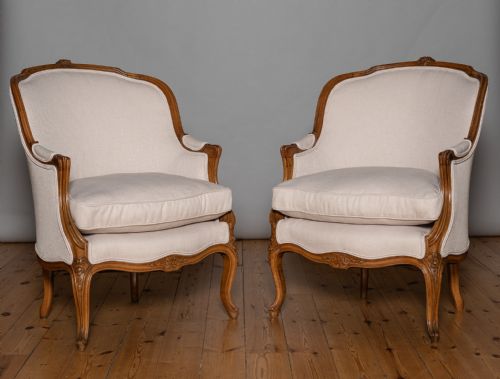
The pieces on this page are most frequently traditional English country vernacular chairs, often featuring sturdy elm seats combined with ash, beech, or oak frames. You also find upholstered Victorian easy chairs, French Louis XV style carved walnut armchairs, and Edwardian country house wingbacks.
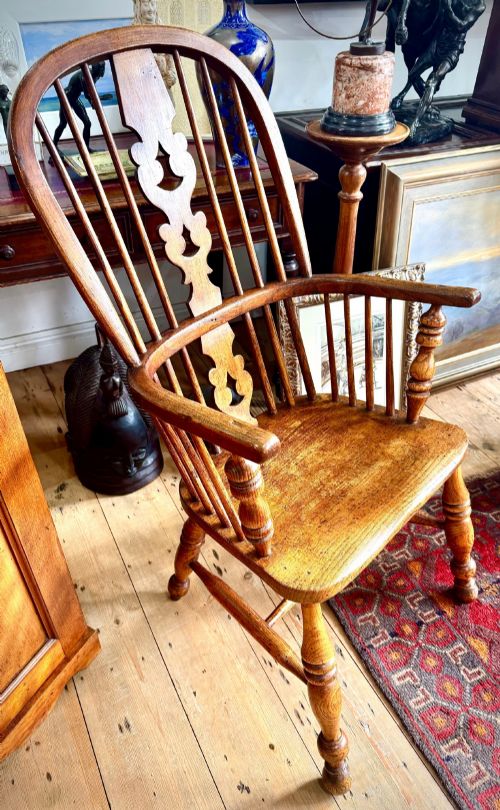
Regional variations appear across these listings, including Lincolnshire and Yorkshire Windsor chairs alongside comb backs, wheel backs, and stick backs. These diverse forms share a common purpose of providing a sturdy, supportive seat for daily use by the fire.
Materials and construction
Maker craft relied on pairing durable native timbers, most notably using solid elm for thick, carved saddle seats that resisted splitting. Frameworks and spindles utilised flexible ash, steamed beech, or sturdy oak, assembled with traditional joinery such as wedged tenons and turned components.
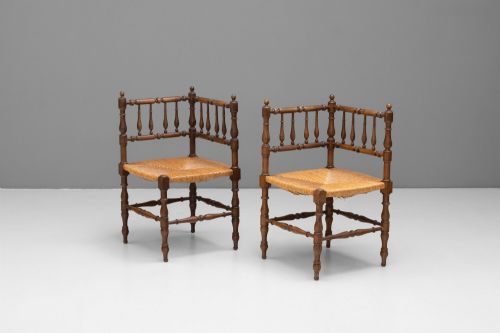
Turnery techniques produced bobbin-turned supports, spindle backs, and shaped armrests using lathes. Upholstered variants integrated leather, tweed, or fabric over sprung frames, while wooden show-wood elements highlighted walnut, mahogany, or goncalo alves.
One Victorian armchair comes upholstered in fabric patterned precisely like a tweed jacket, keeping the fireside sitter perpetually dressed for the outdoors.
Judging quality in country and period seating
Quality rests in the harmony of the timber selection and the integrity of the original construction. A finer Windsor or vernacular armchair exhibits well-matched grain in the elm seat, crisply turned spindles, and tight joints that have endured generations of use without excessive re-pegging.
Fred Walker·Howard And Sons·Gillows
The Wooden Leg Fireside Chair Glossary
- Windsor chair
- A chair built with a heavy solid wooden seat into which the legs and back spindles are separately bored and wedged. This construction creates a sturdy, enduring seat common in country houses and farmhouses.
- Comb back
- A Windsor chair variant where the top rail resembles the teeth of a comb, with vertical spindles rising through a low horizontal headpiece. It provides a distinctive silhouette found in traditional vernacular seating.
- Spindle back
- A chair back constructed from a series of turned wooden rods or spindles. These components offer back support while keeping the frame lightweight.
- Saddle seat
- A wooden chair seat shaped with hollowed contours to fit the sitter. This ergonomic shaping is typical of nineteenth-century elm seats.
- Vernacular
- Objects made by local artisans following regional traditions rather than strict academic styles. These pieces prioritise practical utility and local materials.
Wooden Leg Fireside Chair: Frequently Asked Questions
What is a vernacular chair?
A vernacular chair is a piece made by local craftsmen following regional traditions rather than high-style academic designs. These items utilise local timbers and practical construction methods suited to everyday use.
Such chairs often display distinct regional characteristics, such as the specific spindle arrangements or arm designs found in Yorkshire or Lincolnshire workshops.
How do I date a Windsor chair?
Dating a Windsor chair involves examining the timber combinations, tool marks, and construction wear. Elm seats combined with ash or beech framing frequently point to nineteenth-century or earlier vernacular production.
Turnery styles also offer clues, with bobbin turning, saddle seat depth, and the thickness of the arm bow shifting across different decades of the Victorian period.
Where were these chairs used?
These chairs served primarily in domestic settings such as farmhouses, country houses, and cottage parlours. Their robust construction made them suitable for placement close to the hearth.
Different forms suited different household roles, from low nursing chairs and rocking chairs to broad arm writing chairs and high-back fireside seats.
Are wooden seat chairs comfortable?
Wooden seat chairs derive their comfort from ergonomic shaping rather than upholstery. The traditional elm saddle seat is deeply dished to distribute weight evenly for the sitter.
Many examples were also designed to accommodate loose cushions or pads, while upholstered Victorian variants offered fully sprung seats and padded armrests.