


Traditional Upholstered Seat
Traditional upholstered seat forms encompass dining chairs, armchairs, sofas, and stools built across the eighteenth, nineteenth, and early twentieth centuries.
Traditional Upholstered Seat
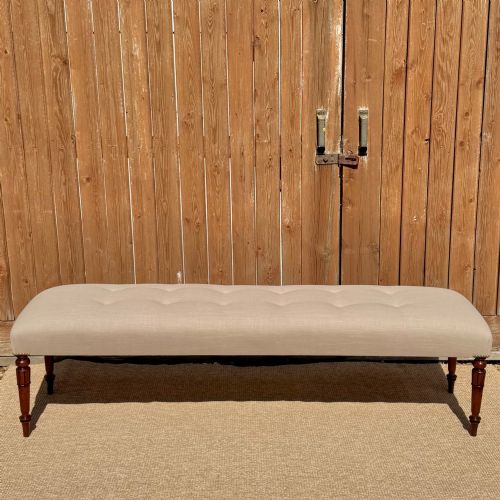
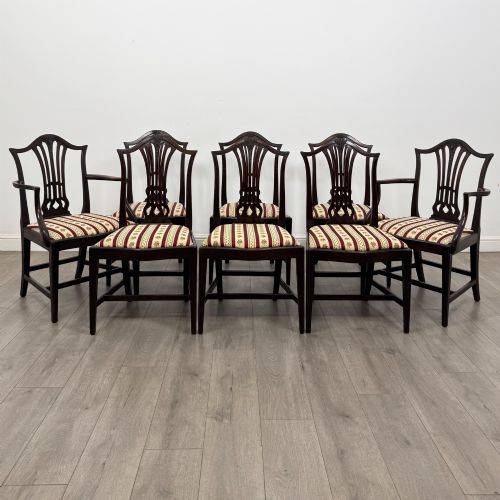
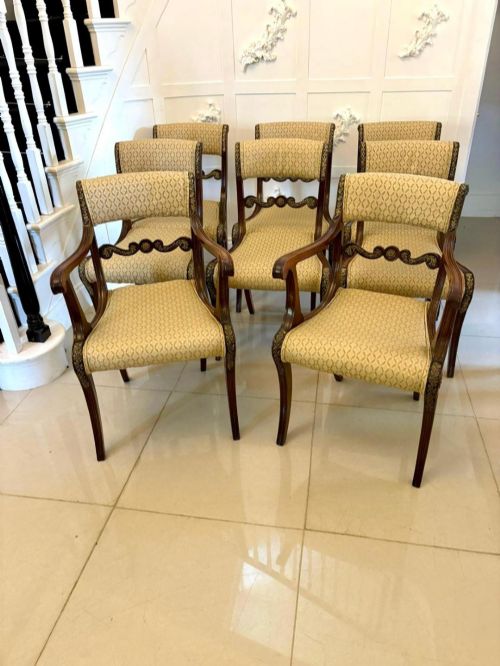
A traditional upholstered seat brings together historical seating forms like dining chairs, armchairs, sofas, and stools spanning from the eighteenth century through to the Edwardian era. Buyers searching for a traditional upholstered seat encounter everything from large sets of dining chairs to single library armchairs and long buttoned stools.
The selections on this page draw from recognisable historical design vocabularies including Victorian, Edwardian, William IV, Regency, Georgian, and Queen Anne styles. Makers range from large commercial firms to regional workshops, working in woods such as mahogany, walnut, oak, and maple.
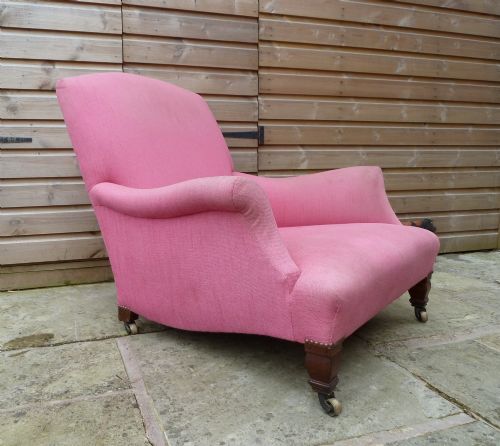
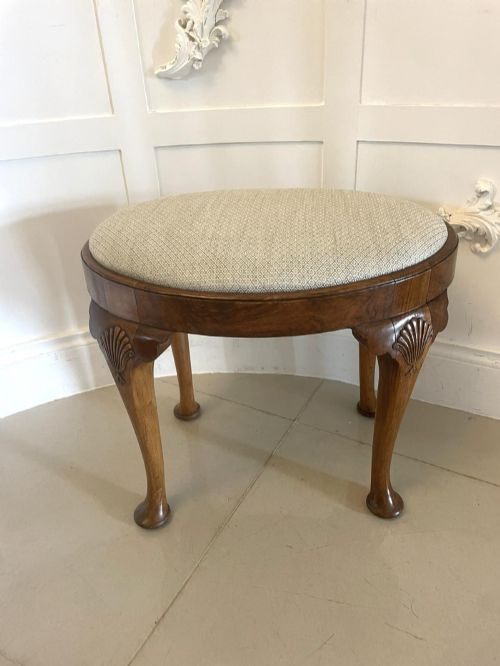
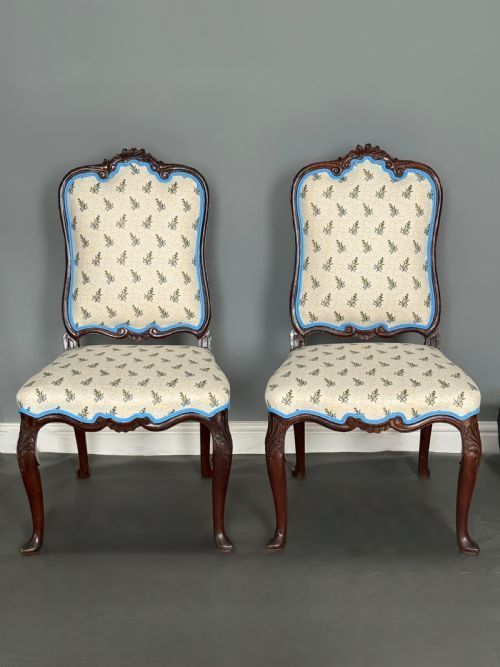
Forms vary from robust set formats intended around a dining table to deep-seated library armchairs, country house sofas, and low bedroom nursing chairs. Each piece relies on period textile coverings, velvet, fabric, or calico linen to complete the traditional upholstered seat aesthetic.
Materials and methods of construction
Timber frames form the backbone of these pieces, utilising dense hardwoods like mahogany, walnut, oak, and rosewood alongside structural elements in elm and maple. Joinery traditions dictate sturdy frame construction designed to endure daily sitting and movement.
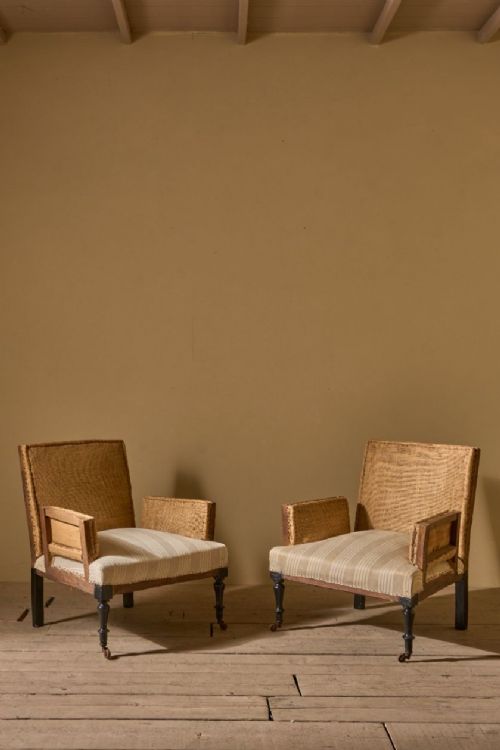
Upholstery techniques rely on traditional springing, stuffing, and stitching beneath outer textile layers. Fabrics span velvet, patterned textiles, split cane panels, and calico linen finishes.
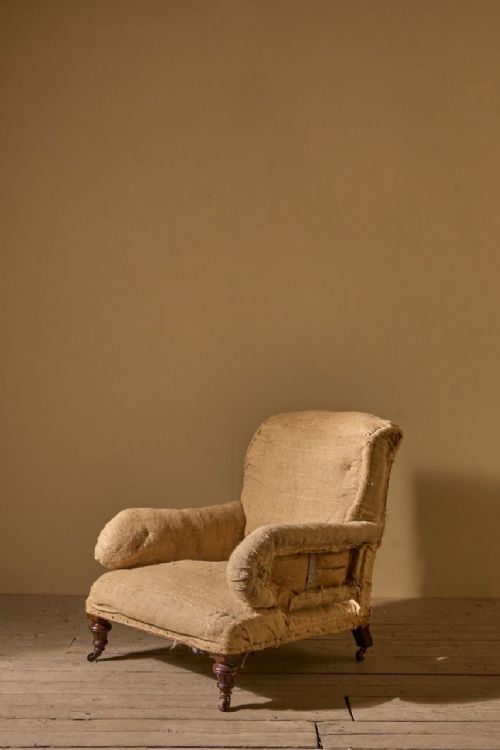
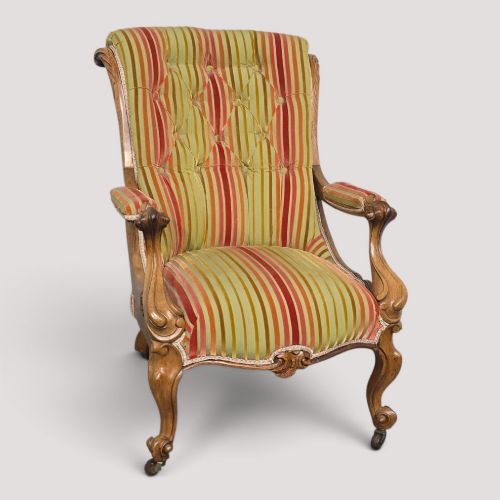
A Scottish country house armchair waits patiently for someone to read a weighty tome by the fireside.
Factors that define quality
The grade of timber selection and the precision of hand-carved details elevate certain frames above standard production pieces. Figured mahogany or rich walnut veneers and crisp mouldings indicate superior workshop output.
Structural integrity, the retention of original framing timbers, and the fidelity of period revival styling separate ordinary utilitarian seating from exhibition-grade or branded workshop productions.
Howard and Sons·Charles Tozer·Maple and Co·Hampton and Sons·Whytock and Reid
The Traditional Upholstered Seat Glossary
- Bergere
- An enclosed upholstered armchair with wooden framing and cane or upholstered side panels. These seats originated in France during the eighteenth century.
- Shield Back
- A chair back design shaped like a heraldic shield, popular in late eighteenth-century dining chair designs. This profile is frequently seen in mahogany.
- Balloon Back
- A rounded, oval chair back resembling a balloon shape, common in nineteenth-century Victorian dining chairs. It provides ergonomic support.
- Chesterfield
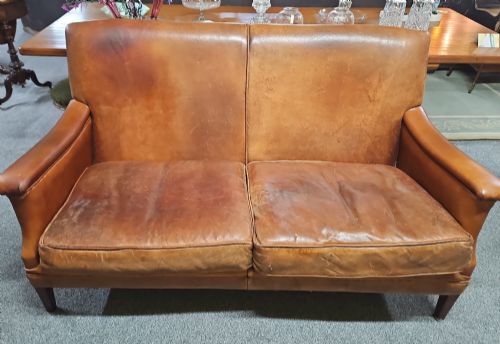
- A large sofa characterised by deep button tufting and low rolled arms equal in height to the back. These upholstered pieces often use linen or leather coverings.
- Bar Back
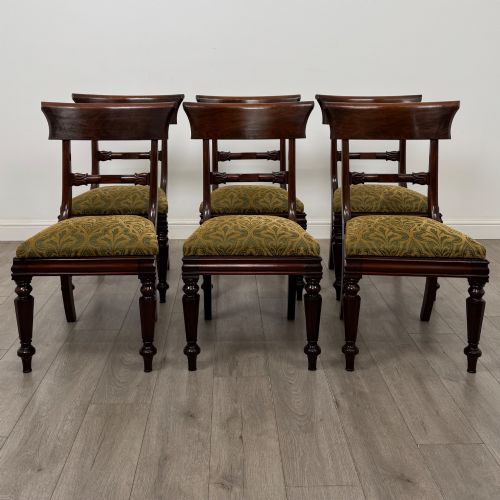
- A horizontal cross-rail design set across the upper portion of a chair back, typical of William IV dining chairs.
Traditional Upholstered Seat: Frequently Asked Questions
How do I identify a Victorian upholstered chair?
Victorian pieces often display heavier proportions, darker hardwoods like mahogany or walnut, and distinct back profiles such as balloon or buttoned designs.
Upholstery treatments from this era lean towards deep buttoning and rich fabrics that reflect nineteenth-century interior tastes.
Are these dining chairs sold as sets?
Many dining chairs appear in matched groups ranging from small sets of four up to extensive sets of ten or twelve pieces.
Larger configurations occasionally include dedicated carver armchairs alongside side chairs for the heads of the table.
What woods were used for these seats?
Cabinetmakers primarily relied on dense tropical and native hardwoods, with mahogany and walnut appearing most frequently across the eighteenth and nineteenth centuries.
Oak, elm, maple, and rosewood also feature in specific regional pieces and stylistic revivals.
How do I care for antique upholstery?
Protect delicate textiles and period fabrics by keeping them out of direct sunlight to prevent fading and fibre degradation.
Gentle surface cleaning and regular inspection of the internal webbing help maintain the structural support of traditional seat frames.