




Cast Iron King Bedstead
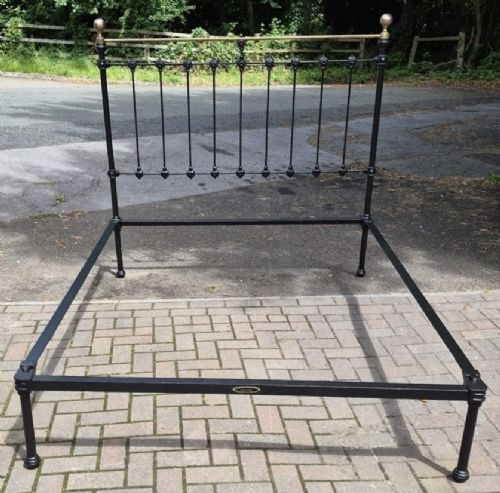
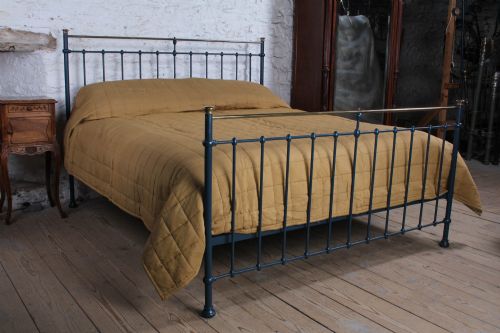
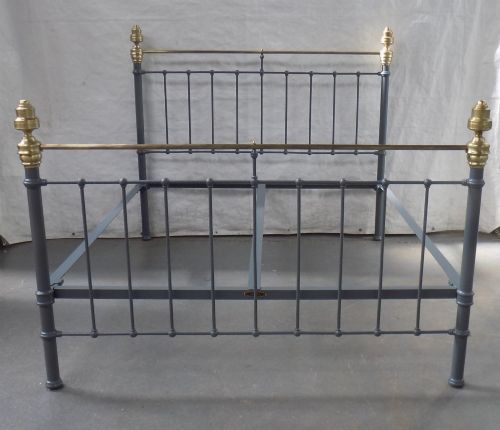
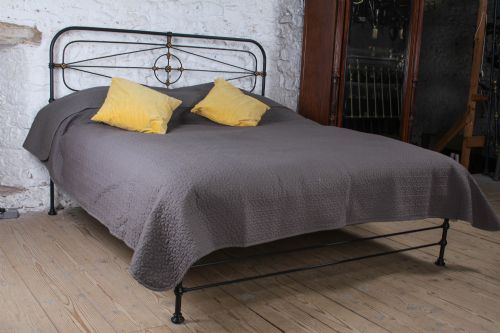
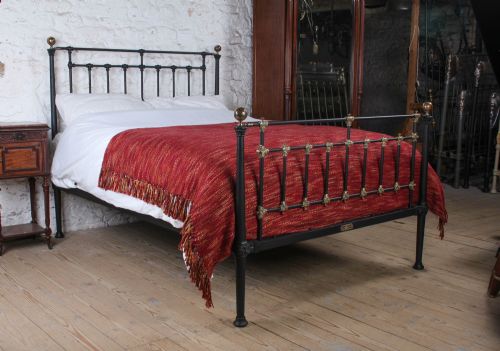
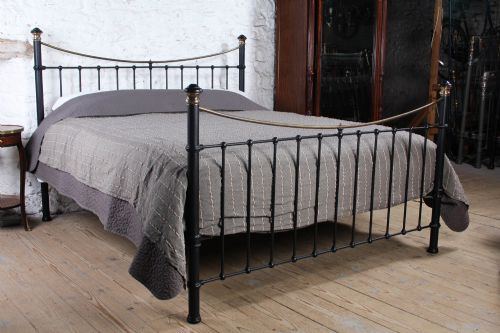
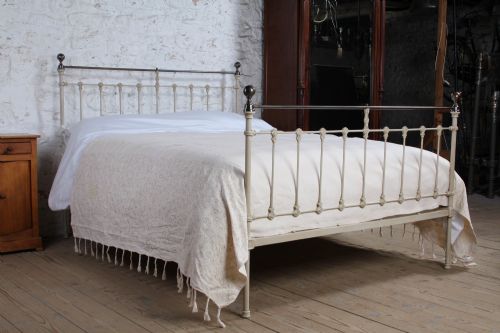
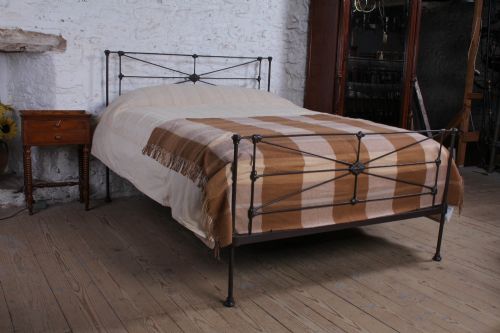
These cast iron king bedstead examples combine sturdy metal frames with generous proportions, offering robust support and period character for a bedroom.
Cast Iron King Bedstead
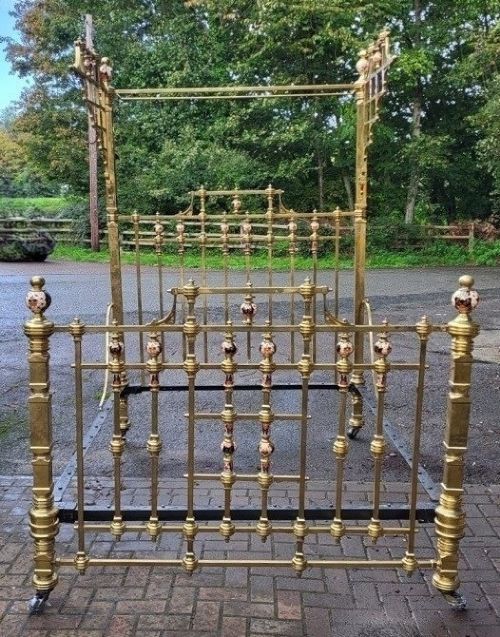
A cast iron king bedstead provides a substantial sleeping platform created during the nineteenth and early twentieth centuries, spanning periods from the Victorian era through the Edwardian years. These large frames accommodate modern king-size mattresses while retaining their historical styling.
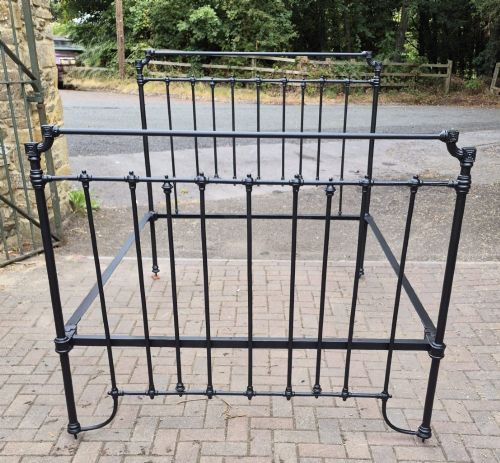
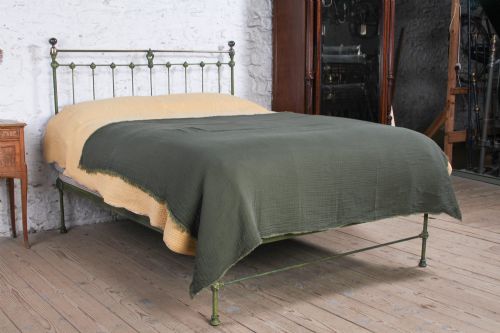
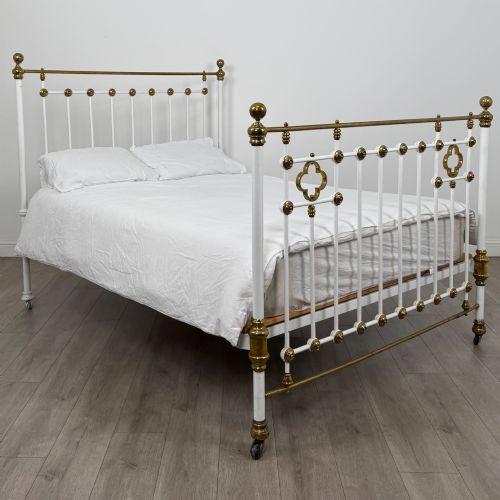
The pieces seen here range from French Country designs and Portuguese Traditional forms to Victorian Art Nouveau and Aesthetic Movement styles. Many combine cast iron with contrasting brass elements, such as finials, rails, and decorative castings.
Buyers frequently encounter variations that include low-end designs, no-end configurations, and classic straight or dip rails. Irish and French regional variations also appear across the selection, showing distinctive shaping and detailed ironwork.
Quality factors
The crispness of the castings dictates the visual distinction of the frame, where sharper details on decorative brass mounts and iron mouldings signal superior craftsmanship. Simpler frames rely on proportion and clean shaping rather than ornate embellishment.
Original integrity separates standard pieces from exemplary ones, particularly when makers' marks, untouched painted surfaces, and complete brass hardware remain intact. The weight and rigidity of the iron frame also reflect the manufacturing standard of the original foundry.
Listings span the Victorian and Edwardian eras, combining cast iron, wrought iron, and brass in various regional styles.
Winfield
The Cast Iron King Bedstead Glossary
- Cast iron
- Molten iron poured into a mould to form rigid structural and decorative bed components. This material gives the bedstead its heavy weight and load-bearing strength.
- Brass
- A yellow alloy of copper and zinc utilised for shiny decorative rails, finials, and mounts. It provides a bright visual contrast against the dark iron frame.
- Dip rail
- A headboard or footboard top rail that curves downwards in the centre. This shape softens the silhouette of the bedstead.
- Half tester
- A canopy that projects out from the wall over the head of the bed without full posts at the foot. It supports drapery above the sleeping area.
- Japanned lacquer
- A hard, glossy black or dark finish applied to metal to imitate Asian lacquer work. It creates a durable and reflective surface coating.
- Finial
- A decorative terminal knob or ornament fitted to the top of bed posts. These brass or iron elements cap the vertical corners of the frame.
Cast Iron King Bedstead: Frequently Asked Questions
Will a modern king mattress fit?
These historical bedframes have been adapted or constructed to standard modern king proportions, allowing current mattresses to rest securely within the side rails.
Buyers should check internal rail lengths and widths against their specific mattress dimensions before final placement.
How do I assemble the frame?
Most iron and brass bedsteads utilise wedge-fit dovetail joints at the corners, where side rails slot directly into the headboard and footboard posts. Tapping these joints gently with a rubber mallet secures the structure without requiring complex tools.
Additional cross slats then drop into place across the interior to support the mattress base.
How do I distinguish Victorian from Edwardian?
Victorian frames often display heavier ornamentation, including intricate brass castings, Aesthetic Movement motifs, or elaborate Art Nouveau curves. Edwardian examples tend to feature cleaner lines, lighter proportions, and simpler dip rails.
Both periods overlap in the late nineteenth century, sharing similar iron and brass construction techniques.
What does a no-end bed mean?
A no-end bedstead lacks a high footboard, featuring either a very low foot rail or no foot structure at all. This design opens up the visual space at the foot of the bed and accommodates taller sleepers.
It remains a common configuration across nineteenth-century Irish and English iron frames.