

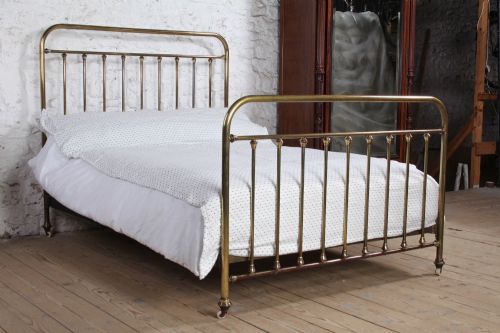
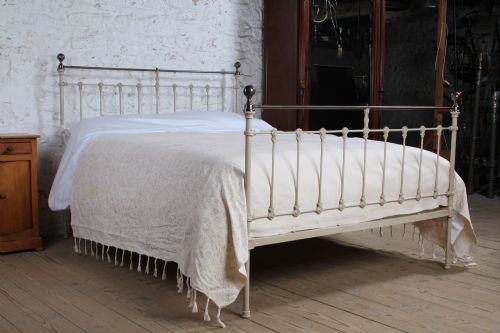


Victorian Style Iron Bedstead
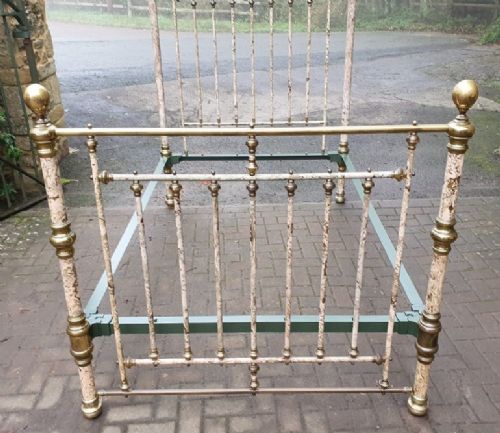
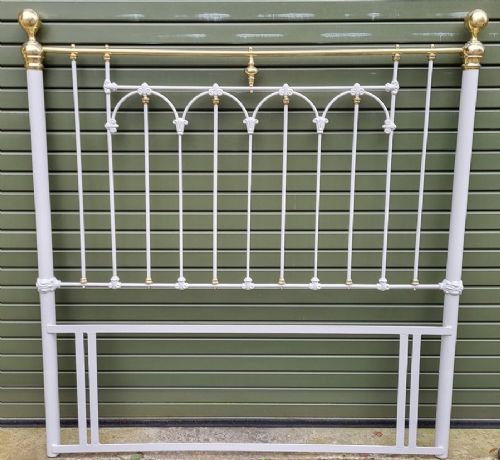
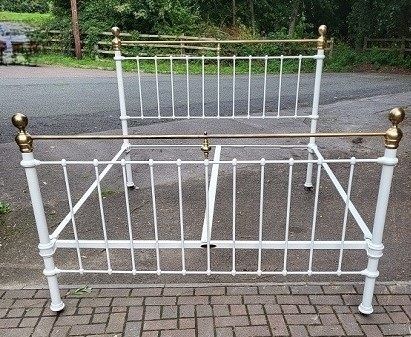
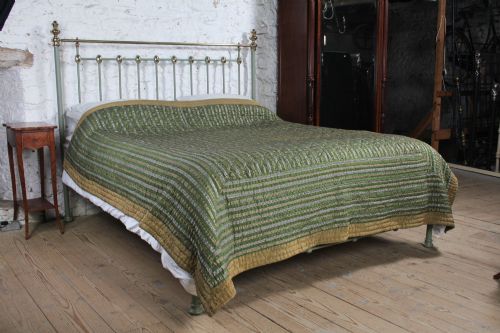
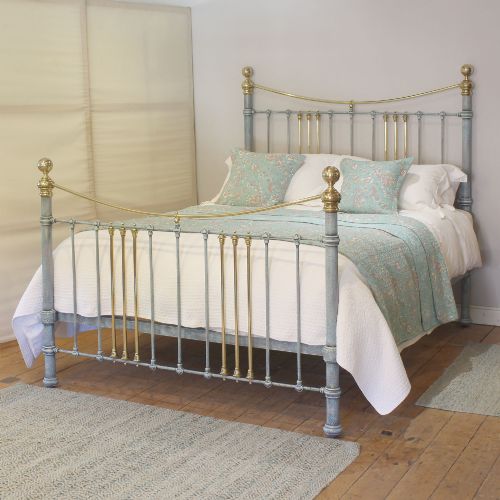
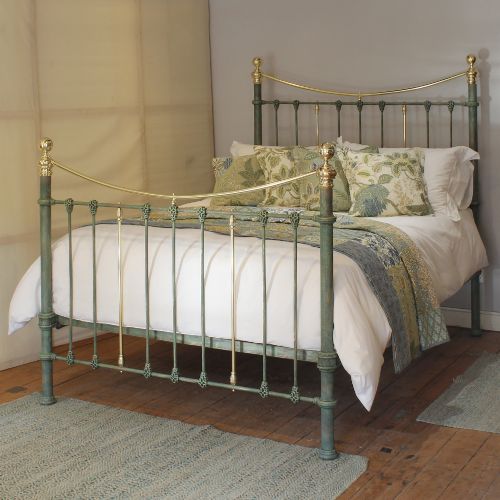
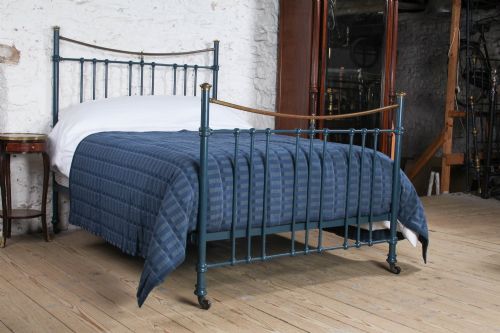
These victorian style iron bedstead designs offer robust metal frames and brass ornamentation, prized for bringing period character to a bedroom.
Victorian Style Iron Bedstead
A victorian style iron bedstead combines the industrial strength of metal framing with domestic comfort, spanning forms from single beds to super king sizes. Buyers encounter examples originating from the nineteenth century up to the early twentieth century, incorporating French, Irish, and American stylistic influences.
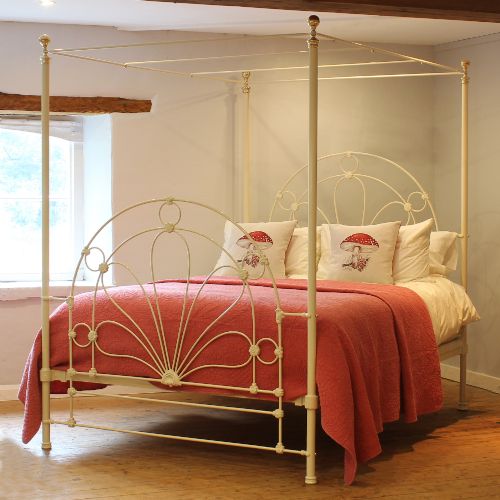
The inventory on this page showcases beds built with varying footboard heights, including popular no-end formats and traditional four-poster or half-tester configurations. Many pieces integrate brass details, painted finishes in black or cream, and distinctive ribbon reed shaping.
The selection ranges from compact single beds and pairs to grand king and super king proportions suitable for modern mattresses. Each victorian style iron bedstead reflects the domestic metalworking traditions of its period, balancing structural utility with decorative metal casting.
How They Were Made
Manufacturers utilised cast iron for structural mainframes and decorative components, poured into sand moulds to create ornate headboards and footboards. Wrought iron and steel provided additional tensile strength for rails and supports, while nickel and brass supplied contrasting metallic finishes.
Surface decoration frequently involved painted metal finishes, often executed in black, cream, or charcoal paint over the iron base. Brass mounts, finials, and rail details were attached mechanically or through foundry techniques to accentuate the ironwork.
Victorian Style Iron Bedstead Retail Price Guide 2026
Typical asking prices for victorian style iron bedstead among the pieces listed under this phrase on Sellingantiques today, from the lower quarter to the upper quarter. They describe what is for sale here now, not the wider market.
What Varies in Quality
The standard of a victorian style iron bedstead depends on the intricacy of its cast decoration and the crispness of its brass details. Finer examples display deeply moulded ribbon reeds, well-fitted joints, and substantial metal gauges rather than simple, plain fabrication.
Proportional harmony and the originality of the brass fittings distinguish better workshops from standard production. The preservation of the original painted surface or the quality of any subsequent metal finishing also defines the overall grade.
The Victorian Style Iron Bedstead Glossary
- Cast iron
- Molten iron poured into a mould to form rigid shapes and decorative motifs. This material allowed makers to produce elaborate, repeating patterns for headboards.
- Ribbon reed
- A decorative moulding detail resembling a tied ribbon or fluted reed. It frequently appears on nineteenth-century metal framing to soften the industrial appearance.
- Half tester
- A bed with a partial canopy projecting from the wall or headboard over the upper portion of the mattress. This form provided support for hanging curtains to retain warmth.
- No end
- A bed frame configuration featuring a high headboard but no corresponding high footboard. This layout became popular in French and Irish designs for a more open visual effect.
- Platform bed
- A low-profile bed base designed to support a mattress directly without traditional deep side rails. These frames often accommodate modern mattress depths while maintaining period aesthetics.
Victorian Style Iron Bedstead: Frequently Asked Questions
How do I clean an iron bed?
Dust the frame regularly with a dry cloth to prevent grime accumulation on the painted or metallic surfaces.
Avoid harsh chemical solvents that can strip the original paint or damage the brass components.
Will modern mattresses fit these beds?
Many antique iron frames accommodate standard modern mattress sizes with appropriate modern support slats.
Check the internal rail dimensions of each specific bedstead before purchasing a mattress.
How do I date a metal bed?
Examine the construction methods, joint fixings, and stylistic cues such as Art Nouveau motifs or classical revival details.
Nineteenth-century pieces often utilise heavy cast components and hand-finished brass elements distinct from later mass production.
Are these beds easy to assemble?
Most antique metal bedsteads use wedge-lock side rails that slot directly into the headboard and footboard posts.
Assembly typically requires two people to align the heavy iron components safely without damaging the finish.