

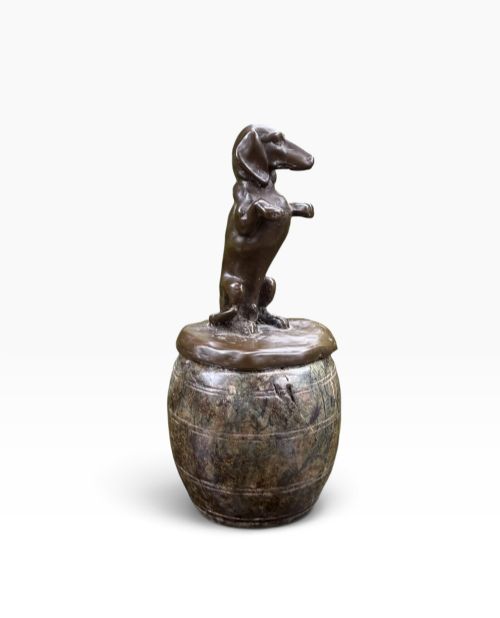
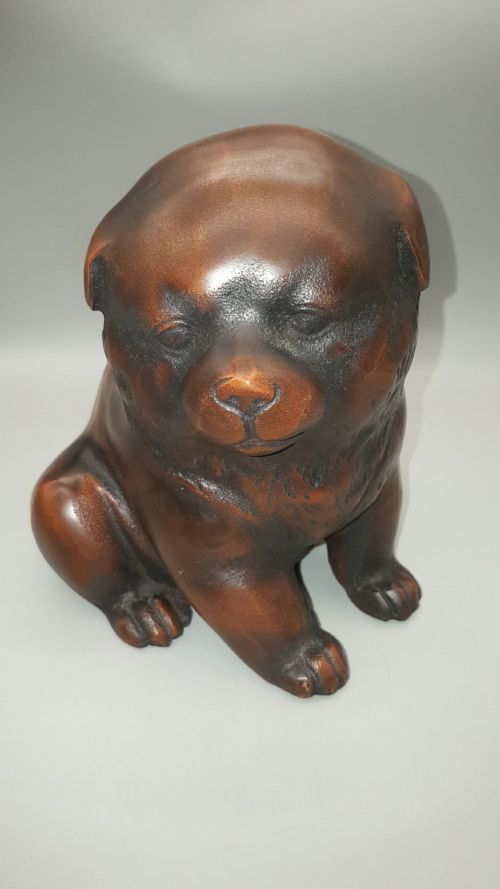
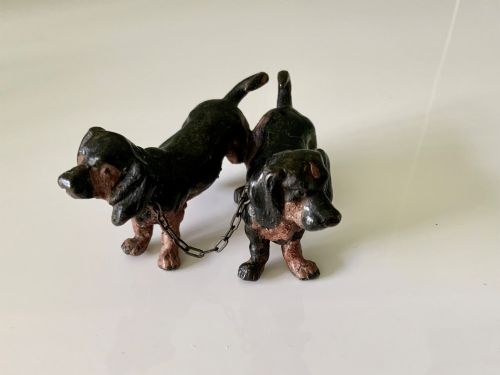
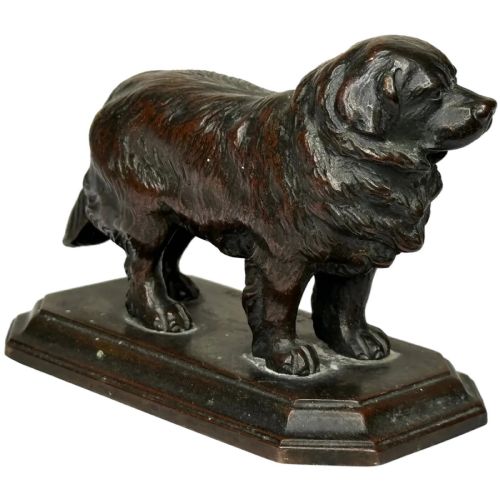



Cast Bronze Dog Statue
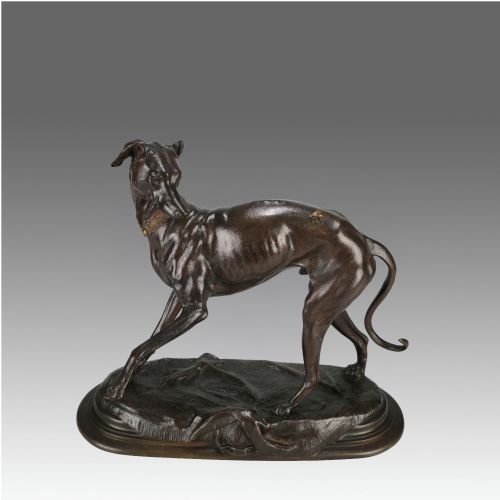
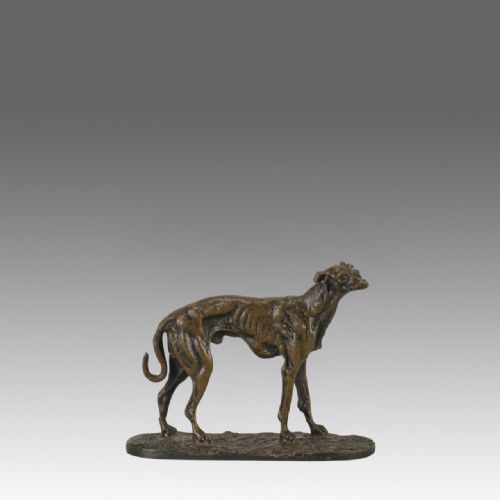
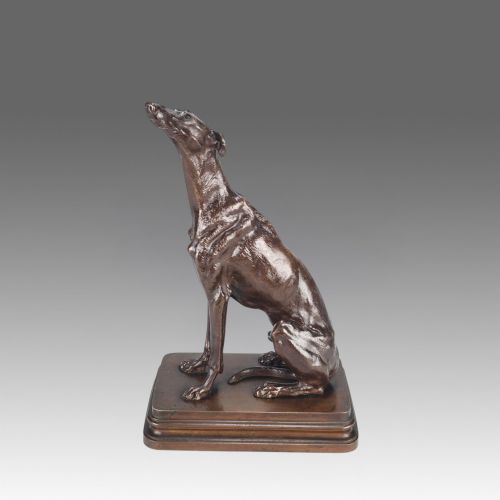
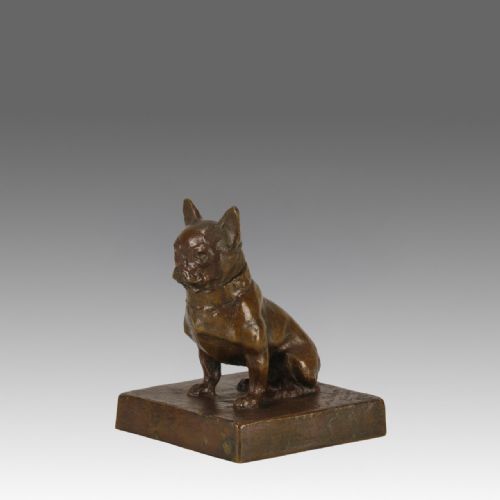
A cast bronze dog statue brings character and weight to a room, capturing the loyal stance of a hound or the tense energy of a retriever.
Cast Bronze Dog Statue
When you search for a cast bronze dog statue, you encounter sculptural works that capture domestic and sporting hounds in the round. These pieces range from functional desk accessories to standalone decorative figures intended for display.
The selections on this page span the Victorian and Art Deco eras, originating from French and English studios. You will find domestic breeds like the King Charles Spaniel alongside sporting dogs such as setters and racing greyhounds.
Forms vary from practical inkwells where the animal sits atop a bronze base to full sculptural figures depicting the dog with a ball or prey. These objects reflect both the utility of the desk accessory and the purely decorative impulse of the animalier school.
How they were made
These sculptures utilise the traditional metal casting technique to shape molten bronze into lifelike animal forms. The resulting metal figures possess a durable structure that holds fine detail across the fur and musculature.
Makers integrated mixed media elements into select pieces, pairing the cast metal with materials like wood and glass. This combination creates textured bases and functional components that complement the primary bronze body.
Cast Bronze Dog Statue Retail Price Guide 2026
Typical asking prices for cast bronze dog statue among the pieces listed under this phrase on Sellingantiques today, from the lower quarter to the upper quarter. They describe what is for sale here now, not the wider market.
This selection spans the nineteenth century to 1920, featuring bronze, wood, and glass across French and English origins.
What varies in quality
The distinction between standard and superior examples lies in the fidelity of the casting and the sensitivity of the finish. A master sculptor captures the distinct anatomical tension of a running greyhound or the soft folds of a spaniel's ears with precise chiselling.
Quality also rests in the integration of purpose, such as how an inkwell houses its glass insert without disrupting the sculptural line of the dog above. Finer pieces demonstrate a harmony between artistic representation and functional design.
Jules Moigniez·Arthur Waagen
The Cast Bronze Dog Statue Glossary
- Animalier
- A nineteenth-century artistic movement dedicated to the realistic portrayal of animals, particularly in sculpture. Practitioners of this style focused on accurate anatomy and dynamic movement.
- Bronze
- An alloy of copper and tin prized for its tensile strength and ability to take fine surface detail. It forms the primary structural material for these animal figures.
- Art Deco
- A design style emerging in the early twentieth century characterised by sleek lines and stylised forms. It influenced the portrayal of racing dogs during this period.
Cast Bronze Dog Statue: Frequently Asked Questions
What periods do these dog statues come from?
The available pieces originate from the nineteenth and early twentieth centuries, spanning Victorian and Art Deco periods.
These dates align with the height of European animal sculpture and desk ornament production.
How were bronze dog inkwells used?
These functional objects sat on writing desks to hold ink for correspondence and record keeping. The dog figure typically served as a hinged lid to keep the ink from drying.
Owners appreciated the dual nature of an item that combined decorative sculpture with daily utility.
Which dog breeds appear in these sculptures?
Makers cast popular sporting and domestic breeds such as setters, greyhounds, and King Charles Spaniels.
These specific dogs reflect the hunting culture and domestic companionship valued during the nineteenth and early twentieth centuries.
What materials accompany the bronze?
Selected pieces incorporate wood and glass alongside the primary metal casting.
Glass often forms ink inserts within desk accessories, while wood provides supportive bases for the sculptures.