


Cast Bronze Candlesticks
Cast bronze candlesticks bring weight and sharp relief to a room, offering centuries of metalworking skill in compact forms.
Cast Bronze Candlesticks
When you search for cast bronze candlesticks, you encounter weighted metal shafts designed to support taper candles or hold wax securely. These items appear across various centuries, with eighteenth and nineteenth-century examples forming the core of the selection.
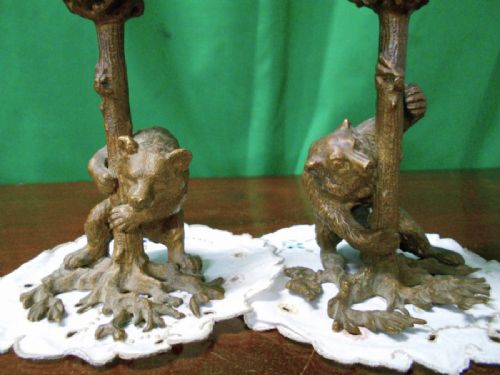
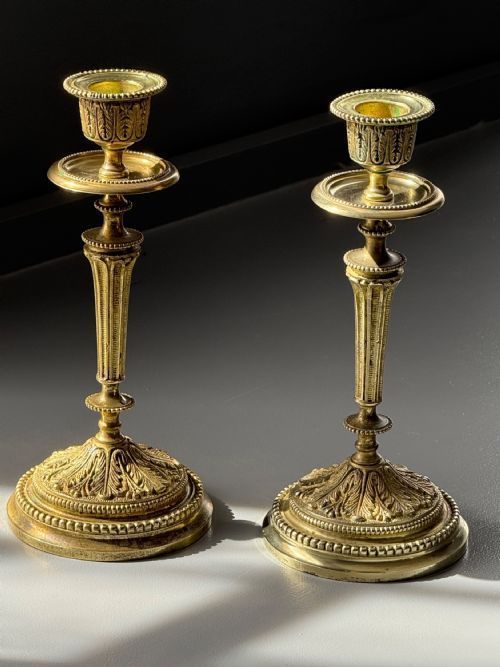
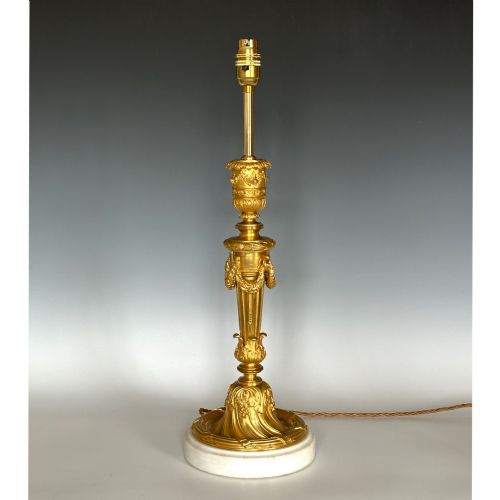
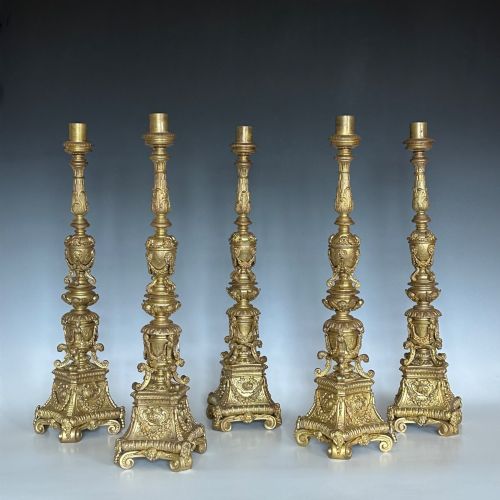
The objects take many forms, from simple classical columns to sculptural figures, tree branches, and architectural shapes. Pairs dominate the offerings, often adapted later into lamp bases or table lights by the addition of electrical fittings.
Origin points span English, French, Venetian, and Russian workshops, reflecting regional tastes from the Gothic Revival to the Louis XVI style. The selection includes related items such as twin-arm candelabra and pricket candlesticks alongside standard single holders.
How they were made
Makers utilised the lost-wax method or sand-casting techniques to shape the molten metal into complex figurative or geometric profiles. Once removed from the mould, workers chased the surface with chisels and files to sharpen the details of hair, foliage, and drapery.
Gilt bronze and ormolu pieces received an application of gold amalgam fired onto the surface, while others were left in their natural bronze state or given a dark patinated finish. Combinations with marble bases or mounts of cast brass and spelter also appear in the record.
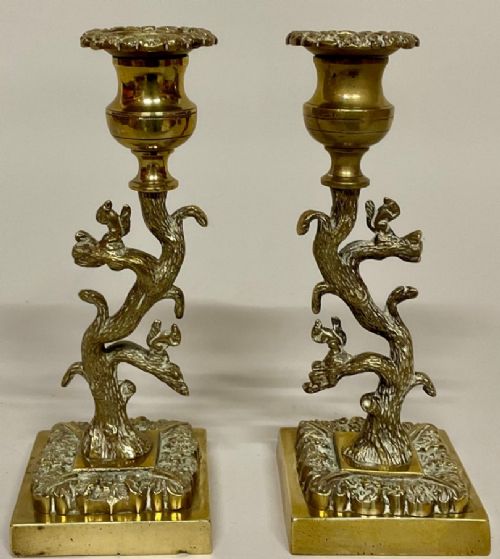
Squirrels clamber among tree branches on a pair of Regency gilt bronze candlesticks.
What varies in quality
The crispness of the chasing separates standard production from exceptional work, as skilled hands define the depth of feathers, leaves, and facial expressions after casting. Softer details indicate a worn mould or hurried finishing.
Weight and stability also dictate quality, with superior pieces showing solid construction and balanced proportions from the square or round base up to the campana sconce. The harmony between the original casting and any later alterations determines the integrity of the piece.
Ferdinand Barbedienne
The Cast Bronze Candlesticks Glossary
- Campana sconce
- A candle cup shaped like an inverted bell, commonly seen on classical and Regency stems. This form supports the base of the candle.
- Ormolu
- Finely ground high-carat gold applied to a bronze base through a mercury amalgamation process. The technique produces a bright golden surface.
- Pricket
- A sharp metal spike set in the centre of a drip pan to secure a large candle. These appear on older ecclesiastical and traditional forms.
- Chasing
- The hand-tooling of metal surfaces using small punches and chisels after casting. This process adds texture and defines fine details.
- Patina
- The surface sheen and coloration developed through age, handling, and deliberate chemical treatment. It distinguishes genuine historic metalwork.
Cast Bronze Candlesticks: Frequently Asked Questions
How do I clean antique bronze candlesticks?
Dust the surface gently with a soft dry brush to remove settled particles without disturbing the underlying patina.
Avoid abrasive metal polishes and harsh chemical dips that strip away historical finishes and damage the bronze permanently.
Can converted lamp bases be restored to candlesticks?
Reverting an electrical conversion depends entirely on how the wiring was routed through the original structure. If holes were drilled into the bronze body, the original candlestick state is altered permanently.
How do I distinguish bronze from brass?
Bronze is an alloy of copper and tin, generally showing a deeper, richer brown or reddish tone beneath the surface patination. Brass contains copper and zinc, tending towards a brighter yellowish gold colour when exposed.
What does a black forest attribution mean?
Black Forest pieces originate from the wood-carving and metalworking regions of central Europe, often featuring naturalistic animal subjects. Bears and woodland motifs are characteristic of this decorative tradition.