


French Metalware
French antique metalware brings utilitarian and decorative forms in copper, brass, bronze, and pewter into modern interiors.
French Metalware
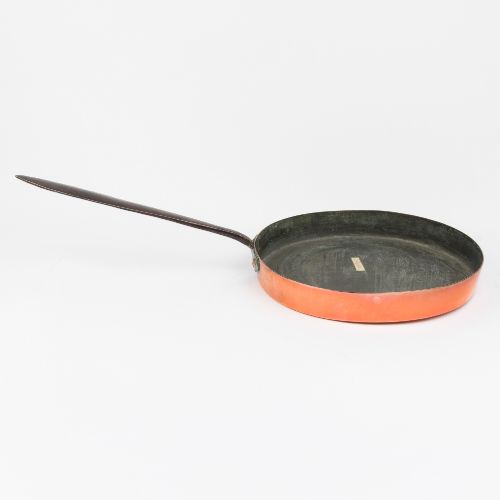
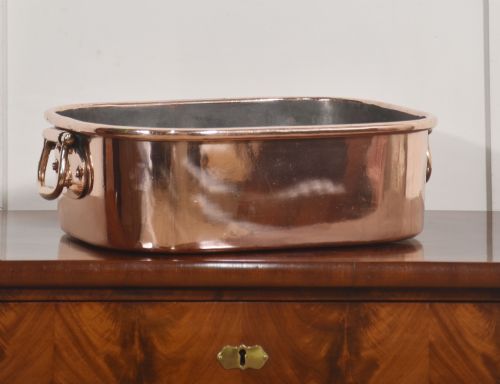
French antique metalware encompasses utilitarian items and decorative objects produced across the centuries in copper, brass, bronze, pewter, tin, cast metal, and silver plate. Buyers searching for french antique metalware encounter domestic objects like fish kettles, pitchers, jugs, and barbers bleeding bowls alongside lighting and display items.
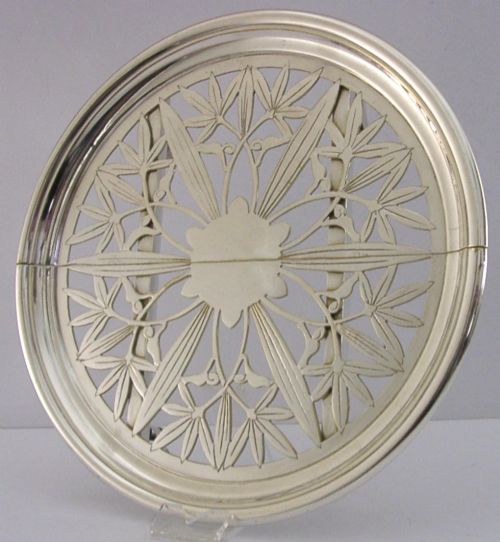
The selection ranges from eighteenth-century cast brass chambersticks and seventeenth-century bronze mortars to nineteenth-century copper vases and Art Deco silver plate serving pieces. Forms vary from simple provincial wares to elaborate French Empire and Art Nouveau creations reflecting specific historical periods.
How these pieces were made
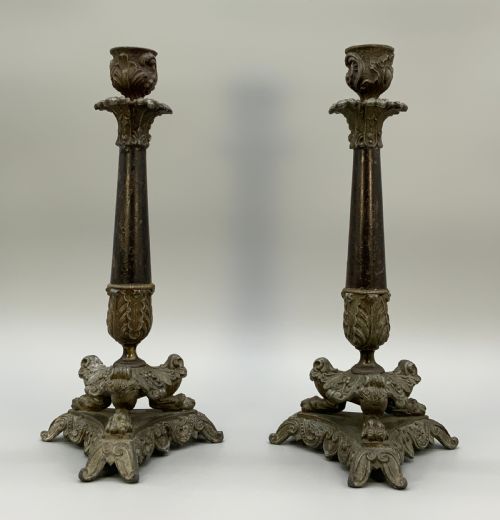
Metalworking techniques rely on casting, hammering, and joining copper, brass, bronze, pewter, and iron by hand. Makers shaped sheet copper and brass into vessels like fish kettles and jugs, while casting produced solid components for candlesticks, chambersticks, and decorative urns.
Surface ornamentation involved chasing floral decoration into copper and brass, or utilising patinated fruitwood handles on iron and brass implements. Silver plate was applied to base metals for specialised dining items during the Art Deco era.
Materials span copper, pewter, silver plate, brass, cast metal, bronze, tin, and cast brass across multiple centuries.
What varies in quality
Quality in french antique metalware is evident in the crispness of casting detail and the deliberate execution of surface decoration such as chased floral motifs. Heavier gauge metals and balanced proportions in domestic utensils and lighting distinguish finer examples from standard utilitarian wares.
The integrity of construction, the preservation of original patination, and the clarity of maker marks or period characteristics determine the standing of individual pieces within the material hierarchy.
Christofle·Sue et Mare·Orfèvrerie Gallia·Maison Christofle
The French Metalware Glossary
- Chamberstick
- A low candlestick fitted with a pan and a handle for carrying through a house at night. These brass and metal examples date back to the eighteenth century.
- Mortar
- A heavy bowl used with a pestle for crushing ingredients, commonly cast in bronze during the sixteenth and seventeenth centuries. They display thick walls and decorative ribbing.
- Pewter
- A malleable alloy of tin mixed with copper and lead, utilised for plates, vases, and vessels. Antique examples often feature wavy edges and soft patination.
- Silver plate
- A thin layer of silver applied to a base metal core, prominent in twentieth-century serving dishes and jugs. Christofle and Gallia produced notable pieces using this method.
- Spelter
- A zinc alloy frequently cast as a substitute for bronze in nineteenth-century decorative figures and lamps. It takes patination well but possesses a lighter weight than true bronze.
French Metalware: Frequently Asked Questions
What is french antique metalware?
It comprises domestic utensils, lighting, and decorative objects made from copper, brass, bronze, pewter, and silver plate in France over several centuries.
Items range from early mortars and chambersticks to nineteenth-century copper vessels and twentieth-century Art Deco serving pieces.
How do I clean antique copper and brass?
Most collectors prefer to leave historic patination untouched rather than polishing pieces to a bright shine. Gentle dusting and occasional waxing preserve the aged surface.
Harsh chemical cleaners strip away the historical character built up on copper and brass over centuries of use.
How were chambersticks used?
Chambersticks provided portable lighting before electricity, with the wide pan catching dripping wax as the candle burned.
They were carried by a finger ring handle from room to room or placed on bedside tables for evening illumination.
How can I date antique pewter?
Dating relies on stylistic forms, touchmarks stamped into the metal, and edge treatments such as wavy rims. Eighteenth-century pieces often display simple hammered or cast construction.
Earlier examples from the seventeenth century show different alloy compositions and heavier wall thicknesses compared to later production.
Are bronze mortars functional?
Historic bronze mortars were designed for grinding herbs, spices, and medicines with a matching pestle. While structurally robust, many owners display them as decorative objects.
The substantial weight and cast decoration make them popular focal points on shelves and kitchen counters.