


Antique Folding Knife
An antique folding knife is a portable cutting tool that collectors value for its fine mechanics and pocket-sized craftsmanship.
Antique Folding Knife
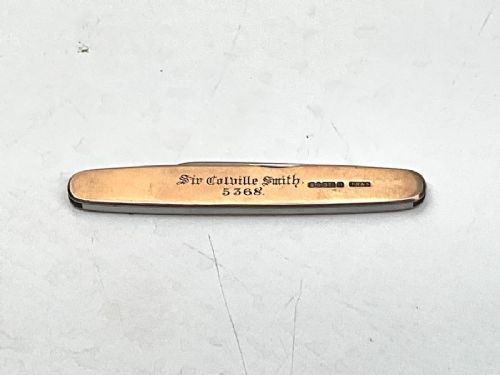
When you search for an antique folding knife, you encounter a diverse array of portable cutting tools spanning multiple centuries and utilitarian purposes. The selection ranges from pocket knives and fruit knives to complex medical antiques, desk accessories, and camping multi-bladed knives.
Most pieces you meet on this page hail from the Victorian era and the nineteenth century, alongside eighteenth-century examples and twentieth-century items up to the mid-century utilitarian period. Forms vary widely from simple pocket tools to specialised cutlery sets, tobacciana, and folding quill pen pocket knives.
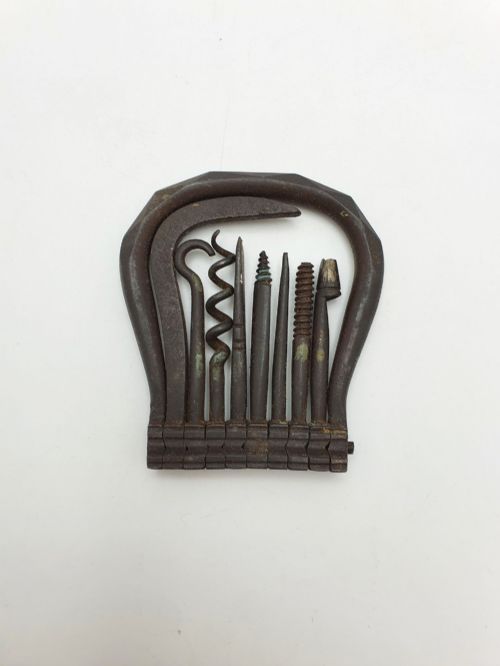
Origins and styles shift across Georgian, Victorian, Edwardian, Art Deco, campaign, folk art, and mid-century utilitarian designs. A buyer finds everything from a simple iron folding multi-tool to gold Masonic pieces, silver fruit forks, and combination letter openers.
How they were made
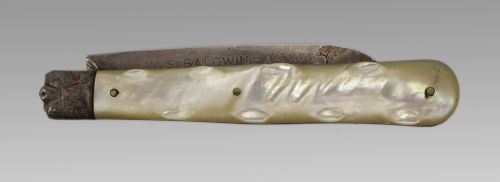
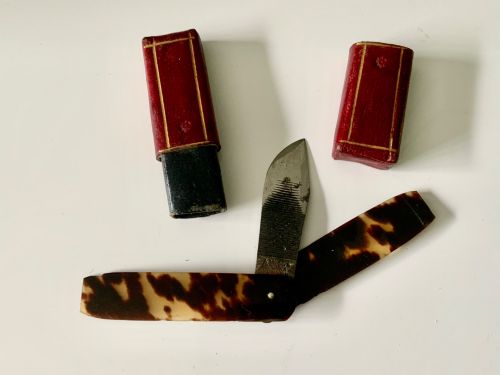
Makers constructed blades primarily from steel, paired with handles fashioned from sterling silver, mother of pearl, tortoiseshell, horn, gold, wrought iron, and carved boxwood treen. Celluloid, ivorine, and leather also appear on specific pieces like erotic quill pen pocket knives.
Craftsmen combined these resilient metals and organic scales using pins, pivots, and backsprings to ensure the blades folded securely into the handles. Decorative techniques involved ornate chasing on silver blades, intricate carving on mother of pearl, and detailed boxwood figures.
Materials recorded across the inventory include steel, sterling silver, mother of pearl, tortoiseshell, leather, wrought iron, gold, and horn.
What varies in quality
Quality in an antique folding knife rests upon the precision of the blade mechanism and the integrity of the materials used in the handle. Tightly fitted scales without shrinkage or gaps indicate superior assembly by skilled cutlers.
The refinement of decorative elements, such as fully articulated silver fruit forks, engraved armorial crests, or finely carved mother of pearl and tortoiseshell, elevates certain pieces well above standard utilitarian pocket tools.
Jowika·William Needham·Asprey
The Antique Folding Knife Glossary
- Penknife
- A small pocket knife originally designed for sharpening quill pens before steel nibs became common. They often feature multiple blades and slim profiles.
- Fruit knife
- A specialised folding knife featuring a blade made of silver or gold rather than steel to prevent corrosion from fruit acids. These frequently display ornate mother of pearl or silver handles.
- Campaign cutlery
- Portable dining gear designed for travel, often folding or nesting into compact sets. They date back to military and exploratory use in the eighteenth and nineteenth centuries.
- Treen
- Small handmade wooden objects of utility and folk art. Examples include carved boxwood handles depicting figures.
- Masonic
- Pertaining to Freemasonry, indicated by symbols and insignia incorporated into the design of a knife. These pieces often feature gold or precious metals.
Antique Folding Knife: Frequently Asked Questions
What were antique folding knives used for?
These implements served daily practical tasks ranging from general cutting and dining while travelling to specialist office and medical work. Specific forms handled fruit consumption, cigar cutting, quill sharpening, and veterinary procedures.
Many pocket tools incorporated multiple blades and functions to provide portable utility for the owner. Others served decorative or ceremonial roles, such as Masonic presentation pieces.
How do I care for an antique folding knife?
Keep the metal components clean and lightly oiled to prevent rust, particularly on steel blades and iron frames. Store them in a dry environment away from direct sunlight to protect organic handle materials like tortoiseshell, horn, and mother of pearl.
Avoid forcing stiff pivots or springs when opening the blades. Gentle handling preserves the historical integrity of the folding mechanism.
How can I tell the period of a folding knife?
Examine the materials, handle styles, and construction techniques to estimate the era of production. Georgian and eighteenth-century pieces often feature distinct silver hallmarks and simpler folding mechanisms, while Victorian examples frequently utilise mother of pearl and elaborate engraving.
Twentieth-century items may show early plastics like celluloid or ivorine alongside mid-century utilitarian designs. Comparing the object type and style to known historical periods narrows down the date.
Why do some folding knives have silver blades?
Silver blades were specifically utilised on fruit knives to prevent the metal from reacting with the acid in citrus fruits and other foods. Steel blades would otherwise tarnish and impart a metallic taste to the food.
This functional choice makes silver-bladed fruit knives distinct collectibles today. They are typically paired with decorative handles made of mother of pearl or silver.