


Antique Pocket Knife
An antique pocket knife brings everyday utility and fine craftsmanship together, offering the collector a tactile piece of history.
Antique Pocket Knife
An antique pocket knife spans simple utility pieces and intricate personal accessories found across the eighteenth, nineteenth, and twentieth centuries. Buyers searching for an antique pocket knife encounter diverse forms ranging from basic folding tools to specialist items like fruit knives, medical lancets, and multi-bladed camping gear.
The selection includes pieces associated with specific periods such as the Victorian and Edwardian eras, alongside Georgian examples and mid-century designs. Materials and styles vary widely, encompassing Scandinavian folk art daggers, French boxwood treen, and Masonic gold pocket knives.
Most items on this page function as pocket tools, desk accessories, or folding cutlery, reflecting both practical daily use and ornamental refinement. Surviving examples demonstrate how these pocket instruments served various roles from dining at table to veterinary practice.
How they were made
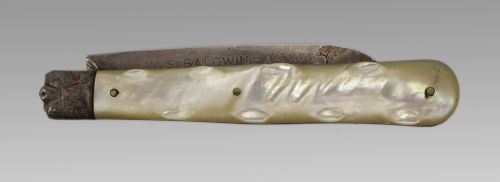
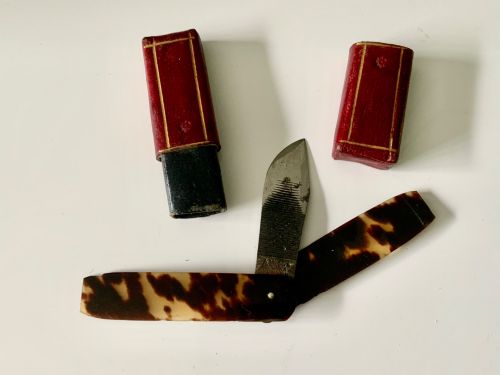
Makers shaped these instruments using robust metals such as steel, wrought iron, and sterling silver for the blades and internal mechanisms. These functional components were paired with exterior scales fashioned from organic materials including mother of pearl, tortoiseshell, carved wood, leather, and bone substitutes like ivorine or celluloid.
Decorative techniques involved intricate carving on boxwood or horn, alongside precious metal embellishments and gold plating for presentation pieces. Riveting, pinning, and folding construction methods allowed multiple blades and specialised tools to fit compactly within a single handle.
Object forms range from standard pocket knives and fruit knives to specialist medical antiques, veterinary lancets, desk accessories, and folding multi tools.
What varies in quality
Quality rests upon the precision of the folding mechanism and the structural integrity of the handle scales. Finer pieces display crisp carving, secure pin placement, and high-grade precious metals or resilient mother of pearl that withstands heavy handling.
Superior examples often incorporate specialised combinations, such as penknife and cigar cutter hybrids or folding fruit forks with hallmarked silver components. Lesser items show simpler construction, plain steel and wood, or wear that compromises the alignment of the folding blades.
Asprey·Jowika
The Antique Pocket Knife Glossary
- Fruit knife
- A specialised pocket knife designed specifically for slicing fruit, typically featuring a silver blade to prevent corrosion from citrus acids. These often display decorative mother of pearl or silver handles.
- Treen
- Small handmade wooden household objects and utilitarian items carved by hand. Boxwood and other dense timbers appear frequently in early folding pocket items.
- Ivorine
- A synthetic material developed to imitate ivory without using animal product, commonly utilised for nineteenth-century handle scales. It provides a smooth, pale surface suited to detailed moulding or erotic carvings.
- Multi tool
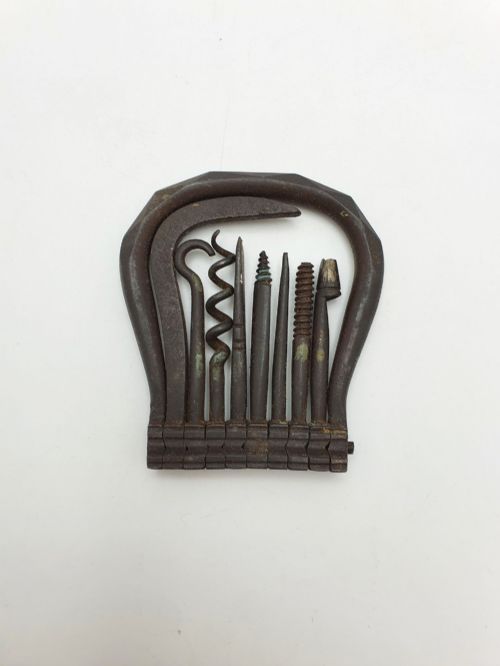
- A folding pocket instrument containing several distinct implements alongside the main blade, such as corkscrews, punches, or specialised veterinary lancets. These reflect high mechanical ingenuity for portable use.
- Vesta case
- A small match-safe box often combined with a penknife or pocket knife in nineteenth-century designs. They provided a secure, dry enclosure for matches before safety matches became universal.
Antique Pocket Knife: Frequently Asked Questions
What is an antique pocket knife used for?
These folding instruments served varied practical functions including cutting fruit, sharpening quill pens, veterinary work, and general outdoor tasks. Many doubled as status symbols or personal accessories decorated with precious metals and carved handles.
Today, collectors appreciate them for their mechanical ingenuity and the variety of materials used in their construction, displaying them as desk accessories or cabinet pieces rather than utilising them for daily chores.
How do I date an antique pocket knife?
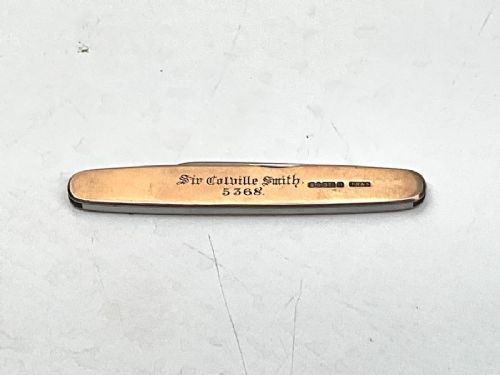
Dating relies on examining the materials, construction methods, and any hallmarks stamped onto the silver or gold components. Georgian and Victorian pieces often feature natural materials like mother of pearl, tortoiseshell, and hand-carved wood.
Later nineteenth and twentieth-century examples may incorporate early plastics such as celluloid or ivorine, alongside maker names stamped onto the steel blades to help narrow down the period of manufacture.
Are silver fruit knives safe to use?
Silver blades were originally intended to avoid the metallic taste imparted by steel when cutting acidic fruits like citrus. While physically capable of cutting, antique folding pieces are generally preserved for collection rather than regular modern dining.
Opening and closing older mechanisms repeatedly can cause wear to the delicate pins and handle scales, so gentle handling is advised for fragile mother of pearl or carved treen.
What materials are common in antique pocket knife handles?
Makers utilised a wide array of organic and synthetic substances to form the outer scales of folding knives. Mother of pearl, tortoiseshell, carved boxwood, and wrought iron appear frequently across different centuries and styles.
By the late nineteenth century, early manufactured materials like celluloid and ivorine became popular for decorative handles, often carved with figural or erotic scenes.