
Cast Bronze Animal Sculpture
These cast bronze animal sculpture pieces capture wildlife and domestic animals with anatomical observation, offering collectors enduring metalwork from the nineteenth and early twentieth centuries.
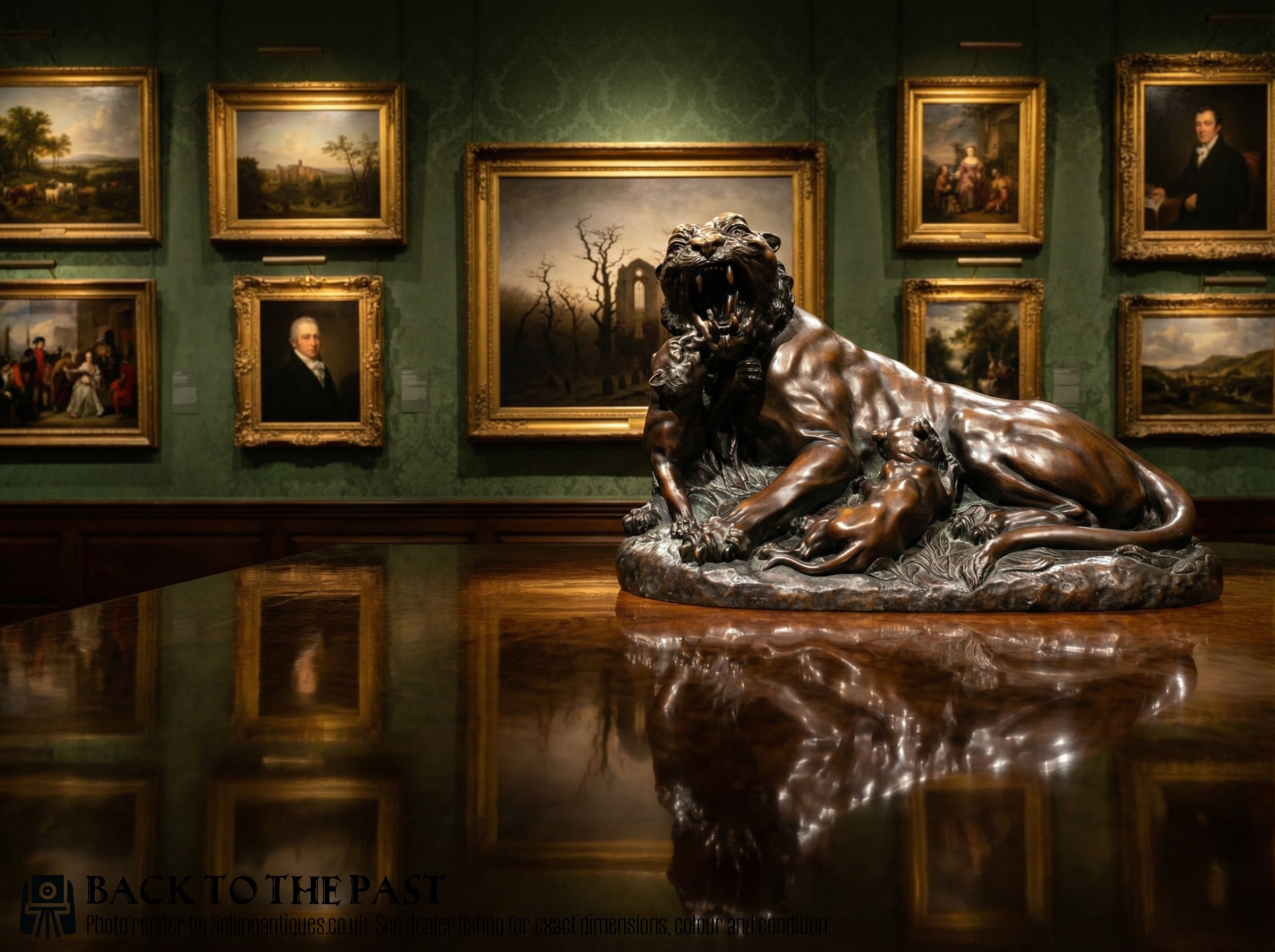
Cast Bronze Animal Sculpture
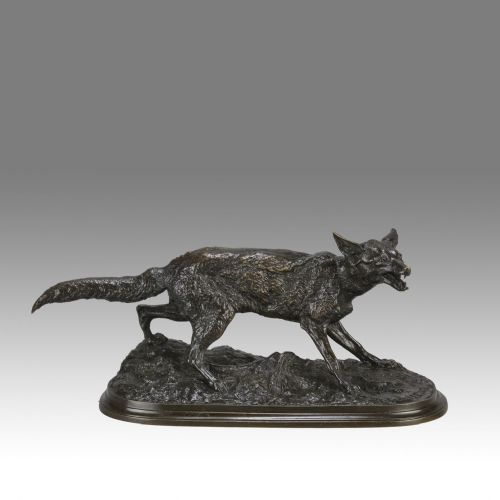
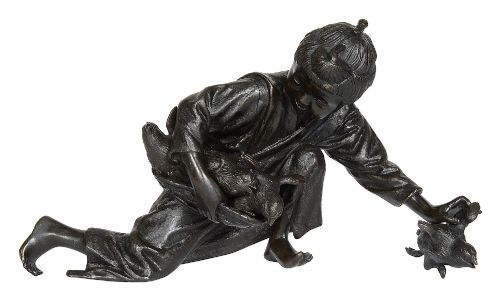
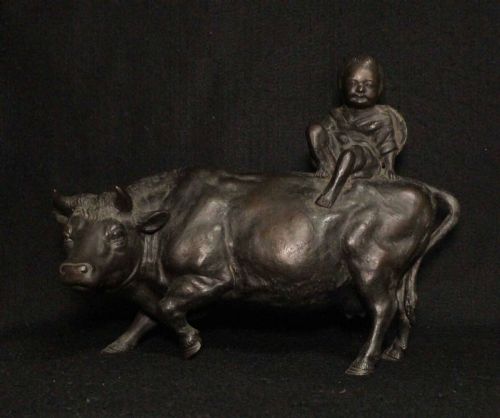
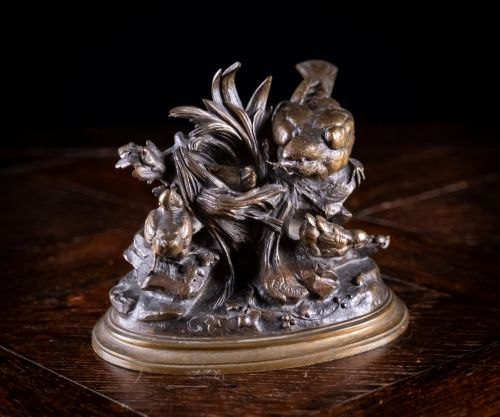
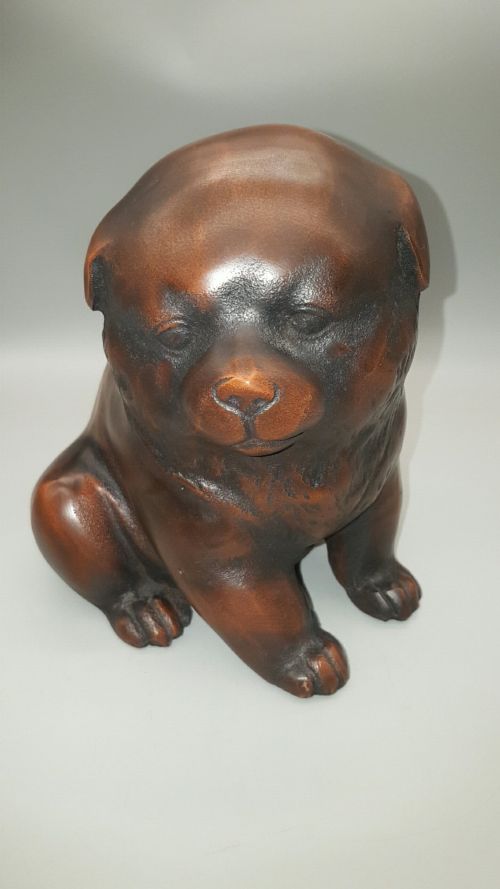
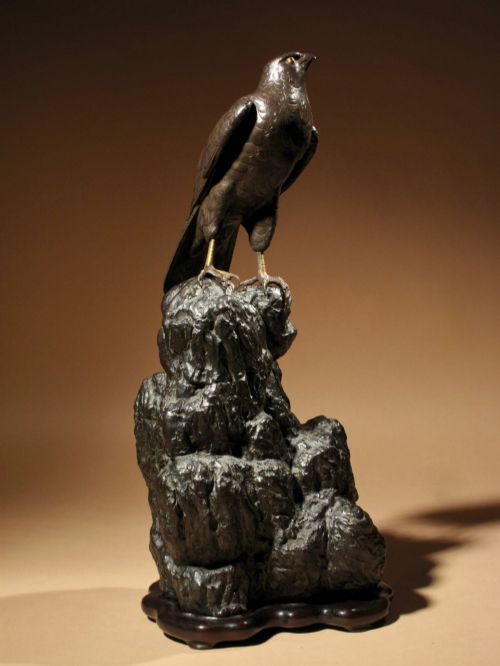
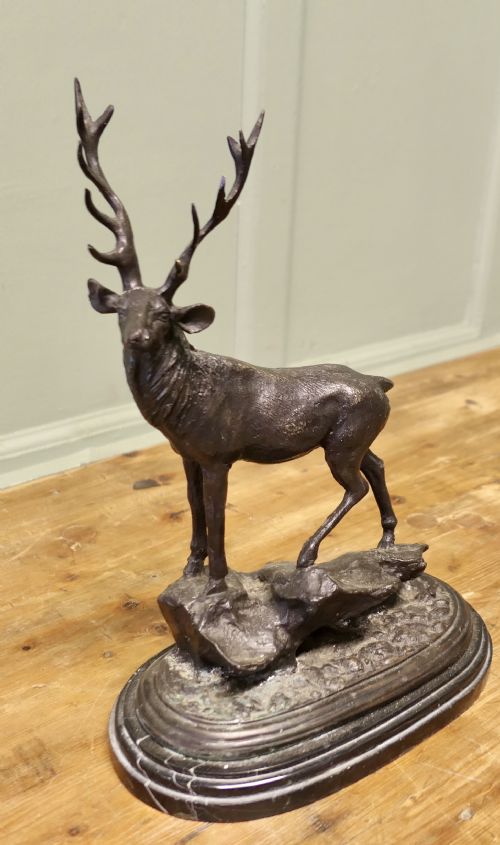
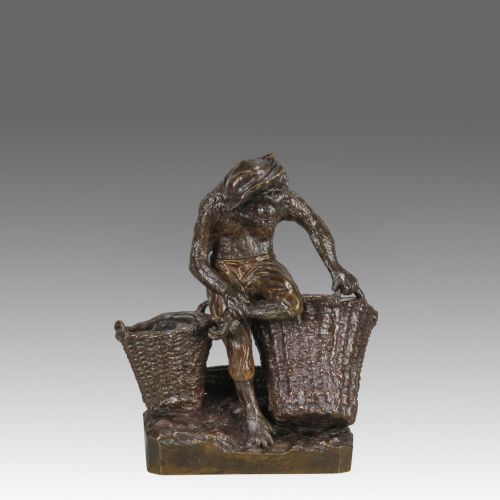
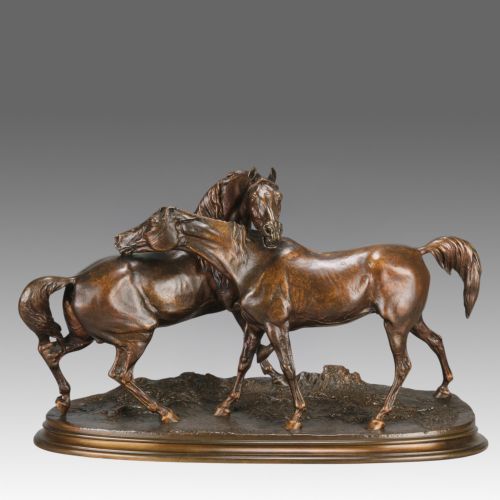
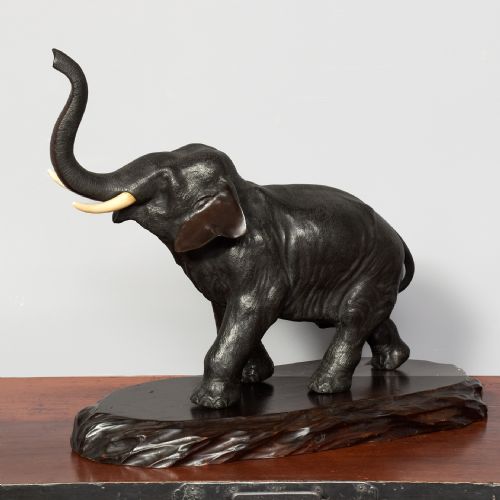
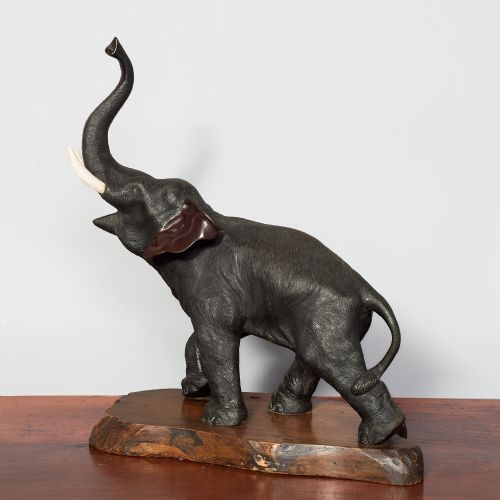
When searching for a cast bronze animal sculpture, buyers encounter works ranging from European animalier studies of hounds, stags and big cats to Japanese Meiji period okimono depicting elephants, horses and birds. These figures appear as standalone table bronzes, practical bookends, and garden fountain spouts.
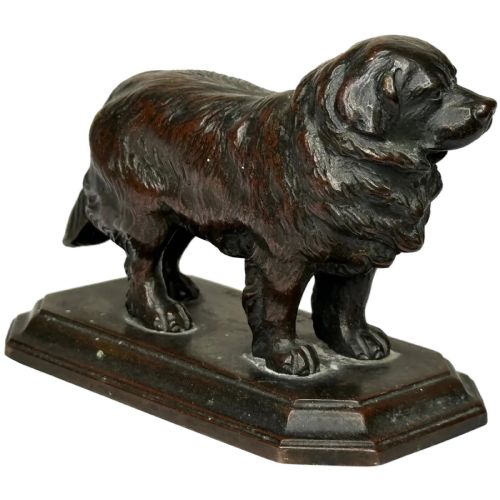
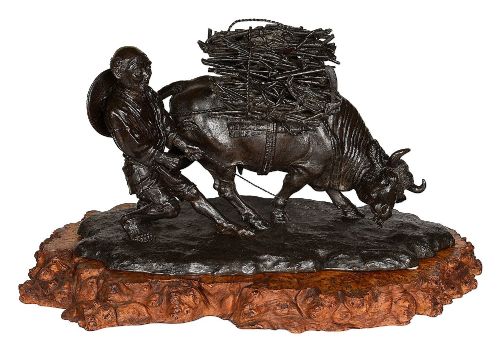
The selection on this page leans heavily toward nineteenth century French animalier casting and Japanese foundry work from the Meiji era. Domestic dogs, farm animals and exotic wildlife are represented with equal frequency, mounted variously on marble plinths, naturalistic bases or burr wood supports.
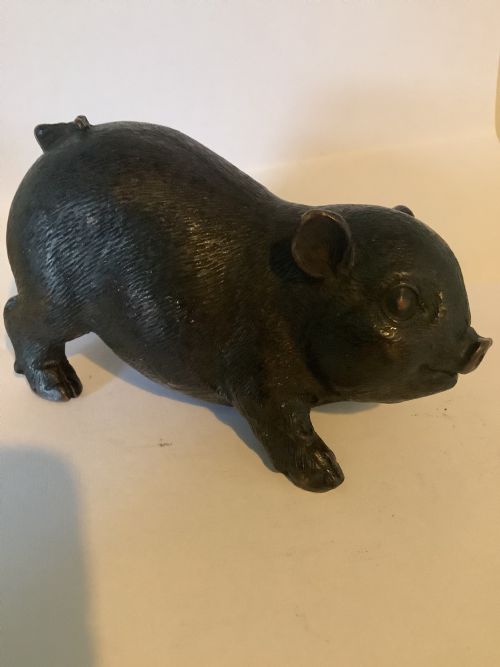
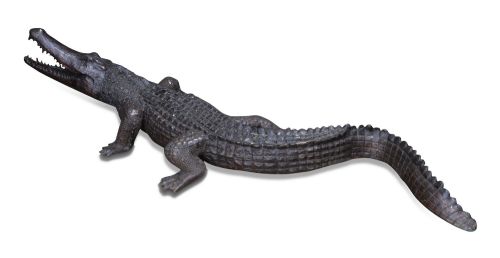
Objects vary from small cabinet figures measuring a few inches to life size crocodiles intended for architectural placement. Collectors find both signed foundry editions by noted sculptors and unsigned decorative models designed for Victorian and Edwardian interiors.
Materials and Casting Methods
Foundries utilised the lost wax casting method or sand casting to achieve fine detail in metal, often finishing the surface with hand applied patination or cold painted polychrome colours. Many works integrate contrasting elements such as ivory tusks, marble plinths, paint or wooden mounts.
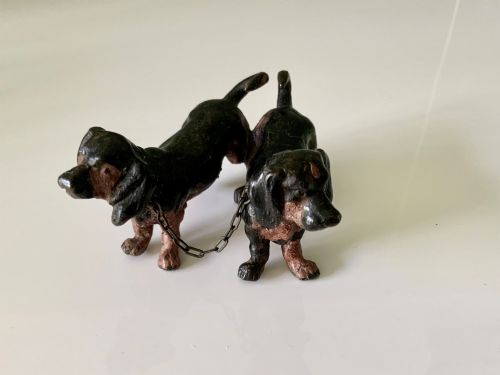
Austrian workshops specialised in cold painted finishes where enamel paints were applied to the warm metal surface without firing. Japanese Meiji period bronzes relied on intricate chiselling and patination techniques developed by traditional metalworkers and specialised foundries.
Cast Bronze Animal Sculpture Retail Price Guide 2026
Typical asking prices for cast bronze animal sculpture among the pieces listed under this phrase on Sellingantiques today, from the lower quarter to the upper quarter. They describe what is for sale here now, not the wider market.
Several bronzes double as functional bookends, holding up heavy volumes with the weight of sea lions, squirrels and stags.
Evaluating the Castings
Quality rests in the fidelity of the anatomical modelling, the crispness of the chasing after casting, and the depth of the patination. Superior examples retain fine surface texture in fur, muscle and feather without the softening that occurs in worn or secondary moulds.
The sophistication of the base and the integration of auxiliary materials like marble or ivory distinguish workshop output. Signed pieces by established European sculptors or named Japanese master founders demonstrate greater precision in proportion and surface finish.
P J Mêne·Christophe Fratin·Antoine L Barye·Franz Bergman·Alfred Barye·Alfred Dubucand·Victor Peter·Delabrierre
The Cast Bronze Animal Sculpture Glossary
- Animalier
- A nineteenth century artistic movement focused on the realistic portrayal of animals, particularly predators, horses and domestic hounds. French sculptors led this genre with dynamic studies cast in bronze.
- Cold Painted Bronze
- A technique where bronze figures are painted with unfired oil or enamel colours. This method was widely used by Austrian foundries to create vibrantly coloured birds, reptiles and human figures.
- Okimono
- A Japanese term for a freestanding decorative object or sculpture meant for display on a shelf or tokonoma. Meiji period examples frequently depict animals and figures rendered in bronze with meticulous detail.
- Patina
- The surface coloration and sheen developed naturally through age or applied chemically by the foundry. Bronze patinas range from deep brown and black to green and golden tones.
- Chasing
- The process of hand finishing a cast metal sculpture using chisels and punches to refine details and remove casting flaws. Master founders used chasing to restore texture to fur and feathers.
Cast Bronze Animal Sculpture: Frequently Asked Questions
What is an animalier bronze sculpture?
An animalier bronze is a nineteenth century sculpture focusing on realistic animal forms, popularised by European artists who studied anatomy in menageries.
These pieces capture wildlife in motion or repose, cast in metal and finished with varied patination.
What is a Meiji period bronze?
Meiji period bronzes originate from Japan between 1868 and 1912, a time when metalworkers produced highly detailed okimono and animal figures.
These works are noted for precise casting, intricate chiselling and naturalistic bases.
How should I clean antique bronze?
Antique bronze should be dusted gently with a soft dry cloth to preserve the original patina.
Avoid chemical polishes or water, which can strip the historical surface finish and damage patinated or cold painted details.