

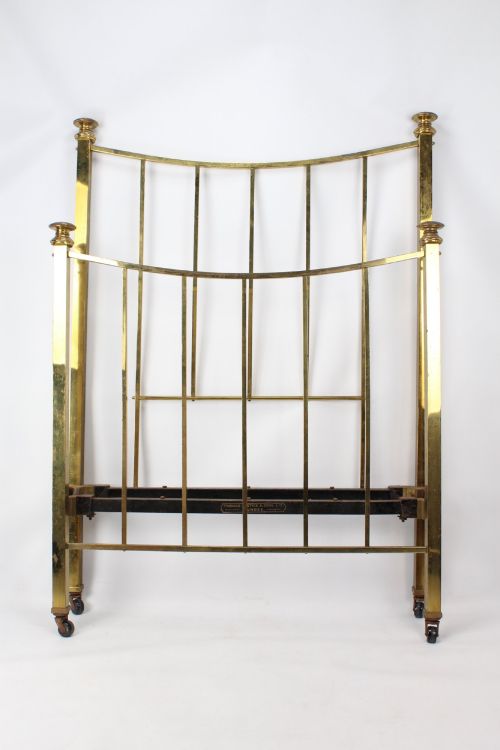
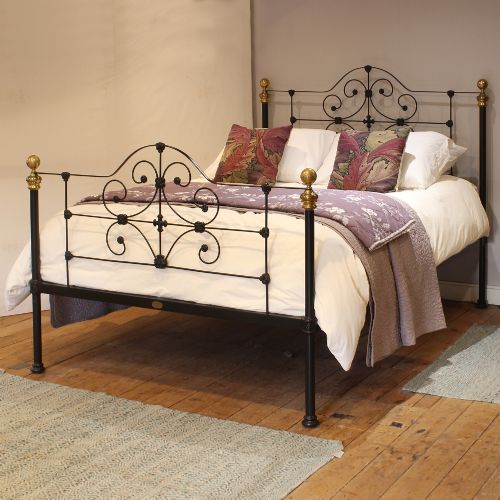
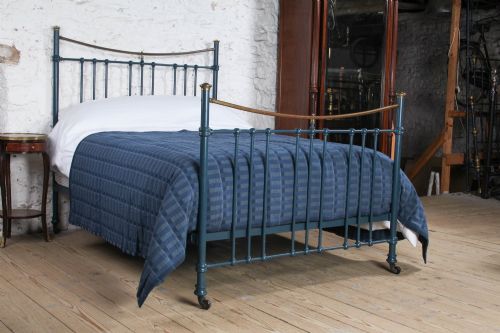
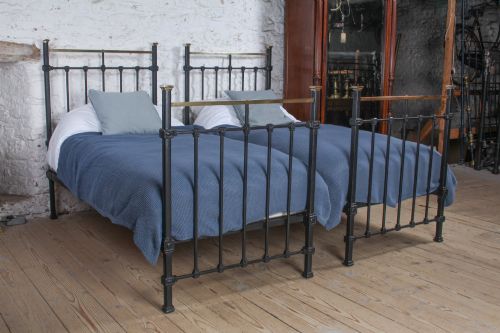
Cast Brass Frame
A cast brass frame holds a mirror or photograph with crisp relief and substance.
Cast Brass Frame
When you search for a cast brass frame, you encounter decorative objects designed to display photographs or reflect light from walls and dressing tables. The pieces meeting this description span the Victorian and Edwardian periods, stretching from the mid-nineteenth century into the early twentieth century.
The archive and active selection show these items appearing predominantly as table mirrors, wall mirrors, and photograph frames. Many examples incorporate figural motifs, such as cherubs, alongside pierced or chased ornamentation typical of nineteenth-century metalwork.
How they were made
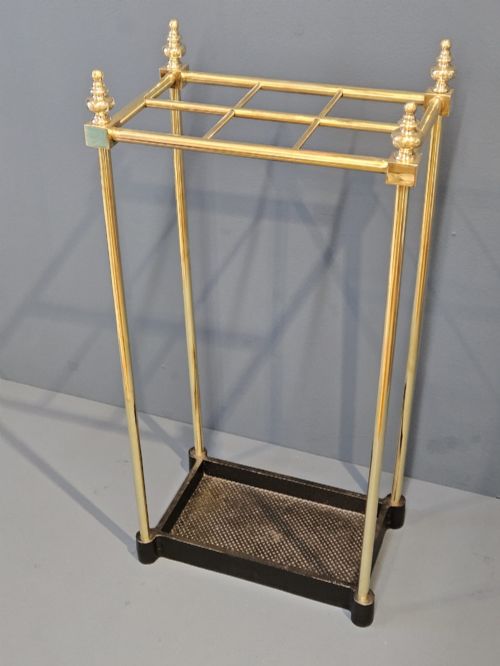
Molten brass was poured into sand or metal moulds to achieve heavy, complex relief work before being hand-finished. Makers utilised iron and glass alongside the primary brass structure in composite pieces such as mirrors and umbrella stands.
Surfaces were often polished to a bright finish or gilded, while some domestic items incorporated bevelled mirror glass secured by backing plates. Casting allowed for repetitive production of intricate decorative borders while retaining sharp detail in the metal.
Cherubs peer out from heavy Victorian brass borders, holding up photographs long before digital screens existed.
What varies in quality
The distinction between ordinary and superior pieces lies in the crispness of the casting and the depth of the relief. Heavy gauge metal and careful hand-chasing separate standard production items from exhibition quality examples with elaborate figural details.
Makers' marks and registration numbers stamped into the metal indicate design protection and original registry. Superior frames display robust structural integrity in their backstands and hanging loops, maintaining rigid alignment over time.
R W Winfield
The Cast Brass Frame Glossary
- Cast brass
- Metal poured into a mould while molten to form solid shapes with three-dimensional surface decoration. This method produces heavier and more complex borders than rolled or stamped sheet metal.
- Bevelled glass
- Mirror or glass plate with angled edges ground down to a thinner profile near the border. This technique refracts light and adds perceived depth to the reflection.
- Chasing
- Metalwork technique where a hammer and punch refine and sharpen the cast surface from the front. This manual detailing enhances the depth of floral or figural motifs.
- Registration number
- Official serial number issued by the British Patent Office indicating the date a design was legally protected. These numbers help date objects accurately within the nineteenth and twentieth centuries.
Cast Brass Frame: Frequently Asked Questions
How do I clean cast brass?
Dust the surface regularly with a soft, dry cloth to prevent dirt accumulation in the recessed details of the casting. Avoid harsh abrasive cleaners that strip the original patina and wear down delicate relief work.
Apply a mild, non-acidic brass cleaner sparingly if polishing is necessary, working it gently into the crevices with a soft brush. Rinse and dry thoroughly to prevent residue build-up in the textured patterns.
Are these frames heavy?
Solid cast brass and integrated iron components create considerable weight in these frames and mirrors. Tabletop versions require stable surfaces to support their substantial mass without tipping.
Wall-mounted examples need secure fixings into solid masonry or proper wall studs to bear the load safely. The weight generally indicates the thickness of the metal used in the original casting.
How do I date a brass frame?
Examine the backplate, fixings, and any stamped registration numbers or maker marks for chronological clues. Victorian pieces often feature heavier casting sand textures and simpler easel backs compared to Edwardian designs.
Stylistic shifts from ornate rococo revival motifs to lighter aesthetic movement lines also help determine the period. Patina and wear patterns on the brass surface accumulate naturally over decades.