

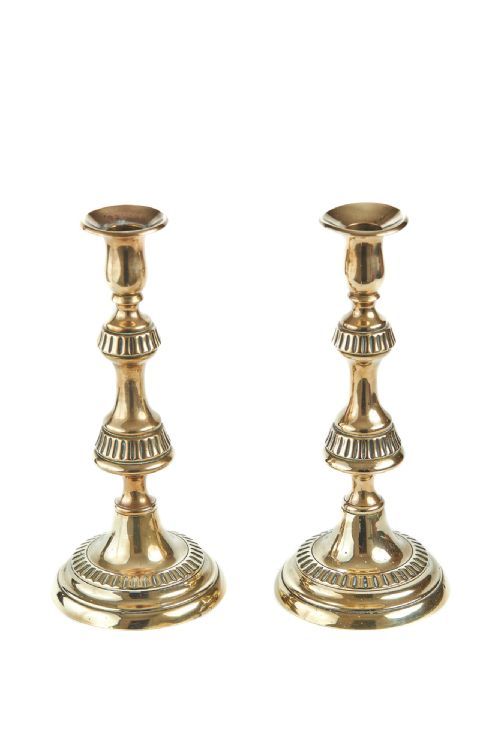
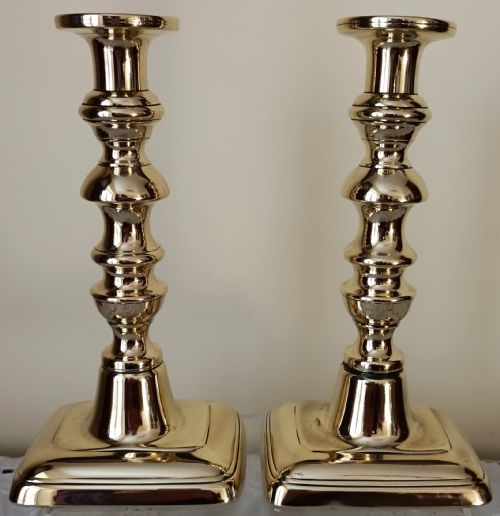
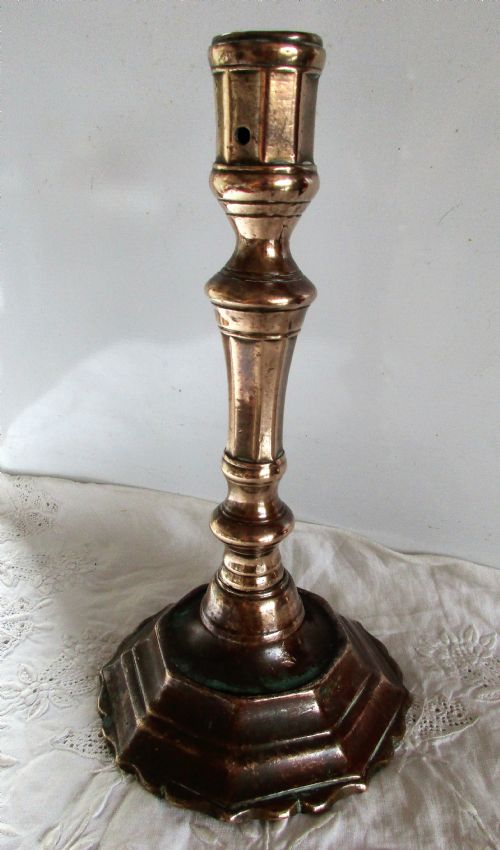
Cast Brass Candlestick
These cast brass candlestick examples span centuries of domestic and ecclesiastical lighting, offering solid weight and enduring metalwork for the interior.
What a cast brass candlestick is
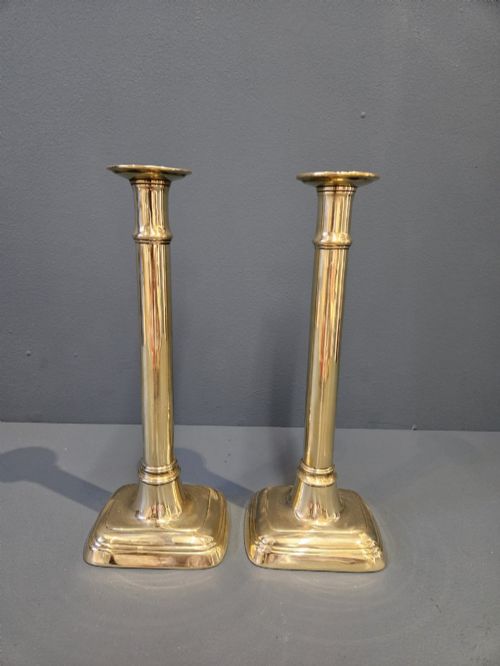
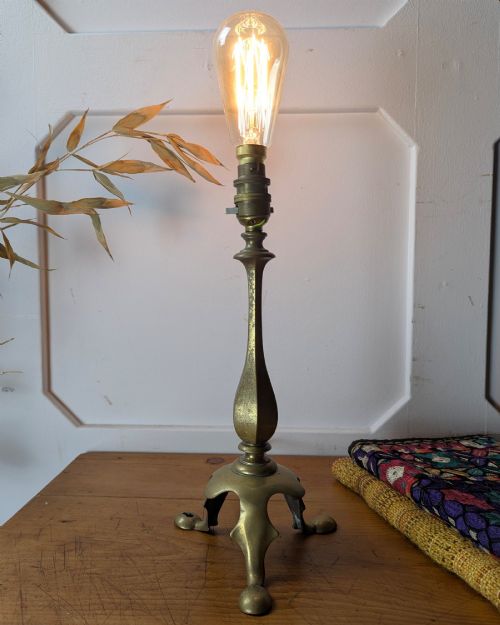
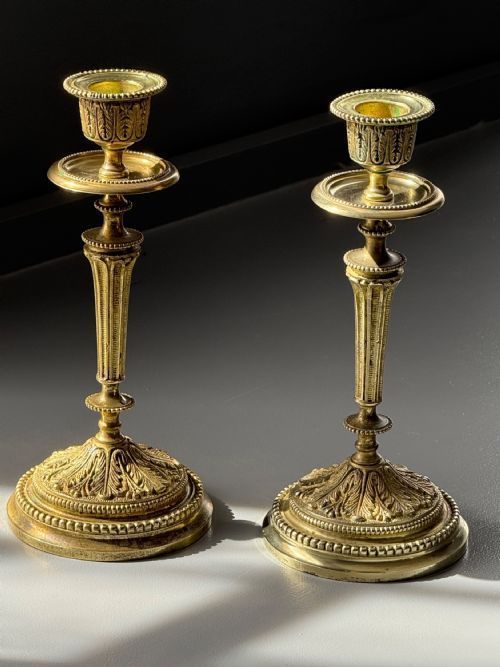
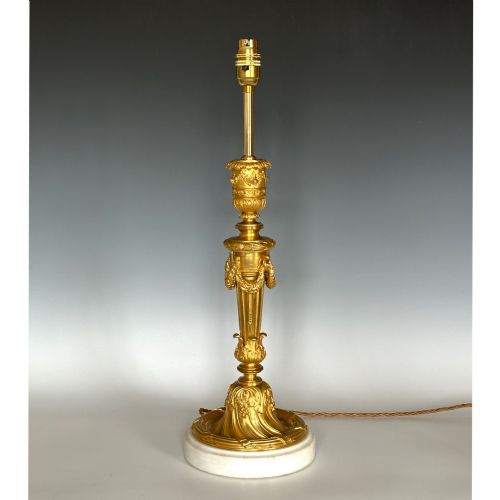
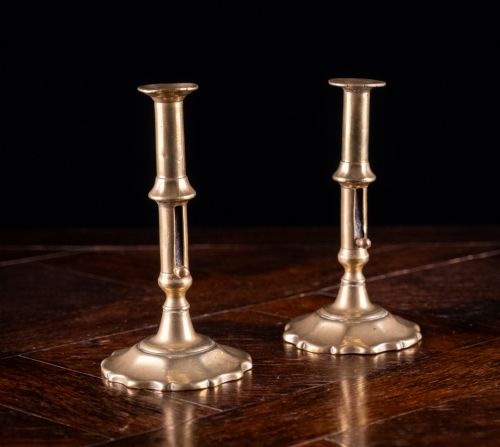
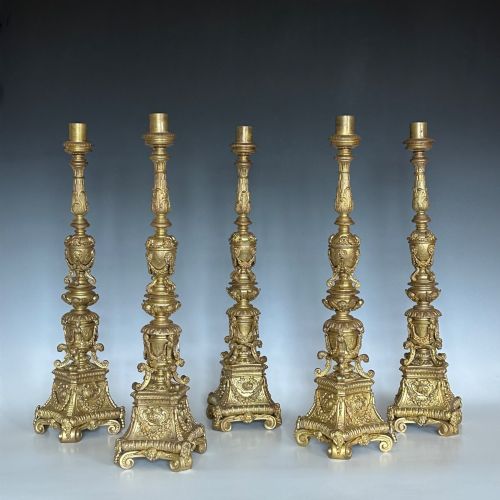
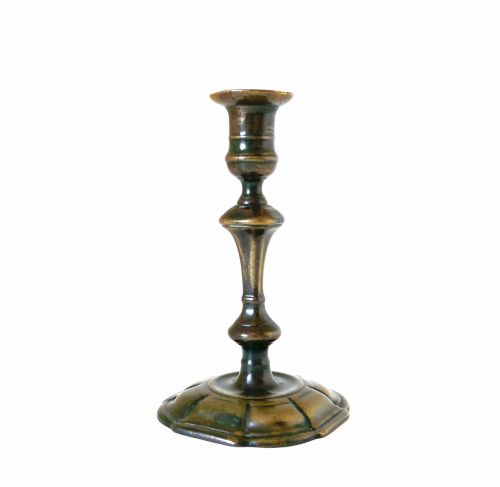
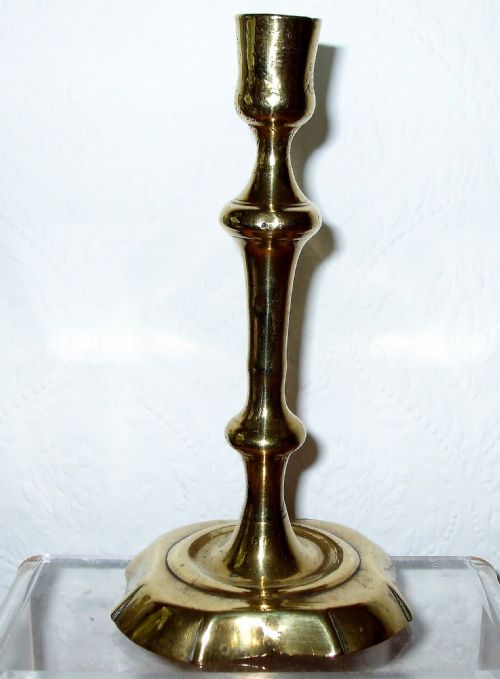
A cast brass candlestick provides a sturdy and functional support for wax candles, appearing across seventeenth, eighteenth, and nineteenth century forms. Pieces range from early Georgian multi-knopped stems with petal bases to later Victorian ecclesiastical, barley twist, and Art Nouveau designs.
Makers fashioned these lighting devices in both single examples and matched pairs, utilising brass as the primary metal. Styles move through Queen Anne, Baroque, Neoclassical Revival, and Gothic influences depending on the period of production.
How they were made
Foundries utilised casting techniques to shape molten brass into solid stems, bases, and sconces. Many items combine this cast metalwork with turned elements or incorporated materials such as oak.
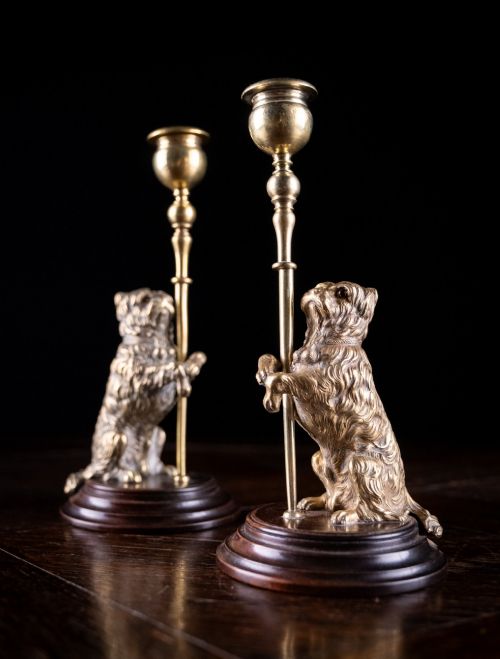
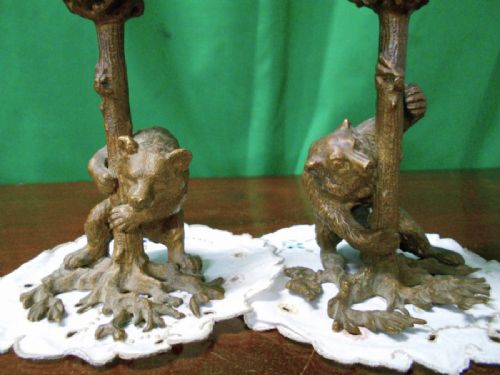
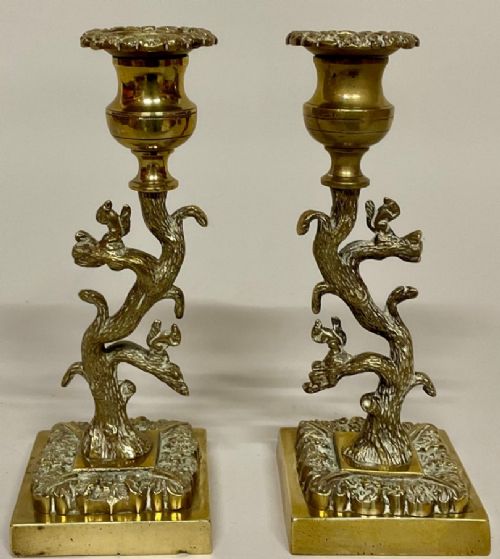
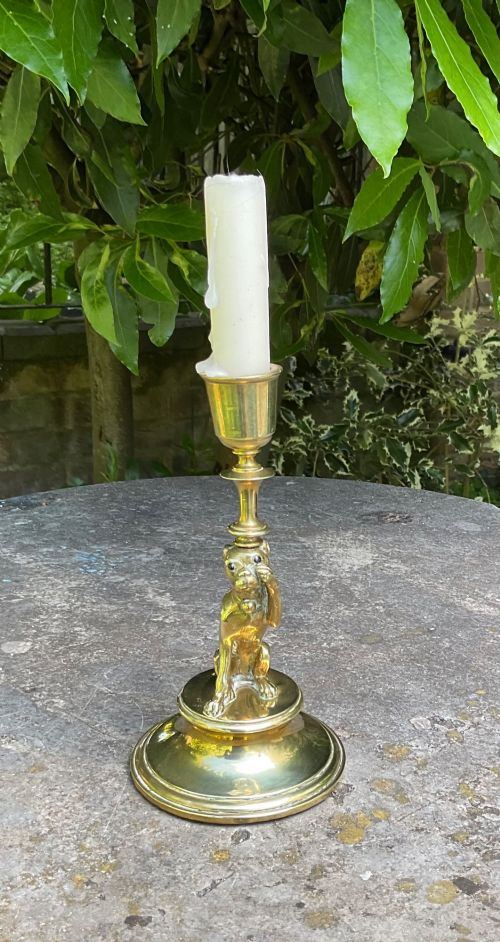
Craftsmen finished the surfaces through polishing, sometimes applying gilding or creating open twist and serpentine profiles. Detail work includes reticulated bases and decorative cast motifs like cherubs and cobra designs.
Retail Price Guide 2026
Typical UK retail prices for cast brass candlestick, calculated from the Sellingantiques database of over a million retail prices indexed since 2003. This retail price guide relies exclusively on Sellingantiques data; no external sources or auction records are used, so the figures do not describe the wider market.
Listings feature solid brass items spanning the seventeenth through to the nineteenth century, incorporating Georgian, Victorian, and Art Nouveau styles.
What varies in quality
Substance and weight separate the sturdier items from lighter production, with solid heavy casting providing greater stability. Superior examples exhibit crisp detail in decorative knops, bases, and cast ornamentation.
The sophistication of the design dictates distinction, moving from utilitarian church lamps to finely proportioned Georgian and French seventeenth century examples. Original pairing also influences the character of the surviving items.
William Tonks
The Cast Brass Candlestick Glossary
- Knop
- A knob or rounded lump on the stem of a candlestick. Multi-knopped stems feature several of these decorative projections.
- Sconce
- The socket at the top of a candlestick that holds the candle in place. It catches dripping wax during use.
- Petal base
- A foot shaped to resemble spreading flower petals. This form appears frequently on eighteenth century examples.
- Barley twist
- A spiral form carved or cast into the stem. This style gains popularity during the Victorian period.
- Reticulated base
- A support featuring an openwork pattern or net-like design. It adds visual lightness to heavy cast metal.
Frequently Asked Questions
Were these candlesticks made in pairs?
Foundries produced both single items and matching pairs for domestic mantelpieces and tables. Pairs frequently survive together from the Georgian and Victorian eras.
Ecclesiastical and church settings also utilised matched pairs for altars and large rooms. Single pieces often survive from earlier seventeenth century production.
What is an ecclesiastical candlestick?
Ecclesiastical examples are larger pieces designed specifically for use in churches and religious ceremonies. They often feature robust cast construction to support heavy altar candles.
These items frequently display Gothic or traditional liturgical design motifs. Their substantial size sets them apart from standard domestic lighting.
How should I clean antique brass?
Cleaning antique brass requires gentle methods to preserve the patination accumulated over centuries. Harsh chemical polishes can strip the historic surface character.
Regular dusting and careful wiping with a soft cloth maintain the metal safely. Many collectors prefer to retain the aged tone rather than aiming for a bright shine.