

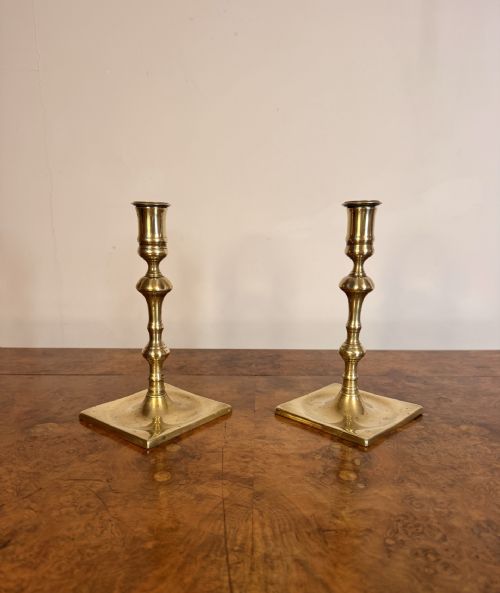
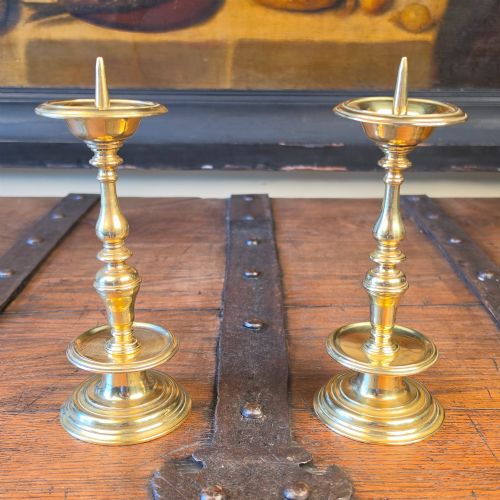
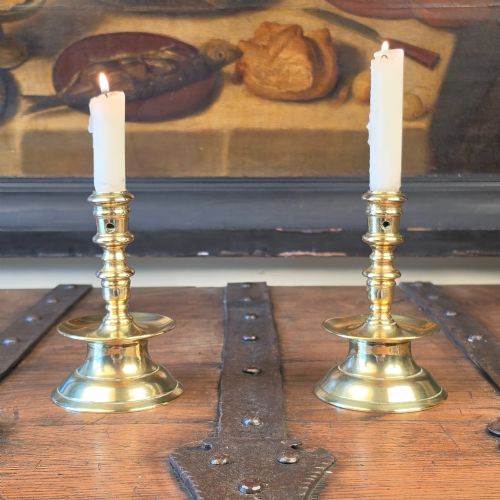
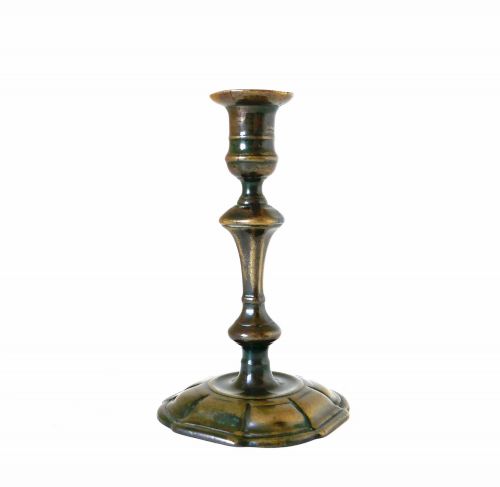
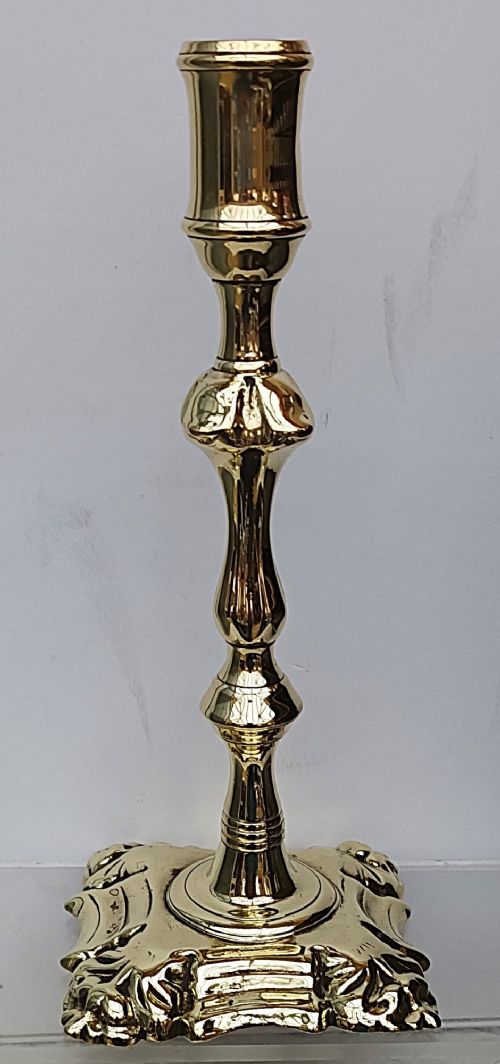
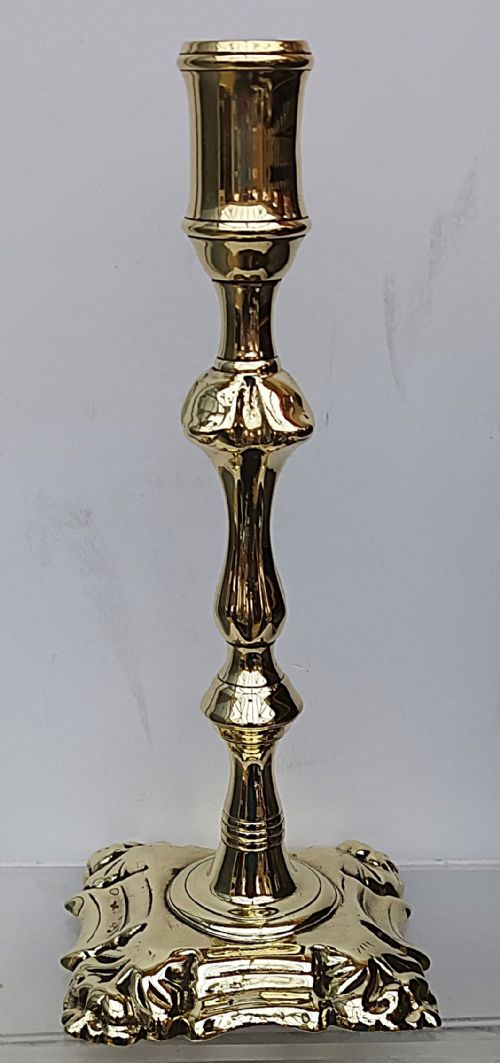
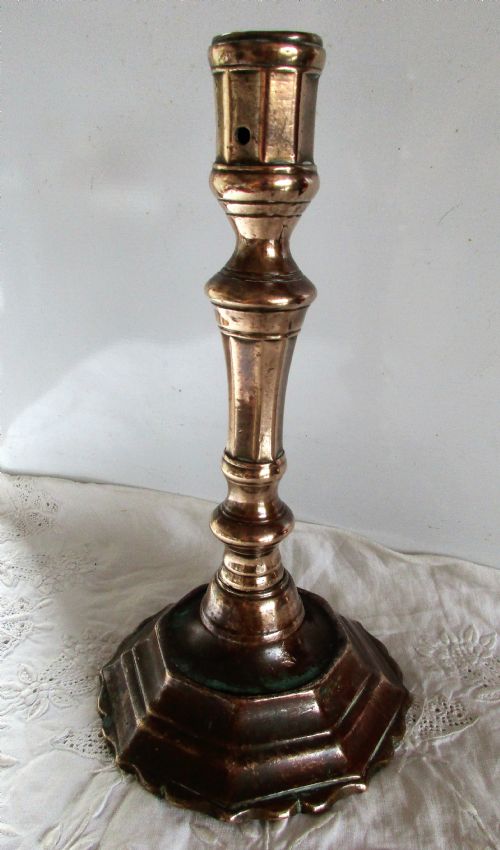
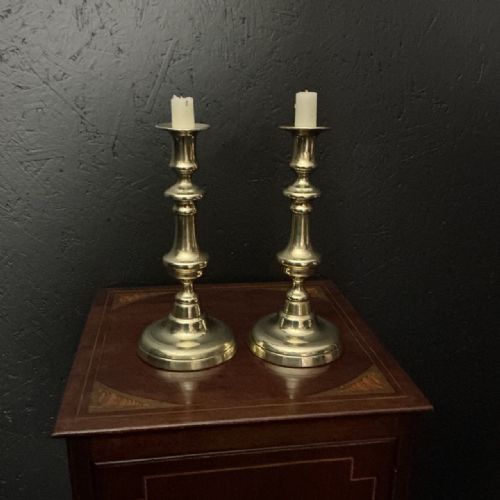


Baluster Brass Candle Stand
These baluster brass candle stand pieces offer genuine period character, uniting solid cast metal forms with time-worn patination that collectors prize.
Baluster Brass Candle Stand
When you search for a baluster brass candle stand, you are looking at utilitarian lighting fixtures shaped with central turned columns from several historical eras. The pieces span the seventeenth, eighteenth, and nineteenth centuries, including Victorian, Edwardian, and Georgian periods.
The selection ranges from single examples to matched pairs, featuring distinct bases such as hexagonal or petal designs. You will also encounter church candlesticks and specific aesthetic movement items incorporating ceramic elements alongside metal.
Origin points vary across English, Dutch, and German workshops, with stylistic revivals appearing in nineteenth-century interpretations. These domestic items provided essential illumination before electric lighting became standard.
Assessing quality and proportion
Quality rests in the crispness of the turning and the proportional balance of the baluster stem against the base. Heavier castings with sharp detail and undisturbed surface patination represent the higher end of the range.
Later revival pieces show different casting textures compared to earlier seventeenth and eighteenth-century examples. The integrity of the joins and the absence of heavy modern polishing determine the overall desirability of each piece.
Baluster Brass Candle Stand Retail Price Guide 2026
Typical asking prices for baluster brass candle stand among the pieces listed under this phrase on Sellingantiques today, from the lower quarter to the upper quarter. They describe what is for sale here now, not the wider market.
Listings incorporate brass, bronze, copper alloy, and ceramic materials spanning the seventeenth through to the early twentieth century.
J.T. & Co
The Baluster Brass Candle Stand Glossary
- Baluster
- A moulded column with a bulbous lower portion tapering toward the top, commonly found supporting the candle nozzle.
- Patina
- The surface sheen and colour acquired by metal through age, handling, and oxidation over many decades.
- Petal base
- A foot design moulded with scalloped lobes resembling flower petals, typical of earlier lighting forms.
- Hexagonal
- A six-sided geometric shape frequently utilised for stability in early eighteenth-century bases.
- Aesthetic Movement
- A late nineteenth-century design style emphasising visual beauty, sometimes combining brass with ceramic inserts.
Baluster Brass Candle Stand: Frequently Asked Questions
How old is my brass candlestick?
Dating relies on examining the base construction, casting seams, and overall form style. Earlier eighteenth-century examples often feature distinct hexagonal or petal bases, while nineteenth-century pieces show smoother machine turning.
Comparing the patination and wear patterns against known period benchmarks helps confirm the approximate decade of manufacture.
Were these used in churches?
Certain larger examples served ecclesiastical purposes on altars rather than domestic tables. These church pieces are typically heavier and taller than standard household lighting.
Their robust construction was designed to hold substantial wax candles for prolonged religious services.
How should I clean antique brass?
Minimal intervention preserves the historical patination that collectors value. Dusting with a soft dry cloth is usually sufficient for regular maintenance.
Avoid aggressive metal polishes that strip away the aged surface character and diminish the visual history of the piece.
Why do baluster stems vary so much?
Turned columns reflect the prevailing design tastes of their specific decade of production. Seventeenth and eighteenth-century turnery prioritised stout, functional proportions.
Later Victorian and Edwardian interpretations often introduced more decorative flourishes and varied column profiles.