
Carved Wooden Writing Table
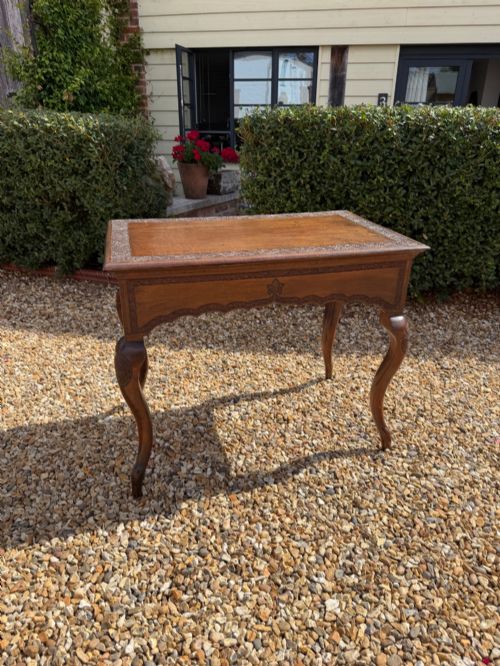
A carved wooden writing table brings tactile warmth and period utility to a room, offering a dedicated surface shaped by centuries of craftsmanship.
Carved Wooden Writing Table
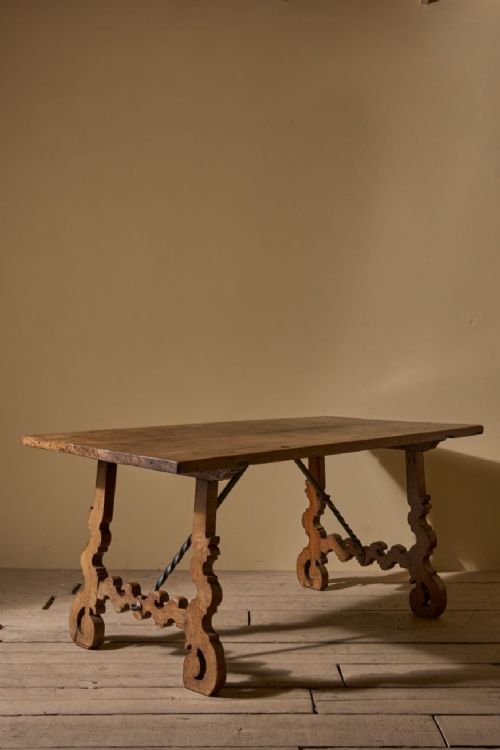
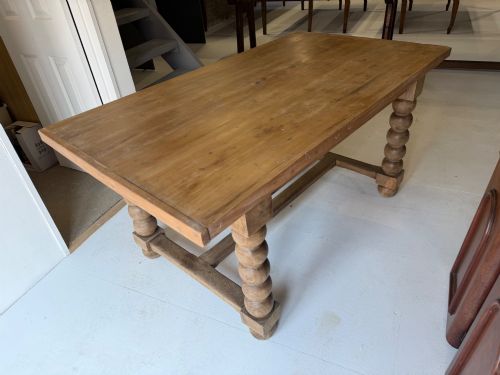
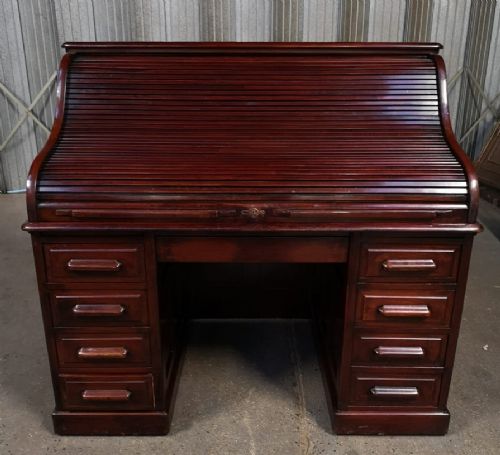
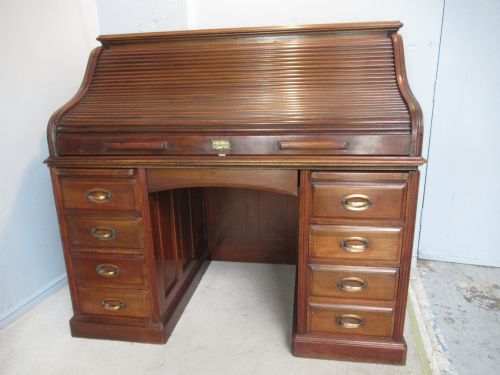
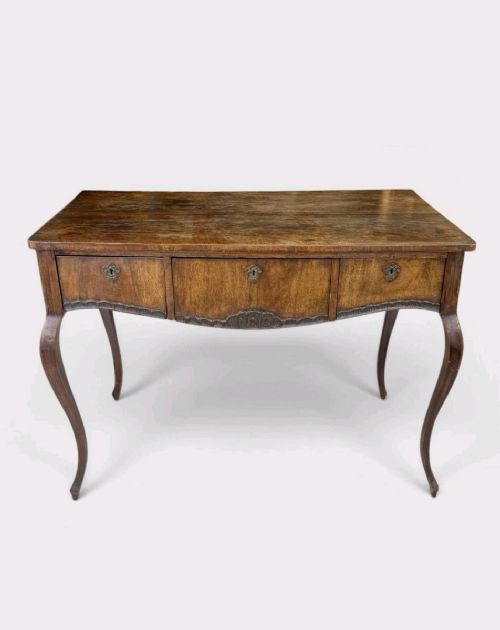
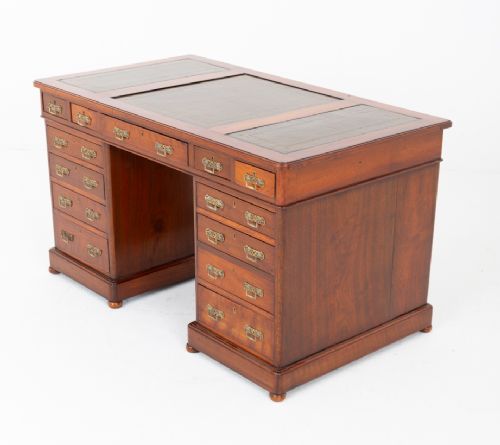
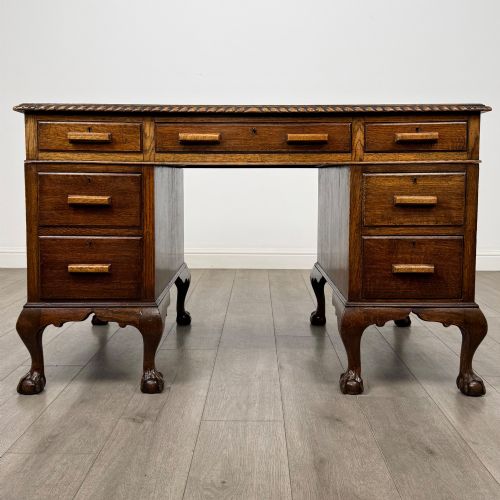
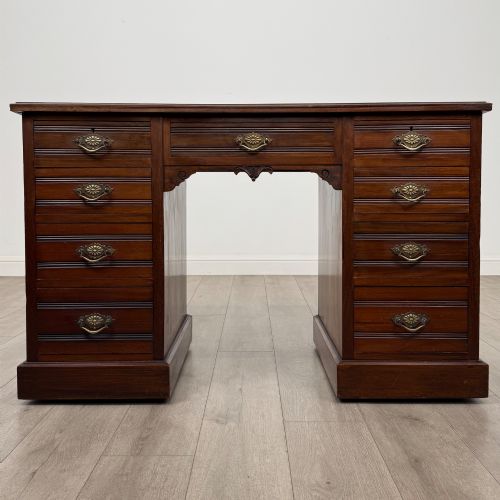
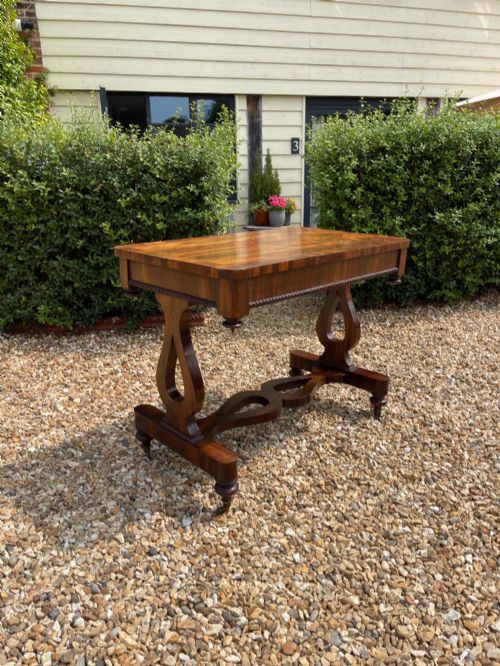
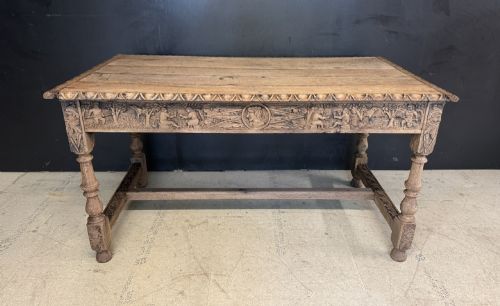
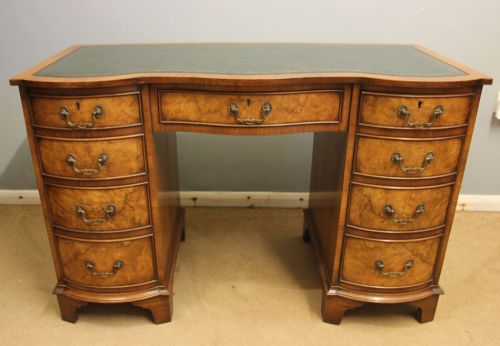
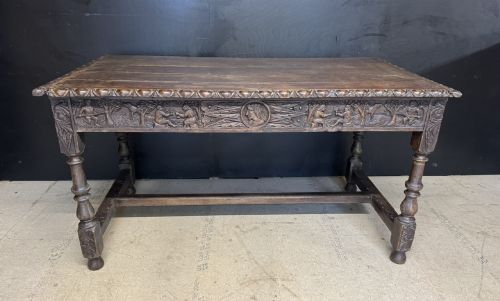
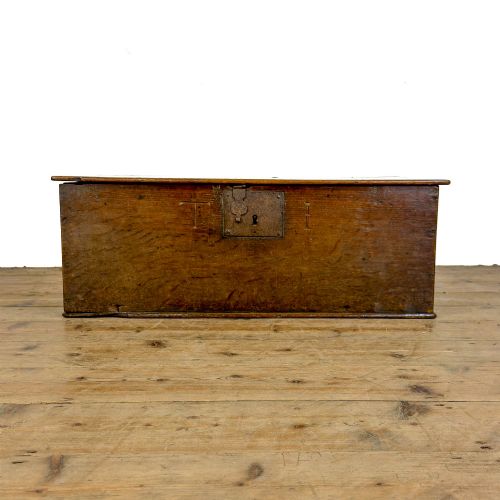
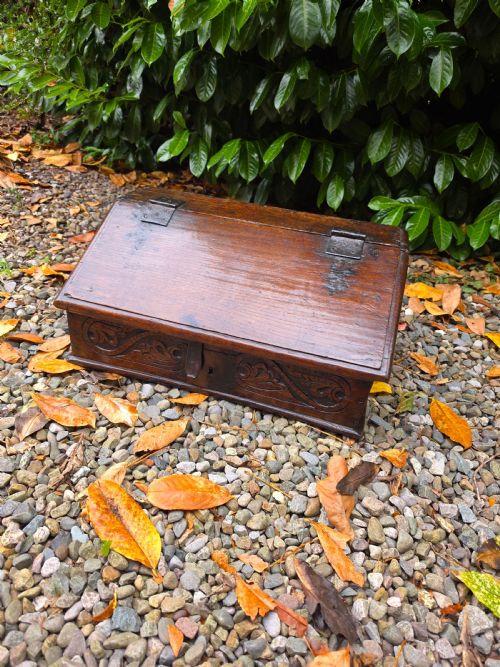
A carved wooden writing table spans heavy seventeenth-century oak bible boxes and substantial nineteenth-century pedestal desks in mahogany, walnut, and burr walnut. These pieces originate from diverse workshops across Britain, Europe, and Asia, reflecting shifting domestic habits over multiple centuries.
Buyers most frequently encounter Victorian mahogany and oak variations featuring drawers, pedestals, or leather inserts. Earlier examples emerge in stripped oak and walnut, while later twentieth-century pieces incorporate lighter woods and distinctive regional carving styles.
The selection ranges from compact ladies writing tables and occasional drop-flap formats to grand partners desks and console tables adapted for correspondence. Each object balances structural utility with decorative carving, fulfilling the practical demands of past studies and libraries.
Evaluating craftsmanship
Quality rests upon the selection of timber, such as highly figured burr walnut or dense, straight-grained mahogany, paired with crispness in hand-carved details. Superior pieces display precise dovetailing in the drawers and seamless integration of secondary woods.
The sophistication of internal fittings, including satinwood interiors and original brass handles or locks, distinguishes standard workshop production from finer commissions. Proportions and structural stability dictate how well a table withstands daily use.
Listings feature woods including oak, mahogany, walnut, burr walnut, maple, beech, and pine across multiple centuries.
James Mein of Kelso·Maple and Co·Étienne Kohlmann
The Carved Wooden Writing Table Glossary
- Pedestal desk
- A freestanding desk comprising two supporting pedestals of drawers beneath a main writing surface.
- Bible box
- A small wooden chest with a slanted lid, historically used for holding texts and writing implements before dedicated desks became common.
- Davenport desk
- A compact Victorian writing desk featuring a sloping top and drawers accessed from the side.
- Burr walnut
- Timber taken from a tree growth or burl, prized for its swirling, highly decorative grain patterns.
- Partners desk
- A large double-sided desk designed for two people to work opposite one another.
- Dovetail
- A joint formed by interlocking wedge-shaped fingers, used to join drawer corners securely.
Carved Wooden Writing Table: Frequently Asked Questions
How do I identify a Victorian desk?
Victorian desks typically display heavy mahogany or walnut construction, often featuring pedestal configurations and turned wooden pulls. Look for dark wax finishes and nineteenth-century construction methods.
Interior components frequently utilise secondary woods like pine alongside hand-cut dovetails on the drawer boxes.
How should I care for an antique wooden desk?
Maintain stable humidity levels and keep wooden writing surfaces away from direct heat sources to prevent timber splitting. Regular gentle dusting preserves the historic finish.
Apply a microcrystalline wax sparingly when the wood appears dry to protect the patina.
What distinguishes a writing table from a side table?
A writing table incorporates drawers or a finished top specifically designed for sitting and composing letters. Side tables are generally lighter and intended for display or general surface use.
Many antique examples blur these definitions through subsequent adaptation.