

Carved Wooden Tapestry
Carved wooden tapestry pieces combine solid timber frames with textile panels, offering functional seating and screens with rich historic character.
Carved Wooden Tapestry
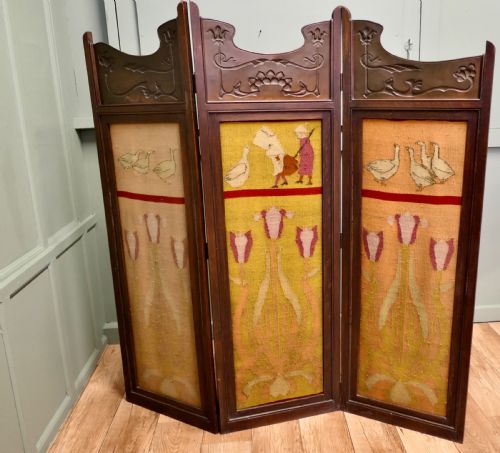
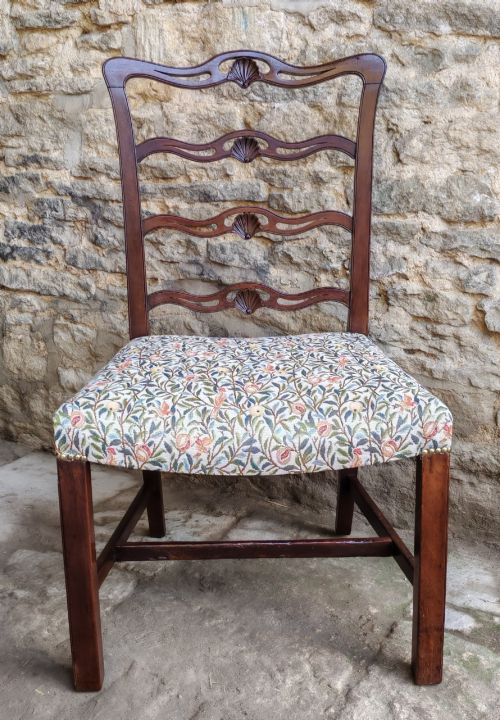
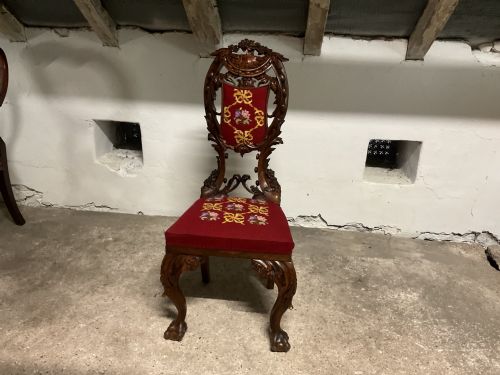
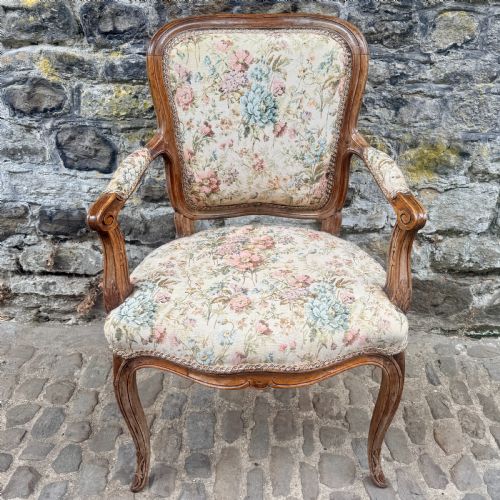
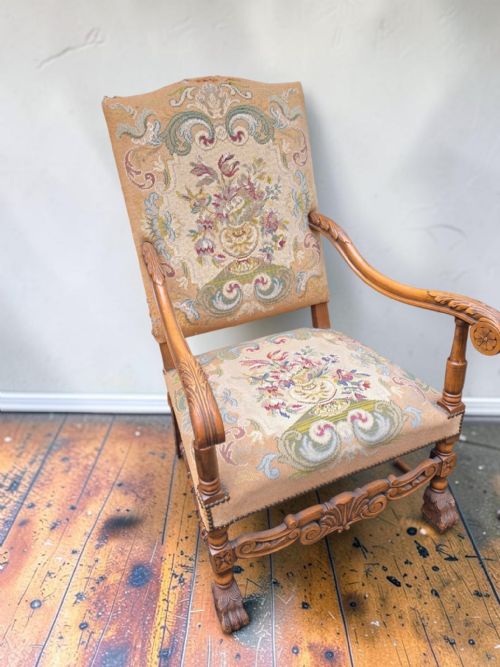
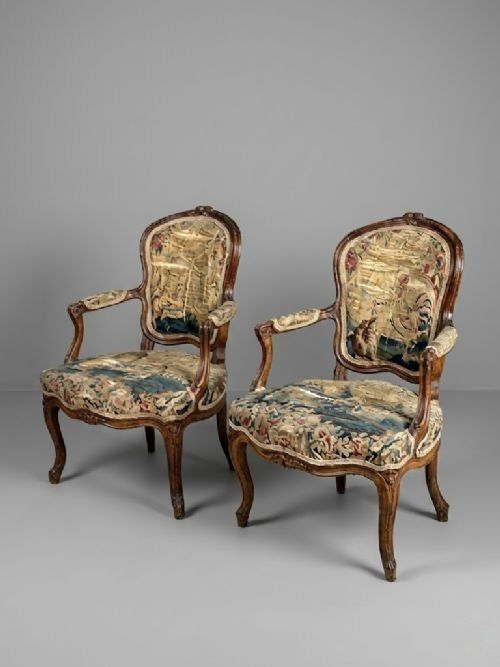
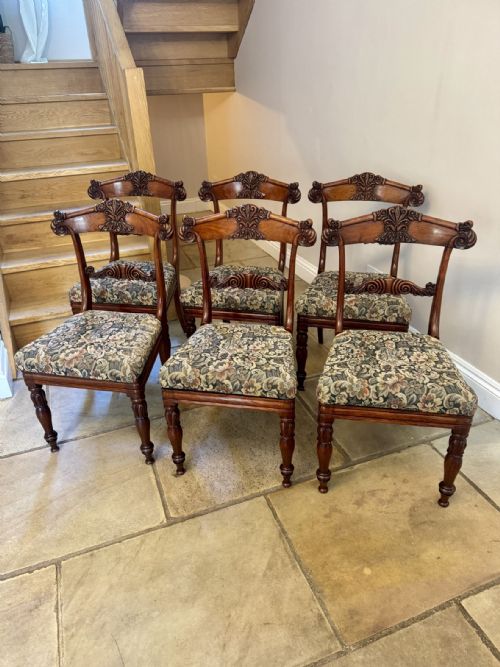
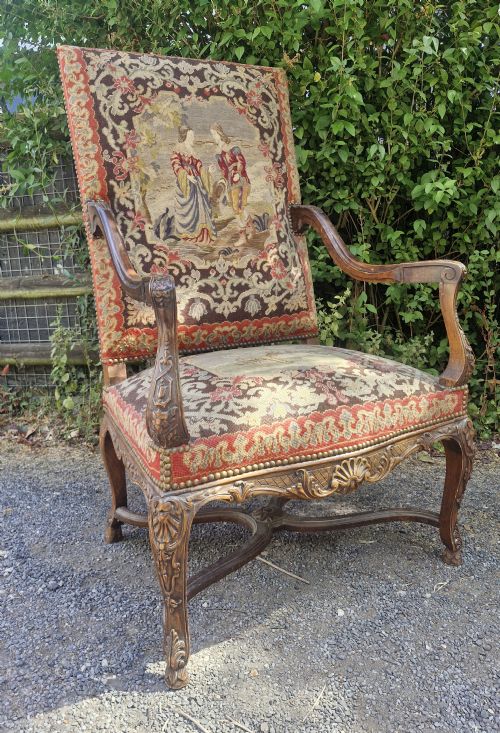
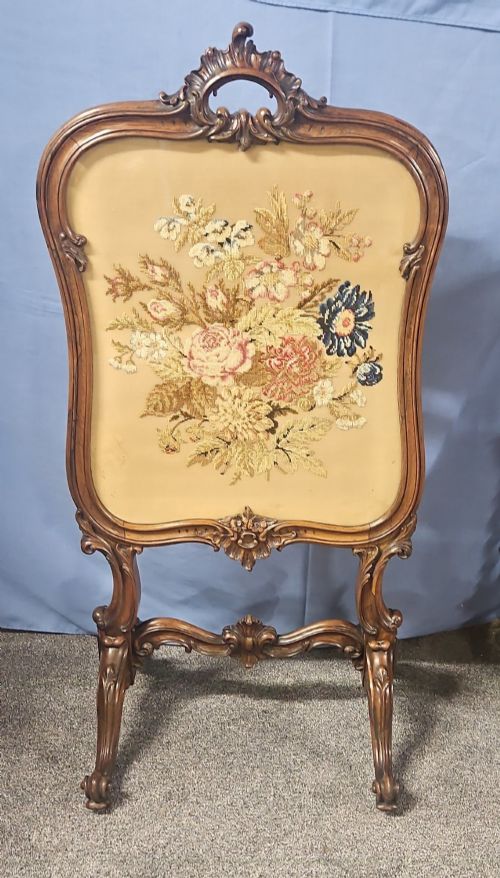
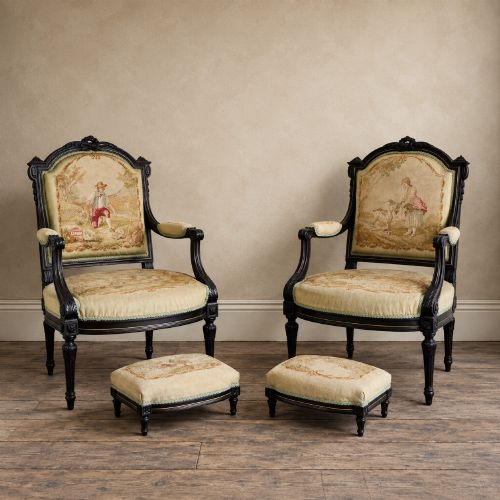
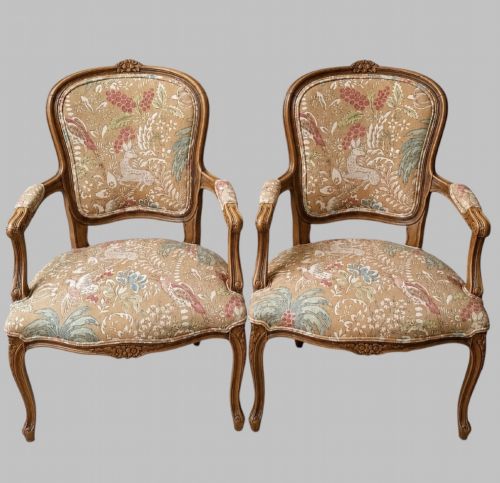
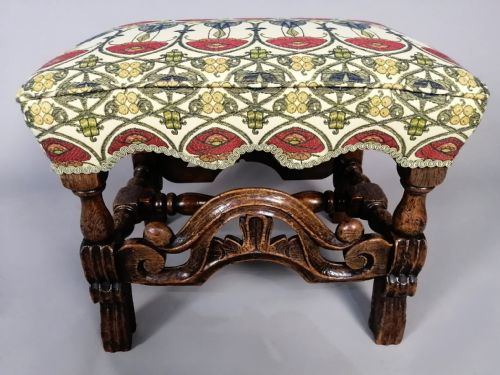
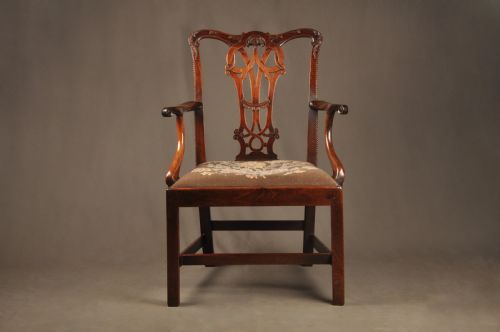
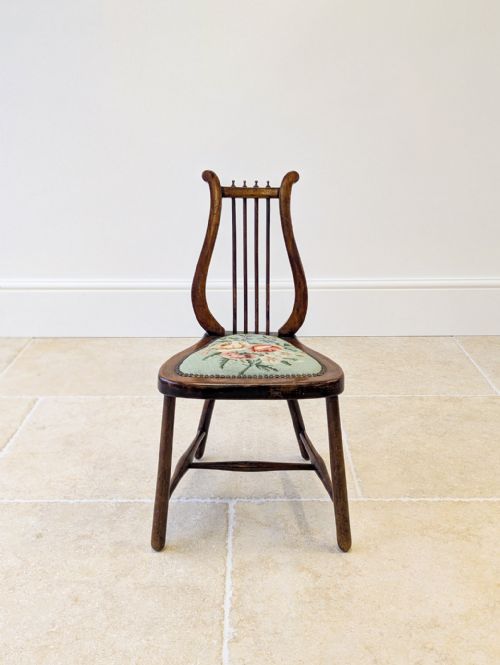
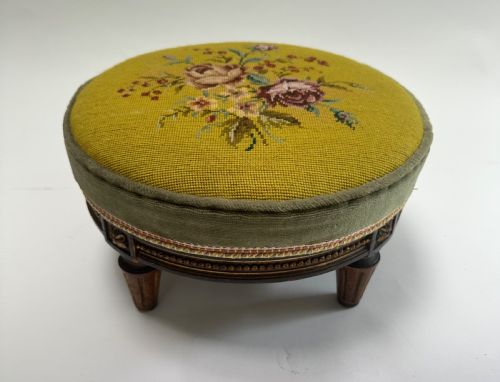
When you search for carved wooden tapestry, you encounter a variety of timber furniture items paired with woven textile panels, needlework, or upholstery. The selection spans seating forms such as armchairs, side chairs, and footstools, alongside functional domestic items like fire screens and folding screens.
You are most likely to meet Victorian and nineteenth-century examples on this page, constructed from woods like mahogany, walnut, and oak. These pieces frequently incorporate revived historical aesthetics, including Louis XV and Chippendale styles, blending carved wooden frames with decorative fabric inserts.
The integration of woodwork and textile creates a distinct decorative object category within these listings. Whether forming the back panel of a screen or the seat of a dining chair, the combination defines the visual appeal of each item.
Materials and construction techniques
Frames rely on hardwoods such as mahogany, walnut, oak, and beech, shaped through traditional carpentry and joinery methods. Carvers applied detailed ornamentation directly to the timber, producing flourishes characteristic of specific periods like the Victorian era or earlier revivals.
Textile elements consist of wool, fabric, and needlework panels, often executed in tapestry or needlepoint techniques. These soft panels are secured directly into the wooden framework of chairs, stools, and folding screens, complementing the carved structural supports.
Listings span periods from the eighteenth century to the early twentieth century, including Georgian, Regency, and Victorian eras.
Assessing quality in carved wooden tapestry
Quality rests in the crispness and depth of the timber carving and the structural integrity of the frame joints. Superior examples display confident hand-carved detailing on woods like walnut or mahogany, whereas lesser pieces show softer, more mechanical execution.
The condition and execution of the tapestry or needlework panels also divide the range. Finely worked wool and textile panels with complex imagery elevate an object above standard production items.
Liberty & Co
The Carved Wooden Tapestry Glossary
- Tapestry
- A form of textile art woven on a loom, or simulated through needlework on canvas. In these listings, it often appears as upholstery or decorative panels.
- Armchair
- A comfortable seat with side supports for the arms, frequently carved from walnut or mahogany and paired with textile upholstery.
- Fire screen
- A movable panel designed to protect occupants from the heat of an open fire. Many examples feature carved wooden frames enclosing needlework or tapestry panels.
- Revival
- A stylistic movement where makers drew inspiration from earlier historic periods, such as Louis XV or Chippendale, adapting those forms for later interiors.
Carved Wooden Tapestry: Frequently Asked Questions
What are carved wooden tapestry items?
These items comprise wooden furniture and screens featuring textile, wool, or needlework panels. They combine structural timber frames with decorative woven elements.
Common forms include armchairs, footstools, dining chairs, and folding screens dating from the eighteenth century through to the early twentieth century.
How were these pieces used historically?
Seating forms provided domestic comfort in parlours and dining rooms, while stools served as footrests or occasional seats. Folding screens and fire screens managed draughts and controlled heat from open hearths.
The textile panels added colour and texture to domestic interiors alongside the carved wooden frames.
How do I live with carved wooden tapestry?
Place seating and screens away from direct sunlight to protect the textile and wool panels from fading. Regular dusting keeps the carved timber surfaces in good condition.
Treat the antique woodwork with appropriate care and avoid placing tapestry screens in damp environments to preserve the natural fibres.
How do I tell periods apart?
Examine the timber species, carving styles, and joinery methods to determine the likely era of manufacture. Georgian and Regency pieces display different proportion and ornament compared to Victorian revivals.
Design motifs often reflect the prevailing taste of the manufacturing date, from eighteenth-century curves to Arts and Crafts simplicity.