

Victorian Needlepoint Frame
When you search for a victorian needlepoint frame, you encounter the timber stretchers and elaborately worked panels that nineteenth-century makers mounted for display or utilised while working.
Victorian Needlepoint Frame
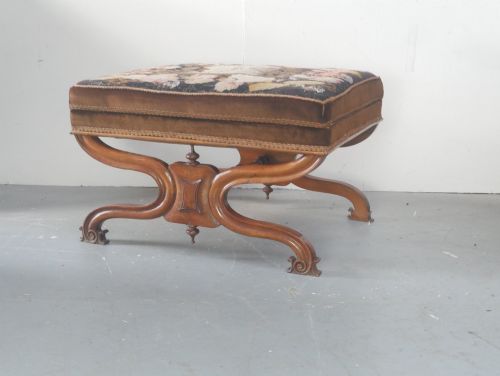
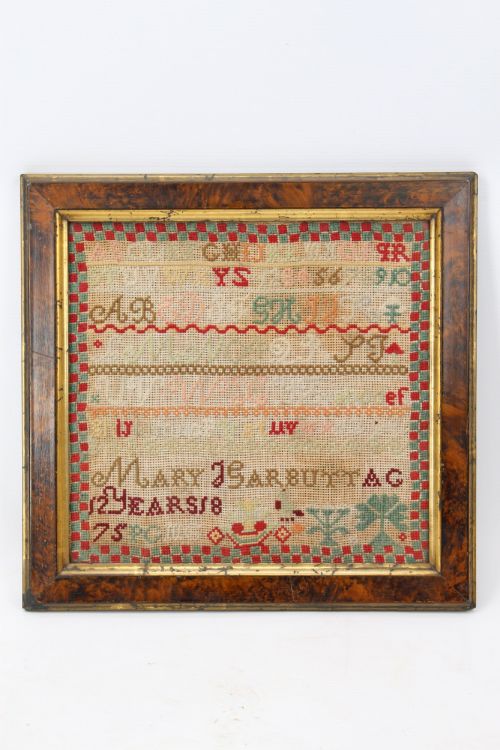
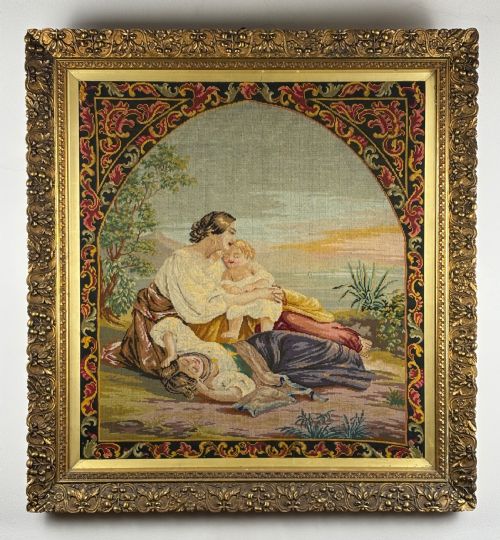
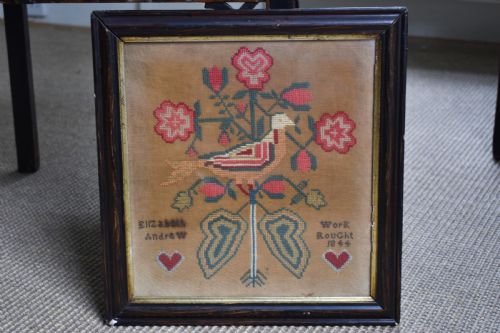
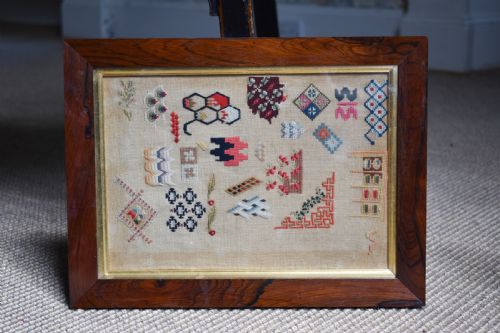
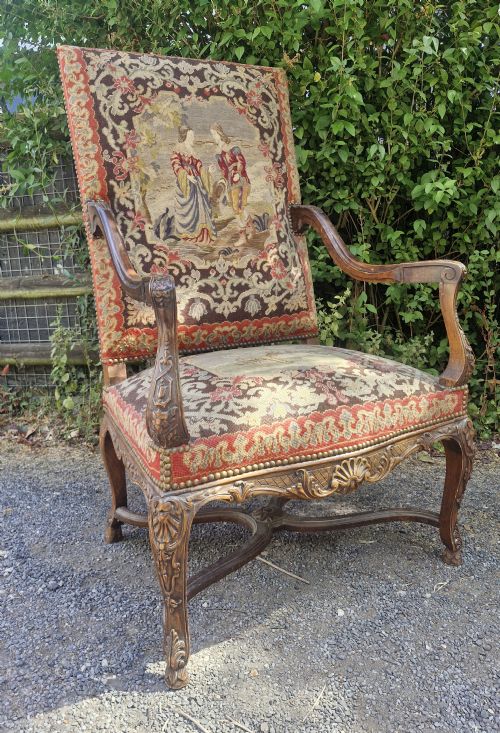
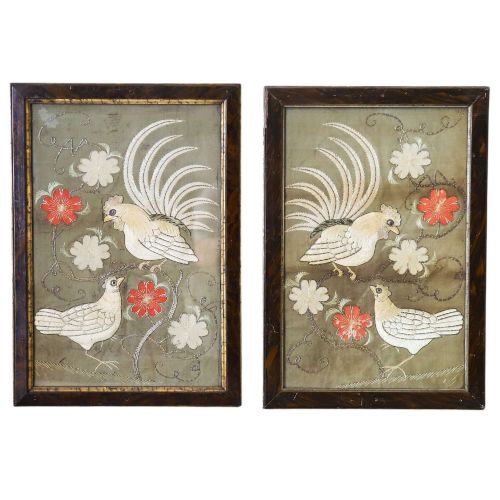
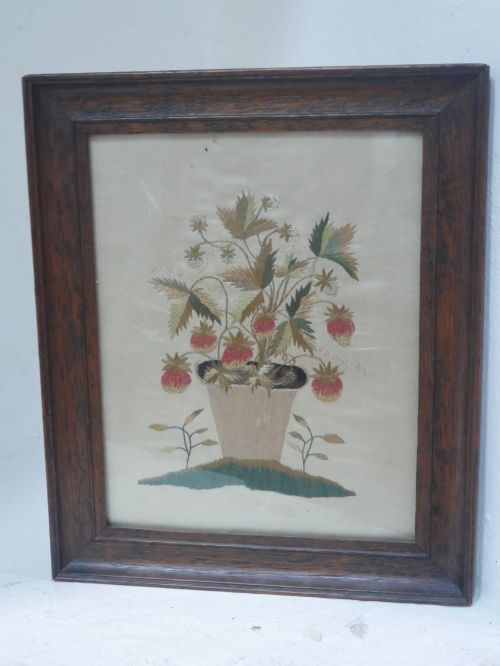
A victorian needlepoint frame encompasses both the antique wooden stretchers utilised for stitching and the ornate surrounds housing finished woolwork, Berlin woolwork, and samplers. The pieces span wall art, framed textiles, and upholstered armchairs or stools carrying period needlework.
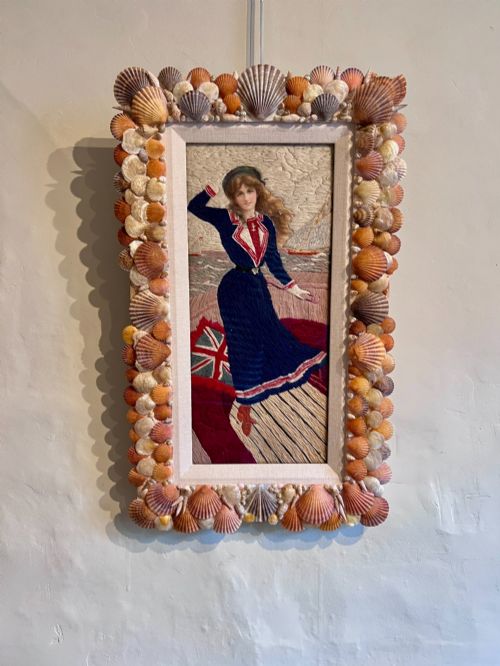
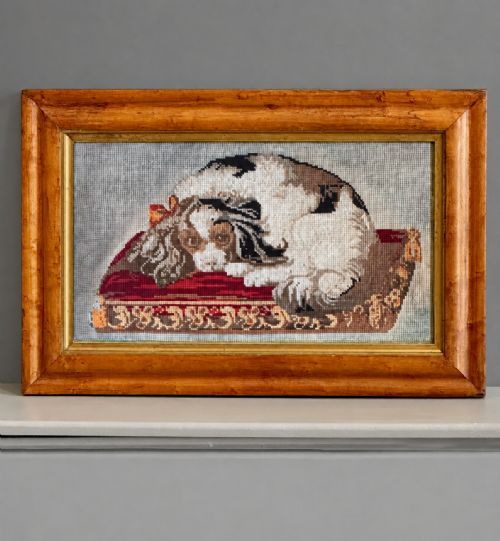
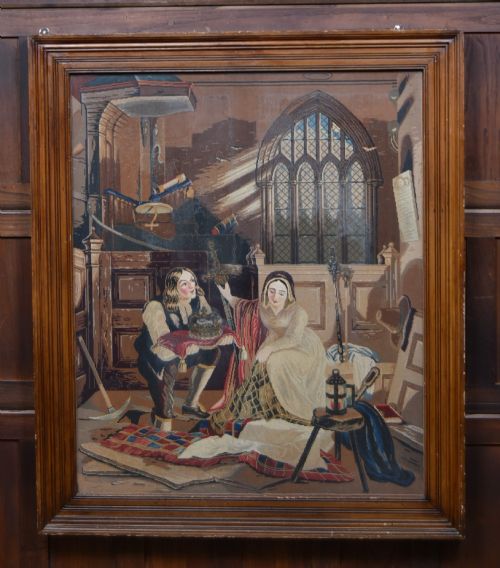
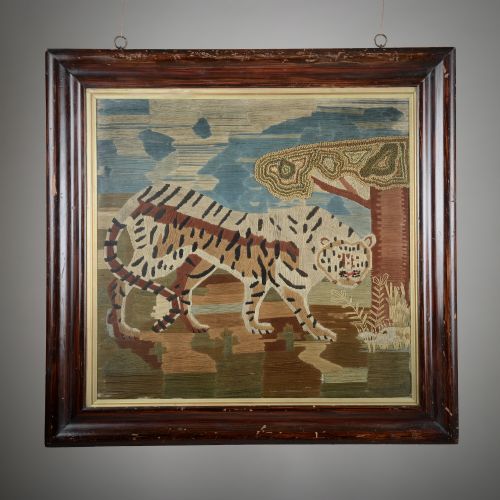
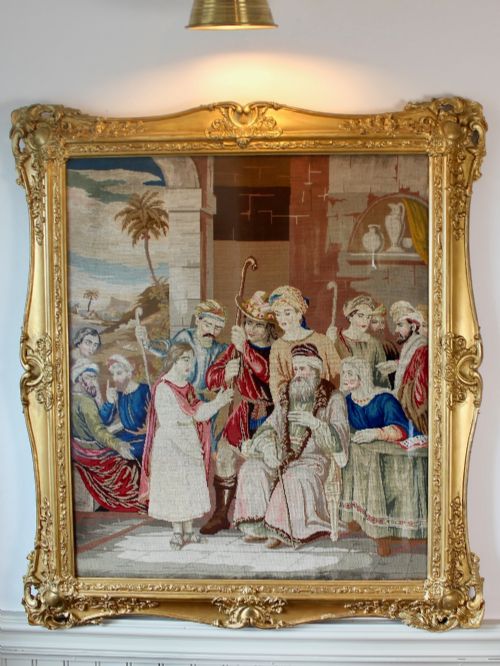
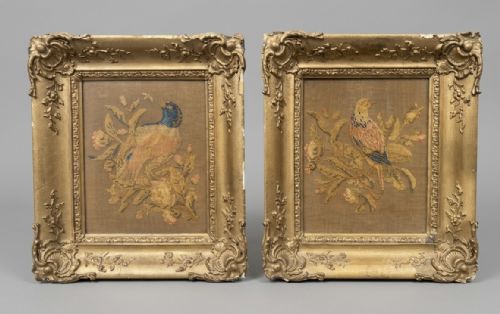
The surviving examples range from architectural needlework stretchers in walnut and beech to grand giltwood and burr maple frames enclosing figurative tapestry panels, portraits, and maritime woolies.
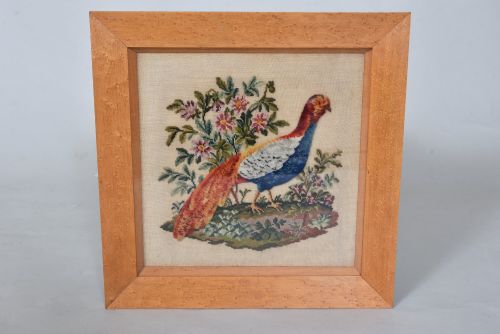
Buyers frequently encounter framed pictorial works depicting historical scenes, animals, and landscapes, alongside adjustable floor and table stretchers designed to hold canvas taut during the nineteenth century.
Materials and construction
Makers constructed the physical frames and stretchers from dense hardwoods including walnut, mahogany, and beech, often pairing them with giltwood mouldings or burr maple veneers for display pieces.
The textile components combine wool, silk, linen, and canvas supports, stitched in gros-point and petit-point techniques using Berlin woolwork charts or freehand embroidery.
Listings feature woods like walnut, beech, mahogany, and giltwood paired with wool, silk, and glass across the Victorian period.
Judging quality
Quality rests in the precision of the needlework and the integrity of the original wood frame, where crisp carving and intact gilding elevate a piece above standard domestic work.
The fineness of the stitches, particularly in petit-point facial details, and the survival of original glass and backing materials dictate the standing of individual textile panels.
The Victorian Needlepoint Frame Glossary
- Berlin woolwork
- A popular nineteenth-century style of needlepoint worked on canvas from printed and hand-coloured grid patterns. It utilised brightly dyed wools to create pictorial scenes and portraits.
- Gros-point
- A coarser needlepoint stitch worked on canvas that provided rapid coverage for large tapestries and Berlin work pictures. It formed the robust textural foundation for many nineteenth-century wall panels.
- Sampler
- A piece of needlework produced by individuals to demonstrate proficiency in various stitches and alphabets. They frequently record the maker's age and a date.
Victorian Needlepoint Frame: Frequently Asked Questions
What is a victorian needlepoint frame used for?
These items served a dual purpose in the nineteenth century, functioning first as functional wooden stretchers that held canvas taut for stitching and later as decorative surrounds for finished embroidery.
Today, collectors use the framed textile panels as wall art or seek out the adjustable wooden stretchers as decorative objects in their own right.
How do I date a needlepoint frame?
Dating relies on examining the timber construction, joinery methods, and the style of the wood moulding, such as burr maple or giltwood. Secondary clues include the backing materials and the visual characteristics of the embroidery.
Samplers often carry stitched dates or makers' ages, providing a direct anchor for the period of the textile.
Are the frames original to the needlework?
Many nineteenth-century needlework panels retain their original frames, particularly those housed in burr maple or giltwood surrounds designed specifically for display. Stretchers also survive with their original wooden tension screws and fittings intact.
Some pieces have been reframed over time to suit later decorative tastes while preserving the antique textile within.
What is the difference between Berlin work and standard tapestry?
Berlin work emerged in the nineteenth century using painted grid patterns that allowed stitchers to create shaded, colourful pictorial scenes with imported German wools. Traditional tapestry often involved larger-scale figurative weaving or gros-point stitching without commercial printed charts.
Both forms appear frequently in nineteenth-century frames and upholstered furniture.