





Brown Wood Tapestry Frame
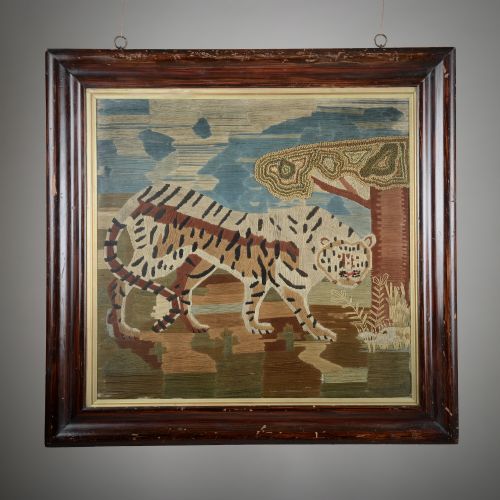
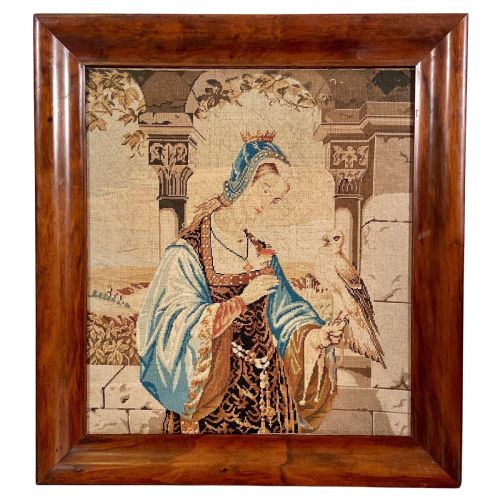
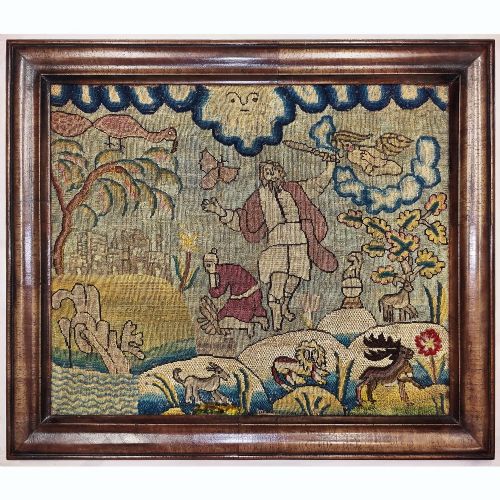
These brown wood tapestry frames and framed needleworks bring tactile warmth and historic charm to any room.
Brown Wood Tapestry Frame
When you search for a brown wood tapestry frame, you find an array of textile arts, framed embroideries, and needlework pictures housed in wooden surrounds. The selection ranges from Victorian wall hangings and floral needlework pictures to needlework sampler firescreens and framed toile de jouy fragments.
Most pieces date from the nineteenth century, including works from circa eighteen ninety and samplers dated mid-century, alongside seventeenth century English needlework pictures and eighteenth century fragments. These items encompass wool work, silk, linen, cotton, and canvas creations mounted within mahogany, wood, and glass housings.
Beyond wall art and framed textiles, the category extends to functional furnishings incorporating needlework, such as armchairs like bobbin chairs and small mahogany framed footstools. Collectors encounter diverse styles spanning Victorian folk art, seventeenth century Stuart, Georgian, Chippendale revival, and French chateau aesthetics.
How they were made
Craftsmen utilised woods like mahogany to construct the supporting frames and furniture pieces, often pairing the timber with glass to protect delicate textiles. Needleworkers employed wool, silk, linen, cotton, and canvas to stitch intricate pictorial scenes, samplers, and floral motifs by hand.
Techniques combined traditional joinery for the wooden frames and chairs with diverse embroidery and tapestry stitches executed on canvas or fabric grounds. Makers incorporated found or specially woven textile fragments, such as toile de jouy, securing them tightly within wall hangings, firescreens, and picture frames.
Brown Wood Tapestry Frame Retail Price Guide 2026
Typical asking prices for brown wood tapestry frame among the pieces listed under this phrase on Sellingantiques today, from the lower quarter to the upper quarter. They describe what is for sale here now, not the wider market.
Object forms range from wall art and framed needlework samplers to functional firescreens, bobbin chairs, and small mahogany footstools.
What varies in quality
Quality rests in the finesse of the needlework and the integrity of the wooden frame, distinguishing finely detailed wool work portraits and dated samplers from simpler decorative items. The precision of stitches, complexity of classical or pictorial compositions, and the richness of the textile materials dictate the standing of a piece.
The choice of timber, such as solid mahogany versus plain wood, and the preservation of original glass and framing elements influence the character and historical weight of the object. Pieces that retain their original textile tension and structural joinery demonstrate superior craftsmanship.
The Brown Wood Tapestry Frame Glossary
- Needlework sampler
- A piece of canvas embroidered with various alphabets, numbers, and motifs to demonstrate a maker's skill. These often include a name and date, such as works by young makers.
- Toile de jouy
- A type of cotton or linen fabric featuring a repeating printed pastoral or classical design rendered in a single colour. Fragments are frequently framed as art.
- Firescreen
- A decorative screen placed before a fireplace when not in use, often featuring a needlework panel mounted in a wooden frame.
- Bobbin chair
- A seating item characterised by turned wooden framing resembling strings of bobbins or spools, popular in nineteenth century production.
- Wool work
- Embroidery executed primarily with wool threads on a canvas ground, producing thick, textured pictorial depictions.
Brown Wood Tapestry Frame: Frequently Asked Questions
What is a needlework sampler?
A needlework sampler is an embroidered piece created to demonstrate stitching proficiency using various alphabets and motifs.
Historically used by young makers to practice technique, many examples record the maker's name, age, and date of completion.
How were firescreens used?
Firescreens served to shield the occupants of a room from the intense radiant heat of an open fireplace.
When fires were unlit, these decorative screens with needlework panels also improved the appearance of the hearth.
What materials make up these pieces?
These pieces combine wooden frames, often mahogany, with textiles such as wool, silk, linen, cotton, and canvas.
Many framed works also incorporate protective glass to preserve the delicate stitched surfaces and printed fragments.
How do you date a needlework picture?
Dating relies on stylistic clues, framing methods, and occasionally direct inscriptions stitched by the maker.
Samplers and pictorial works often bear precise dates or reflect the prevailing aesthetic of periods like the seventeenth century or Victorian era.