
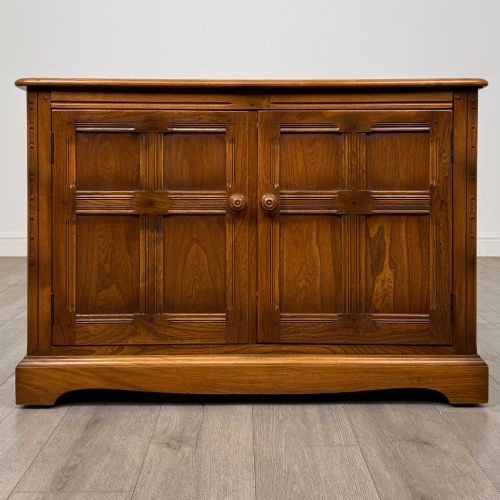
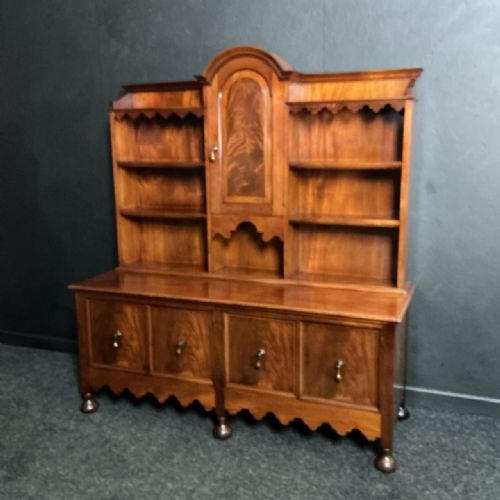
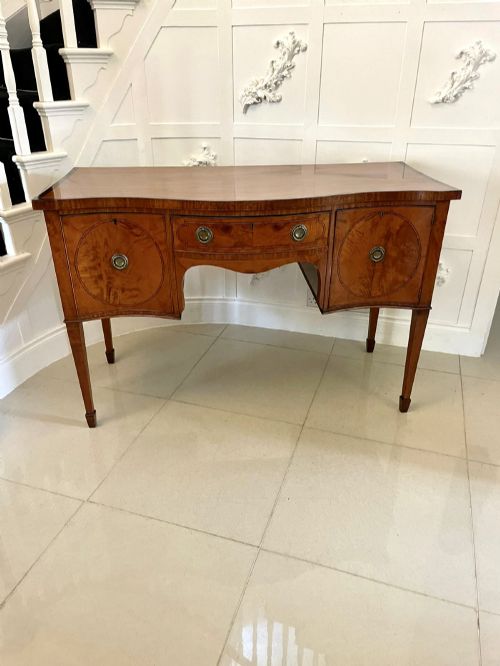
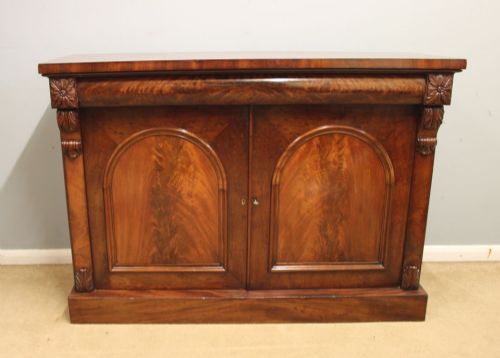

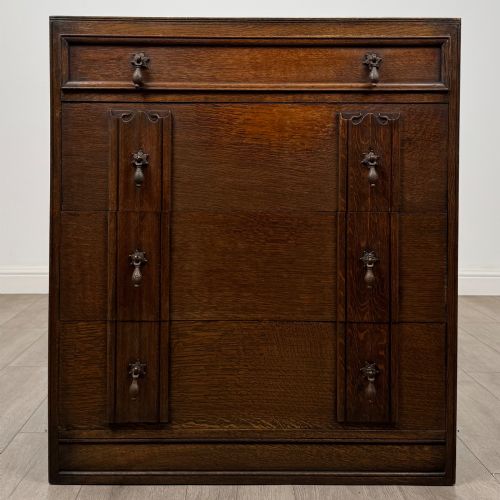
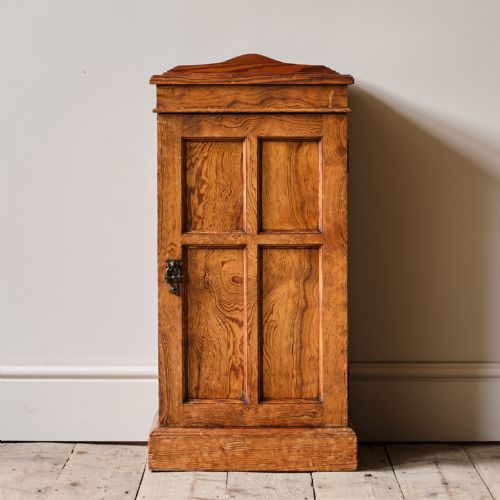
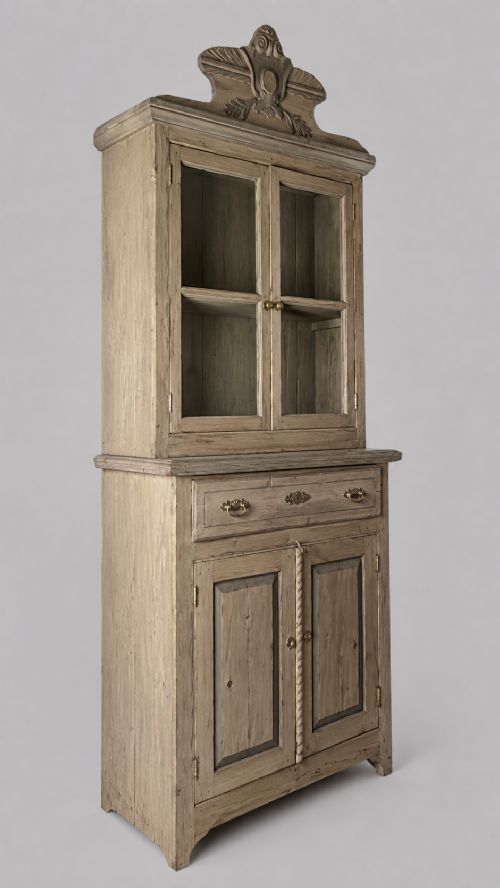
Carved Wooden Storage Cabinet
These carved wooden storage cabinets span centuries of joinery, offering practical depth and character for any room.
Carved Wooden Storage Cabinet
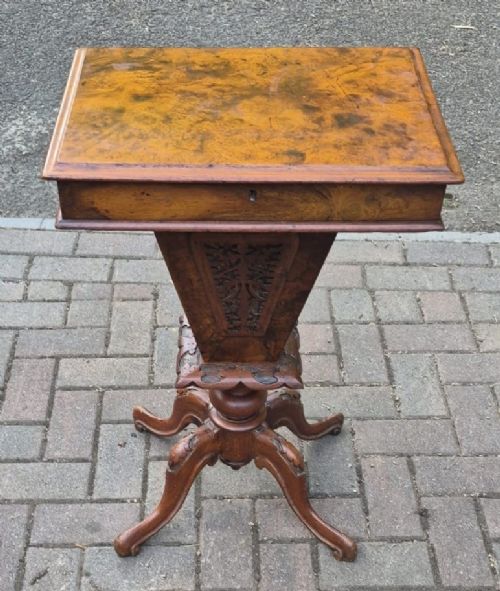
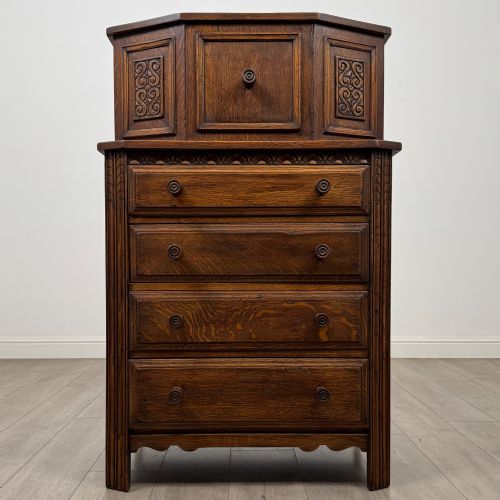
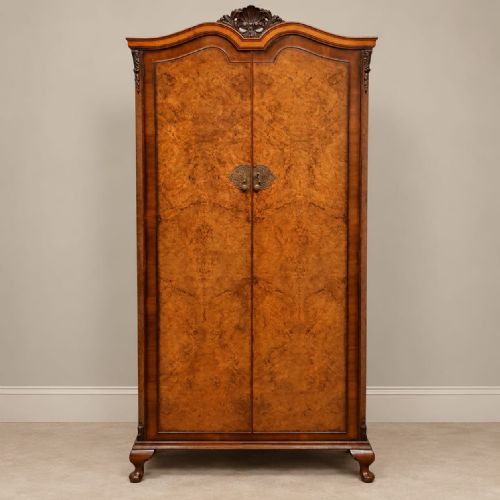
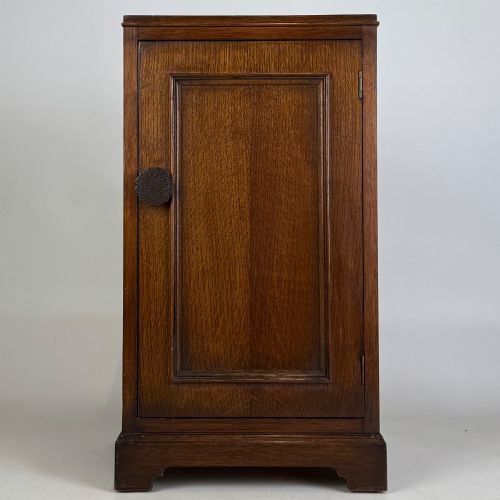
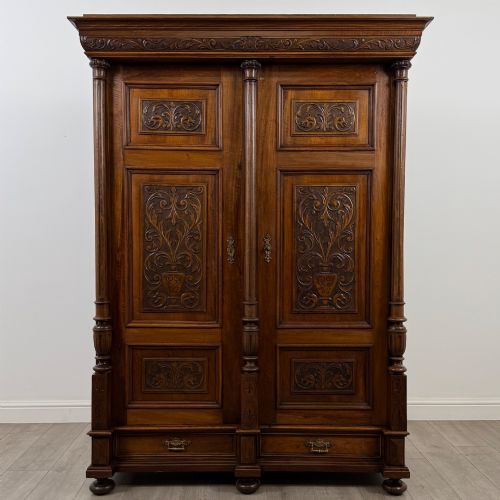
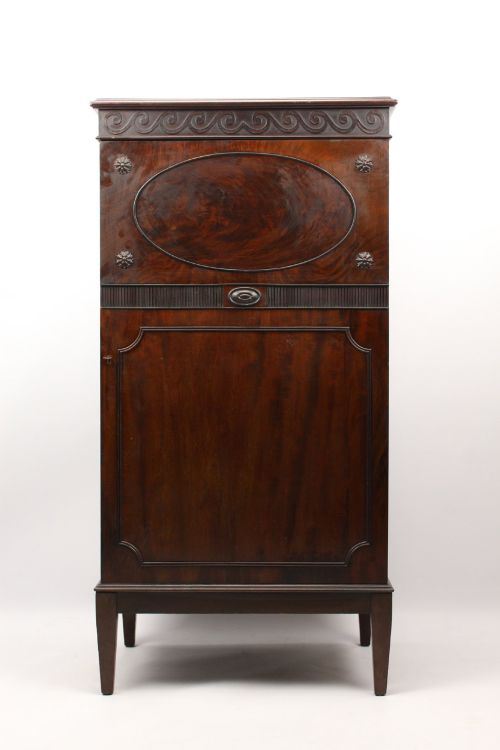
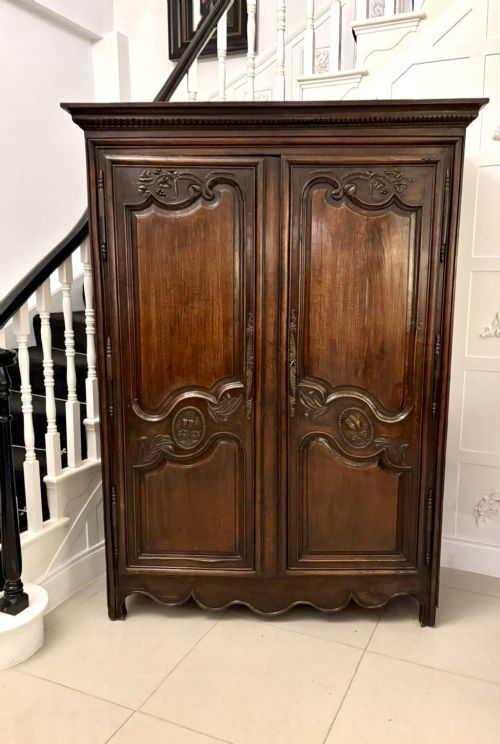
A carved wooden storage cabinet brings together functional capacity and decorative handwork across diverse historical periods. When searching this phrase, a buyer encounters forms ranging from compact bedside cupboards and music cabinets to larger sideboards, armoires, and dressers.
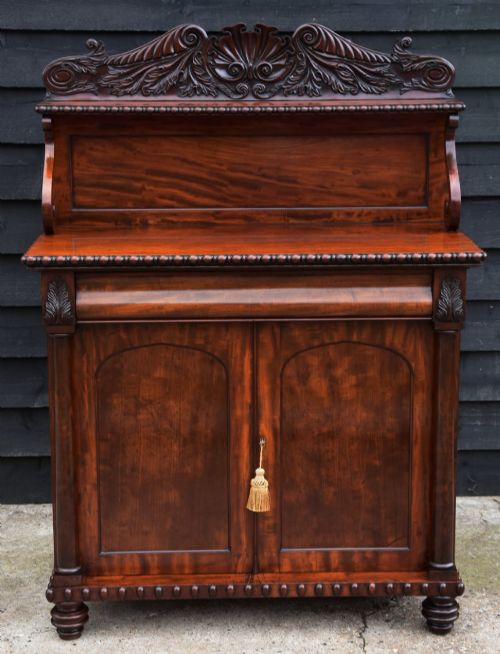
The versions most frequently met on this page date from the Edwardian era and the Victorian period, often constructed in oak or mahogany. Traditional Indian teak storage cupboards and French provincial armoires also appear, alongside Georgian corner cabinets and Regency side cabinets.
These pieces serve multiple domestic roles, functioning as linen presses, chest of drawers variants, and specialised smoking cabinets or work tables. Each item relies on solid wood construction to house possessions while displaying period-specific carving styles.
Materials and construction methods
Makers utilised durable timbers such as oak, mahogany, walnut, and burr walnut, frequently pairing them with brass handles, iron fittings, and painted glazed elements. Pine and reclaimed teak also feature in specific regional traditions.
Joinery techniques relied on solid wood construction, supporting detailed surface carving, linenfold panels, and serpentine shaping. French polishing and specialised finishes protected the timber while accentuating natural grain patterns.
Period styles span from the late seventeenth century through Georgian, Victorian, Edwardian, and Art Nouveau eras.
Separating grades of craftsmanship
The standard of a carved wooden storage cabinet depends on the depth and precision of the hand carving rather than surface decoration alone. Superior examples demonstrate crisp execution in motifs like linenfold panels or floral pokerwork.
Structural integrity separates basic utility items from finer pieces, evident in the snug fit of doors, the smooth movement of drawers, and the choice of primary timbers like burr walnut or flame mahogany over secondary softwoods.
Denby & Spinks·M. D. Miller & Sons
The Carved Wooden Storage Cabinet Glossary
- Armoire
- A tall wardrobe or cupboard, typically featuring double doors and internal shelving or hanging space. French examples often display provincial carved motifs.
- Chiffonier
- A low sideboard or cabinet developed during the nineteenth century, frequently incorporating enclosed cupboards and small drawers beneath a shelf.
- Linenfold
- A style of wood carving that mimics folded linen cloth, commonly seen on panels of Edwardian and earlier oak cupboards.
- Serpentine
- A curved shape curving outward at the ends and inward at the centre, found on the front profiles of finer sideboards and cabinets.
Carved Wooden Storage Cabinet: Frequently Asked Questions
What periods do these storage cabinets come from?
The pieces span multiple centuries, including the late seventeenth century, Georgian, Victorian, and Edwardian eras, extending into the nineteen-twenties and thirties. Each era brings distinct proportions and decorative treatments to the timber.
Oak and mahogany dominate the earlier and mid-period pieces, while later twentieth-century examples introduce specialised woods and revival styles like Gothic and Tudor influences.
How were these cabinets originally used in homes?
These units served varied domestic functions, from storing household linen and clothing in wardrobes and presses to holding tableware in sideboards and dressers. Smaller variants acted as bedside tables, smoking cabinets, or music storage.
Specialised regional forms, such as Indian damchiya dowry chests, fulfilled specific cultural storage requirements while remaining central decorative items within domestic spaces.
How do I care for antique wooden furniture?
Maintain solid wood cabinets by placing them away from direct heat sources and strong sunlight, which can dry out timber and crack polished finishes. Regular dusting with a soft, dry cloth preserves the surface.
Applying appropriate beeswax or furniture polish occasionally helps nourish hardwoods like oak, mahogany, and walnut without building up heavy chemical residues.
How can I tell different wood types apart?
Oak displays prominent medullary rays and an open grain, often utilised in traditional English and provincial French pieces. Mahogany and walnut offer smoother textures, with burr walnut presenting distinctive swirling grain patterns.
Teak appears in imported pieces with an oily feel and robust natural resistance, while satinwood and pine provide lighter contrasting tones across specific cabinet interiors and bodies.