



Italian Renaissance Cabinet
An italian renaissance cabinet is a substantial timber piece built to command a room, offering rich carving and secure storage.
Italian Renaissance Cabinet
An italian renaissance cabinet draws on centuries of regional craftsmanship, appearing in forms from large cupboards and sideboards to table cabinets and vitrines. These works often emerge from the seventeenth and nineteenth centuries, reflecting both original period construction and later revivals.
Buyers encounter variations such as walnut cabinet on stand designs, fitted desks, and carved commodes. Woods like walnut dominate the selection, alongside supplementary materials like brass and iron hardware.
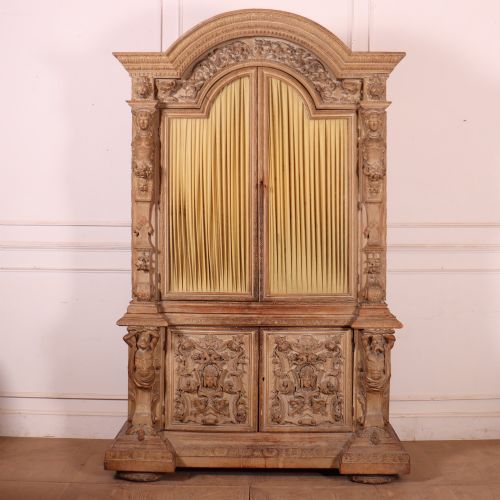
The aesthetic leans heavily into Renaissance and Baroque styles, frequently incorporating architectural details like columns, panels, and figurative carvings known as bambocci.
How they were made
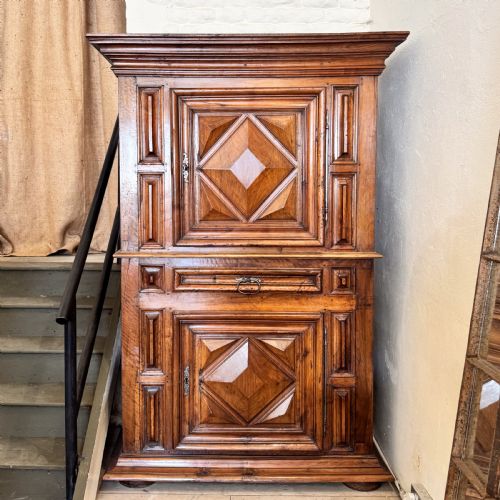
Construction relies primarily on solid walnut, chosen for its strength and capacity to hold deep, crisp hand carving. Artisans shaped panels and frames using traditional joinery, integrating iron or brass hinges and locks for structural security.
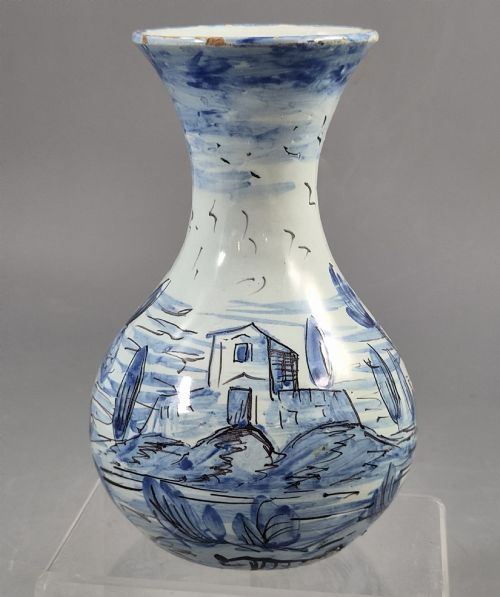
Surface ornamentation involved intricate chiselling of timber, sometimes paired with contrasting woods like ebony on smaller table cabinets. Certain examples incorporate glazed sections or ceramic elements, such as tin-glazed earthenware vases and panels.
Italian Renaissance Cabinet Retail Price Guide 2026
Typical asking prices for italian renaissance cabinet among the pieces listed under this phrase on Sellingantiques today, from the lower quarter to the upper quarter. They describe what is for sale here now, not the wider market.
Listings feature items spanning the seventeenth century through the early twentieth century, with walnut serving as the primary material alongside iron and glass.
What varies in quality
Quality rests in the depth and vitality of the wood carving, where fluent, well-proportioned figures and foliage distinguish superior examples from stiff, repetitive work. The choice and figuring of the walnut timber itself dictate much of the visual presence.
Original hardware, sound structural joinery, and the integrity of the period surfaces elevate a piece. Later revivals vary according to the fidelity of their historical detail and the skill applied to the timber.
Cantagalli
The Italian Renaissance Cabinet Glossary
- Bambocci
- Small carved figures or grotesque carvings often used as supports or decorative pilasters on furniture of this period. They add a sculptural narrative to the cabinet structure.
- Table cabinet
- A compact storage piece designed to sit upon a desk, table, or dedicated stand. These smaller formats frequently house multiple internal drawers for valuables.
- Vitrine
- A display cabinet featuring glass panels intended for the presentation of curated objects. It combines timber framing with transparent viewing areas.
- Renaissance revival
- A nineteenth-century design movement that reinterprets sixteenth-century motifs and forms. Pieces from this period borrow heavily from earlier classical vocabulary.
Italian Renaissance Cabinet: Frequently Asked Questions
What is an italian renaissance cabinet used for?
These cabinets serve primarily as statement storage furniture in principal rooms, designed to hold books, textiles, or prized collections. Their enclosed cupboards and drawers keep contents secure while adding architectural weight to an interior.
Smaller iterations, such as table cabinets or desks, function as specialised repositories for correspondence and precious small items. Their decorative surfaces also allow them to act as display pedestals for ceramics and bronzes.
How do I date an italian renaissance cabinet?
Dating relies on examining the timber species, joinery construction methods, and stylistic cues present in the carving. Seventeenth-century examples typically show period hand-cut joinery and authentic wear, whereas nineteenth-century revival pieces often display machine-assisted precision alongside conscious stylistic emulation.
Hardware placement and lock mechanisms also provide clues to age, as do secondary woods used in interior linings and drawer construction. Comparing the decorative vocabulary to documented examples helps separate original works from later interpretations.
How do I care for walnut furniture?
Walnut timber requires stable indoor humidity levels and protection from direct sunlight to prevent timber movement and fading. Regular dusting with a soft, dry cloth preserves the finish without requiring heavy polishes.
Conditioning the wood periodically with appropriate natural waxes helps maintain the moisture balance of antique surfaces. Avoid placing such pieces near direct heat sources like radiators.
What distinguishes revival pieces from earlier ones?
Revival pieces produced during the nineteenth century draw inspiration from sixteenth and seventeenth-century forms but often employ standardised construction techniques suited to their era. Tool marks, timber selection, and the crispness of the carving reveal the working methods of the later period.
Original pieces carry the structural wear and cumulative patina of centuries of use. Examining the internal secondary timbers and assembly methods clarifies the actual period of manufacture.