





Carved Wooden Sculpture
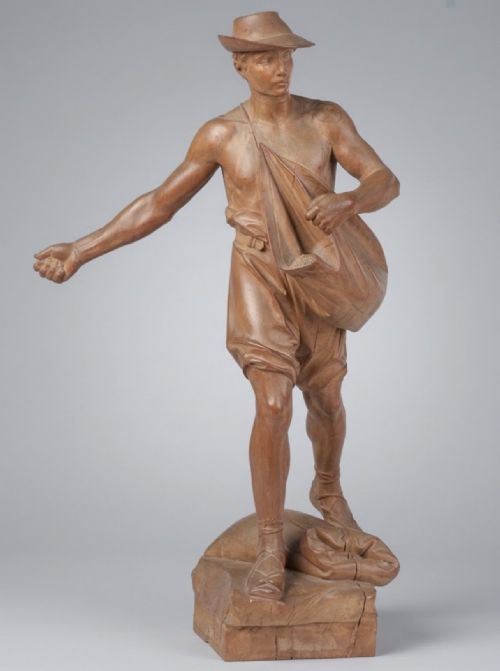
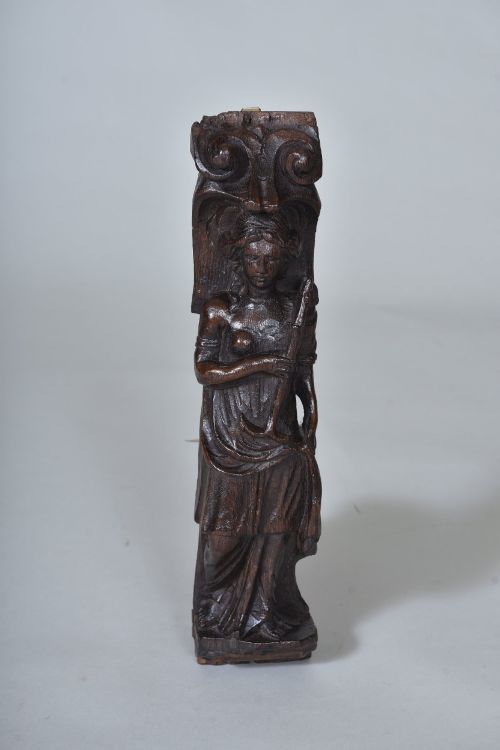
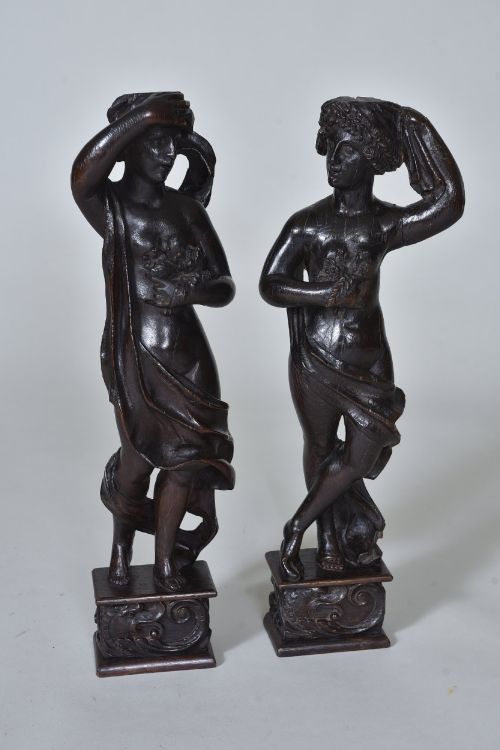
Carved wooden sculpture brings together centuries of tactile craftsmanship, offering collectors figurative subjects and architectural fragments shaped in oak, walnut, and fruitwood.
Carved Wooden Sculpture
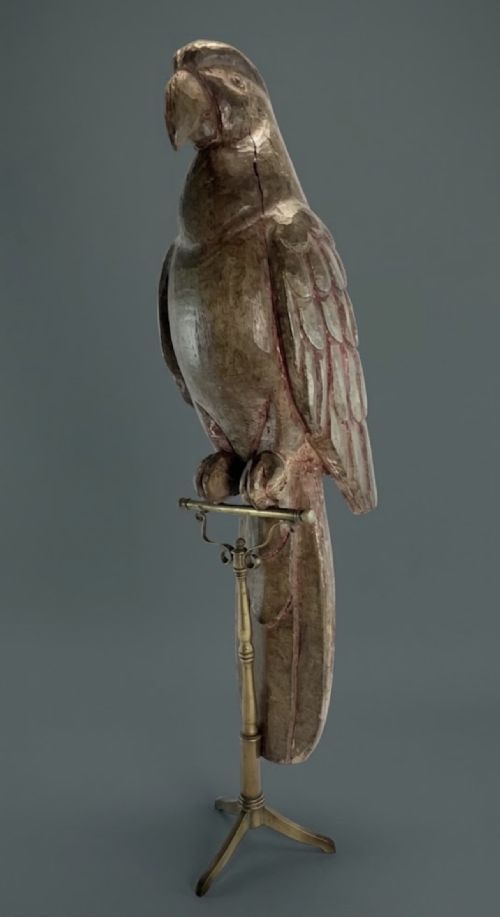
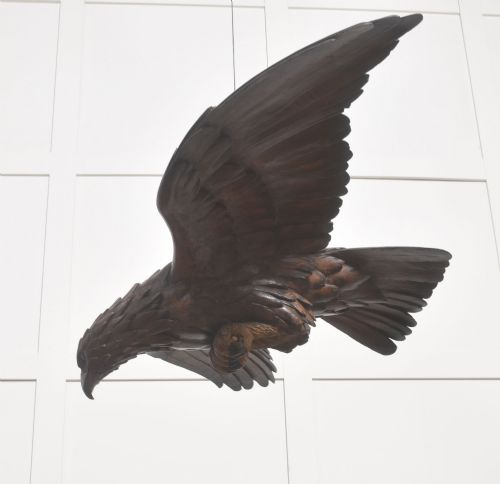
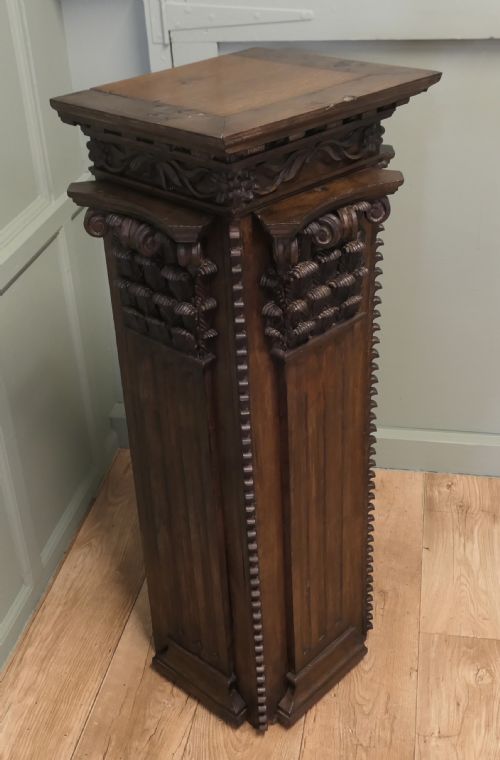
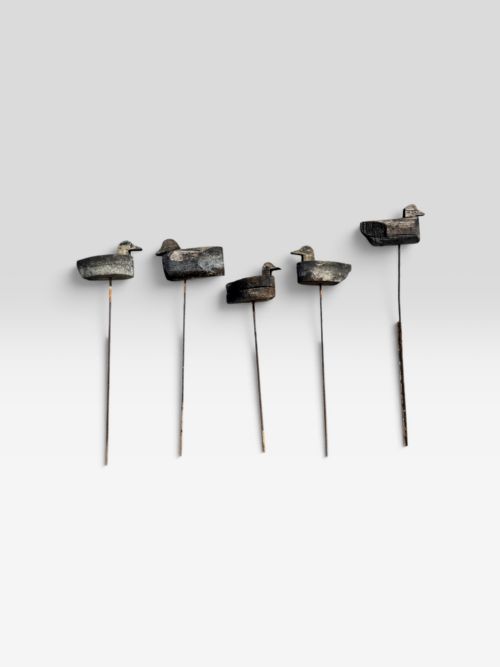
A carved wooden sculpture can range from continental figures of saints and classical pedestals dating to the seventeenth and eighteenth centuries to expressive animal studies and folk art decoys from the nineteenth and early twentieth centuries.
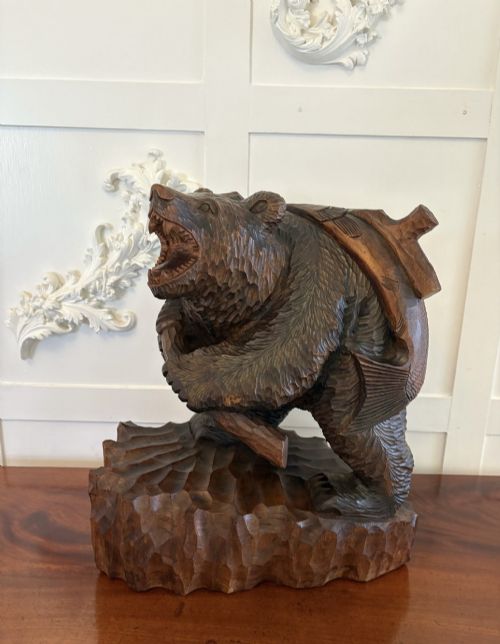
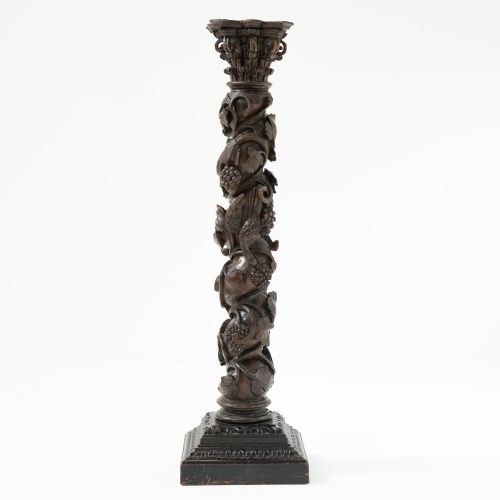
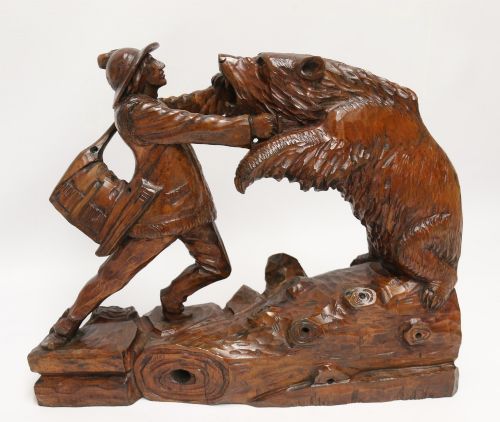
The pieces on this page originate from diverse workshops across Europe and Asia, encompassing Black Forest animalier studies, Chinese hardwood deities, and French or Italian architectural columns.
Collectors frequently encounter devotional fragments, decorative bird carvings, and figural groups carved from solid timbers such as oak, walnut, and linden wood.
Materials and Technique
Carvers shaped these works using dense hardwoods like oak, walnut, and fruitwood, often applying layers of gesso, paint, gold leaf, or polychrome finishes to enhance the surface detail.
Makers utilised traditional hand chisels and gouges to render complex forms, from deep relief panels to fully three-dimensional animal groups and human figures.
Many surviving surfaces retain their original patination, showing the subtle tool marks left by the craftsman before any protective wax or pigment was applied.
Listings feature timbers including oak, walnut, fruitwood, and linden wood across periods from the sixteenth century to the 1930s.
The Measure of Quality
Superior examples demonstrate anatomical precision and confident tool handling, particularly in the rendering of musculature, drapery, and facial expression.
The integrity of the original surface finish, whether unpolished timber grain or surviving polychrome paint and gesso, heavily influences the character of the piece.
Complexity of composition and the depth of undercut relief distinguish ambitious sculptural groups from simpler utilitarian items and decorative carvings.
J HUGGLER
The Carved Wooden Sculpture Glossary
- Polychrome
- Painted in several colours. This surface treatment is frequently found on early European saint figures and folk art carvings.
- Gesso
- A plaster mix applied to wood as a base for gilding or paint. It provides a smooth ground for decorative metal leaf.
- Solomonic
- A twisted, spiral column design popular in Baroque furniture and architectural supports. It adds dynamic movement to carved pedestals.
- Decoy
- A carved wooden bird or animal used historically in hunting. These working objects evolved into collectible pieces of folk art.
- Torchiere
- A tall stand or pedestal designed to support a light fixture or decorative sculpture. They often feature elaborate carved putti or foliage.
Carved Wooden Sculpture: Frequently Asked Questions
How do I date a carved wooden sculpture?
Dating relies on examining the tool marks, timber species, and stylistic conventions of the period. Hardwood shrinkage, oxidation, and the nature of the underlying gesso or finish also offer clues to age.
Early pieces often exhibit hand-split surfaces and archaic proportions, whereas nineteenth-century works display greater mechanical consistency and distinct regional carving styles.
Where should I display a wooden figure?
Position sculptures away from direct sunlight, heating vents, and damp environments to prevent timber cracking or paint flaking. Stable indoor humidity preserves the natural moisture of the wood.
Pairing sculptures with period furniture or dedicated pedestals allows them to be viewed securely from multiple angles in natural light.
How do I clean an antique wood carving?
Dust gently with a soft, dry brush or a lint-free cloth to remove surface particles. Avoid using water, modern detergents, or silicone sprays, which can damage historic finishes.
If the surface appears dry, consult a professional conservator regarding appropriate microcrystalline waxes designed for antique woodwork.
What is the difference between folk art and studio sculpture?
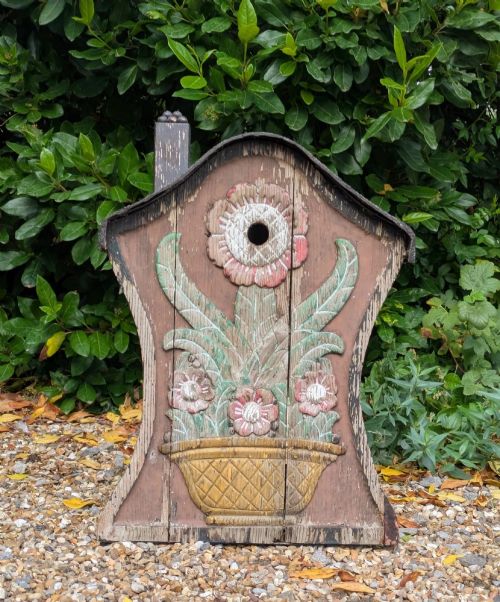
Folk art carvings, such as decoys and bird boxes, were typically made by untrained makers for practical use or local sale. They prioritise charm and directness over academic proportion.
Studio or workshop pieces reflect academic training, anatomical study, and often bear signatures or originate from established regional carving traditions like the Black Forest.