

Carved Wooden Panel
Carved wooden panel describes architectural reliefs and furniture fragments shaped by hand from timber, offering tactile historic character for interior walls and screens.
Carved Wooden Panel
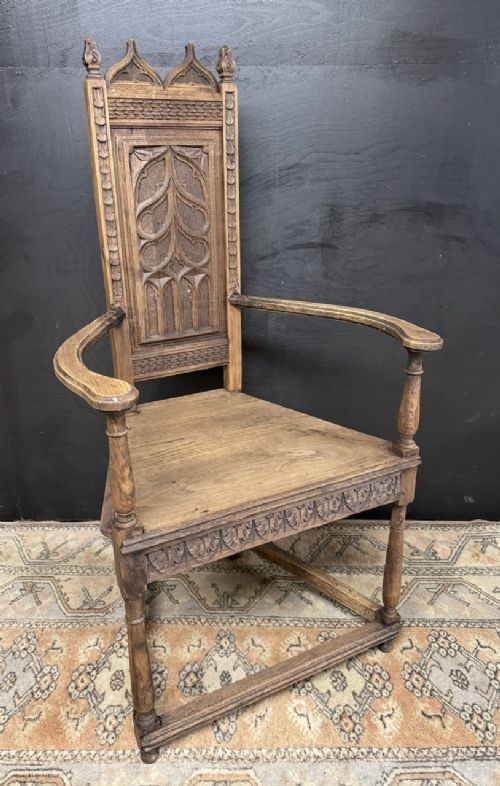
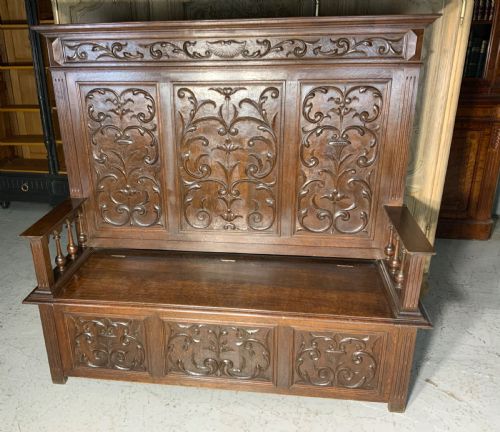
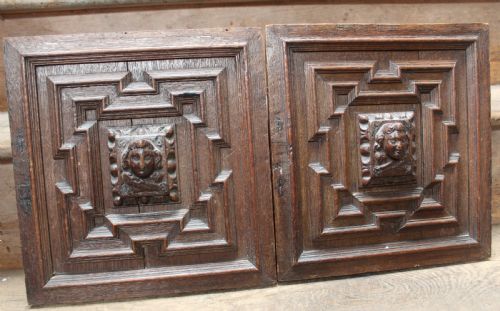
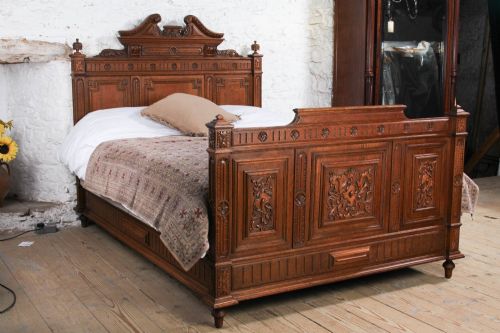
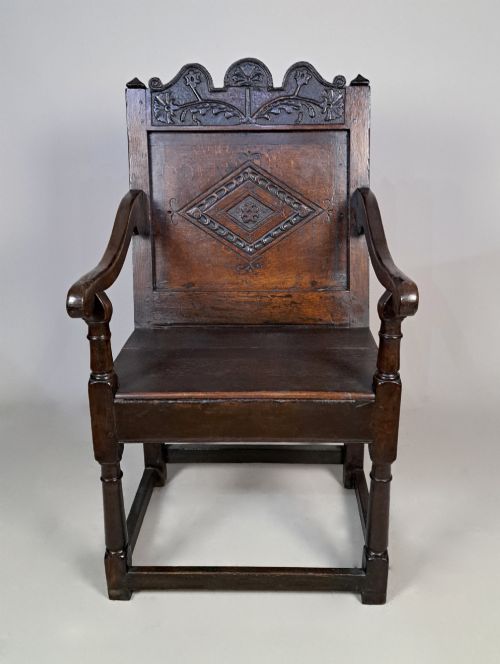
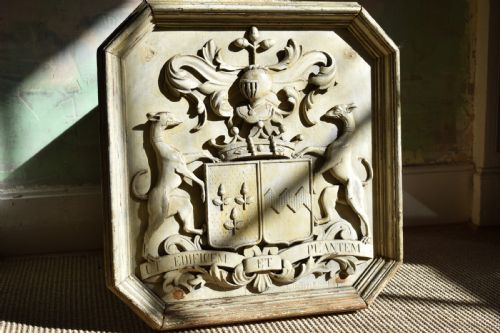
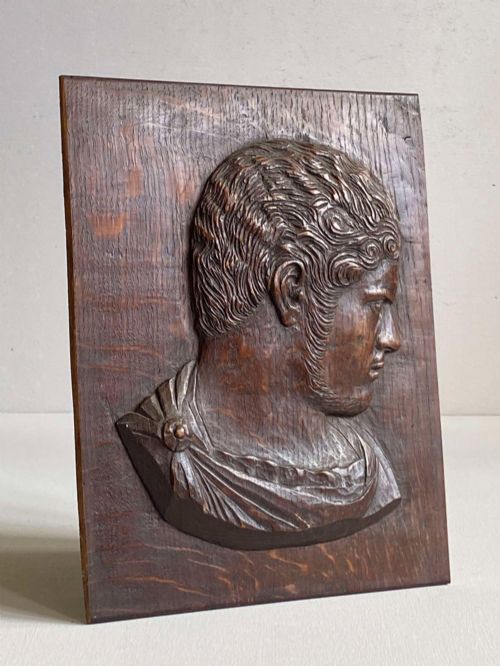
A carved wooden panel encompasses architectural fragments, church carvings, and integrated furniture components originating primarily from the seventeenth and nineteenth centuries. These pieces reflect historical interior schemes, utilising timber surfaces shaped with geometric, figural, or floral motifs.
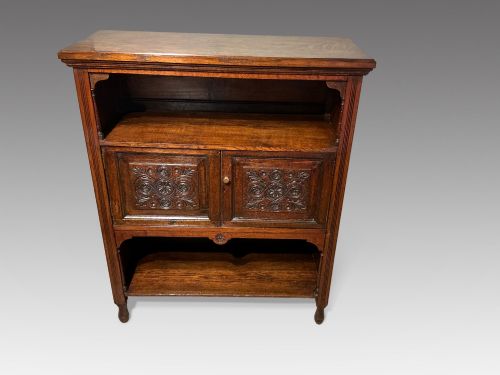
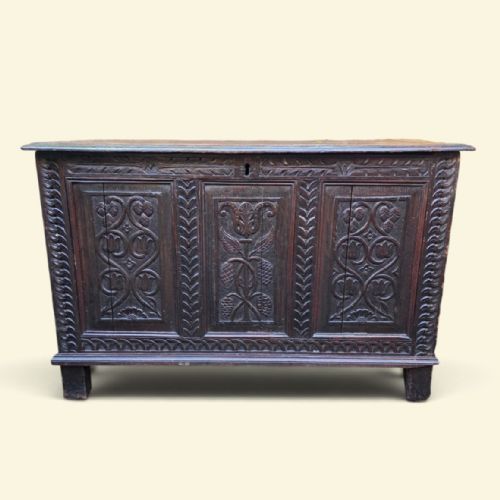
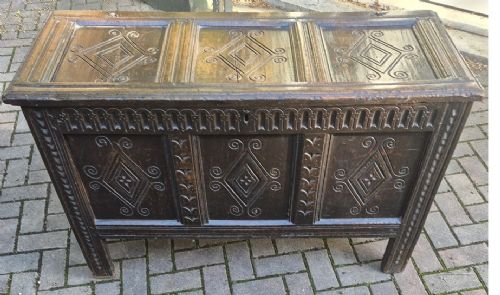
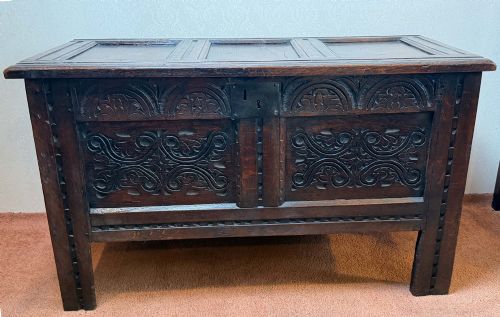
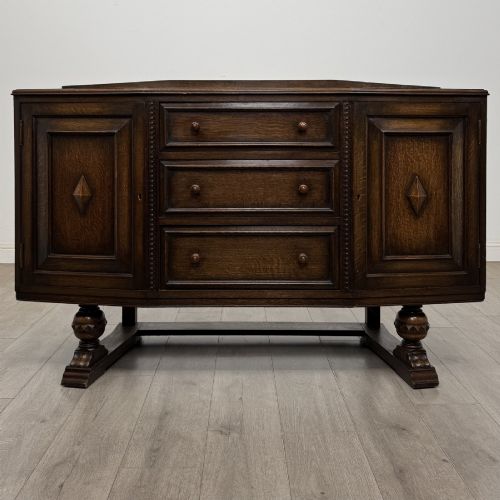
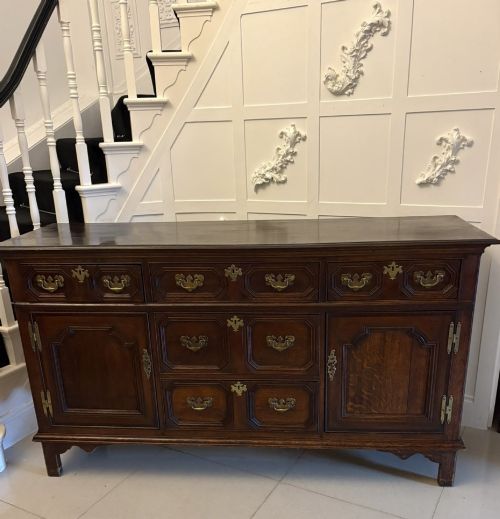
Buyers encounter distinct forms ranging from individual medieval and seventeenth-century oak carvings to nineteenth-century decorative panels depicting religious scenes, grape vines, or animals. Many examples derive from dismantled furniture such as coffers, sideboards, and screens, or survive as standalone works exhibited in past competitions.
Judging the standard of execution
Quality rests upon the depth, clarity, and confidence of the carving rather than the mere presence of decoration. Crisp undercutting and expressive figural work distinguish superior seventeenth-century pieces from later mechanical or hasty reproductions.
The integrity of the timber and the retention of original surface patination dictate the desirability of a panel. Pieces retaining their historical context without excessive later alteration command greater appreciation from collectors.
Carved Wooden Panel Retail Price Guide 2026
Typical asking prices for carved wooden panel among the pieces listed under this phrase on Sellingantiques today, from the lower quarter to the upper quarter. They describe what is for sale here now, not the wider market.
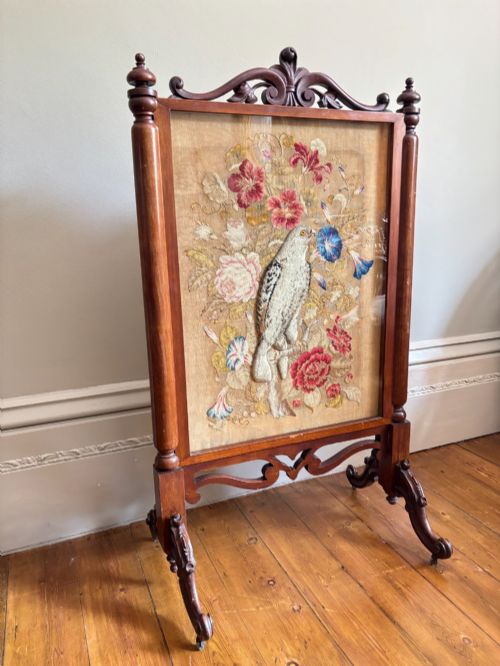
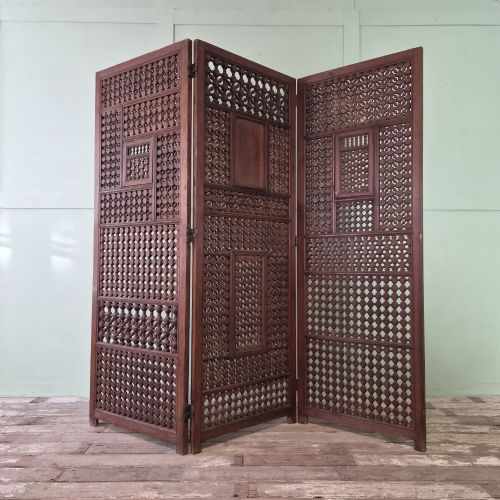
Archival records include specific subjects such as rabbits, Chinese window screens, and religious church panels.
The Carved Wooden Panel Glossary
- Cofer
- A large timber chest used for storage, often featuring front panels ornamented with geometric or figural carvings. These boxes form a significant source for surviving antique panels.
- Marquetry
- Decorative inlay work using various woods fitted into a primary surface to create patterns. It appears on select seventeenth-century furniture panels.
- Settle
- A wooden bench with a high back and solid seat, frequently constructed with panelled sections. They provide robust examples of period domestic joinery.
- Patina
- The surface sheen and colour developed by timber over centuries of handling and exposure to light. This quality indicates genuine age.
- Relief
- A sculptural technique where figures or ornamentation project from a flat background. Panels rely on high or low relief to create visual depth.
Carved Wooden Panel: Frequently Asked Questions
How were carved wooden panels originally used?
These panels functioned as structural elements in wall panelling, church furnishings, and large storage chests. They provided both decoration and insulation in historic interiors.
Over time, many panels were salvaged from dismantled furniture or architectural settings to be displayed independently as works of art.
Where should I place a panel at home?
Panels suit wall mounting in hallways, living rooms, or studies where their timber texture can be appreciated at close range. Ensure they hang away from direct heat sources to protect the wood.
Smaller panels fit well above mantelpieces or within gallery arrangements alongside other historic artefacts.
How do I identify the period of a panel?
Dating relies on assessing the timber species, tool marks, and stylistic motifs such as Jacobean strapwork or Gothic tracery. Seventeenth-century pieces typically exhibit heavier oak construction and hand- chamfered edges.
Comparing the carving style with dated furniture comparables helps narrow the era of production.
Are these panels fragile?
Dry historic timber requires stable indoor humidity to prevent warping or splitting. Gentle dusting with a dry cloth is sufficient for maintenance.
Avoid applying modern polishes or oils that can damage the historical surface patination.