



French Chateau Decor
French chateau decor brings grand 18th and 19th-century European interiors into modern homes through carved architectural elements and gilt bronze furnishings.
French Chateau Decor
French chateau decor encompasses historic items originating from stately European residences, spanning the 18th century through to the early 20th century. Buyers searching for this style typically encounter architectural salvage, carved panels, giltwood mirrors, and decorative furnishings.
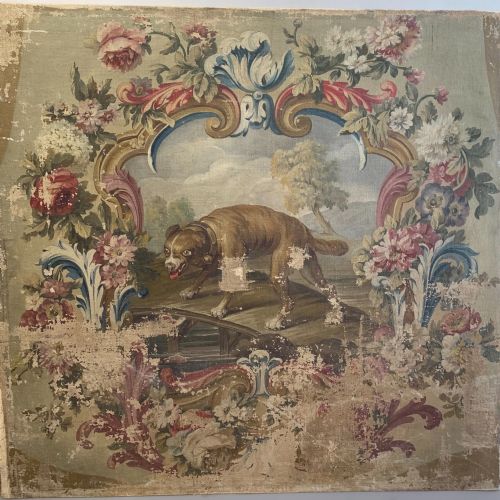
The selections on this page heavily feature 19th-century pieces alongside several 18th-century examples, incorporating French Louis XV and Rococo Revival influences. Common forms include wall reliefs, furniture mounts, brackets, firedogs, and oil on canvas paintings.
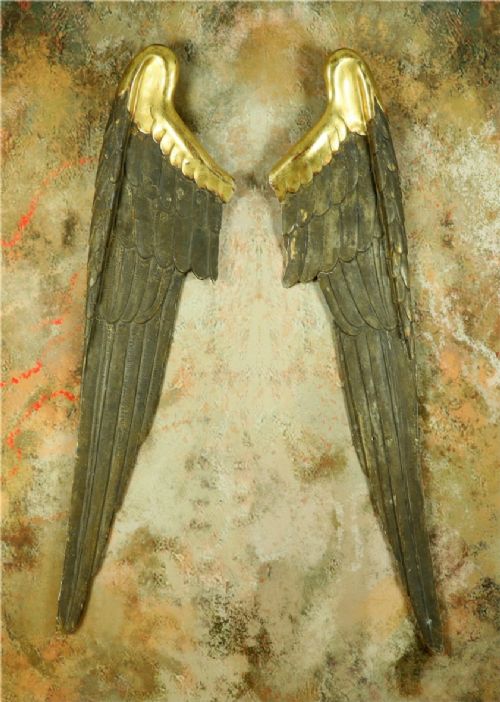
Objects range from substantial wall panels and carved angel wings to smaller decorative bottles and bronze appliques. These pieces reflect the ornamental tastes of historic French interiors and provincial estates.
Materials and Construction
Wood is a primary medium, frequently hand-carved into intricate architectural panels, corbels, and figurative wall sculptures. Craftsmen applied gesso and gold leaf to wooden surfaces to achieve the opulent gilded finishes characteristic of the period.
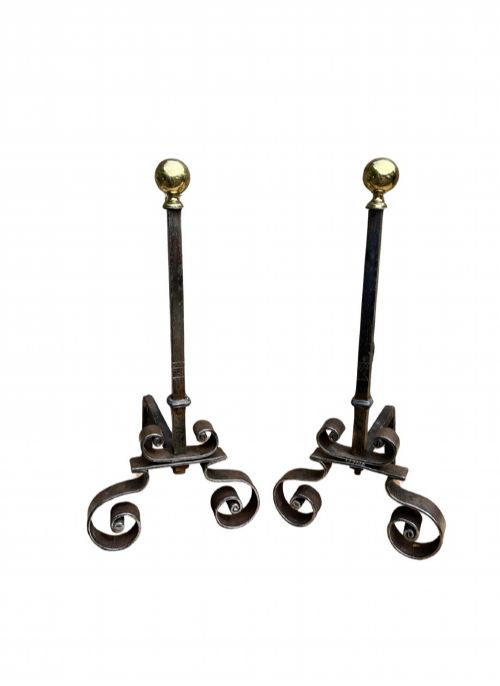
Metalwork forms another vital category, utilising bronze and gilt bronze for detailed furniture mounts, appliques, and firedogs. Canvases and paper substrates served as the base for oil paintings and engravings, while glass was used for mirrors and decorative bottles.
Materials across this selection include wood, gesso, paint, gold leaf, glass, canvas, gilt bronze, and bronze.
Evaluating Quality and Craftsmanship
The depth and precision of hand-carving dictate the distinction in wooden panels, wall reliefs, and corbels. Finer examples display crisp detail in sculptural elements like putti and foliage, whereas simpler pieces show softer tool marks.
The application and preservation of gold leaf and gesso create visual separation across gilded objects. Original gilding that retains its texture and natural wear holds greater integrity than later repainted surfaces.
Poix Blin
The French Chateau Decor Glossary
- Giltwood
- Wood that has been coated with gold leaf or gold paint. This technique was widely utilised on frames, mirrors, and decorative architectural elements to create a lavish metallic appearance.
- Gesso
- A plaster-like mixture applied to wood surfaces as a base for painting or gilding. It provides a smooth foundation that carvers and gilders could shape and refine.
- Applique
- An ornamental fitting attached to a larger surface, often cast in bronze or gilt bronze. These pieces frequently decorated furniture, walls, or architectural woodwork.
- Corbel
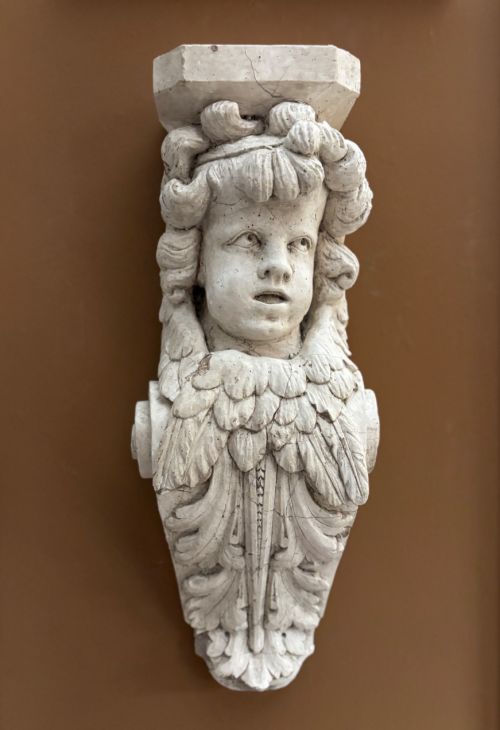
- A structural or decorative bracket projecting from a wall to support a weight. Historic versions often featured carved figures such as putti or floral motifs.
- Rococo Revival
- A 19th-century design movement inspired by 18th-century French styles. It is characterised by asymmetrical curves, scrollwork, and naturalistic ornamentation.
French Chateau Decor: Frequently Asked Questions
How were wall panels used in historic chateaus?
Carved wooden panels and over-door decorations were integrated directly into the interior architecture of large rooms. They framed doorways and lined walls to establish a cohesive decorative scheme.
Today, buyers mount these panels as standalone wall art or architectural accents. They bring texture and historical character to modern living spaces.
What is the difference between giltwood and gilt bronze?
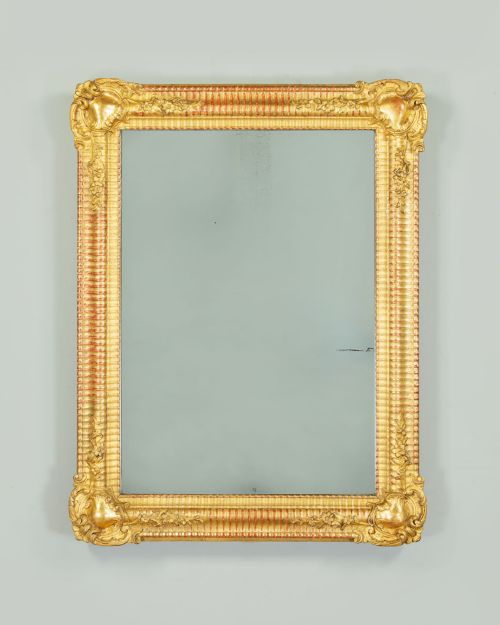
Giltwood consists of wood coated with a thin layer of gold leaf, commonly found on large mirrors and carved wall ornaments. It provides a warm, matte metallic finish.
Gilt bronze, or ormolu, involves metal cast and gilded for use in smaller hardware, appliques, and decorative mounts. It offers sharper detail and a heavier structural feel.
Where should I place wall brackets in a room?
Wall brackets and corbels historically served to support small sculptures, urns, or lighting fixtures in formal halls and reception rooms. Their projecting forms created visual depth on plain plaster walls.
In contemporary settings, they function effectively as standalone sculptural objects or small display shelves. Placing them at eye level highlights their carved wooden details.
How do I identify 18th-century French pieces?
Eighteenth-century items often display the hand-carved tool marks, timber shrinkage, and wear patterns consistent with extended age. Stylistically, they align with authentic Louis XV or earlier provincial designs.
Comparing construction techniques and material ageing against known period examples helps confirm authenticity. Much of the inventory on this market dates instead to 19th-century revivals.