



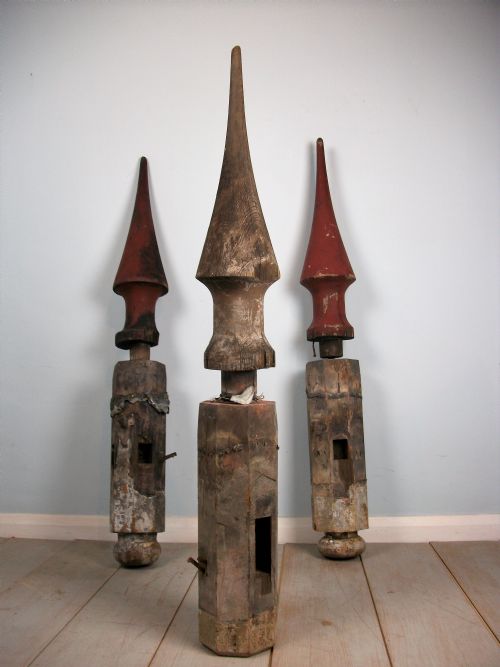
Painted Architectural Salvage
Painted architectural salvage comprises reclaimed structural fragments and decorative elements bearing remnants of historic colour, offering interiors a distinct narrative.
Painted Architectural Salvage
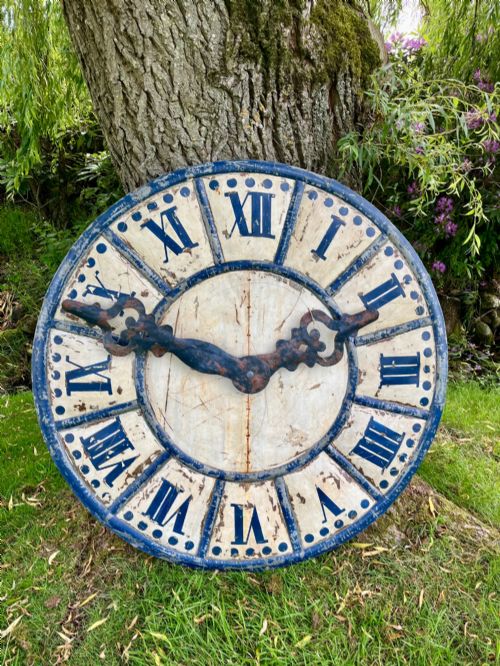
Painted architectural salvage spans structural and decorative elements rescued from buildings, boats, and fairgrounds, carrying physical evidence of past utility. When buyers search for painted architectural salvage, they encounter items that retain historical paint surfaces, ranging from domestic joinery to monumental exterior adornments.
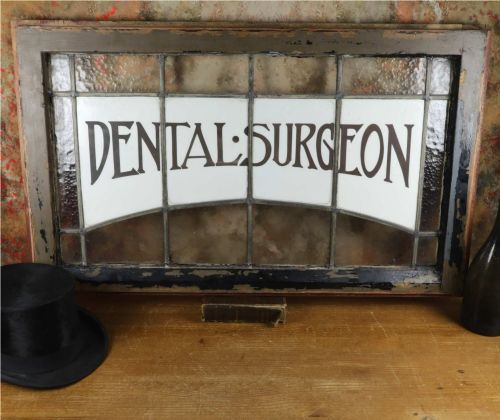
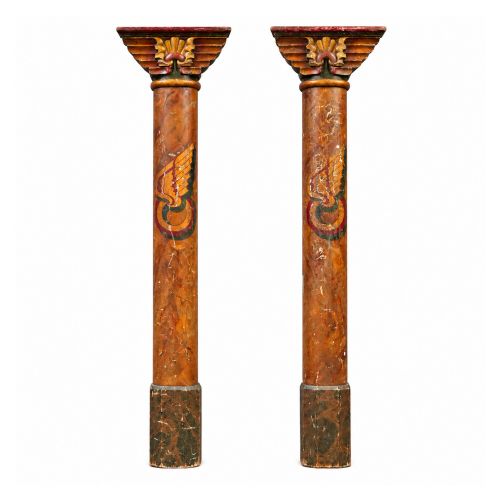
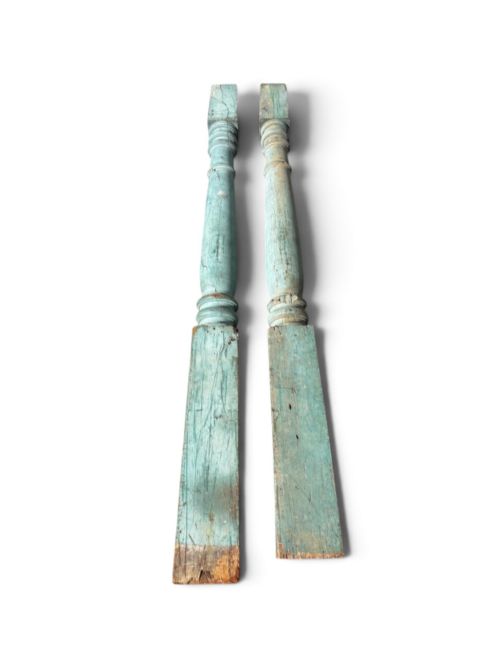
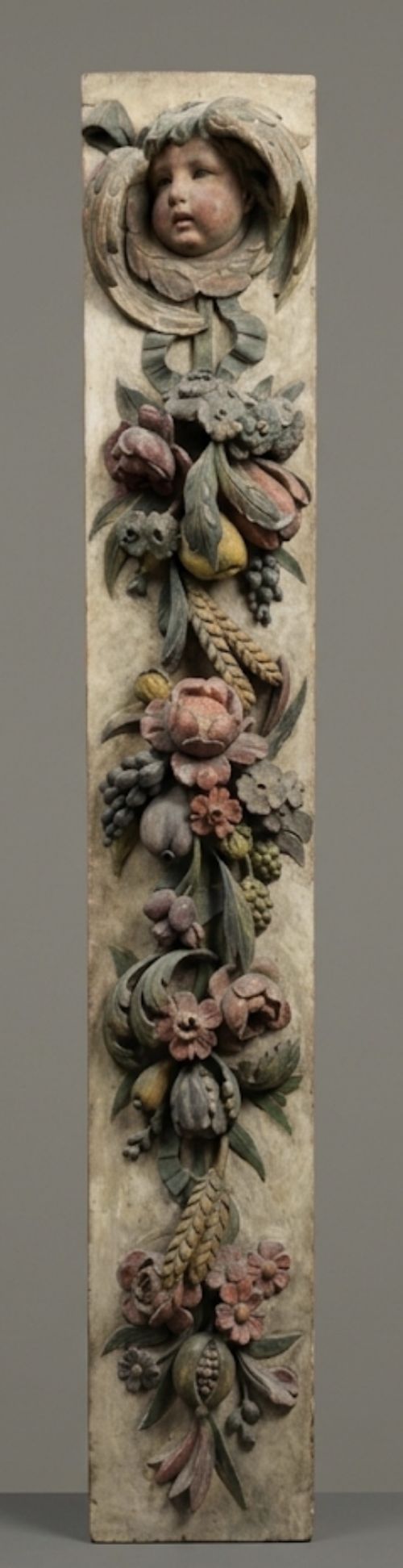
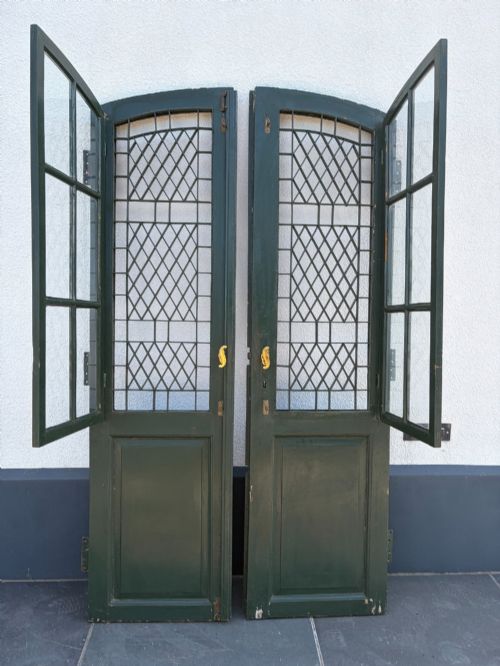
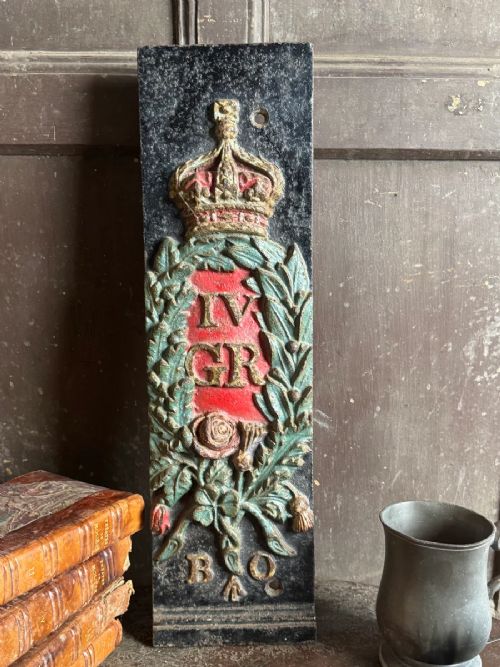
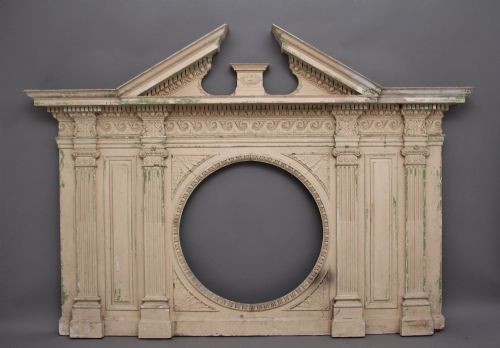
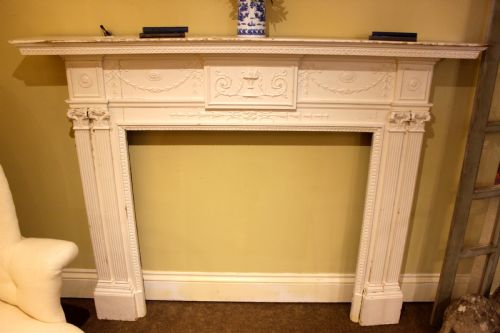
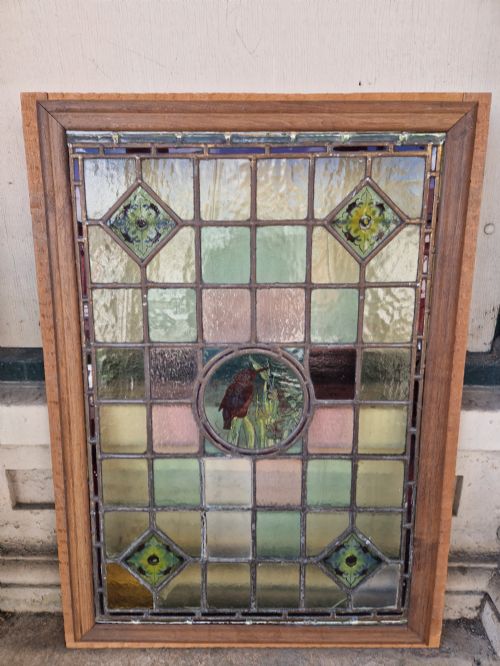
The selection centres on pieces originating from the 18th century through to the early 20th century, encompassing Victorian, Edwardian, and Georgian periods. Formats on this page include leaded glass windows, carved wooden panels, fire surrounds, columns, and exterior plaques.
Origins vary between British workshops and continental sources, notably French châteaux and Dutch carvers. These items function as focal points in modern spaces, bringing texture and authentic period craft directly into a room.
Materials and construction
Construction relies heavily on timber such as pine, hardwood, and general timber framing, shaped by hand-carving and traditional joinery techniques. Metal elements utilise cast iron, wrought iron, and bronze, often forged by blacksmiths for structural durability.
Surface decoration combines oil-based paints, polychrome finishes, and gesso layers applied over wood and metal substrates. Leaded glass panels incorporate hand-painted details fixed with lead cames to create pictorial window designs.
Assessing quality
Quality rests upon the integrity of the original surface and the depth of hand-carved detail. Pieces that retain undisturbed historic paint layers command greater interest than those stripped down to bare material.
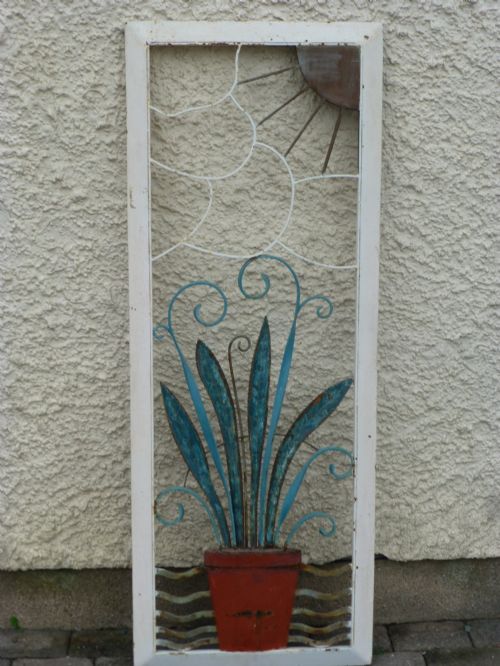
The sophistication of the maker's hand dictates the distinction between standard utilitarian items and masterworks like reclaimed iron screens or intricate architectural plaques. Proportion and the survival of complete matched pairs elevate the architectural significance of columns, panels, and doors.
Raymond Subes
The Painted Architectural Salvage Glossary
- Boiserie
- French wood panelling, often hand-carved and painted, used to decorate interior walls. Such panels reflect the decorative standards of historical European domestic architecture.
- Lead came
- The grooved lead strip used to join pieces of glass together in windows and panels. It provides both structural support and the characteristic dark grid lines of traditional glazing.
- Polychrome
- Painted in several colours. This term describes surfaces decorated with multiple pigments, frequently found on older wooden carvings and panels.
- Overmantle
- A decorative panel or mirror frame situated above a fireplace mantelpiece. These architectural fixtures often feature carved wood or painted finishes.
- Weathervane
- An instrument mounted on high exterior structures to show the direction of the wind, often fashioned into pictorial shapes like animals. Historical examples use hammered metal and retain traces of old paint.
Painted Architectural Salvage: Frequently Asked Questions
How are painted architectural salvage pieces cleaned?
Conservation of these items involves gentle dusting and minimal intervention to preserve original paint layers. Aggressive cleaning agents are avoided so the historic patination remains intact.
For metalwork and glass, soft cloths and mild solutions clear away surface debris without disturbing the underlying finish. The goal is stabilization rather than restoration to a factory-fresh state.
Can exterior salvage be used indoors?
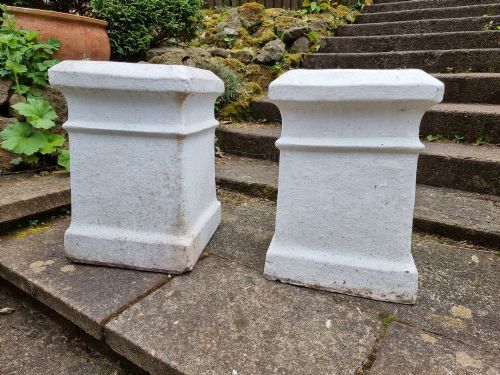
Many exterior elements, such as stone pedestals, iron gates, and garden screens, transition successfully into interior spaces. Placing them inside protects vulnerable historic surfaces from weathering.
Wall brackets, panels, and columns adapt well to room settings, serving as structural dividers or decorative wall mounts. Proper fixings are necessary to support heavier items like cast iron plaques.
How do I date a painted wooden panel?
Dating relies on tool marks, timber selection, and the composition of the paint layers. Hand-adzed pine and specific carving styles point towards Georgian or Victorian periods.
Comparative analysis of historical joinery techniques helps establish the era of manufacture. Examining the substrate underneath the paint reveals how the wood was originally prepared.
Are leaded glass windows safe in homes?
Historic leaded windows require careful handling due to the weight of the glass and the malleability of the lead cames. They are typically reinforced or framed before being hung as interior room dividers or wall art.
When installed securely against existing light sources, they display the original hand-painted scenes without risking structural failure of the old metalwork.