




Distressed Grey Panel
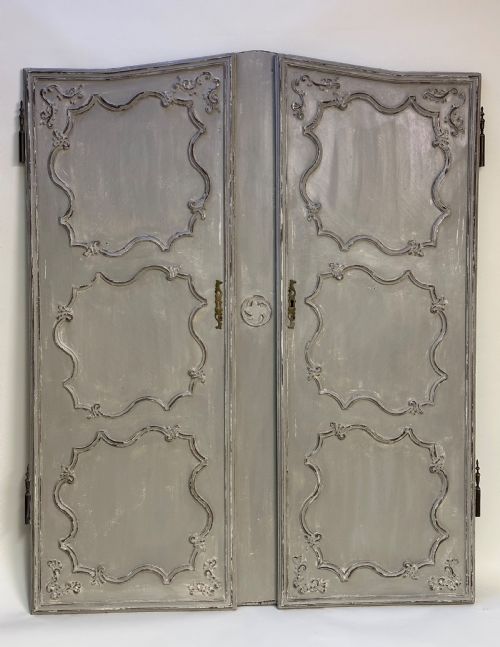
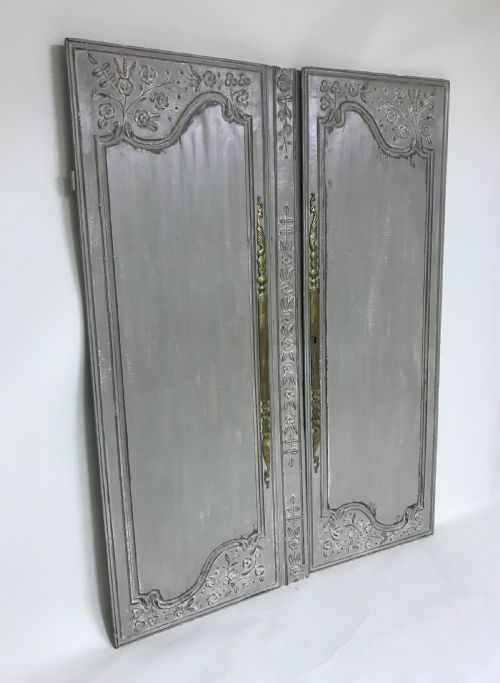
These distressed grey panel finds bring tangible rustic character into a room, offering genuine architectural presence through weathered painted timber.
Distressed Grey Panel
A distressed grey panel search gathers architectural salvage, doors, wall panels, cupboards, benches, and settled seating from various European regional traditions.
The pieces appearing on this page span the eighteenth, nineteenth, and early twentieth centuries, reflecting rural French, Hungarian, Welsh, and Scandinavian domestic interiors.
Buyers most frequently encounter painted pine, walnut, and timber forms shaped by provincial cabinetmakers and decorative painters of the period.
How they were made
Carpenters constructed these items using solid pine, walnut, and timber, often joining structural elements with iron and brass hardware.
Surface character relies on historic paint layers applied over wood, plaster, and hand-carved decorative motifs.
Current listings feature materials including pine, walnut, iron, brass, and painted plaster across nineteenth and twentieth-century pieces.
What varies in quality
The standard of carving and the integrity of the original paint surface separate standard utility work from finer provincial craftsmanship.
Proportion and the retention of authentic structural timber without excessive modern intervention determine the overall integrity of each piece.
The Distressed Grey Panel Glossary
- Architectural salvage
- Building elements rescued from older structures for decorative reuse. These items often retain original surface patination.
- Settle
- A wooden bench with high backs and solid sides designed to block draughts in older homes. Many incorporate storage beneath the seat.
- Armorial panel
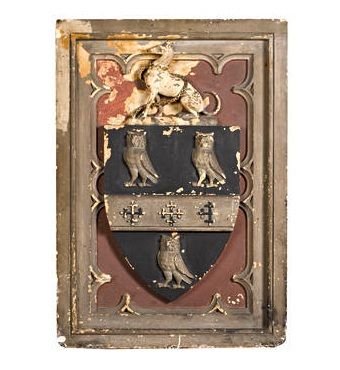
- A decorative plaque displaying a coat of arms or heraldic device. They appear in plaster or carved wood.
- Provincial
- Making reference to regional rather than metropolitan production styles. This term describes country workshops working outside major capital cities.
Distressed Grey Panel: Frequently Asked Questions
How do I hang a heavy wooden panel?
Secure heavy timber items directly into structural wall studs using appropriate heavy-duty brackets.
Verify that the hanging hardware matches the weight of the specific wood and plaster construction.
What periods do these panels represent?
The listings on this page span from the eighteenth century through to the early twentieth century.
Victorian and nineteenth-century examples appear alongside earlier eighteenth-century vernacular seating and architectural salvage.
How should I clean painted timber?
Dust surfaces gently with a dry microfiber cloth to remove everyday particle buildup.
Avoid harsh chemical cleaners that might lift or damage historical paint layers on the wood.
Where were these pieces originally used?
Items originate from domestic and tavern settings across France, Hungary, Wales, and Scandinavia.
They served as functional doors, protective wall cladding, and seating in traditional rural homes.