
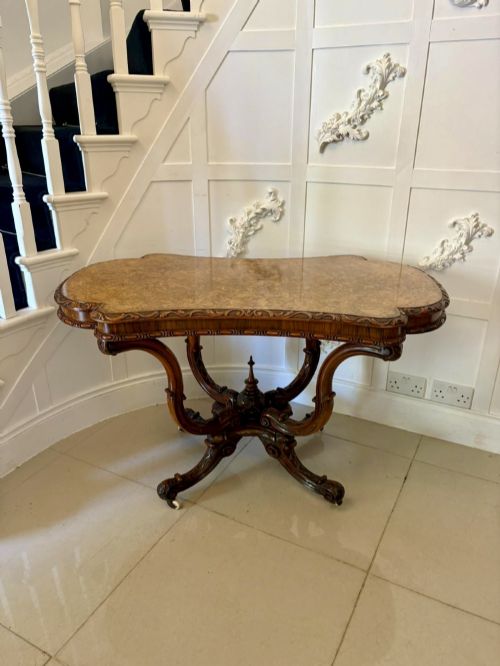
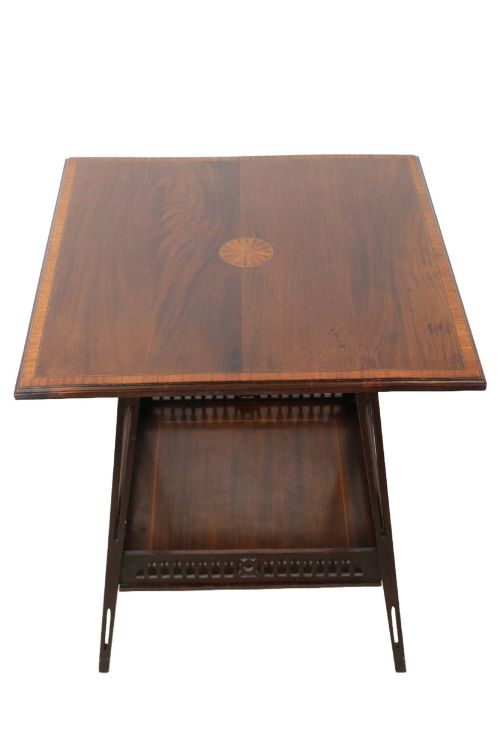
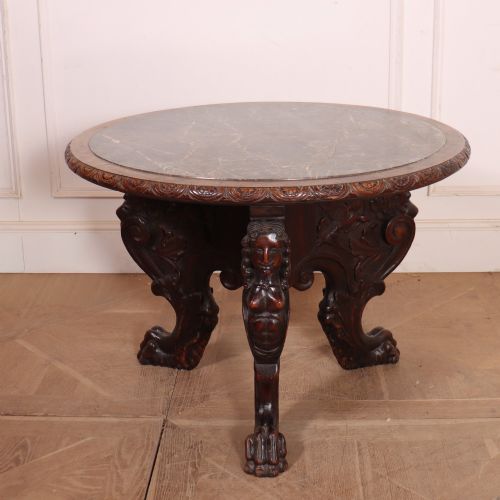
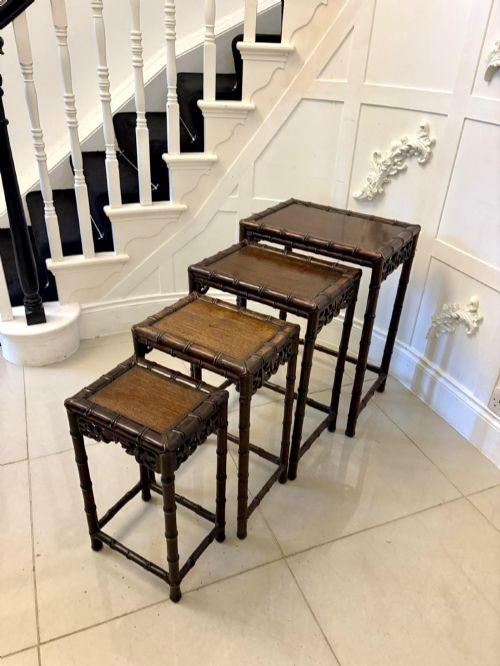

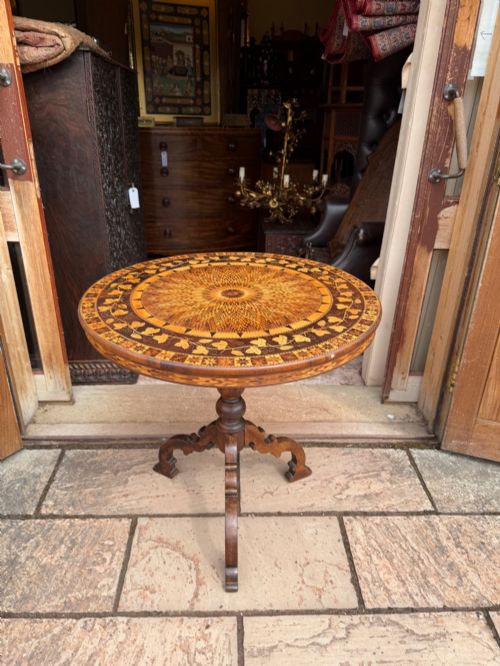
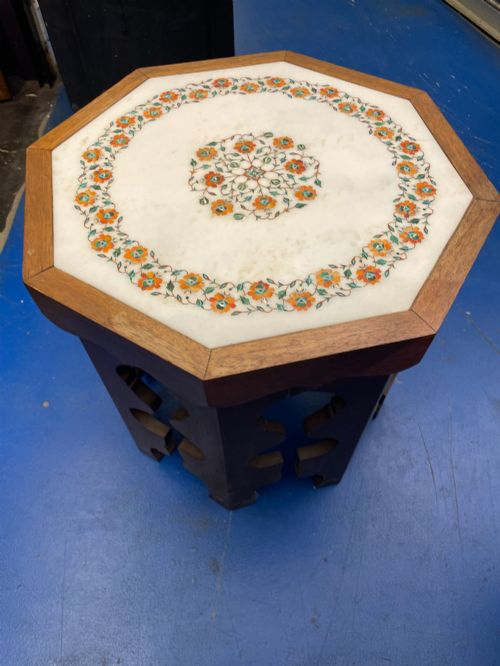
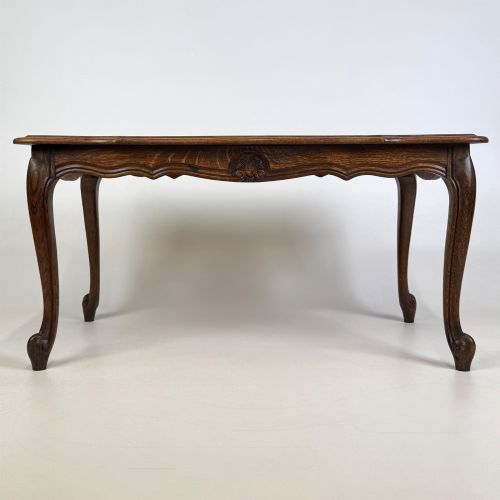
Carved Wooden Occasional Table
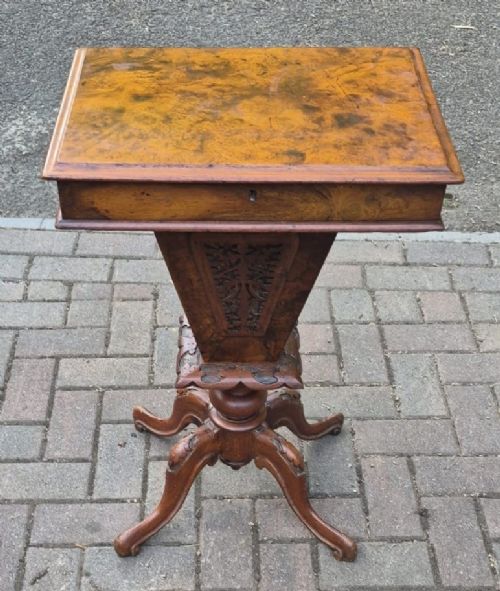
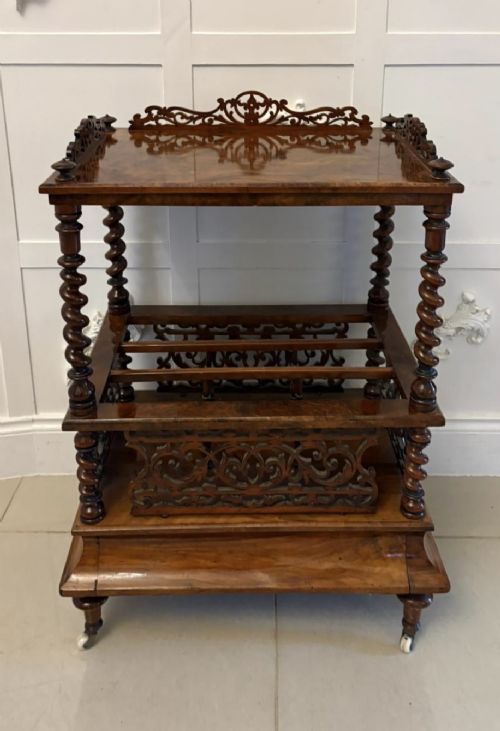
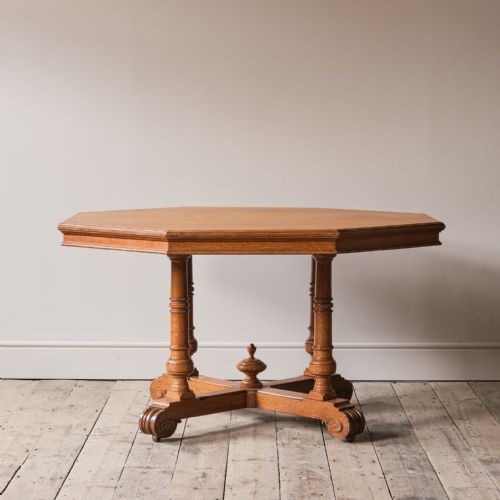
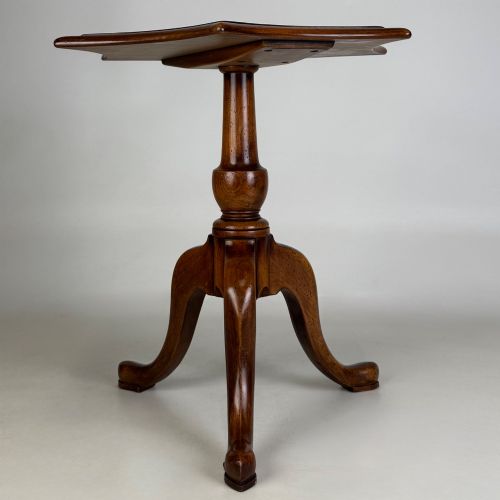
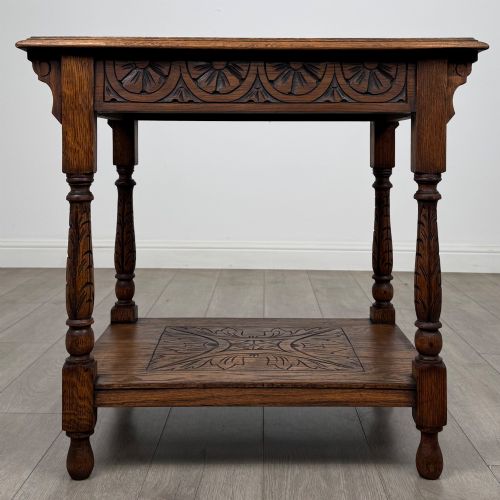
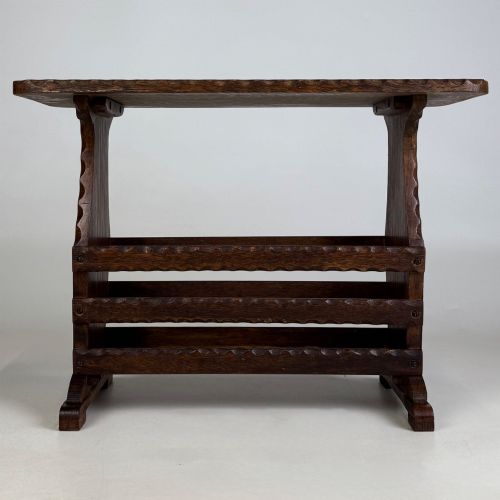
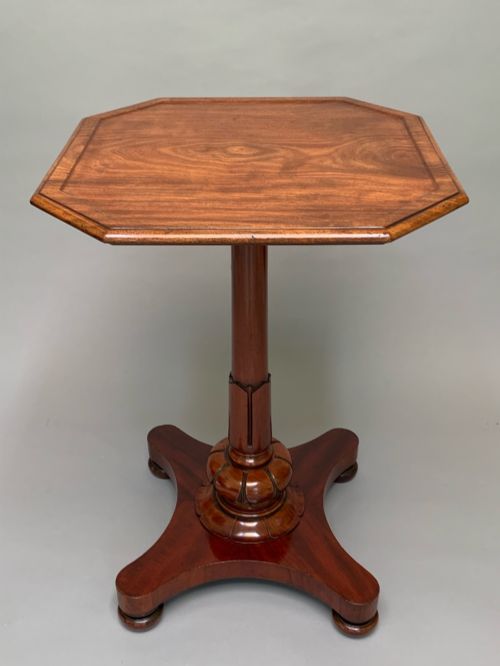
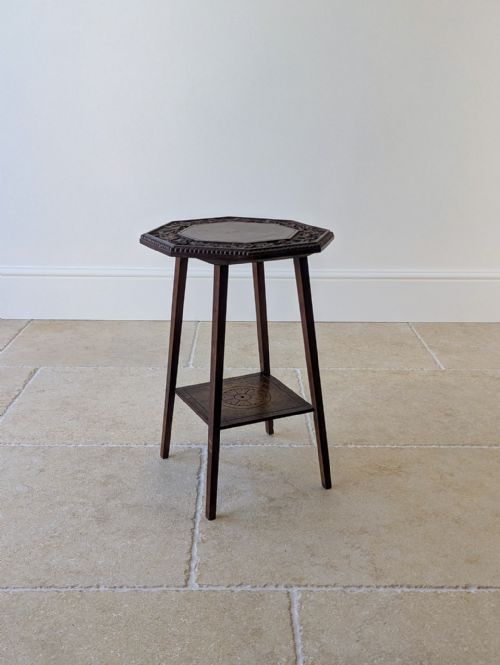
These carved wooden occasional table examples bring tactile character and regional craft into a room, offering surface space with sculptural depth.
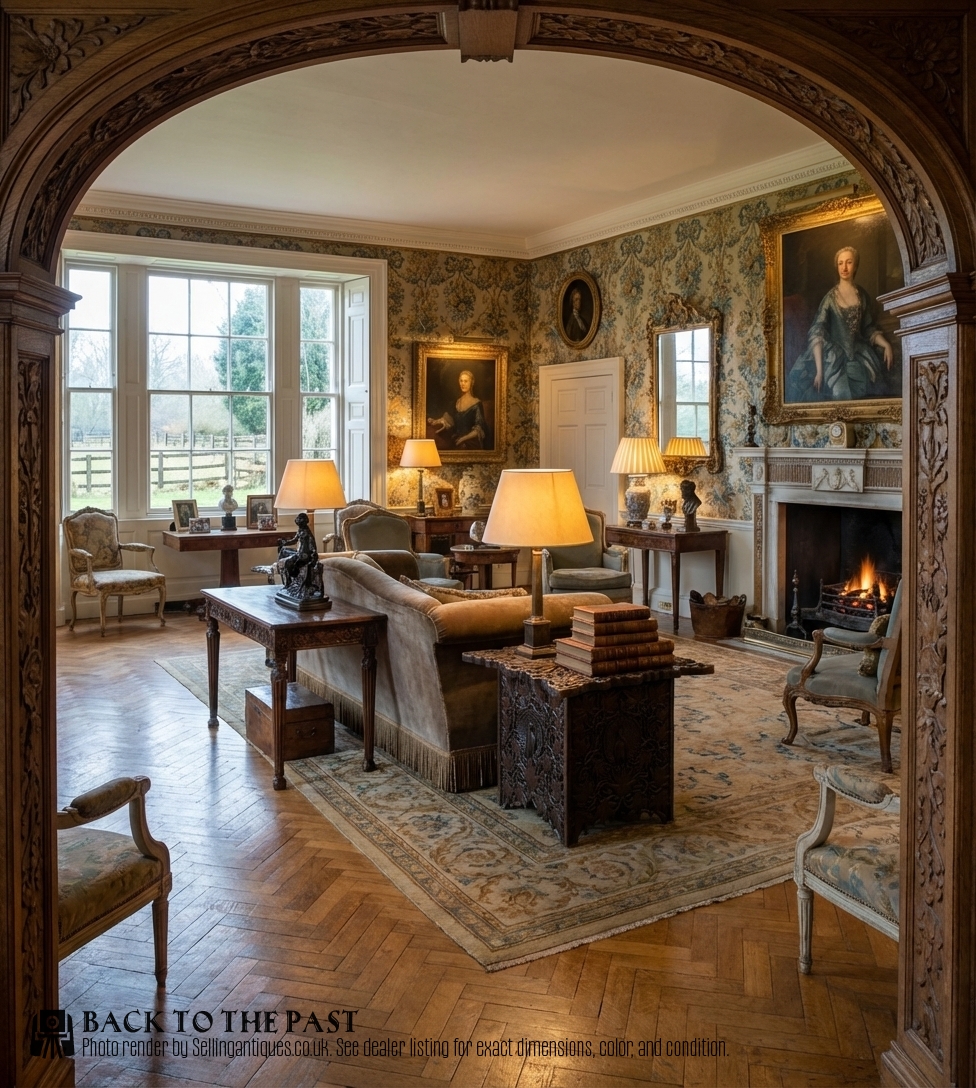
Understanding the carven occasional table
A carved wooden occasional table brings distinct regional craftsmanship and surface texture into domestic spaces. When buyers search for this phrase, they encounter portable side pieces, coffee tables, and folding formats designed for flexible placement.
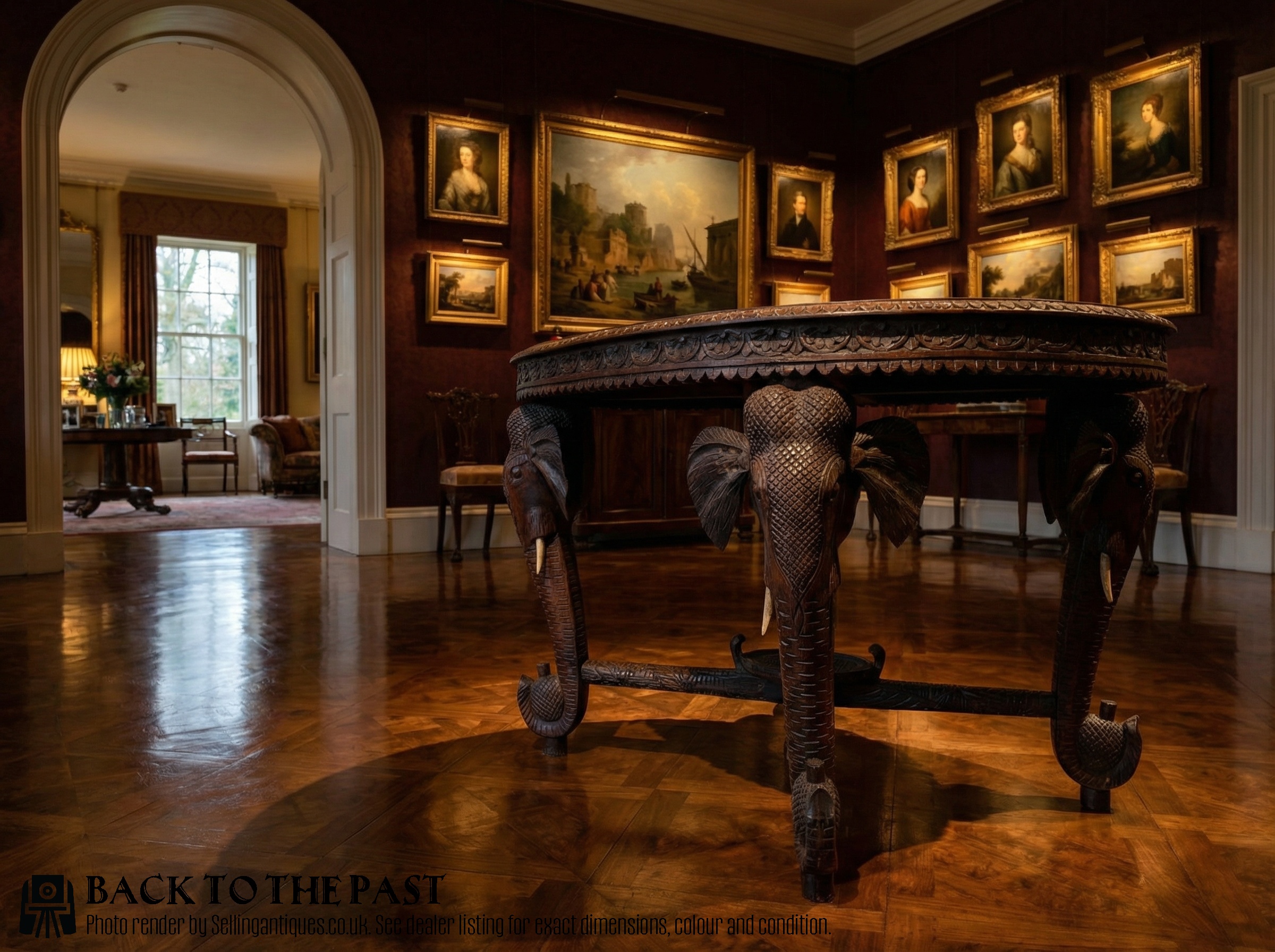
The selections span late nineteenth-century production up to the early twentieth century, including pieces originating from Anglo-Indian workshops, Burma, and Chinese export traditions. Forms range from traditional tray tops and elephant supports to rustic folk art twig constructions.
Side tables and coffee tables dominate the available types, often featuring dense surface ornament or unusual materials like bone inlay. Middle Eastern influences also appear through circular brass tops paired with carved wooden bases.
Materials and construction
Makers utilised dense timbers such as teak, oak, and general hardwoods alongside alternative natural materials like twig wood. Surfaces frequently incorporated decorative elements of bone inlay, brass, and copper to create visual contrast against the dark wood.
Techniques relied heavily upon manual woodworking, demonstrated by the profuse surface carving found on Oriental and Anglo-Burmese tip-top tables. Folding mechanisms appear on Chinese export examples, combining portability with rigid structural joinery.
Retail Price Guide 2026
Typical UK retail prices for carved wooden occasional table, calculated from the Sellingantiques database of over a million retail prices indexed since 2003. This retail price guide relies exclusively on Sellingantiques data; no external sources or auction records are used, so the figures do not describe the wider market.
Listings feature teak, oak, hardwood, twig wood, brass, copper, and bone inlay across nineteenth and early twentieth century periods.
Distinctions in quality
Quality rests upon the depth, precision, and consistency of the carving across the wooden surface. Profuse ornamentation executed with crisp detail distinguishes finer workshop production from simpler regional items.
The integration of mixed media, such as precise bone inlay or heavy brass and copper components, separates standard utilitarian pieces from more ambitious decorative examples.
The Carved Wooden Occasional Table Glossary
- Tray top table
- A table featuring a removable or lipped upper tray designed to secure objects during use. This form allowed the upper surface to double as a serving tray.
- Tip-top table
- A table with a hinged top that tilts into a vertical position for storage or movement. It represents a practical innovation in nineteenth-century furniture design.
- Bone inlay
- The technique of recessing small pieces of animal bone into carved wooden channels to form geometric or floral patterns. It provides a luminous contrast against dark hardwood.
- Anglo-Indian
- A descriptive term for nineteenth-century furniture produced in India for British colonial residents, combining traditional local carving with European furniture forms.
- Occasional table
- A small, movable table intended for specific, intermittent use within a room rather than permanent placement.
Frequently Asked Questions
Where should I place an occasional table?
These tables suit corners, beside seating, or as central display surfaces where their detailed carving remains visible. Their compact proportions allow them to move easily between rooms as needed.
Because many feature intricate surfaces or folding frames, place them away from damp areas and heavy foot traffic to protect the woodwork.
How do I clean carved wooden surfaces?
Dust surfaces regularly with a soft, dry brush to prevent dirt from settling into the deep recesses of the carving. Avoid liquid polishes that can build up within the carved details.
Applying a sparing amount of microcrystalline wax occasionally helps nourish the hardwood without filling the carved motifs.
What is an Anglo-Indian table?
These pieces originate from nineteenth-century Indian workshops catering to British tastes, often featuring dense overall floral or geometric carving. They frequently utilise teak or native hardwoods.
Workshops in regions such as Hoshiarpur became particularly known for this distinctive fusion of local craft techniques and British domestic forms.
Are folding tables sturdy?
Chinese export and regional folding tables rely on ingenious interlocking wooden hinges that secure the frame when open. When placed on an even floor, they provide stable support for everyday items.
Inspect the pivot points periodically to ensure the wooden joints remain aligned and operate smoothly without straining the material.