





Carved Wooden Lion
A carved wooden lion is a substantial sculptural form or architectural adornment shaped from timber to evoke strength and majesty.
Carved Wooden Lion
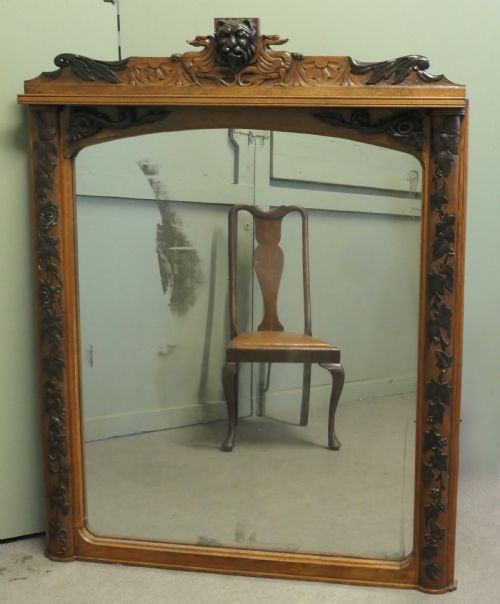
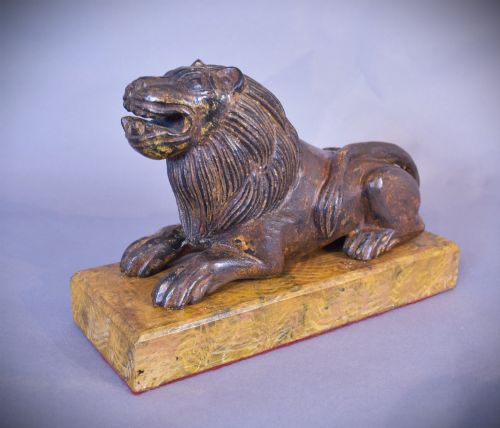
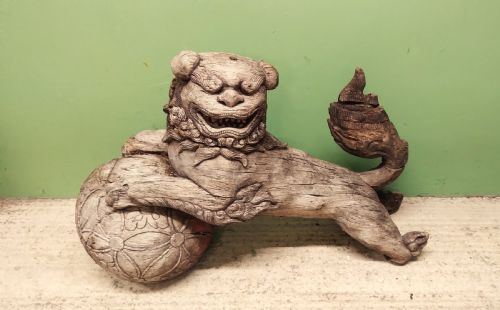
A carved wooden lion appears in forms ranging from freestanding statues and figures to architectural details such as newel post finials, wall masks, brackets and shelf supports. These pieces emerge from centuries of craftsmanship spanning the seventeenth, eighteenth and nineteenth centuries, reflecting diverse regional aesthetics from British revivalist furniture to traditional Chinese temple carvings.
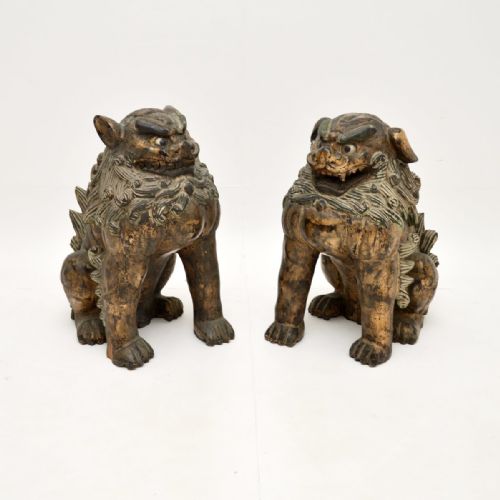
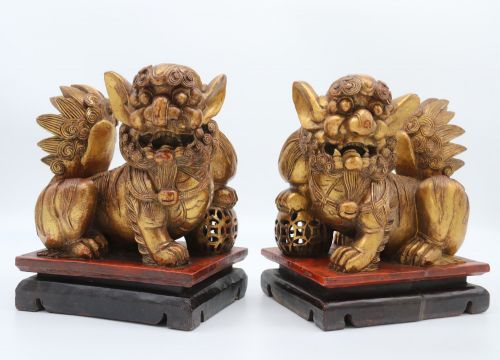
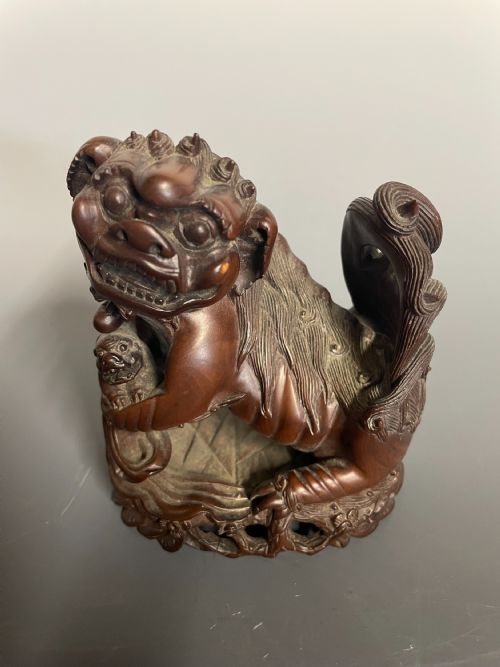
The selection on this page brings together domestic ornaments, furniture mounts and architectural salvage shaped from various timbers. Buyers encounter English oak and walnut figures alongside exotic woods like padauk, boxwood and lacquer-finished Chinese temple guardians or Foo dogs.
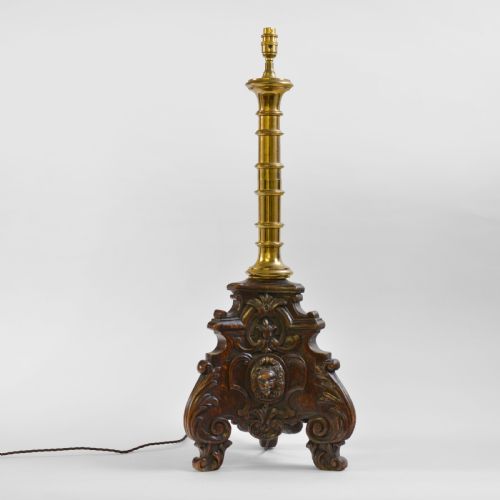
Objects originate from distinct eras including seventeenth-century joinery, Regency interiors, Victorian Gothic revival schemes and twentieth-century production. Each piece demonstrates how makers translated the regal motif of the lion into functional items like bookends and lamp bases or purely decorative sculptures.
How they were made
Carvers shaped these objects using dense hardwoods such as oak, walnut, mahogany and padauk, employing sharp chisels and gouges to define musculature, manes and facial expressions. Timber selection dictated the depth of relief and the scale of the finished sculpture, with close-grained woods allowing intricate detail on smaller items like bookends and boxwood carvings.
Surface treatments recorded in the listings include applied gilt, lacquer, and polished finishes that protect the wood while highlighting the carving. Architectural elements and furniture components often show tool marks left by hand-jointing and chisel work, connecting the physical object directly to workshop practices of the period.
Listings feature oak, walnut, mahogany, boxwood, padauk, brass, and gilt materials across periods spanning the seventeenth to the twentieth century.
What varies in quality
Material choice and preservation of the original surface further differentiate the range. Pieces retaining untouched period finishes, rich patina and original gilding or lacquer hold greater visual clarity than those stripped or heavily restored over subsequent centuries.
Eugene Emile Borga·Valentino Pancirea Besarel·Wylie Lockhead Manufacturers
The Carved Wooden Lion Glossary
- Foo dog
- A traditional Chinese guardian lion sculpture, often paired, depicting mythical protective beasts with stylized manes. These figures frequently appear in carved wood, boxwood or root wood from the eighteenth and nineteenth centuries.
- Newel post finial
- A decorative ornament fixed to the top upright post of a staircase. In early woodwork, these terminal carvings frequently took the form of heraldic lions or beasts.
- Corbel
- A structural bracket projecting from a wall to support a weight above. Wooden examples are often carved as figural supports, including lions and mythological creatures.
- Padauk
- A dense tropical hardwood known for its deep reddish-brown colour. Makers utilised this durable material for fine nineteenth-century cabinets and decorative furnishings.
- Giltwood
- Timber treated with gold leaf or gold paint to create a metallic surface finish. This technique highlights carved details on decorative mirrors and ornamental frames.
Carved Wooden Lion: Frequently Asked Questions
How do I date a carved wooden lion?
Dating relies on examining the tool marks, timber species, and stylistic traits associated with specific periods like the seventeenth century or the Victorian era. Comparing the mounting methods and wear patterns helps establish the age of the piece.
Changes in finishing techniques and regional carving styles also provide reliable clues for placing an item within a specific century or design movement.
Where were these lions placed originally?
Many figures served architectural functions, sitting atop staircase newels, supporting wall shelves, or acting as temple guards in foreign interiors. Others functioned as domestic ornaments, bookends, or central elements on large furniture pieces.
Larger sculptures stood freely on plinths in reception halls, while wall masks and brackets integrated directly into the structural woodwork of historic rooms.
How do I care for antique carved wood?
Preserving these objects requires maintaining stable indoor humidity levels and keeping them away from direct heat sources and sunlight. Gentle dusting with a dry, soft cloth prevents the accumulation of dirt without risking the dry surface or finish.
Avoid applying modern silicone polishes or heavy waxes that can penetrate unsealed grain and alter the historic patina developed over centuries.
Are Foo dogs different from lions?
Foo dogs represent traditional Chinese guardian lions rooted in Buddhist iconography rather than European biological lions. They typically feature stylized, swirling manes and are often depicted guarding sacred spaces or domestic thresholds.
While sharing the symbolic role of protection, their artistic execution follows distinct cultural conventions compared to British or continental European animal sculptures.