



Grand Tour Lion Sculpture
These grand tour lion sculpture examples bring classical antiquity and Renaissance sculpture into the home through finely cast metal and carved stone.
Grand Tour Lion Sculpture
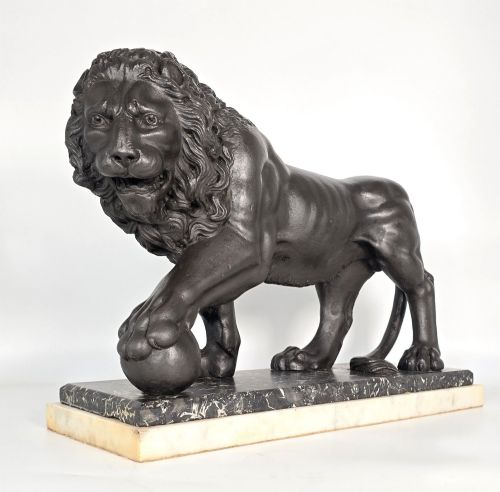
A grand tour lion sculpture captures the majesty of famous European monuments and classical antiquities brought home by travellers in past centuries. Buyers encountering this search phrase will find interpretations ranging from the Canova lions and the Medici lions to the winged lion of Saint Mark.
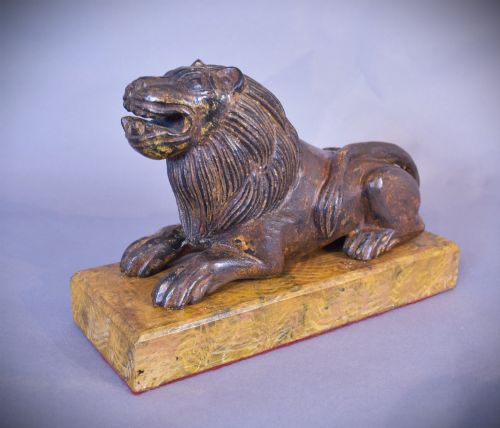
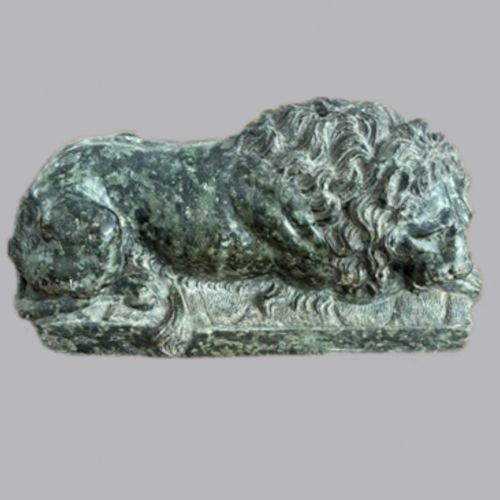
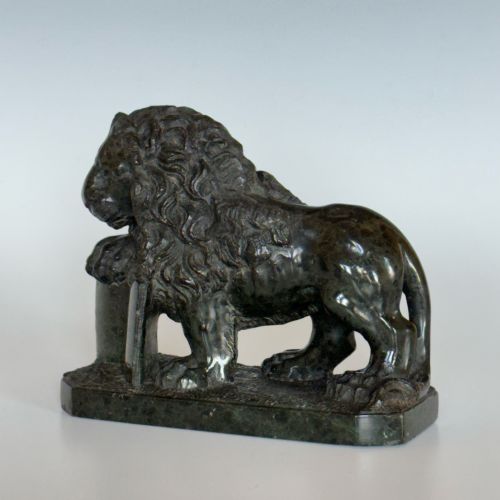
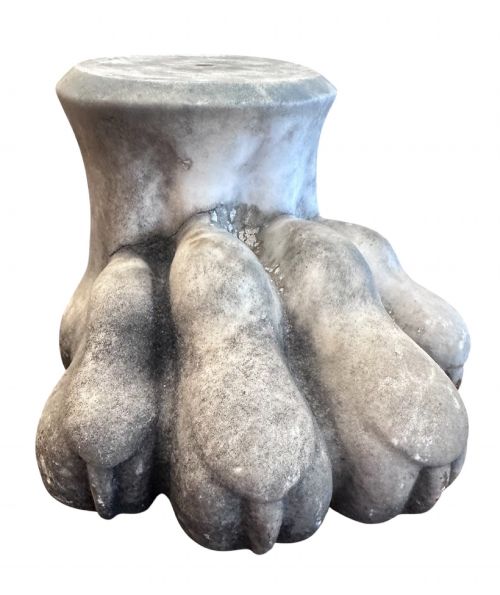
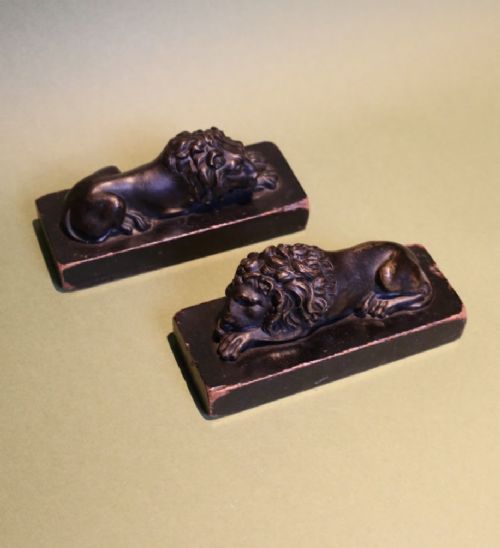
The materials span the periods seen on this page, appearing in 17th-century stone, 19th-century marbles such as Carrara and serpentine, and cast bronze. Forms vary from seated pairs and recumbent figures on plinths to wall plaques and architectural fountain heads.
Materials and construction
Makers shaped these grand tour lion sculpture pieces using traditional techniques of metal casting and stone carving. Bronze versions rely on careful casting methods to capture the musculature and detail of the original monuments, while marble and alabaster examples demonstrate precise chisel work.
Surfaces receive varied treatment, including patination on metals and the polishing of stones like Sienna and green marble. Bases frequently incorporate contrasting plinths of matching or complementary marble to elevate the sculpture.
The listings here feature materials ranging from Carrara and Sienna marble to patinated bronze and carved wood.
Quality factors
The choice and integration of the material also dictate the standing of a piece. Well-matched marble plinths and balanced proportions elevate a sculpture above simpler souvenir items produced in volume.
The Grand Tour Lion Sculpture Glossary
- Grand Tour
- A traditional journey of Europe undertaken by upper-class European young men of means flourished during the 18th and 19th centuries. It resulted in the acquisition of art and antiquities.
- Medici Lion
- One of a pair of marble lion sculptures guarding the Villa Medici in Rome, widely copied during the grand tour period. These figures combine classical majesty with Renaissance restoration.
- Canova Lion
- Sculptures based on the lions carved by Antonio Canova for the tomb of Pope Clement XIII in St Peter's Basilica. They represent mourning and vigilance.
- Serpentine
- A dark green mineral often used for carving decorative objects and architectural elements in Italy. Its mottled appearance resembles snake skin.
- Patinated Metal
- Metal treated with chemicals or heat to produce a stable surface colour and finish. This process protects the metal while enhancing visual depth.
Grand Tour Lion Sculpture: Frequently Asked Questions
What is a grand tour lion sculpture?
A grand tour lion sculpture is a period souvenir or decorative object modelled after famous public monuments in Italy and elsewhere in Europe. Travellers collected these pieces to commemorate their travels through cultural centres.
They typically depict famous historic beasts such as the Medici lions, the Canova lions, or the winged lion of Saint Mark. Materials generally include bronze, marble, serpentine, and alabaster.
How do I display a marble lion?
Marble and bronze lions suit placement on desks, bookcases, or dedicated console tables where their weight and detail can be appreciated. Pairs often sit well flanking a fireplace or framing a doorway.
Ensure the supporting surface is stable, as these pieces in stone or metal can be heavy. Keep them away from direct heat sources to protect any polished stone surfaces.
How do I tell the periods apart?
Distinguishing periods relies on examining the material patination, tool marks, and the style of the base or plinth. 17th-century pieces often display hand-carved stone weathering, whereas 19th-century grand tour items show the precise finish typical of industrial-era casting and specialised carving.
Signatures or foundry marks, when present, help date bronze examples more precisely. Comparing the styling to known monuments also aids attribution.