


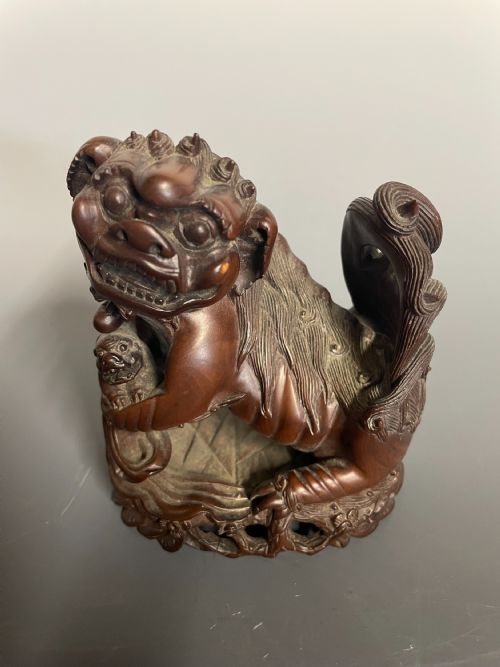


Antique Carved Lion Figures
These antique carved lion figures bring centuries of sculptural presence into a room, spanning grand Italian marble guards and traditional Chinese temple figures.
Antique Carved Lion Figures
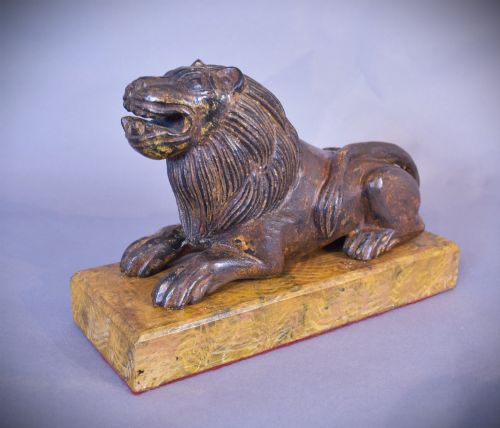
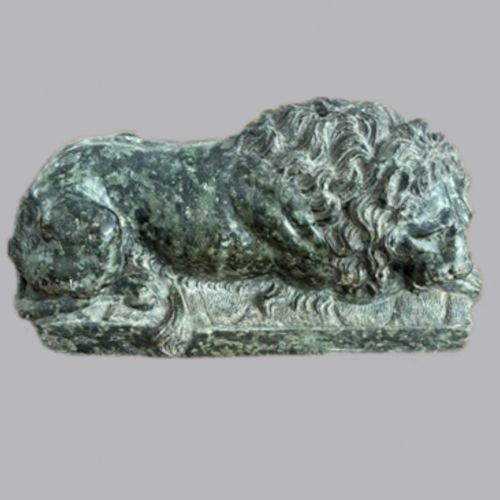
When you search for antique carved lion figures, you encounter sculptural representations shaped from wood, stone, marble, and soapstone across various historical periods. The selections available encompass diverse traditions, ranging from European Grand Tour souvenirs and Gothic Revival ornaments to traditional Chinese Buddhist lions and Foo dogs.
The objects take many forms, including pairs of bookends, garden statues, folk art figures, and monumental sculptures mounted on plinths. Pieces span from the seventeenth century through to the Art Deco era, reflecting distinct regional aesthetics and sculptural approaches.
How they were made
Carvers shaped these figures primarily from hardwoods such as boxwood, walnut, and root wood, alongside various stones including serpentine marble, alabaster, and soapstone. Many wooden examples received surface treatments involving paint, lacquer, or gilding to enhance their decorative impact.
Listings feature pieces fashioned from boxwood, serpentine marble, soapstone, and giltwood across the nineteenth century and earlier.
What varies in quality
Quality in these sculptures rests upon the anatomical conviction of the carving and the fidelity of the regional style. Superior pieces demonstrate confident handling of form, whether capturing the fierce majesty of a classical guard or the intricate ornamentation of a gilt wooden pair.
The choice of material and the depth of the carving execution further distinguish the work. Master carvers achieved expressive liveliness and balance that elevate simple decorative ornaments into notable works of sculpture.
Luigi Frullini
The Antique Carved Lion Figures Glossary
- Foo Dog
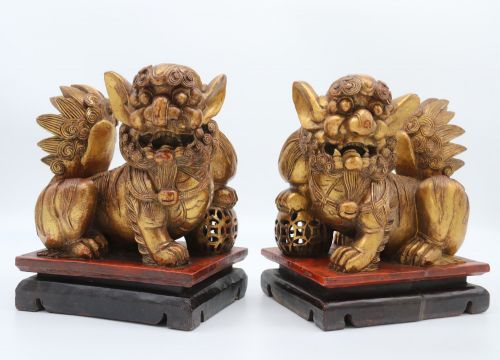
- A traditional Chinese guardian lion figure, also known as a lion dog or temple guard dog, typically depicted sitting and protecting sacred spaces. These figures combine stylised mane details with fierce expressions.
- Grand Tour
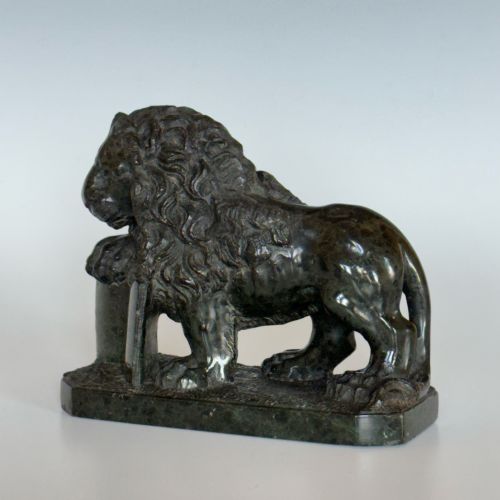
- A nineteenth-century cultural journey undertaken by Europeans, which generated a market for miniature architectural models and classical sculptures like the Lion of St Mark and Medici lions. These souvenirs were carved in serpentine and marble.
- Medici Lion
- A pair of marble sculptures of lions, one with its paw upon a ball, originally created in classical antiquity and copied extensively during the nineteenth century. They frequently appear in pairs on Grand Tour and neoclassical pieces.
- Root Wood
- A material utilised by Chinese carvers who worked with the natural twists and growths of tree roots to suggest animal forms. This technique produced expressive figures like temple dogs by following the grain.
- Recumbent
- Lying down or resting, a posture often seen in marble and stone lion figures carved to recline on plinths. This form suits architectural ornaments and mantel decorations.
Antique Carved Lion Figures: Frequently Asked Questions
What is a Foo dog?
A Foo dog is a traditional Chinese guardian lion figure, often carved in wood, soapstone, or stone to protect temples and domestic spaces.
These mythical creatures combine traditional temple iconography with vigorous sculptural carving.
Where were Grand Tour lions made?
Grand Tour lion figures were produced in Italy and Europe during the nineteenth century for travellers collecting classical souvenirs.
Carvers utilised local materials like serpentine marble and alabaster to replicate famous monuments such as the Medici lions.
How do I date a wooden lion figure?
Dating depends on the wood type, tool marks, and stylistic indicators associated with periods from the seventeenth century to the Art Deco era.
Examination of the surface finish, such as original giltwood or paint, also provides chronological clues.
Were these figures meant for gardens?
Some stone and marble examples functioned as garden statues or monumental architectural ornaments on plinths.
Others served indoors as decorative ornaments, bookends, or mantel sculptures.