
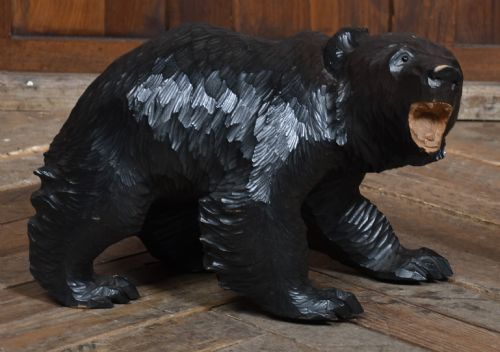


Wooden Animal Statue
A wooden animal statue brings the texture of carved linden, walnut and teak into a room, capturing bears, lions and elephants across centuries of regional craft.
Wooden Animal Statue
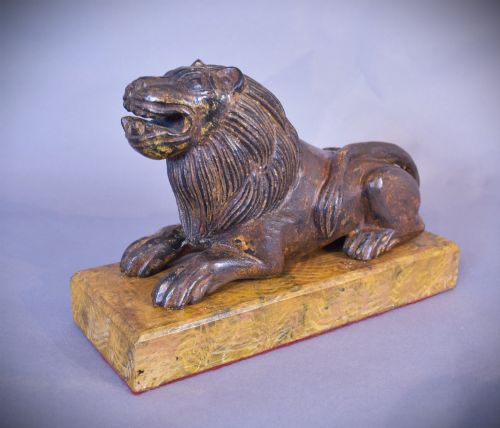
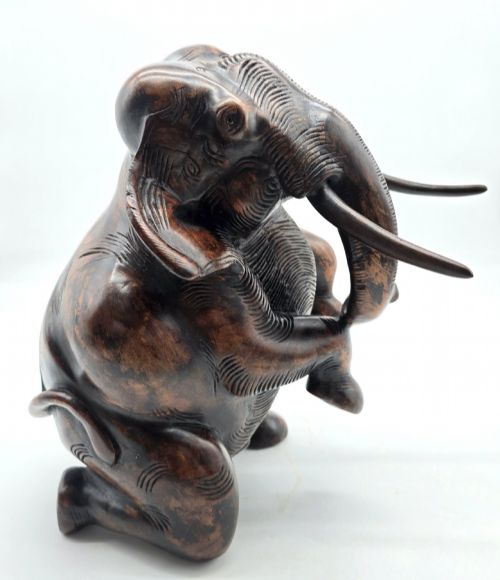
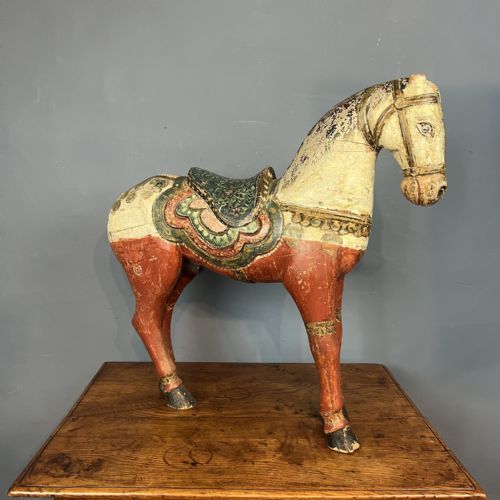
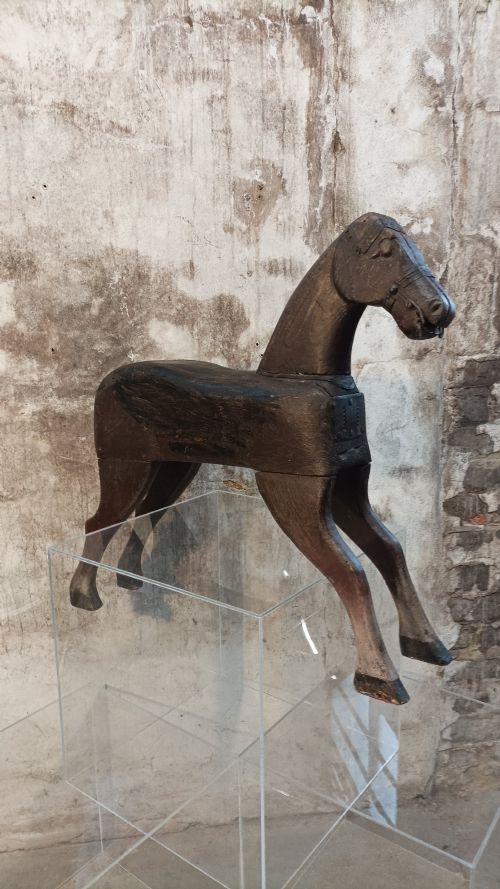
When searching for a wooden animal statue, a buyer encounters figures ranging from European alpine carvings to Asian hardwood representations. These pieces take the form of bears, lions, elephants and horses, created as decorative sculptures and figures.
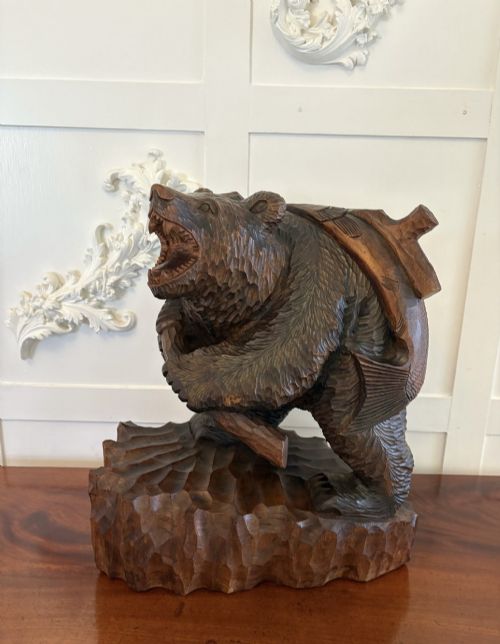
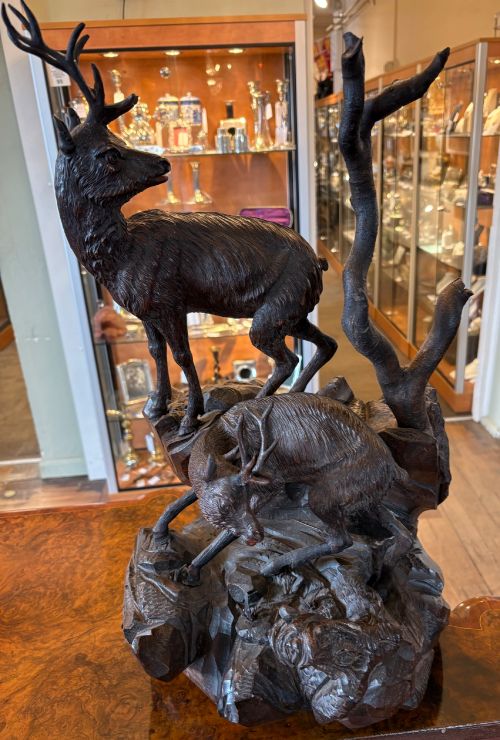
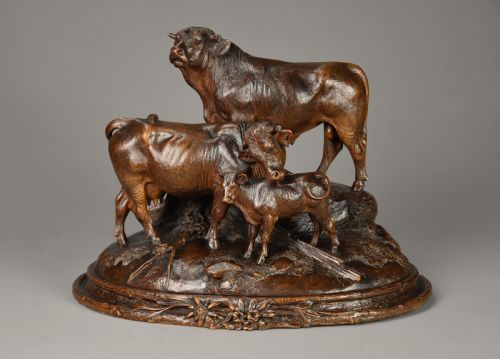
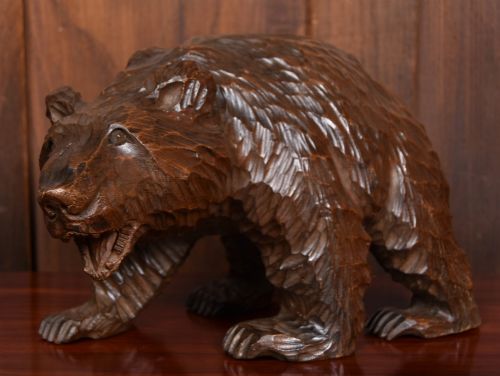
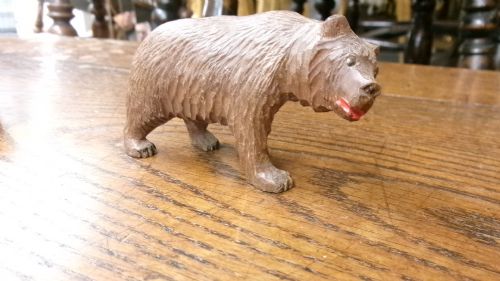
The most common examples on this page hail from the Black Forest tradition, featuring linden wood bears, ibex and cattle groups. Japanese carved bears and Indian Raj period teak or ebony elephants also appear frequently among the listings.
Dating primarily from the nineteenth century into the mid-twentieth century, the selection spans periods such as the Edwardian era and the Art Deco movement. Regional styles include folk art, Anglo-Indian work and Japanese folk art.
Materials and construction
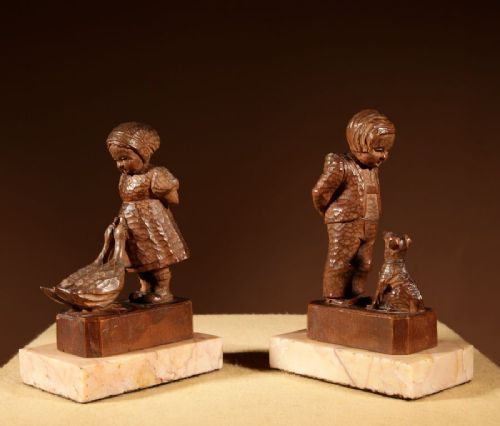
Carvers shaped these figures predominantly from solid woods including linden wood, walnut, teak, ebony and general hardwood. Selected pieces incorporate added elements like bone details, paint, or brass accents mounted on marble bases.
Makers utilised hand-carving techniques to render fur, muscle and expression, sometimes applying surface paint or polish to define the grain. Certain sculptures employ stud eyes or sit upon dedicated wooden plinths and stands.
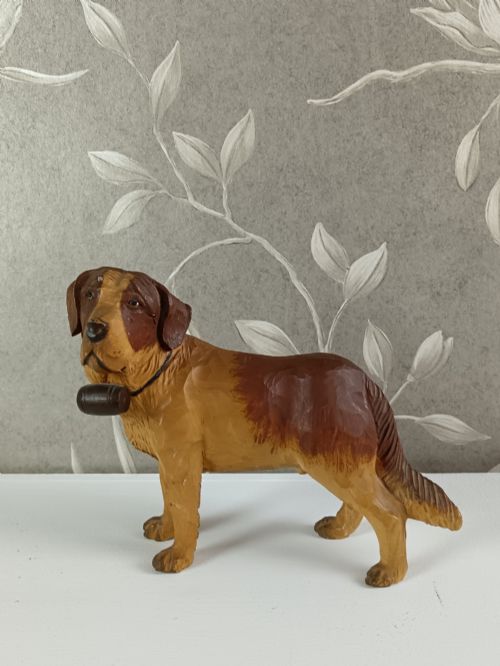
A stoic St Bernard rescue dog stands ready with a tiny barrel, embodying nineteenth-century alpine optimism in solid wood.
Assessing the carving and finish
The selection of the wood and the preservation of the original surface finish influence the character of the object. Maker attribution, such as signed works or stamped workshop marks, separates standard decorative items from documented studio pieces.
J Huggler·Eugene Emile Borga·Laszlo Hoenig·Guido Cacciapuoti
The Wooden Animal Statue Glossary
- Black Forest
- A style of wood carving originating from the mountain regions of Switzerland and Germany, known for realistic animal studies, particularly bears and alpine wildlife.
- Linden wood
- A pale, fine-grained timber favored by carvers for its softness and lack of prominent grain, allowing for intricate detail.
- Raj period
- The era of British rule in the Indian subcontinent, associated in decorative arts with dense hardwood carvings of elephants and local fauna.
- Folk art
- Objects created by self-taught or traditional artisans, prioritising naive charm and direct expression over academic realism.
- Kibori Kuma
- A traditional style of Japanese wood-carved bear originating from Hokkaido, often depicted carrying a salmon.
Wooden Animal Statue: Frequently Asked Questions
What woods were used for these animal statues?
Carvers utilised a range of timbers depending on the region and period of production. Linden wood, walnut, teak, ebony and general hardwood appear frequently across the pieces.
Some objects incorporate contrasting materials such as bone or brass, while others feature painted surfaces or rest upon marble bases.
How do I identify Black Forest carvings?
Black Forest carvings are typically rendered in linden wood and depict wildlife such as bears, deer, ibex and chamois. They originate from European alpine regions and often display deep, naturalistic texturing of fur and muscle.
Subjects range from single animal studies to complex groups involving multiple figures or architectural elements like coat hooks and stands.
Where were Japanese wooden bears made?
Japanese wooden bears, known as Kibori Kuma, were produced primarily in Hokkaido as part of regional folk art traditions. Carvers frequently depicted the animals with a fish in their mouths.
These pieces showcase hand-carved textures representing thick fur, often utilising linden wood or local hardwoods.
Are these animal statues signed by makers?
Certain pieces bear stamps, signatures or attribution to specific workshops and artists. Marks can sometimes be found stamped into the wood or associated with documented makers from European and Asian traditions.
Unsigned pieces remain common, reflecting regional folk art or anonymous studio production from the nineteenth and early twentieth centuries.