

Regency Style Wood Carving
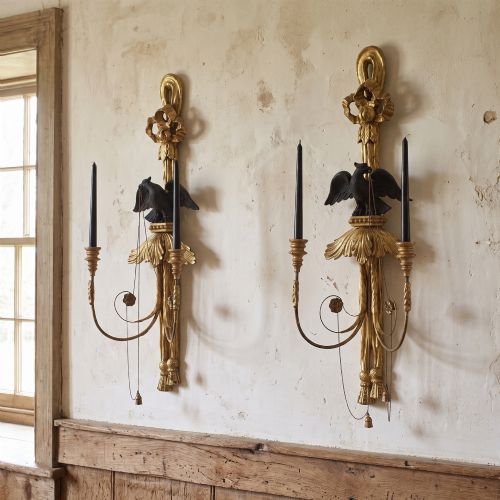
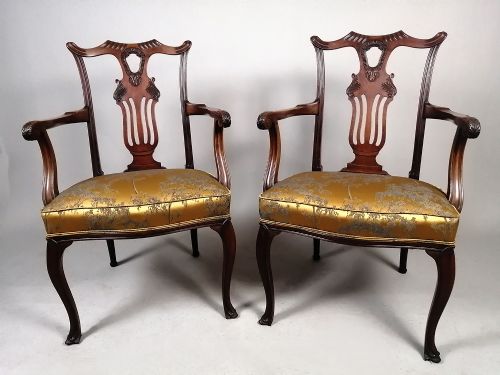
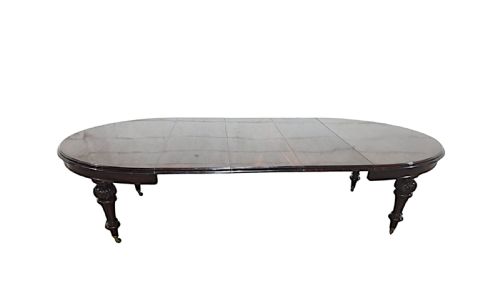
Regency style wood carving brings classical lines and disciplined ornament into domestic interiors through dining tables, convex mirrors and occasional chairs.
Regency Style Wood Carving
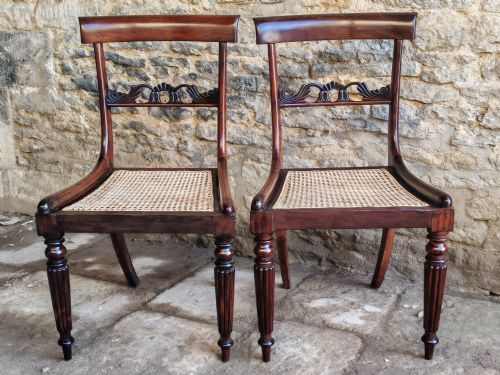
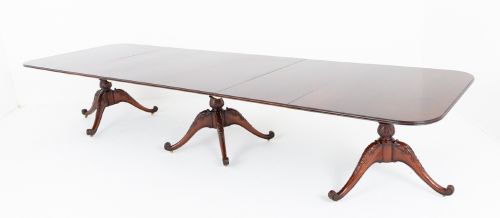
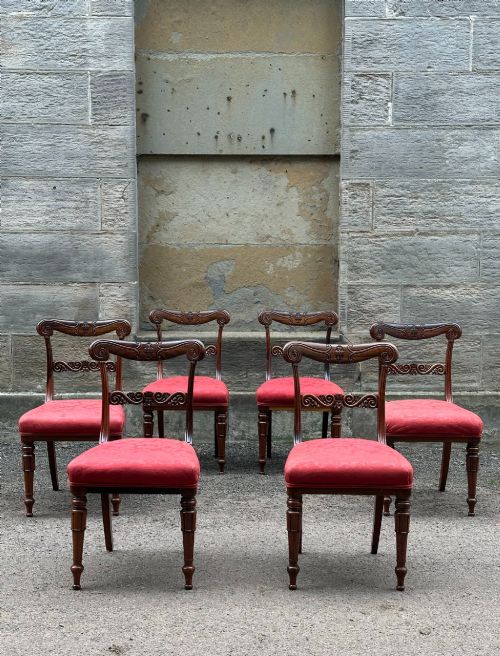
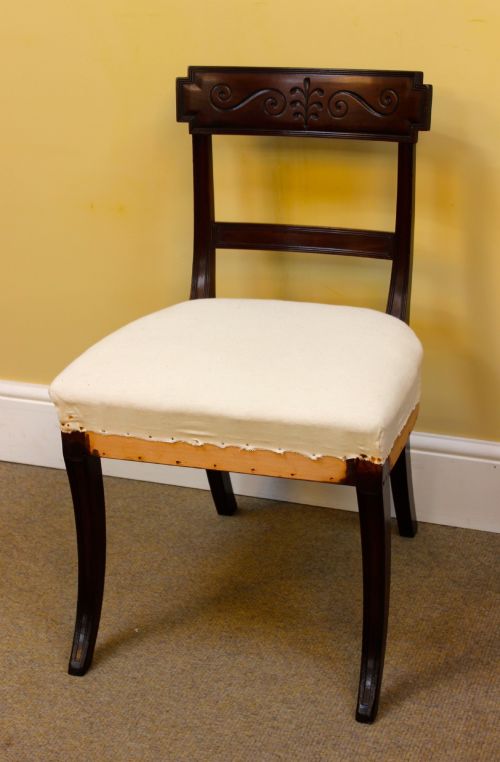
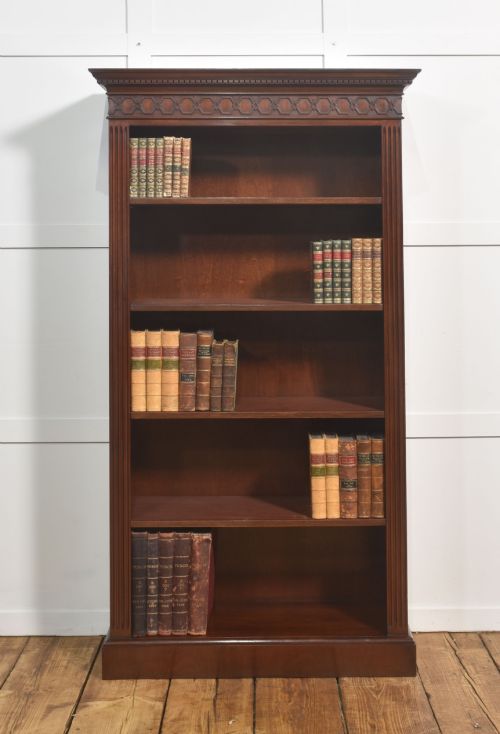
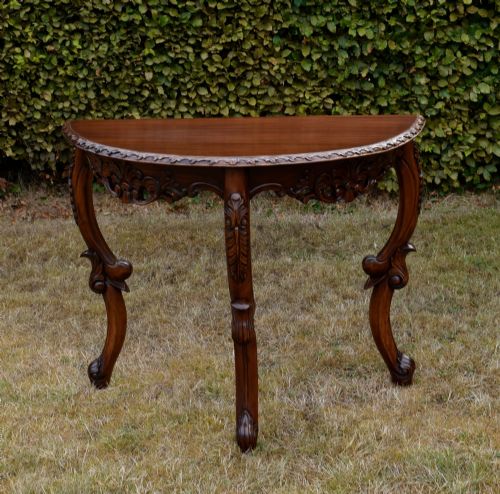
When searching for regency style wood carving, collectors encounter furnishings rooted in the nineteenth century alongside later revivals stretching into the twentieth century. These objects span formal dining tables, console tables and library bookcases designed with classical symmetry and restraint.
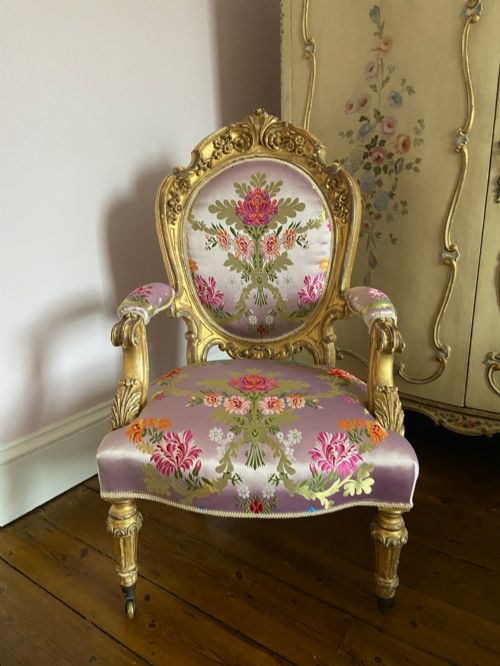
Dining chairs, armchairs and wall mirrors dominate the forms seen here, often displaying structural references to ancient Greece and Rome. Pieces originate from distinct periods including the Regency era proper, the William IV years and later Victorian revivals.
How they were made
Makers utilised dense timbers such as mahogany, rosewood and ebony alongside carved pine and applied gesso for gilded surfaces. Construction methods combined structural joinery with intricate hand-carved ornamentation applied to frames, legs and supports.
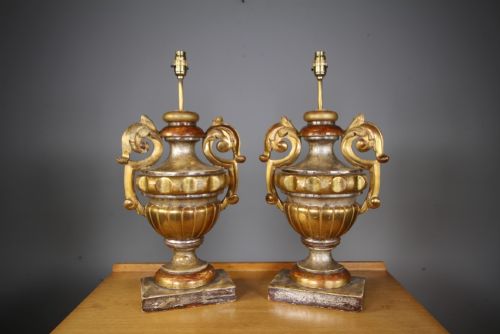
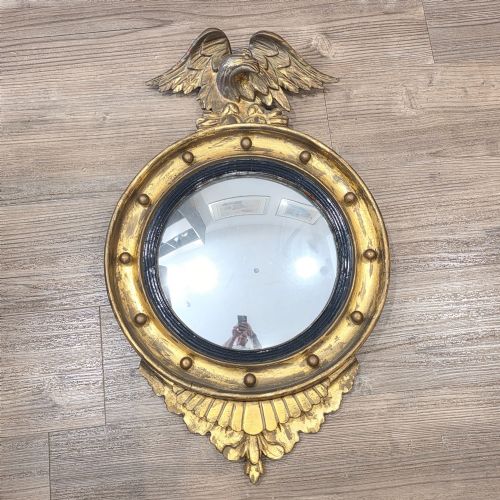
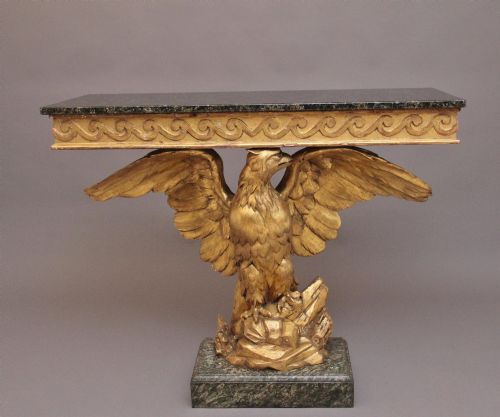
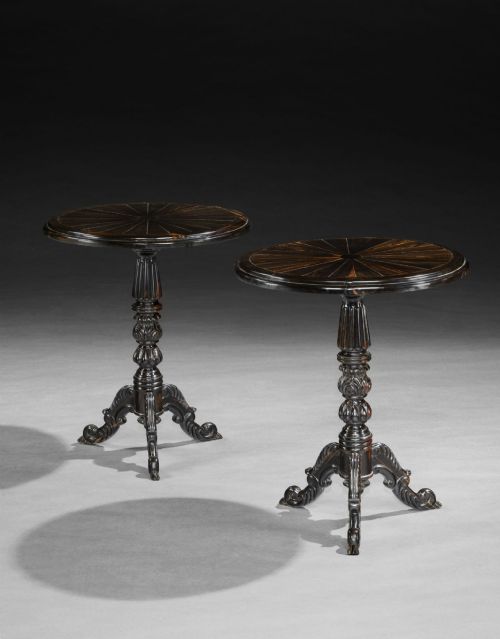
Giltwood surfaces relied upon layers of gesso applied to wood before gilding with metal leaf to achieve reflective brilliance on mirrors and console tables. Turning and joinery created stable tripod bases, pedestal columns and curved chair backs without modern adhesives.
Listings feature mahogany, rosewood, and giltwood across nineteenth-century dining tables, convex mirrors, and bookcases.
What varies in quality
Quality separates through the crispness of hand-carved detail on foliage, paws and classical motifs, alongside the selection of timber grain. Superior examples display precise joinery and well-proportioned architectural elements rather than hurried assembly.
The depth and application of gilding or polish dictate the visual success of mirrors and tables over time. Better pieces maintain structural integrity and balanced proportions across pedestals, frames and seating rails.
Gillows·Thomas Hope·Miles and Edwards·William and Gibton
The Regency Style Wood Carving Glossary
- Giltwood
- Wood coated with gold leaf or metal leaf over a prepared gesso ground. This finish appears frequently on convex mirrors and console tables from the period.
- Gesso
- A plaster mixture applied to wood surfaces to provide a smooth base for gilding or painting. It allows intricate relief ornament to be carved or moulded before metal leaf application.
- Monopodia
- Furniture supports shaped as a single lion leg and paw, derived from classical Roman design. They appear on armchairs and tables associated with Regency aesthetic influence.
- Triform
- Having three sides or a three-way base design, commonly seen on pedestal tables and breakfast tables. This configuration provides stability on central columns.
- Curule
- An ancient Roman X-shaped folding stool design adapted into nineteenth-century seating. These frames often utilise mahogany or rosewood with upholstered elements.
Regency Style Wood Carving: Frequently Asked Questions
How do I identify true Regency style wood carving?
Authentic pieces display restrained classical proportions, carved motifs such as acanthus leaves or reeding, and dense timbers like mahogany or rosewood. Structural forms often reference ancient architectural models.
Later revival pieces from the late nineteenth or early twentieth centuries replicate these patterns but typically show different secondary woods and modern construction methods upon close inspection.
Where were these carved wooden items used?
These furnishings suited formal reception rooms, libraries and dining parlours of substantial townhouses and country residences. Dining chairs, console tables and overmantel mirrors occupied central positions in daily domestic life.
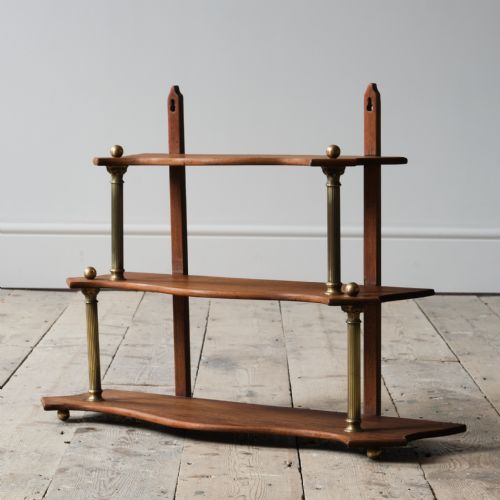
Smaller items like tripod tables and wall brackets served as functional display surfaces for lighting and decorative objects within drawing rooms.
What is the difference between Regency and William IV furniture?
Regency pieces generally exhibit slender proportions, delicate brass inlay and refined classical restraint derived from direct archaeological sources. Carving remains crisp and disciplined.
William IV furniture tends to be heavier and more robust, featuring bolder scrolling elements, broader mahogany or rosewood grains, and substantial pedestal bases.
How should I care for antique gilded mirrors?
Keep gilded wood and gesso mirrors away from direct sunlight and excessive moisture to prevent the metal leaf and ground layer from cracking or flaking. Dust gently with a soft dry brush.
Avoid using liquid cleaners or chemical polishes on the gilded surfaces, as moisture damages the historic gesso foundation beneath the metal leaf.