




Carved Lion Statue
A carved lion statue commands a room or garden, bringing centuries of sculptural tradition and imposing presence into your home.
Carved Lion Statue
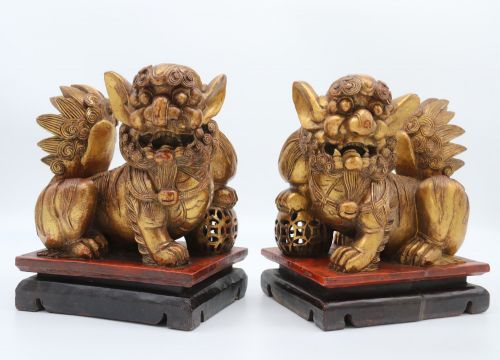
A carved lion statue encompasses a diverse array of sculptural forms, ranging from monumental garden guardians and architectural newel post finials to cabinet-sized Grand Tour souvenirs and bookends. Buyers searching for a carved lion statue will encounter pieces spanning from the seventeenth century through the Art Deco era, reflecting both European classical traditions and traditional Chinese craftsmanship.
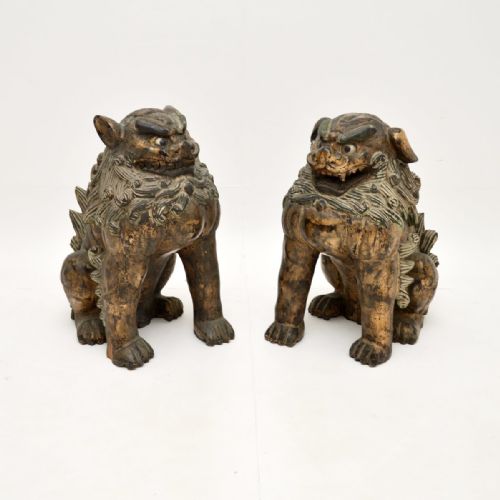
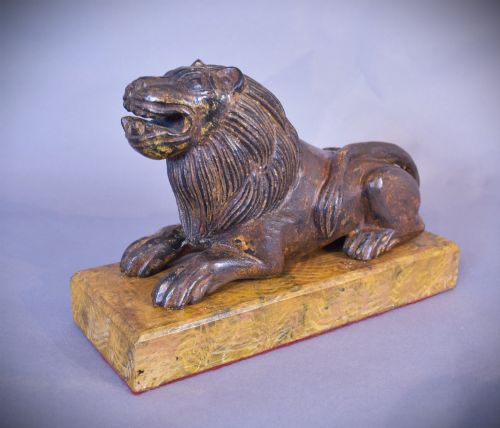
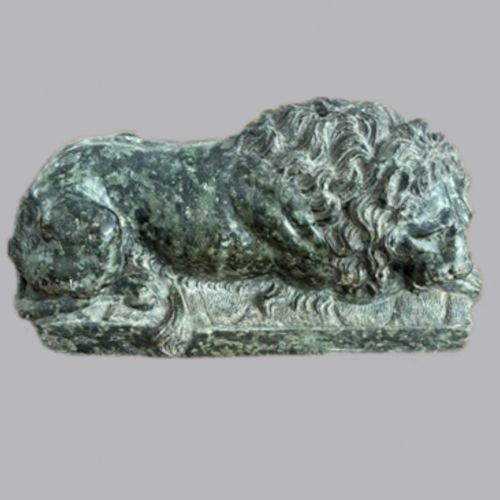
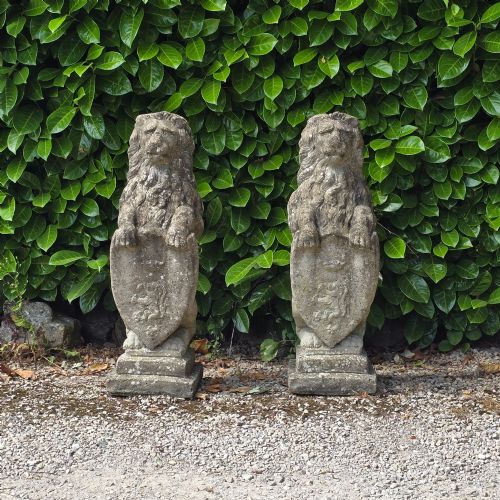
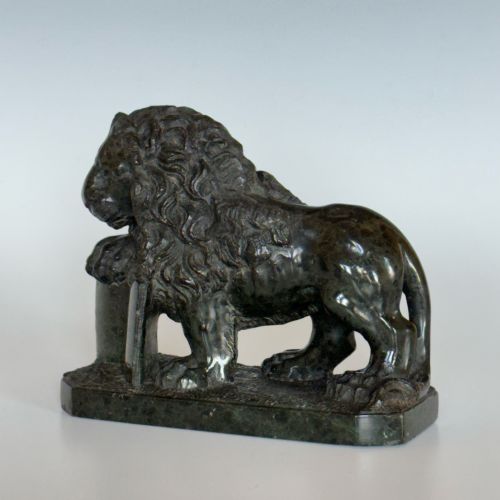
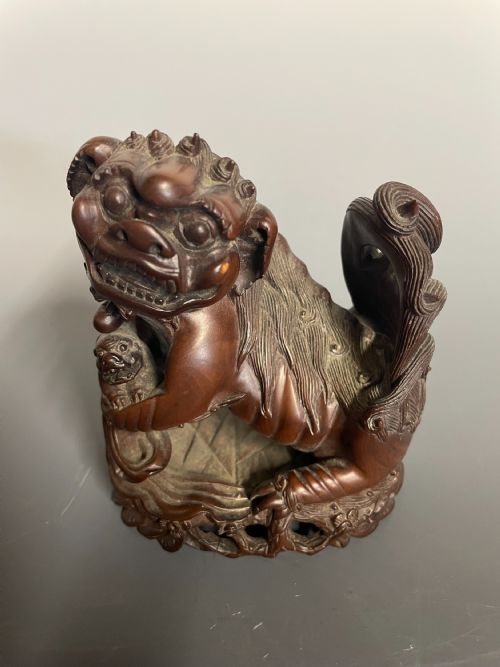
The selection on this page leans heavily towards pairs of Chinese Foo Dogs and guardian lions alongside European Grand Tour interpretations such as the Medici and Venetian lions. These objects appear in various scales, from life-size garden stonework to intricate boxwood and root wood desk carvings.
Originating from diverse contexts including English country houses, Italian workshops, and Chinese temples, these sculptures serve both decorative and symbolic functions. Whether standing guard on plinths or rendered as recumbent desk ornaments, they capture the enduring fascination with the king of beasts across different cultures and centuries.
Materials and methods
Many European pieces utilise imported Italian marbles or reconstituted stone cast for architectural garden use, while Asian examples rely on native roots, boxwood, and jade marble. Surface treatments range from natural weathered patinas on exterior garden statuary to refined gilding and lacquer work on interior temple guards.
Several stone lions manage to look fiercely protective while appearing as though they have spent centuries meditating in a sunny garden.
Determinants of quality
Quality rests in the anatomical precision of the carving, where superior examples exhibit confident rendering of bone structure, facial expression, and tension in the paws. The depth and crispness of the chisel work distinguish master carvers from commercial workshops producing routine decorative ornaments.
The integrity of the material and the preservation of original surfaces dictate desirability. Pieces retaining undisturbed historic patinas, original gilding, or matching stone bases command greater appreciation than those stripped, heavily restored, or poorly weathered.
Eugene Emile Borga
The Carved Lion Statue Glossary
- Foo Dog
- A traditional Chinese guardian lion, also known as a Dog of Fo or temple guard dog, typically depicted in pairs protecting sacred spaces. These mythical beasts combine leonine strength with stylized curly manes and expressions.
- Grand Tour
- A nineteenth-century cultural journey through Europe undertaken by young upper-class men, collecting classical antiquities and smaller sculptural replicas such as Venetian and Medici lions. These souvenir bronzes and marbles were prized for their academic accuracy.
- Medici Lion
- A sculptural type modeled on the ancient marble lions guarding the Villa Medici in Rome, famously replicated during the Grand Tour and nineteenth-century revival periods. They show a majestic lion resting one paw upon a sphere.
- Newel Post Finial
- An ornamental architectural carving capping the main vertical post at the start of a staircase. Seventeenth-century examples often took the form of carved wooden lions holding shields or standing erect.
- Root Wood
- A material favored by Chinese artisans who utilised the natural, gnarled contours of tree roots to shape figures such as lions and dogs of fo. Each sculpture follows the organic growth of the wood.
Carved Lion Statue: Frequently Asked Questions
Where were Grand Tour lions made?
Grand Tour lion statues were primarily carved in Italy during the nineteenth century by local artisans catering to travellers touring classical European sites. These workshops reproduced famous antiquities like the Medici lions in marble or serpentine.
Collectors bought these smaller sculptures as sophisticated mementos of their travels across Europe, displaying them on desks, cabinets, and mantelpieces.
How do I care for a wooden lion statue?
Wooden lion statues require stable indoor humidity and protection from direct sunlight to prevent the wood from drying, cracking, or fading. Dust them gently with a soft, dry cloth rather than using liquid polishes.
For gilded or lacquered pieces, avoid abrasive cleaners entirely to preserve the delicate historic surfaces and original paint layers.
Are garden stone lions frost resistant?
Garden stone lions carved from natural stone or robust reconstituted stone are generally durable, but severe winter frosts can threaten pieces holding trapped moisture. Placing them on plinths helps prevent ground dampness from soaking into the base.
Covering vulnerable statues during extreme freezing weather ensures the stone and any historic patinas remain undamaged over the years.