
Carved Wooden Hallway Table
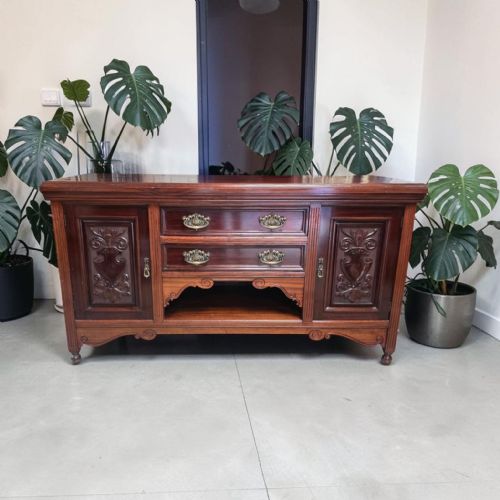
A carved wooden hallway table brings practical surface space and distinct period character to an entrance.

Carved Wooden Hallway Table
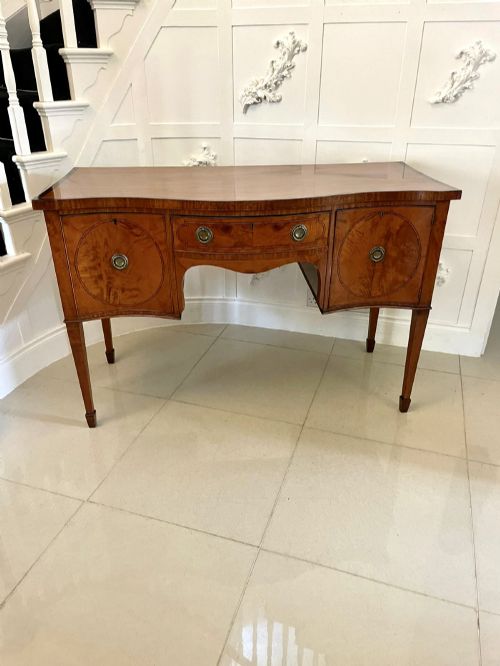
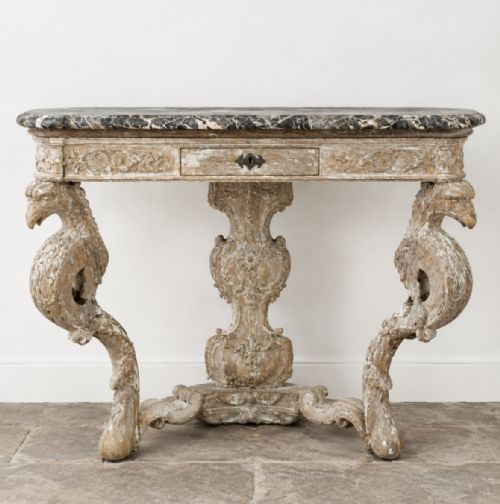
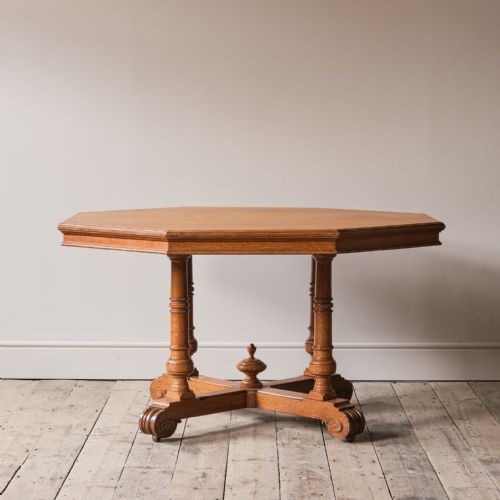
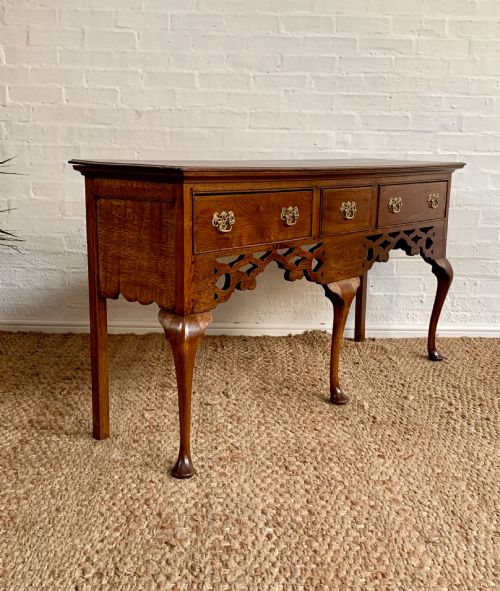
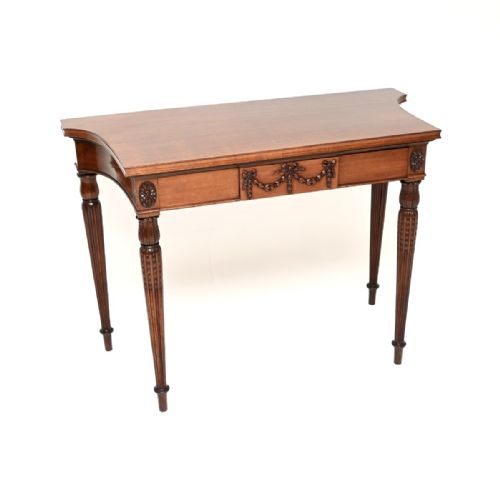
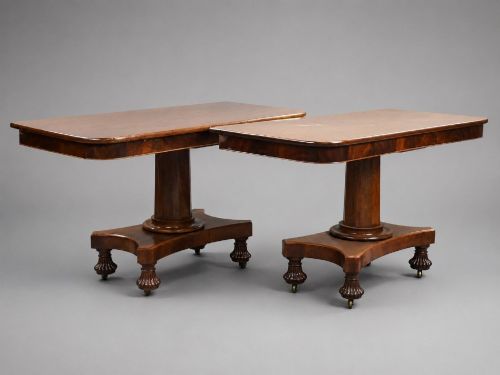
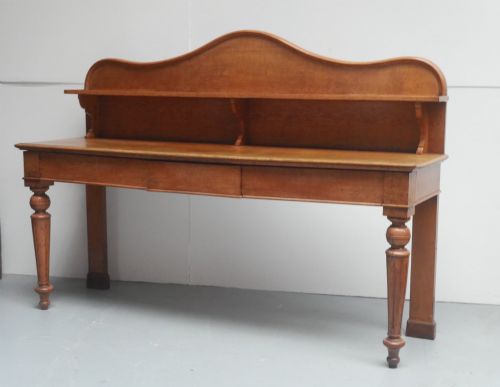
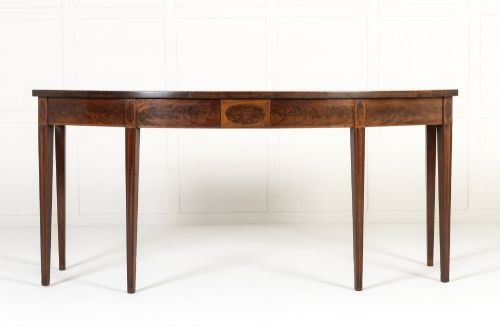
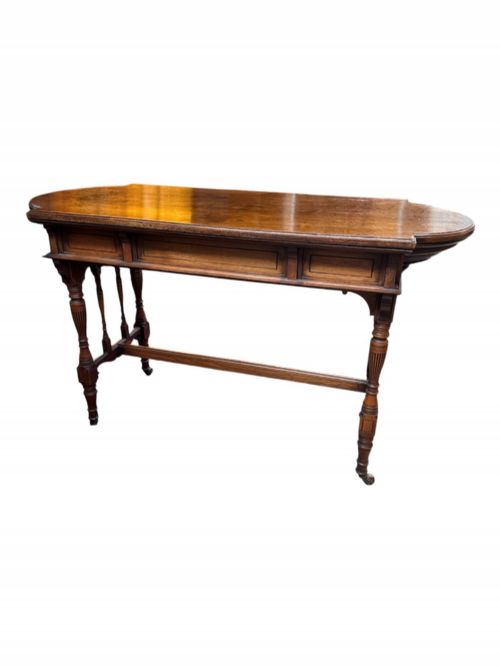
A carved wooden hallway table serves as a functional entrance piece, spanning forms such as console tables, side tables, serving tables, and benches. These items range from compact Edwardian oak designs to substantial 18th century examples.
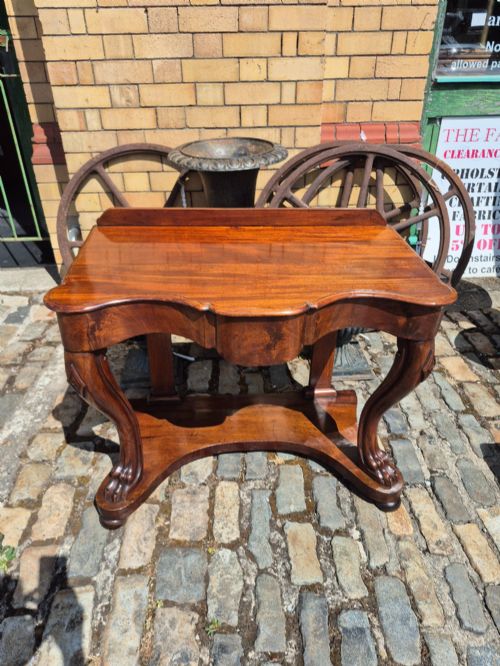
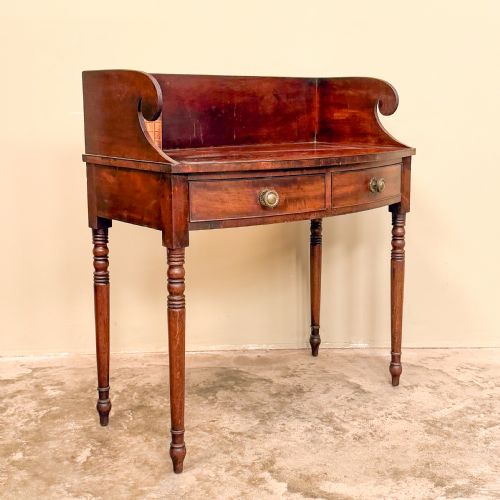
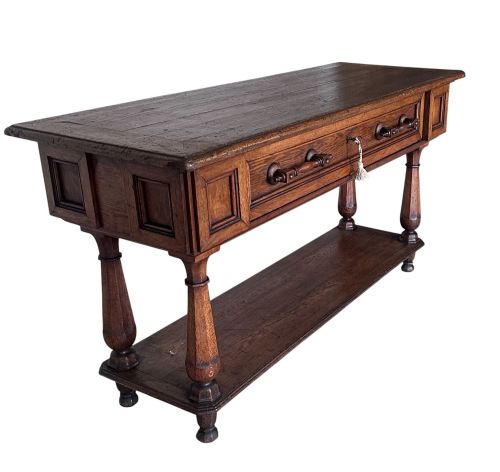
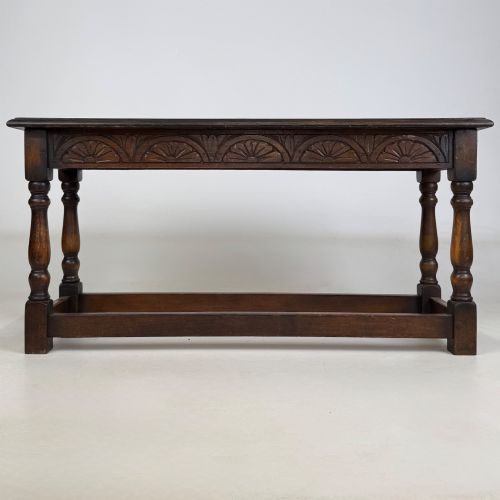
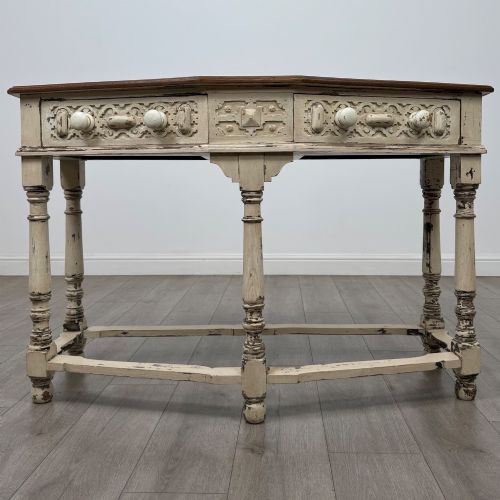
The selection includes specific regional styles and proportions, from narrow Adam style consoles to French and Spanish oak pieces. Buyers encounter various historical interpretations, including Jacobean Revival and Victorian Gothic adaptations.
Originating across different centuries, these tables integrate utility with decorative carving, functioning equally well as sideboards, hall seats, or display surfaces in a corridor.
Materials and construction methods
Makers utilised solid timbers such as oak, mahogany, walnut, elm, satinwood, and hardwood, frequently incorporating brass hardware or wood inlay for decorative contrast. Construction relied on traditional joinery suited to the specific weight and density of each timber.
Surface ornamentation involved hand carving, reflecting periods from the 17th century through to Edwardian production. Finishing techniques highlighted the natural grain of the wood, whether through polishing dark oak or working with lighter satinwood.
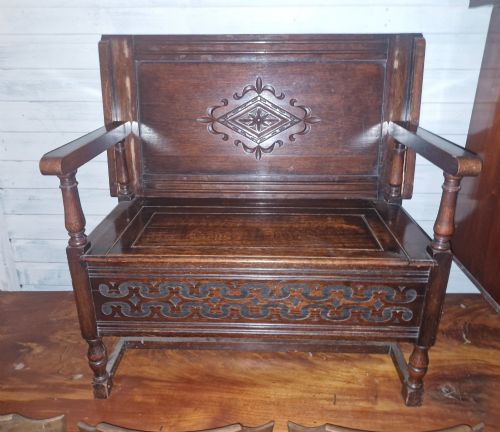
Some hall benches double as tables via a folding top, solving the ancient household debate of whether to sit or write.
Assessing quality and craftsmanship
Quality rests in the crispness of the hand carving and the selection of timber, where burr walnut or figured mahogany denotes a higher tier of production. The integrity of the structure and the balance of proportions distinguish standard utility items from exceptional regional or cabinet-maker pieces.
Refinement in secondary details, such as integrated drawers, tidy wood inlay, and well-executed stylistic revivals, separates ordinary examples from superior period items.
M. D. Miller & Sons
The Carved Wooden Hallway Table Glossary
- Console table
- A table designed to be fixed against a wall or supported by front legs, frequently used in entrance halls and reception rooms. These pieces often feature decorative carving along the apron and legs.
- Server
- A side table or serving table utilised for holding food or display items in dining and hallway spaces. They appear in mahogany and oak across various 19th century and Edwardian designs.
- Monks bench
- A multifunctional hall seat that converts into a table by folding the backrest over the arms. They are typically constructed from dark oak in the early 20th century.
- Wood inlay
- The technique of inserting pieces of contrasting timber or materials into a recessed wooden surface to form decorative patterns. This detail appears on satinwood and mahogany pieces.
- Serpentine
- A furniture shape characterised by a wavy, undulating front edge that curves outward and inward. This profile requires skilled carpentry and appears on fine Victorian console tables.
Carved Wooden Hallway Table: Frequently Asked Questions
What is a carved wooden hallway table used for?
These tables provide a practical surface in an entrance for post, keys, and decorative lamps. Many incorporate drawers or lower shelves for additional storage.
Larger variations function as serving tables or narrow sideboards, while convertible bench designs offer seating alongside surface space.
How do I identify the period of a hall table?
Dating relies on timber choice, carving style, and structural construction methods. 17th and 18th century examples typically feature heavy oak construction with hand-cut joinery.
Later Victorian and Edwardian pieces often display machine assistance alongside revival motifs like Jacobean or Gothic detailing.
Are these tables suitable for narrow hallways?
Many console and side tables are specifically built with shallow depths to fit narrow corridors without obstructing movement. Adam style and Georgian proportions often offer slender profiles.
Measuring the available clearance between the wall and walking path ensures proper placement.
What woods were commonly used for hall furniture?
Oak and mahogany are the most frequent materials found in these listings, utilised across various centuries for their durability. Walnut, elm, satinwood, and mixed hardwoods also appear.
Inlay and brass details frequently accompany these primary timbers.