




Antique Spanish Hall Table
An antique spanish hall table brings architectural presence into an entrance, offering heavy timber construction and centuries of regional character.
Antique Spanish Hall Table
An antique spanish hall table encompasses robust side tables, consoles, and centre tables originating from domestic and provincial settings. Pieces span from the 17th century through to the early 20th century, capturing vernacular traditions and baroque revivals.
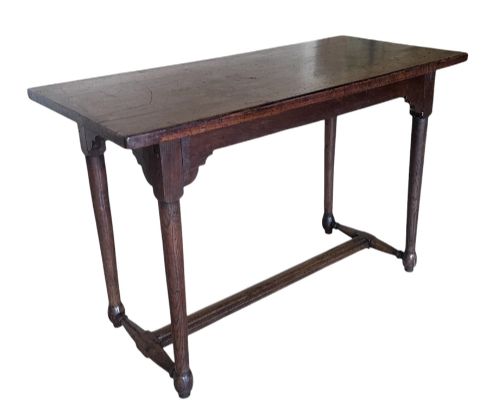
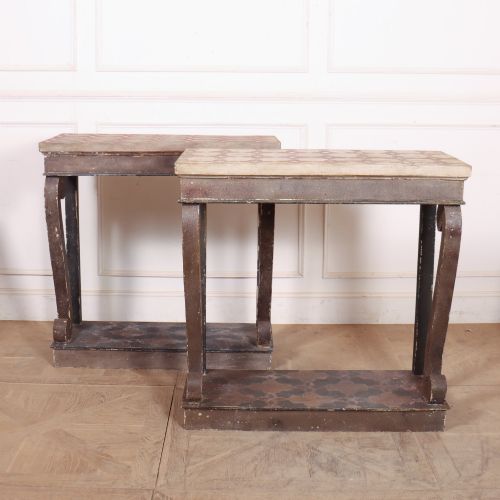
The version most commonly met on this page is the walnut or oak side table, often retaining a long rectangular top intended for narrow corridors. Console forms and painted variants also appear, alongside benches representing broader regional seating.
Origins stretch across Spanish workshops, incorporating styles from Spanish Baroque to provincial and colonial interpretations. These tables served functional roles in historic interiors, evolving from utilitarian surfaces into decorative focal points.
How They Were Made
Construction relies heavily on dense native timbers such as oak, walnut, and chestnut, selected for structural endurance. Secondary woods like fruitwood appear in specific regional examples, complemented by painted wood and ebonised finishes.
One listed bench specifically accommodated Catalan shepherds resting beside their flocks.
What Varies In Quality
Quality rests in the integrity of the timber and the depth of surface patination accumulated over centuries. Tables retaining original finishes and uncompromised structural mass demonstrate superior craftsmanship compared to heavily restored examples.
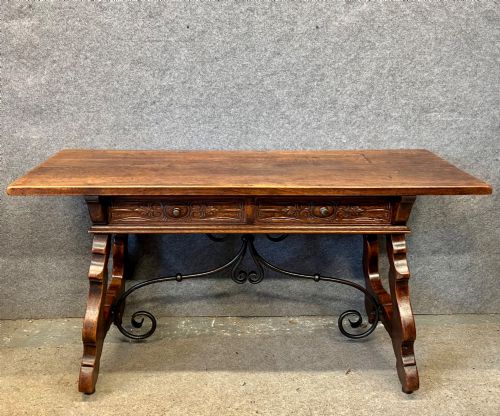
The refinement of regional carving and the sophistication of ironwork stretchers elevate certain pieces above standard vernacular items. Proportion and the careful balance between utilitarian function and decorative restraint distinguish exceptional pieces from simpler country furniture.
Whytock and Reid
The Antique Spanish Hall Table Glossary
- Console table
- A table designed to be fixed against a wall, often supported by brackets or legs at the front. These forms became popular for narrow spaces such as hallways and corridors.
- Centre table
- A freestanding table finished on all sides, intended to stand away from the walls in the middle of a room. Such pieces often feature detailed timber work visible from every angle.
- Patina
- The surface sheen and coloration developed through age, handling, and wax polishing over many years. Good patination provides a tactile warmth unique to antique wood.
- Wrought iron
- Iron beaten into shape by hand while hot, commonly utilised for structural stretchers and hardware on Iberian furniture. This material offers both rigidity and decorative contrast to timber.
- Fruitwood
- Dense timber gathered from fruit-bearing trees, used by cabinetmakers for smaller elements or contrasting details. It provides a tight grain and smooth texture.
Antique Spanish Hall Table: Frequently Asked Questions
How do I style an antique spanish hall table?
Position the table against a clear wall in an entrance or corridor to let its timber grain and silhouette stand out. Keep items placed on top minimal to allow the historic surface to remain the focal point.
Pair the piece with neutral walls to highlight regional ironwork or carved details. A simple mirror or ceramic bowl placed above complements the traditional proportions without cluttering the space.
Were these tables used in hallways originally?
Historic Iberian domestic interiors utilised sturdy tables in various reception and living spaces rather than dedicated entrance halls. Many functional designs served as side tables or servers before finding a place in modern hallways.
Their narrow proportions make them adaptable for contemporary entryways where floor space is limited. The substantial construction ensures they handle daily placement of keys and post with ease.
How do I distinguish seventeenth century pieces?
Seventeenth century examples typically display solid walnut or oak construction with thick timber tops and minimal decorative carving. Joinery methods lean towards pegged frames and simple, robust structural lines.
Surface wear on these early examples shows deep patination developed through generations of use. Later revivals often replicate these forms but lack the specific wear patterns and tool marks of the period.
What is the difference between oak and walnut?
Oak provides a coarser, more open grain with strong figure lines, favoured in earlier rustic and vernacular pieces. Walnut offers a smoother texture and richer, darker tones suited to more refined baroque commissions.
Both timbers provide exceptional durability, though walnut often takes finer detail in carved elements. The choice of wood frequently reflects the regional traditions of the workshop.