



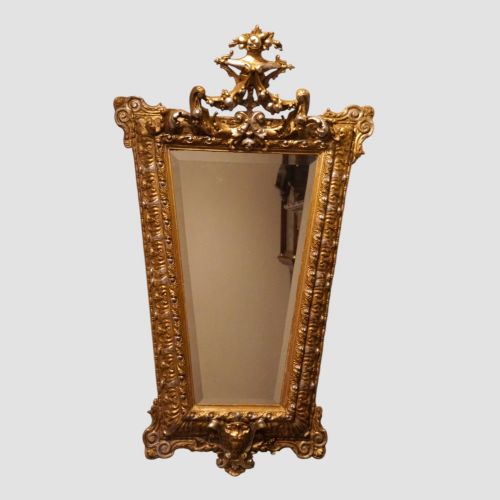
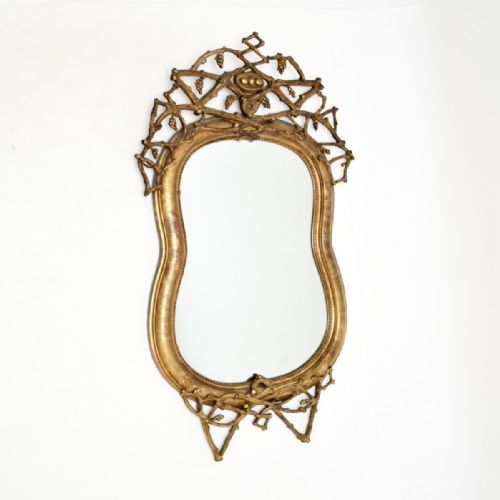
Carved Wooden Gilt Mirror
A carved wooden gilt mirror brings warmth and reflective depth to a room through centuries-old craftsmanship.
Carved Wooden Gilt Mirror
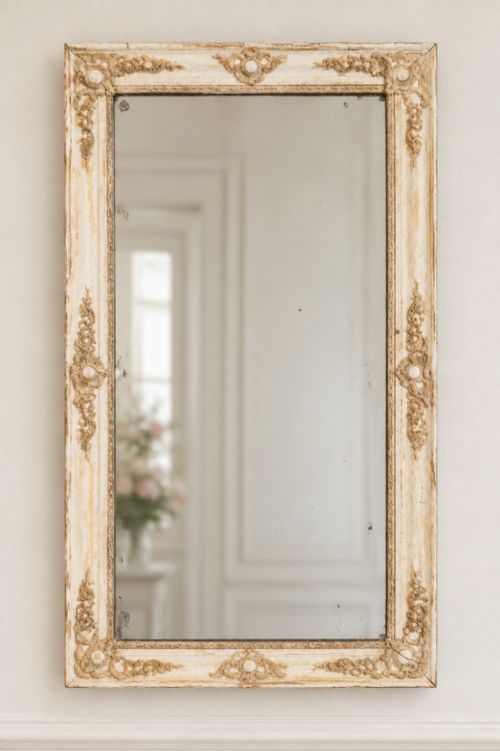
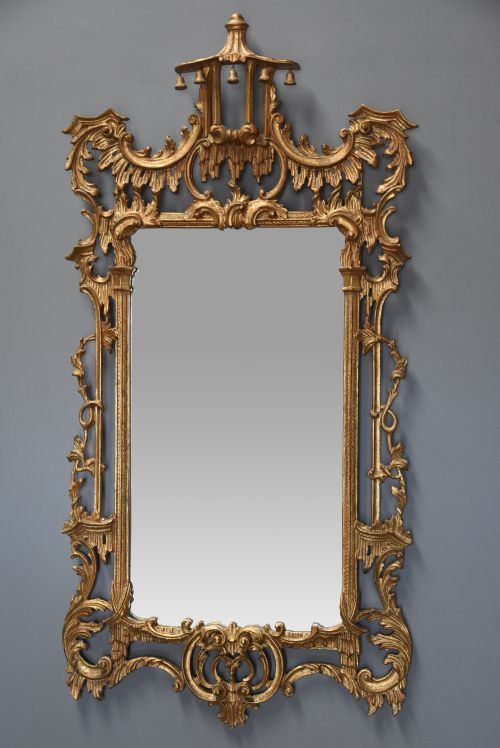
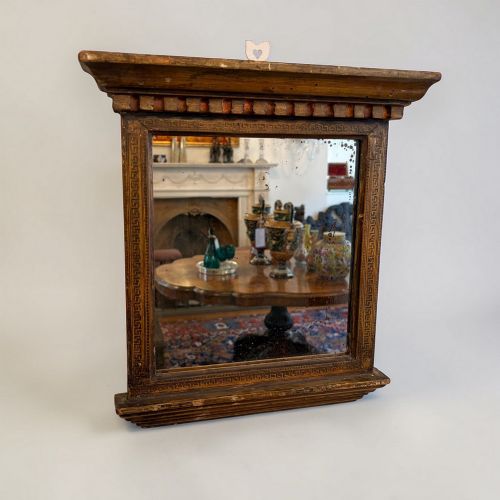
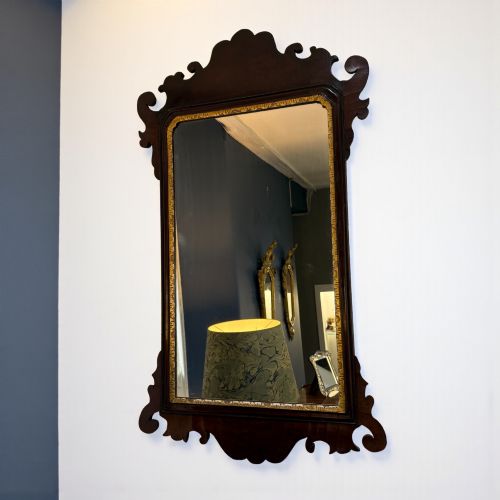
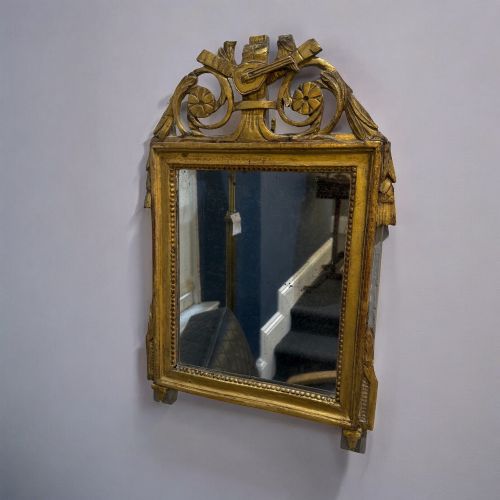
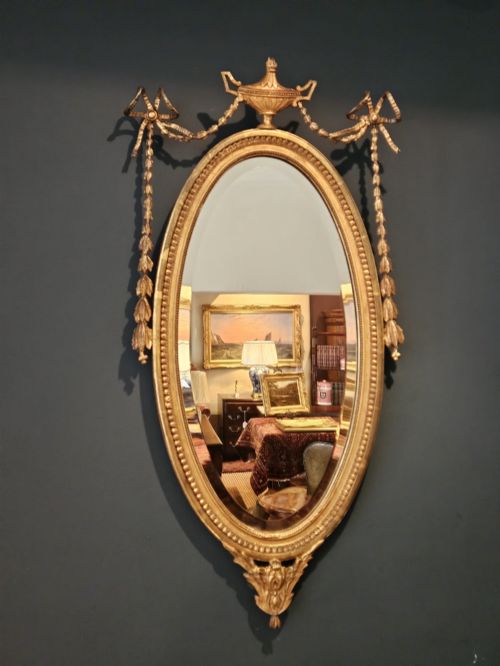
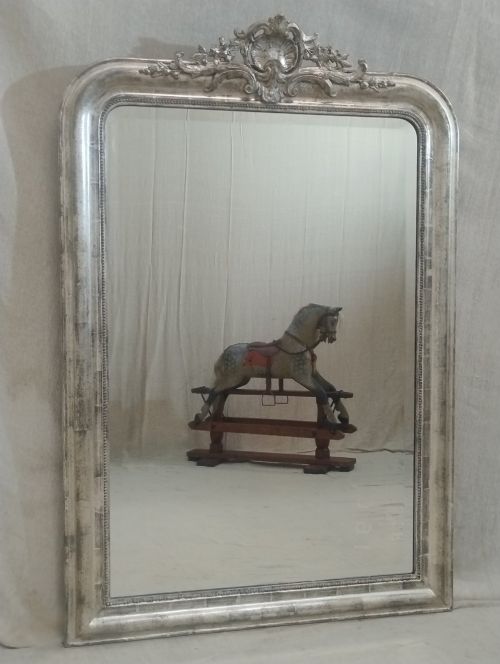
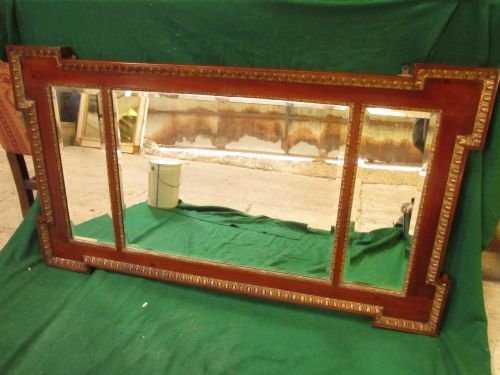
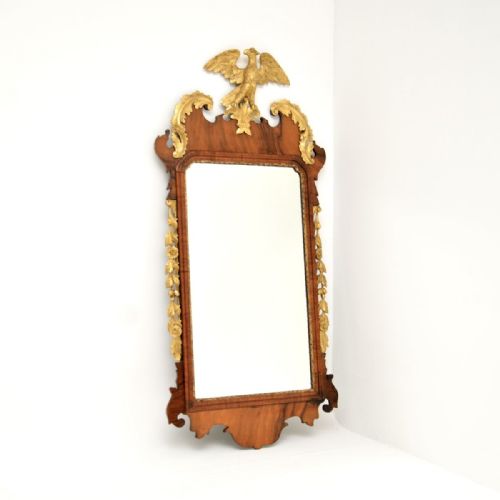
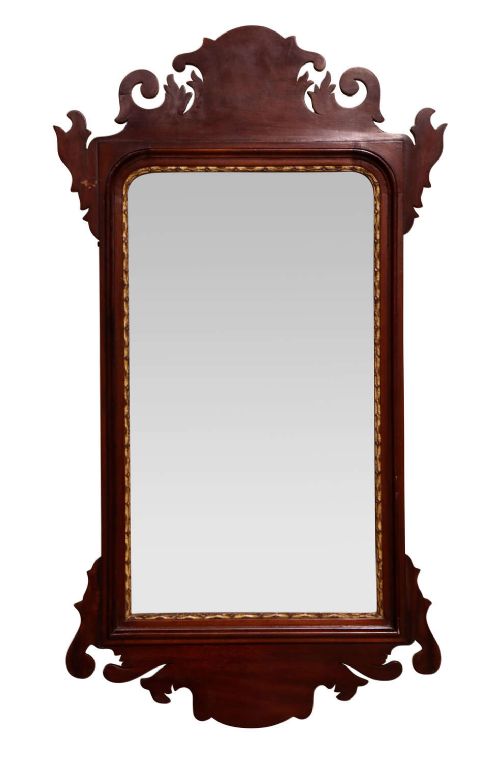
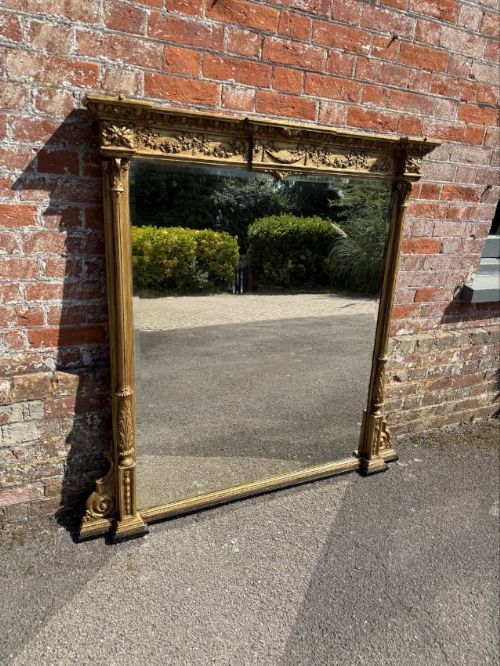
A carved wooden gilt mirror stands as a primary focal point within traditional interiors, drawing the eye through ornate framing and reflective glass. When seeking a carved wooden gilt mirror, buyers encounter numerous formats ranging from compact wall pieces to grand architectural overmantels.
The pieces recorded on this page span several centuries, with nineteenth-century examples and eighteenth-century origins appearing frequently alongside revival styles. Wall mirrors, overmantel mirrors, and picture frames dominate the forms, constructed from timber bases finished in gold leaf or paint.
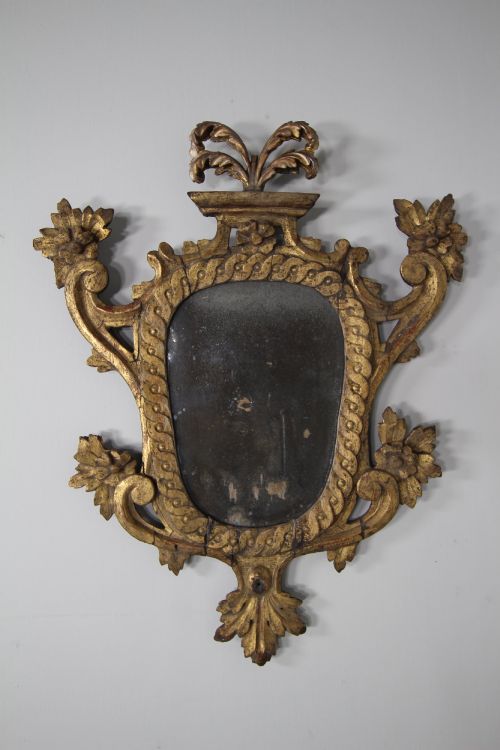
Regional variations include Italian rococo designs and French chateau influences alongside English georgian fretwork pieces. The surviving stock demonstrates diverse applications, from compact easel table mirrors to large triptych overmantels framed by columns.
Materials and Construction
Makers shaped structural carcasses from hardwoods like mahogany, walnut, and oak, applying surface layers of gesso to carve fine decorative details. Gold leaf or paint was then laid over the prepared gesso and wood substrate to achieve a luminous metallic finish.
Carvers utilised intricate fretwork saws for scrolling silhouette patterns, while joiners assembled heavy overmantel frames to withstand wall mounting. Original glass plates, sometimes triple-plated or engraved, were secured behind wooden rabbets using traditional backing methods.
Carved Wooden Gilt Mirror Retail Price Guide 2026
Typical asking prices for carved wooden gilt mirror among the pieces listed under this phrase on Sellingantiques today, from the lower quarter to the upper quarter. They describe what is for sale here now, not the wider market.
Listings feature eighteenth and nineteenth-century periods, utilising mahogany, walnut, gesso, and gold leaf across wall mirrors and overmantels.
Assessing Quality and Execution
Depth and precision of hand carving separate standard commercial frames from superior examples, particularly where floral motifs, scrolls, or heraldic birds appear. Crisp lines in the gesso layer beneath the gold leaf indicate skilled workshop execution rather than hasty production.
The preservation of original gilding and early glass plates distinguishes better surviving pieces, as does the structural integrity of joined wooden frames. Subtle proportions and balanced symmetry reveal the hand of a confident maker working in established historical styles.
The Carved Wooden Gilt Mirror Glossary
- Gesso
- A plaster-like mixture applied to wooden frames as a smooth base for subsequent gilding. This material allows carvers to achieve sharp relief details.
- Giltwood
- Timber that has been coated with gold leaf or metallic powder. It provides the characteristic warm glow seen on antique frames.
- Fretwork
- Openwork ornamentation cut into thin boards using a fine scroll saw. Eighteenth-century makers utilised this technique extensively for mirror borders.
- Overmantel
- A large mirror designed specifically to hang above a fireplace mantelpiece. These pieces often feature landscape orientations or architectural column framing.
- Parcel Gilt
- A finishing method where only specific carved portions of a wooden object are highlighted in gold leaf. The remaining areas display natural polished wood grain.
- Trumeau
- A decorative wall mirror incorporating a painted panel or artwork above the glass plate. Originating in France, these pieces served both architectural and ornamental functions.
Carved Wooden Gilt Mirror: Frequently Asked Questions
What is an overmantel mirror?
An overmantel mirror is a large horizontal glass framed to sit directly above a fireplace opening. These fixtures were proportioned to fill the architectural space between the mantel shelf and the cornice.
Many examples incorporate columns, gilding, or cresting motifs such as birds or urns to anchor them visually. They served to reflect light from hearth fires and illuminate darker period rooms.
Are original glass plates important?
Original glass plates retain the slight distortions, bubbles, and silvering patination characteristic of antique manufacturing processes. Their presence confirms the historical integrity of the piece.
Replacement glass often appears too flat and clear by comparison. Collectors generally value mirrors that preserve their original reflective surfaces despite minor foxing.
How should I clean gilded frames?
Dusting gilded wooden frames requires a soft dry brush to prevent abrasion to the delicate gold leaf layer. Moisture and chemical cleaning agents can strip historical finishes from the gesso.
Careful maintenance preserves the fragile metallic surface without disturbing underlying layers. Professional restoration is recommended for significant flaking or structural instability.