


Carved Wooden Flower Stand
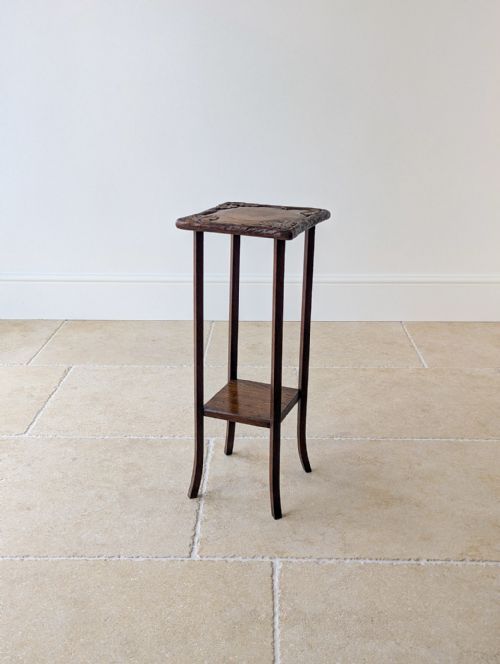
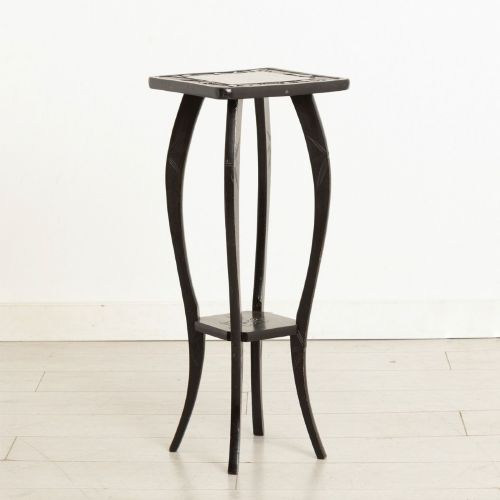
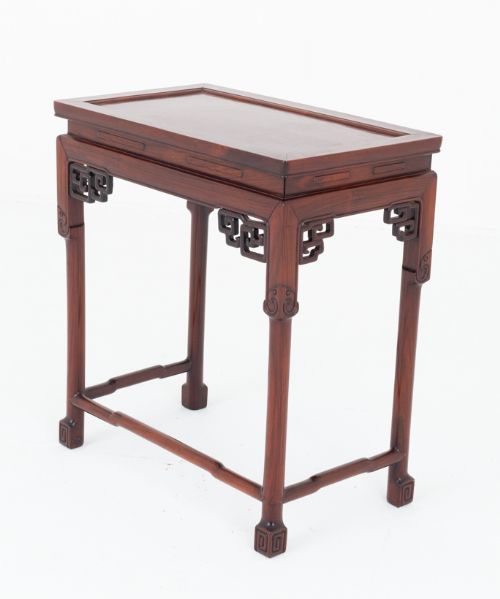
A carved wooden flower stand brings organic craftsmanship into a room, offering a sturdy yet graceful platform for botanical displays.
Understanding carved wooden flower stands
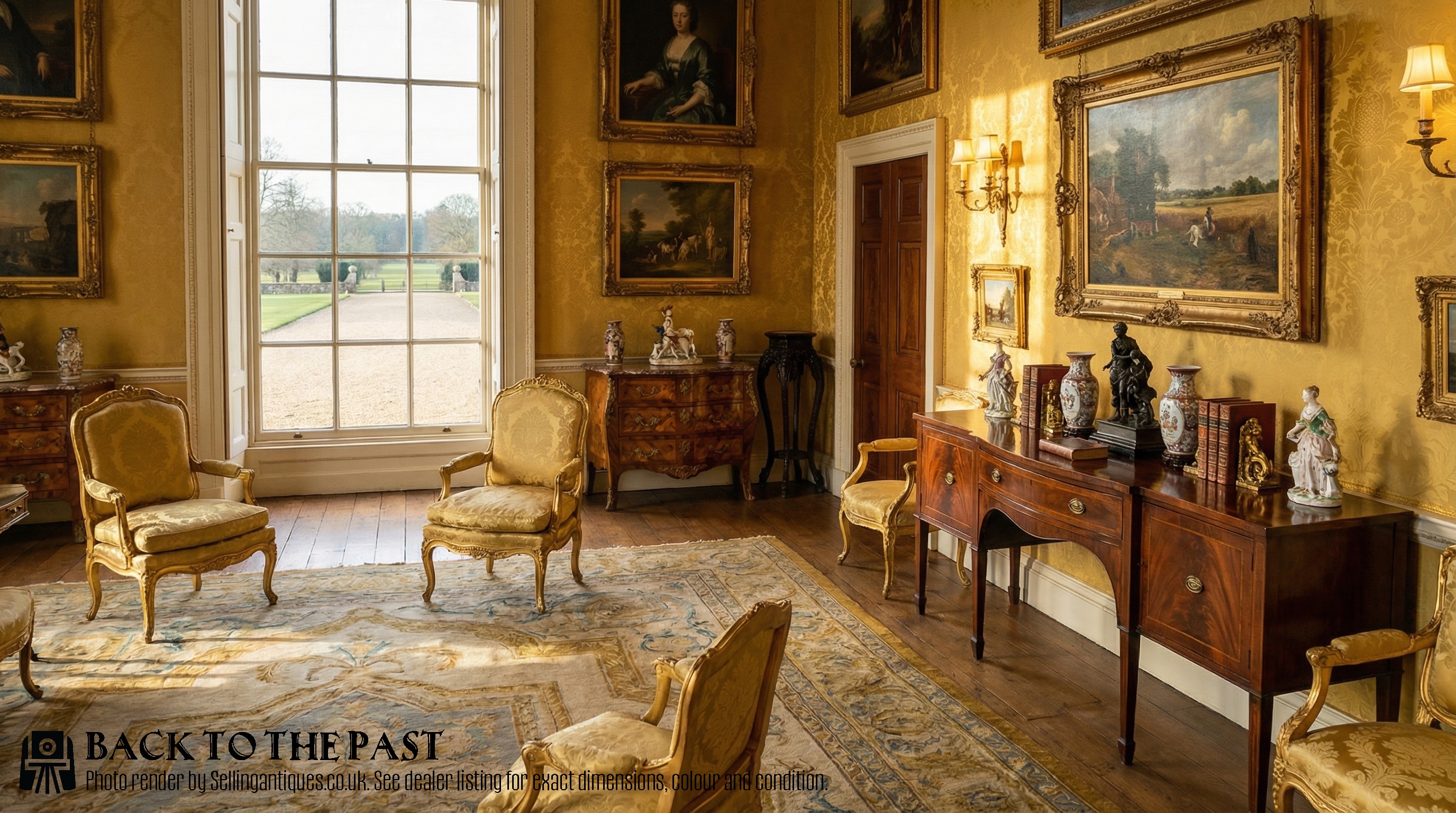
A carved wooden flower stand acts as a functional display piece for plants, urns, and vases within domestic interiors. These furnishings draw upon various global traditions, adapting to hold heavy jardinières or delicate decorative items.
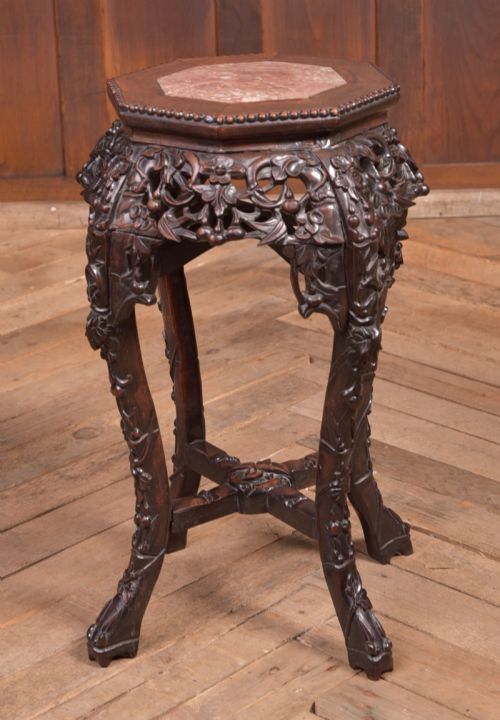
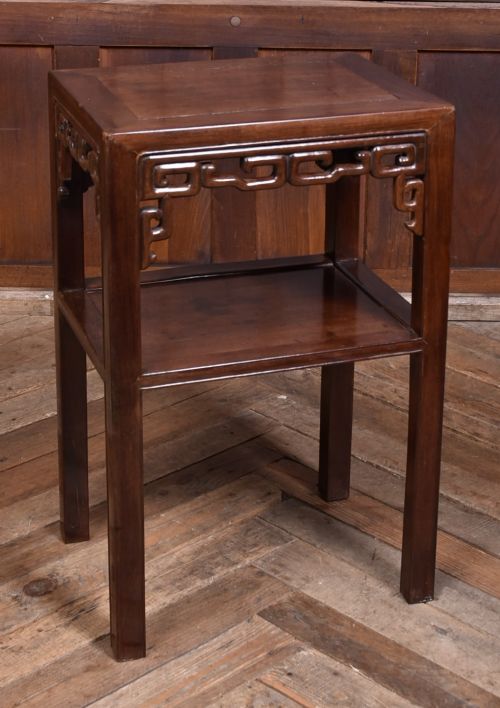
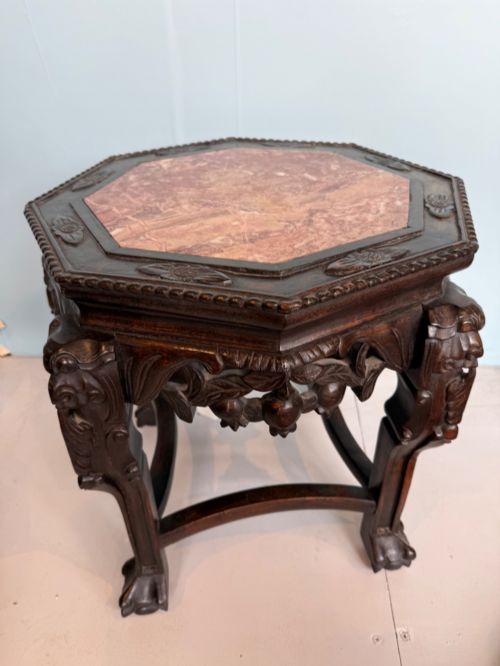
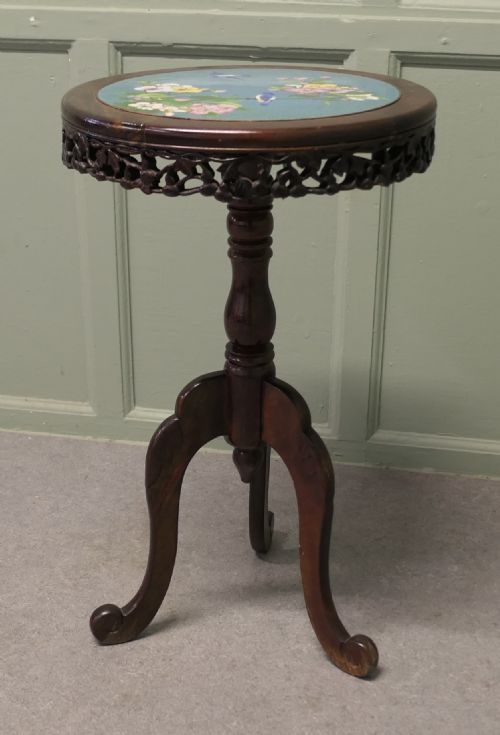
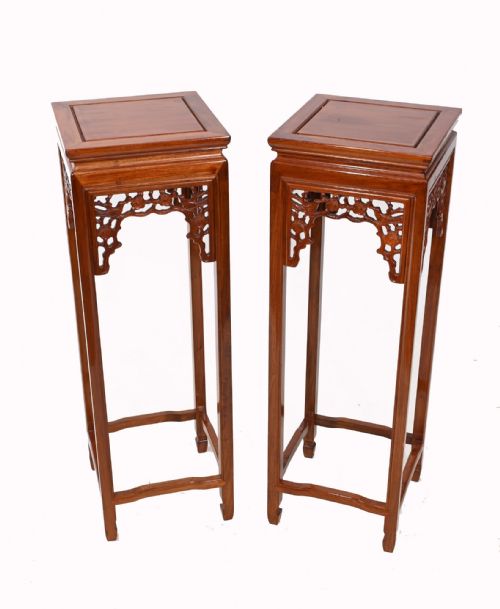
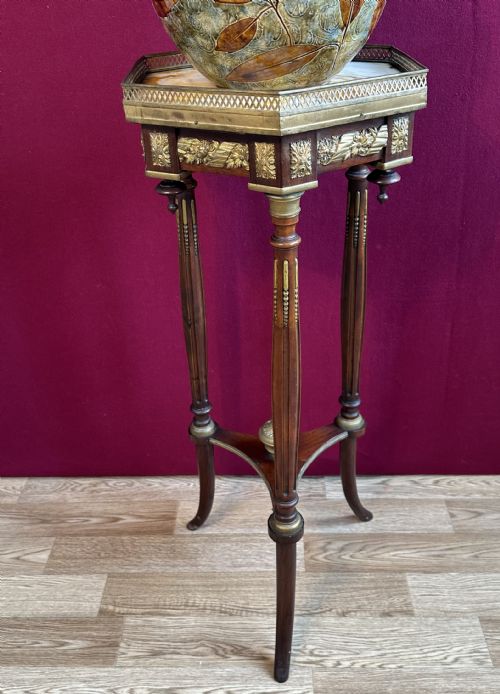
The most common iterations on this page originate from the nineteenth century and encompass Chinese export and Qing Dynasty forms alongside Indian and French occasional tables. Buyers encounter forms such as two-tier pedestals, vase tables, and marble-topped side tables that double as plant supports.
Construction and materials
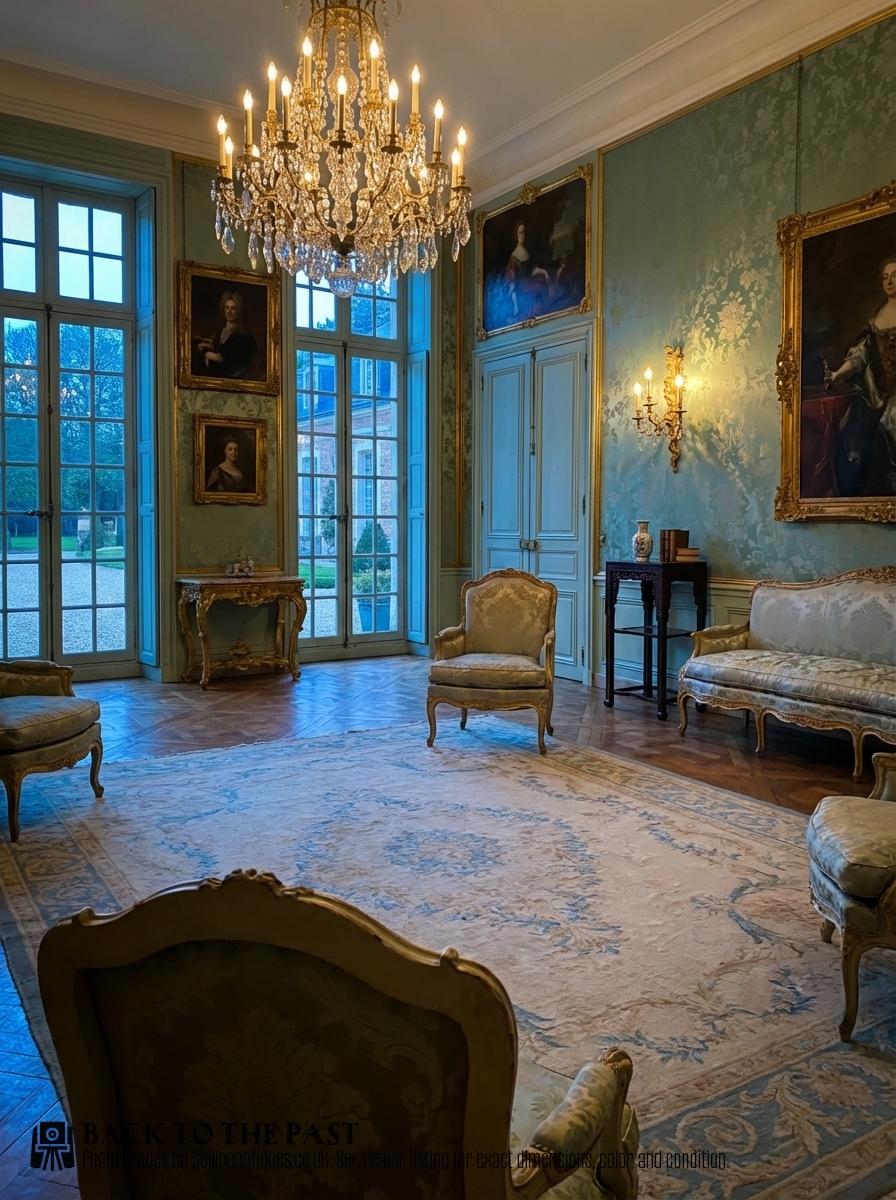
Maker workshops utilised dense timbers including hongmu, mahogany, teak, and general hardwoods capable of supporting heavy loads without warping. Artisans carved intricate decorative motifs directly into the wooden frames of these stands.
Certain examples incorporate inset marble tops, while others feature brass or ormolu accents that complement the carved wooden structures.
Retail Price Guide 2026
Typical UK retail prices for carved wooden flower stand, calculated from the Sellingantiques database of over a million retail prices indexed since 2003. This retail price guide relies exclusively on Sellingantiques data; no external sources or auction records are used, so the figures do not describe the wider market.
Distinguishing quality in stands
Superior quality rests in the depth and precision of the carved details on the hardwood surface, distinguishing master workshops from standard production. The choice of dense timber, such as hongmu or fine mahogany, dictates the structural integrity and weight of the pedestal.
The integration of inset marble panels and secondary materials like ormolu elevates certain pieces above simpler turned or carved wooden tables.
The Carved Wooden Flower Stand Glossary
- Hongmu
- A dense tropical hardwood frequently utilised in traditional Chinese furniture making. It exhibits a rich dark colour and exceptional durability.
- Jardiniere
- An ornamental stand or container specifically designed to hold plants and flowers. These vessels often sit atop dedicated pedestals.
- Ormolu
- Gilded bronze or brass applied as a decorative mount or accent on furniture. It adds a metallic contrast to the surrounding wooden frame.
- Torchere
- A tall ornamental stand originally intended to support a torch or candle, later adapted as a pedestal for vases and plants.
Frequently Asked Questions
What is a carved wooden flower stand?
A carved wooden flower stand is a specialised piece of furniture designed to elevate plants, vases, and urns above floor level. These items combine structural support with decorative carving to showcase botanical displays.
Such stands appear in various nineteenth-century regional styles, including Chinese Qing Dynasty pedestals and French occasional tables.
How were nineteenth century flower stands used?
Nineteenth century households utilised these stands primarily in parlours and drawing rooms to display potted plants, jardinières, and decorative vases. They protected delicate flooring while positioning greenery at optimal viewing heights.
Certain multi-tiered examples also served as side tables for holding small decorative objects alongside floral arrangements.
What materials make up these stands?
These furnishings rely on sturdy timbers such as hongmu, teak, mahogany, and general hardwoods to provide a stable foundation. Artisans frequently carved intricate relief patterns directly into these dense woods.
Some variations incorporate inset marble tops, brass mounts, or ormolu details to enhance their visual appeal.
How do you identify a Qing Dynasty stand?
Qing Dynasty stands often feature traditional Chinese carving motifs executed in dense hardwoods like hongmu. They frequently take the form of two-tier pedestals or vase tables intended for export.
These pieces date to the nineteenth century, reflecting the craftsmanship of workshops operating during that era.