


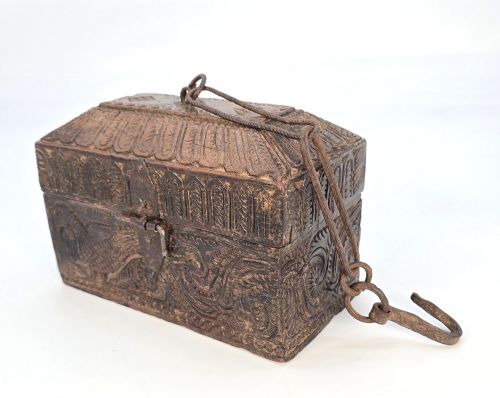


Carved Wooden Caddy Box
When you handle a carved wooden caddy box, you hold a piece designed to secure precious dry leaves or spices in past centuries.
Carved Wooden Caddy Box
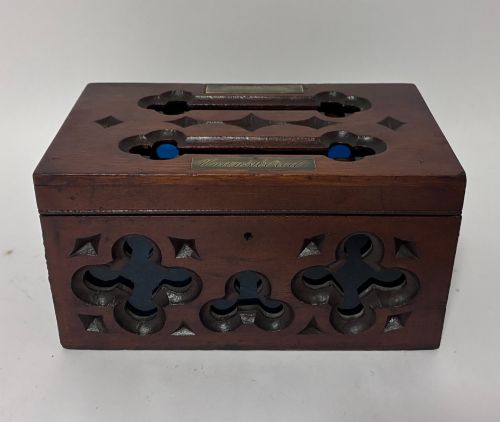
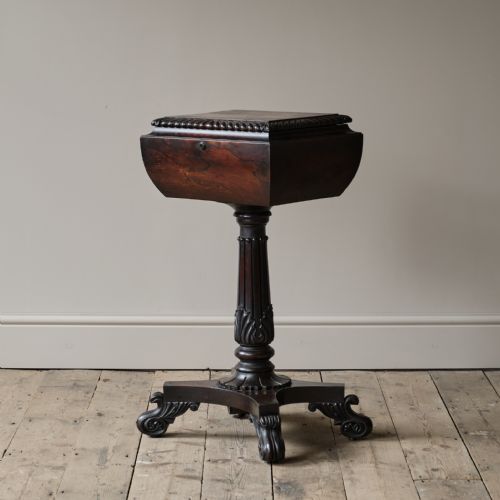
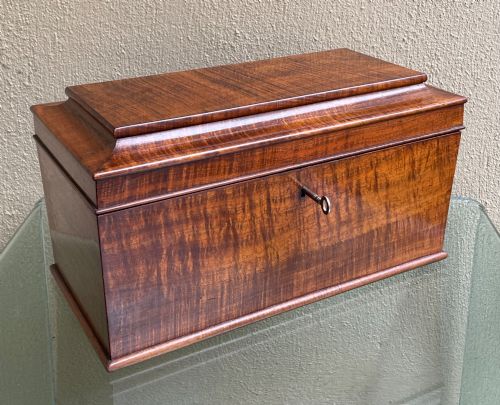
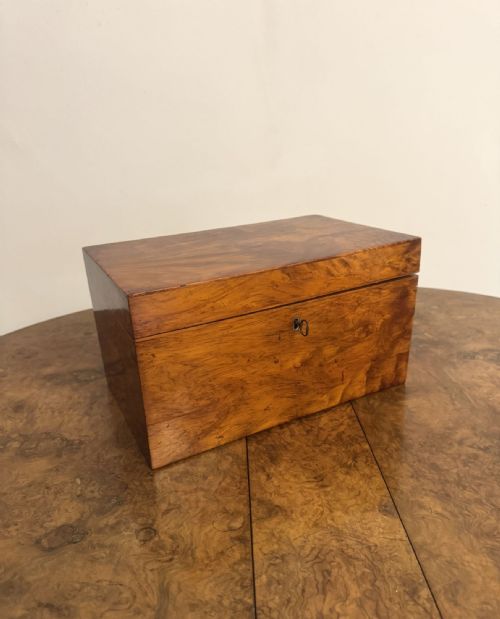
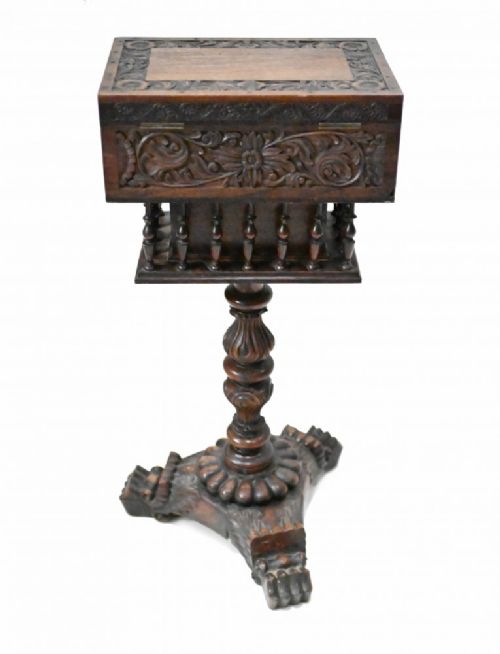
A carved wooden caddy box encompasses small lidded vessels and larger standing teapoys originating primarily from the Georgian, Regency, and Victorian periods. These containers range from table tea caddies and spice boxes to fitted work boxes and sarcophagus-shaped cellarettes.
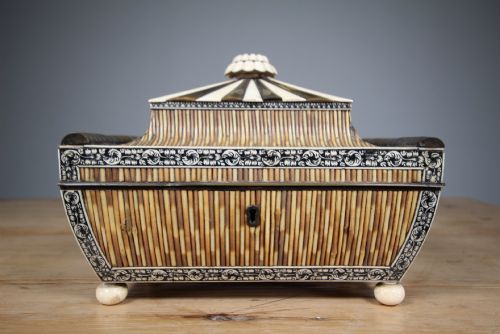
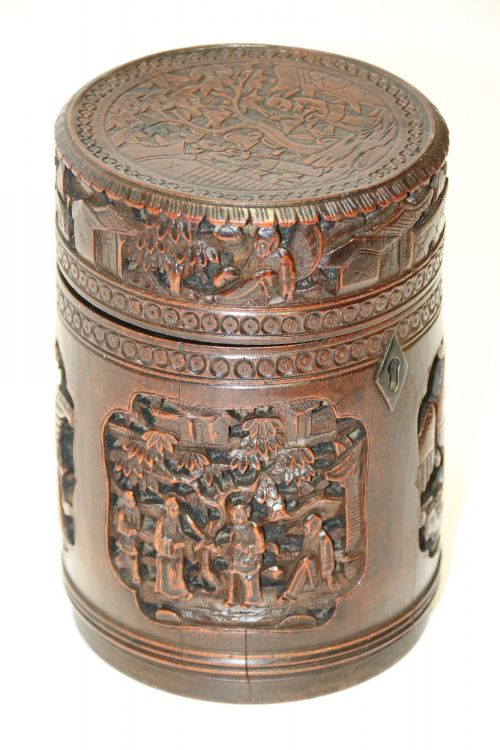
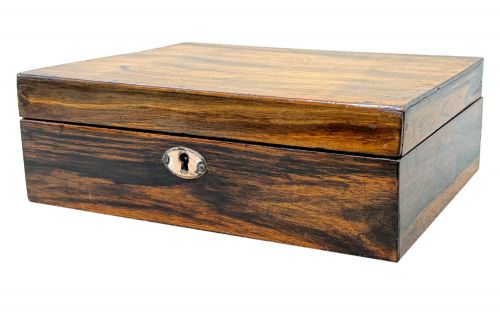
You will frequently encounter mahogany, rosewood, and walnut examples adorned with intricate carving, brass mounts, and bone details. The forms vary from miniature sideboards to bamboo canisters and rectangular boxes with hinged lids.
Materials and construction
Structural joinery relied on precise dovetailing for the primary box frames, while decorative elements involved careful hand-carving and veneer application. Regional variations include Chinese bamboo work and Anglo-Indian colonial padouk construction.
The inventory records functional variants including correspondence boxes, work boxes, stationery boxes, cigar boxes, and wine cellarettes alongside tea caddies.
Assessing quality in execution
Quality rests in the crispness of the hand-carved ornament and the selection of figured timber veneers such as burr walnut or rosewood. Superior examples retain their original interior fittings, working locks with keys, and tight joints that withstand seasonal humidity changes.
The distinction between ordinary and exceptional pieces appears in the finesse of brass mounts, internal bone escutcheons, and whether secondary woods inside match the exterior standard of craftsmanship.
Gillows·Freemans of Norwich·Tahan of Paris
The Carved Wooden Caddy Box Glossary
- Teapoy
- A pedestal table fitted with a box top for holding tea, or the lidded box itself designed to sit upon a table. They often include internal compartments for different tea varieties.
- Sarcophagus
- A box shape featuring convex sloping sides reminiscent of ancient stone tombs, popular for Regency and Victorian cellarettes and tea caddies. This profile gives a substantial, architectural presence.
- Padouk
- A heavy tropical hardwood with a reddish hue utilised in Anglo-Indian and Georgian furniture. It takes fine detail well in carved applications.
- Cellarette
- A large cabinet or box used to hold bottles and decanters, frequently sharing the sarcophagus form with tea caddies. They often rest upon paw feet or floor stands.
Carved Wooden Caddy Box: Frequently Asked Questions
What were tea caddies used for?
Tea was a costly commodity in the eighteenth and nineteenth centuries, requiring secure storage to prevent theft and loss of aroma. These boxes kept black and green teas locked away, often featuring internal lidded canisters for different leaves.
Servants or the master of the house managed the tea service, using the central mixing bowl to blend varieties before brewing. Smaller compartments inside served the same protective purpose for spices or sugar.
How do I date a wooden box?
Dating relies on timber choices, construction methods, and decorative styles aligned with historical periods like Regency or Victorian. Earlier eighteenth-century pieces often display simpler architectural lines, while nineteenth-century boxes introduce elaborate carving and exotic veneers.
Examining internal secondary woods, hinges, and lock mechanisms also provides clues to the era of manufacture. Makers' stamps, where present, offer definitive chronological markers.
Can I use a tea caddy today?
These boxes adapt well to modern domestic use as jewellery holders, desk tidies, or receptacles for small keepsakes. Their velvet-lined or compartmentalised interiors protect delicate items effectively.
Placing them away from direct sunlight and extreme temperature shifts preserves the polished wood surfaces and internal linings. Maintenance requires only occasional waxing rather than heavy chemical cleaning.
What is the difference between a teapoy and a caddy?
A tea caddy is a portable box meant to sit on a tabletop or sideboard during tea preparation. A teapoy typically refers to a box mounted upon its own central pillar and tripod base, or a standing table.
While both served the same function of storing tea, teapoys functioned as independent pieces of furniture in a drawing room. Caddies remained smaller accessories that could be lifted and transported easily.