
Antique Collectable Boxes
These antique collectable boxes range from small pocket vinaigrettes to walnut tea caddies, offering functional design and historic craftsmanship.
Antique Collectable Boxes
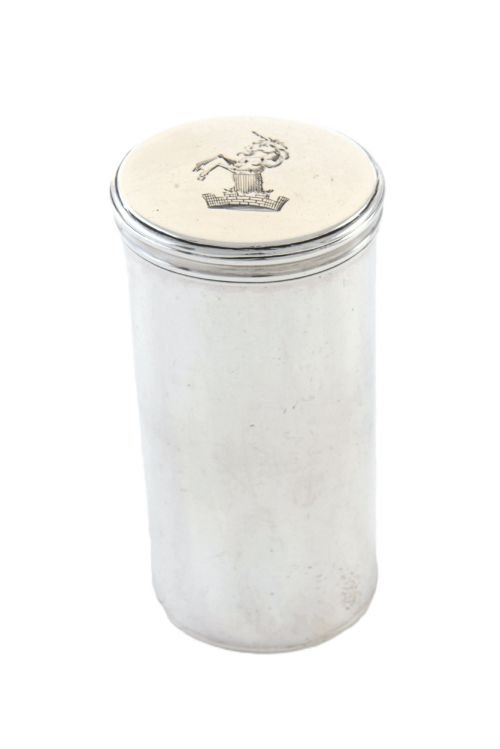
When you examine antique collectable boxes, you encounter an array of small personal containers intended for snuff, matches, stamps or trinkets. These pieces span the Georgian, Victorian and Edwardian periods, reflecting the domestic habits of past centuries through specialised forms like vesta cases and vinaigrettes.
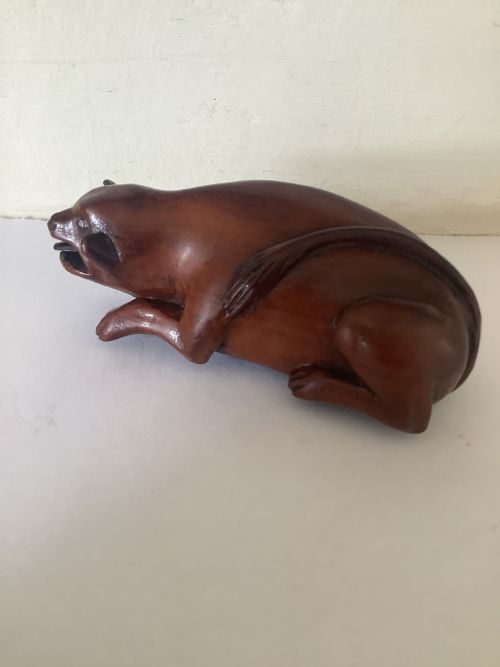
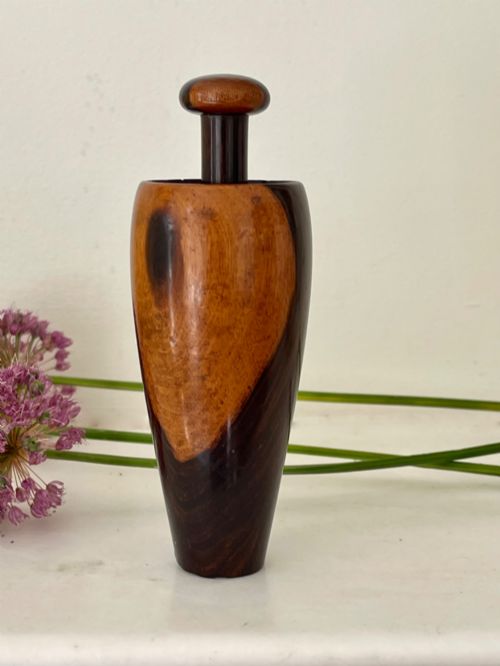
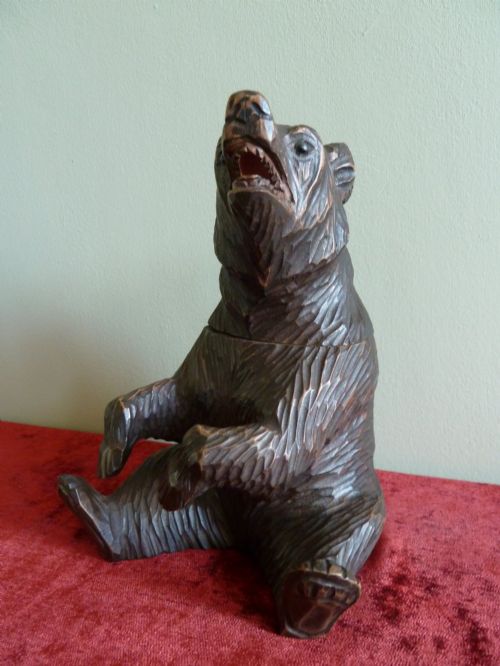
The most common examples on this page are pocket-sized silver and treen snuff boxes, alongside carved wooden figures and travel containers from the nineteenth century. Makers fashioned these objects for daily utility, employing materials suited to constant handling and pocket storage.
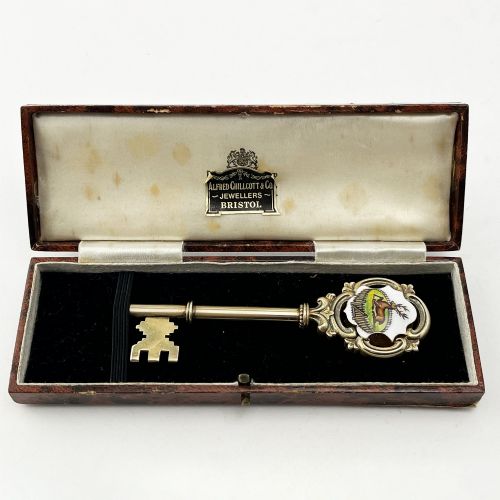
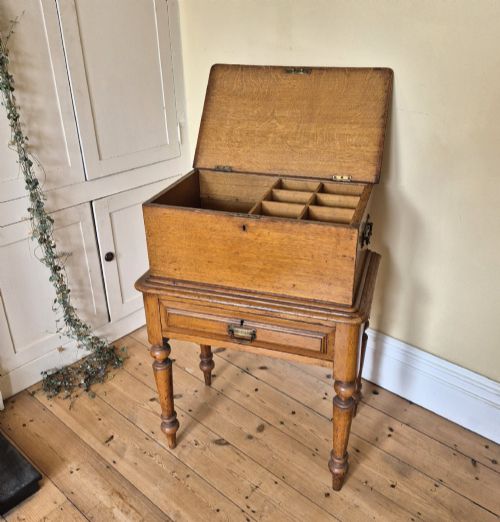
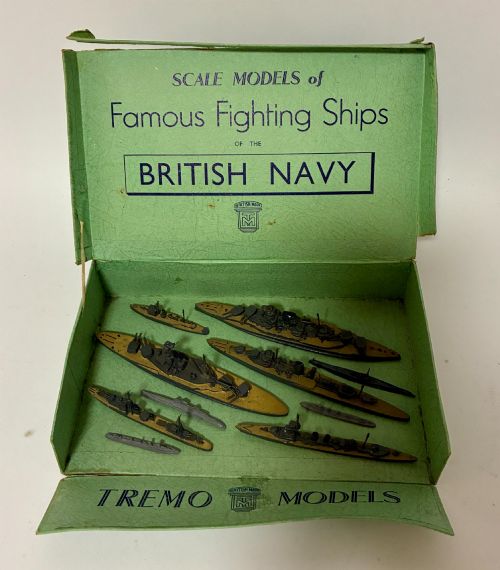
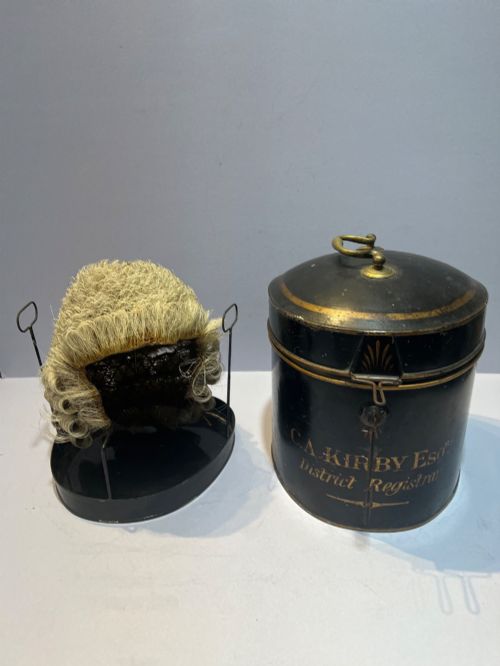
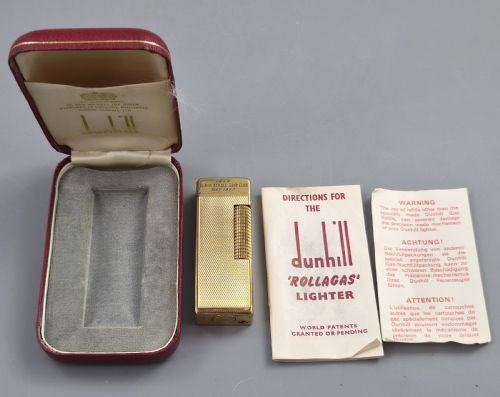
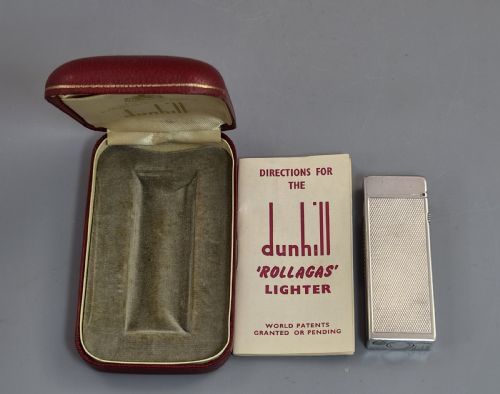
Beyond standard personal containers, the selection includes larger utilitarian objects housed in their original enclosures, such as boxed scientific instruments, legal wig tins and scale models. Each piece demonstrates the specific purpose for which workshops designed it, maintaining integrity through surviving clasps, hinges and fitted interiors.
Materials and construction methods
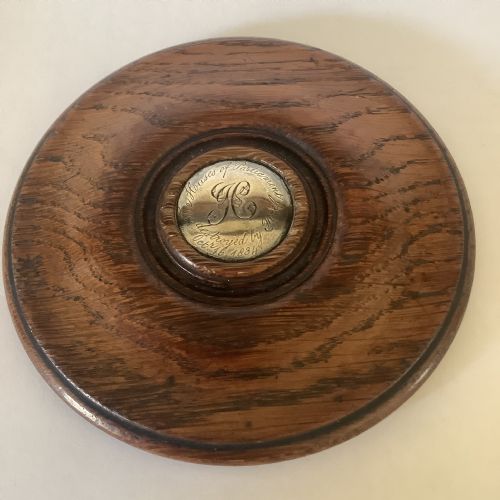
Makers relied heavily on sterling silver, various hardwoods and tortoiseshell, shaping them with techniques such as engine turning, hand carving and silver gilding. Woodworkers turned dense timbers like laburnum and boxwood on lathes to produce crisp geometric patterns on small lids and bases.
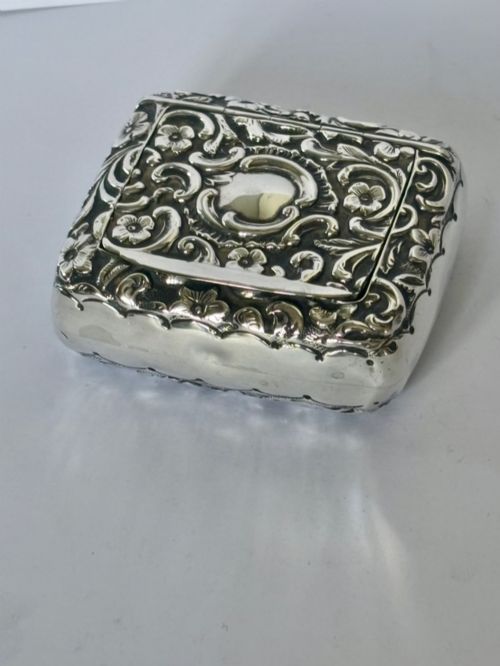
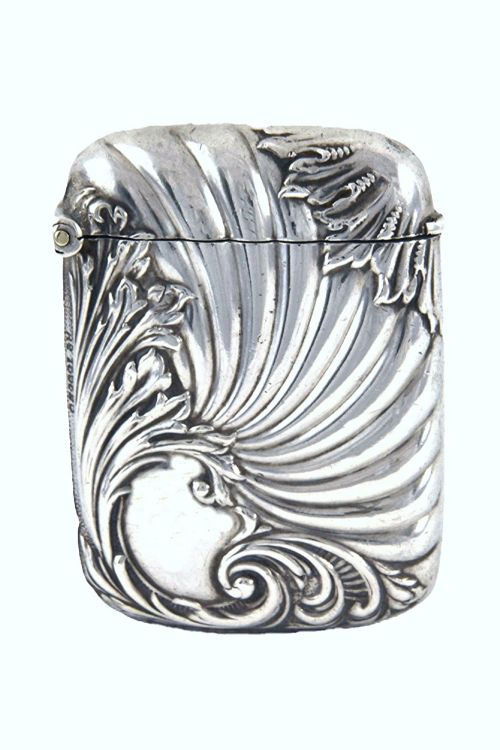
Silver containers required precision smithing, often incorporating intricate pierced grills inside vinaigrettes or embossed floral motifs across curved vesta cases. Artisans applied enamel, paper and paint to decorate surfaces, securing delicate inlays like Tunbridge ware mosaic tiles directly into the wooden carcasses.
Judging the standard of execution
Quality in these small containers rests on the crispness of the carving, the snugness of the lid closure and the preservation of original internal linings. Finer examples display sharp, unrubbed hallmarks on silver components and intricate detailing on figural carvings without replacement parts.
The degree of specialisation separates standard production items from superior works, particularly where micro-mosaics, engine-turned patterns or hand-painted tortoiseshell miniatures are involved. Superior pieces maintain their original hinges, catches and structural proportions without warping or excessive wear.
Henry Matthews·Edward Smith·John Bettridge·Elkington and Co·Negretti and Zambra
The Antique Collectable Boxes Glossary
- Vesta case
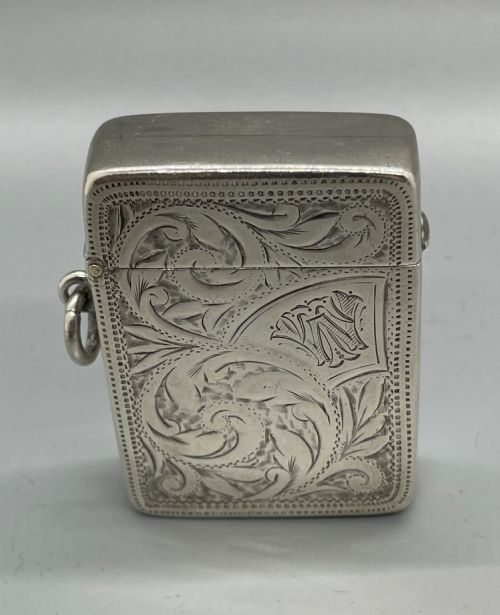
- A small pocket container designed to hold safety matches, typically fitted with a striking surface on the base. Victorian and Edwardian examples often feature engraved silver or figural metalwork.
- Vinaigrette
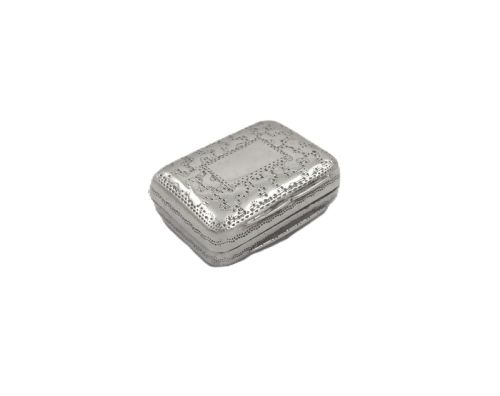
- A small ornamental box housing a perforated internal grill, historically soaked in aromatic vinegar or smelling salts. These silver and gilt pieces date predominantly to the Georgian and Victorian eras.
- Treen
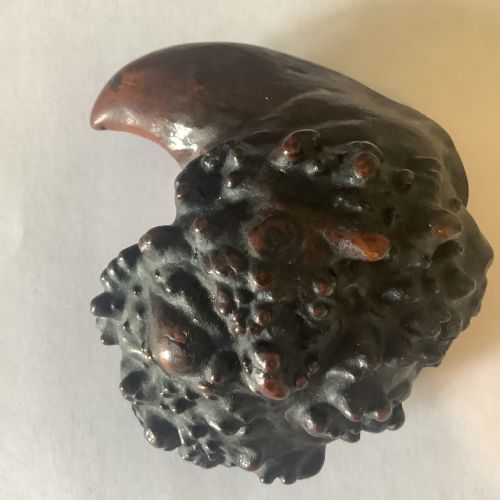
- Small handmade wooden objects produced from the 16th century onward, encompassing utilitarian items like snuff boxes, mortars and shoe-shaped whimsies. Collectors prize the smooth tactile patina developed through handling.
- Tunbridge ware
- A distinct form of woodworking characterised by intricate mosaic patterns assembled from thousands of tiny dyed wood blocks. Craftsmen applied these geometric veneers to the lids of small boxes and desk accessories.
- Engine turning
- A mechanical decoration technique used to engrave precise geometric patterns onto metal or wood surfaces. This method creates repetitive micro-textures across silver vesta cases and wooden snuff boxes.
Antique Collectable Boxes: Frequently Asked Questions
What were antique vinaigrettes used for?
These small silver containers held sponges soaked in aromatic vinegar or smelling salts to mask unpleasant odours in crowded public spaces. Owners carried them in pockets or suspended them from chatelaines for quick access.
The perforated internal grill allowed the scent to escape while keeping the damp sponge separate from the decorative exterior and clothing.
How do I date a silver vesta case?
British silver vesta cases feature hallmarks stamped directly onto the metal, usually showing a date letter, a town mark, a lion passant and a maker's mark. These stamps allow collectors to trace the exact year and assay office of manufacture.
Style also helps indicate the period, as Victorian pieces often display heavy floral embossing while Edwardian examples favour sleeker, engine-turned surfaces.
What is treen?
Treen refers to small, functional wooden items created by hand or on a lathe, ranging from domestic kitchenware to pocket snuff boxes. Makers selected dense hardwoods like boxwood, fruitwood and laburnum for durability.
Over decades of handling, these objects develop a characteristic warm sheen known as patina, which distinguishes older examples from modern reproductions.
How should I display small collectable boxes?
Small boxes and vesta cases suit enclosed glass cabinets or tabletop display trays where visitors can inspect them from multiple angles. Keeping them out of direct sunlight prevents fading on tortoiseshell, enamel and painted surfaces.
Handling the pieces occasionally helps maintain the tactile qualities of the wood and metal, provided hands are clean and free of oils.