

Carved Wooden Bed
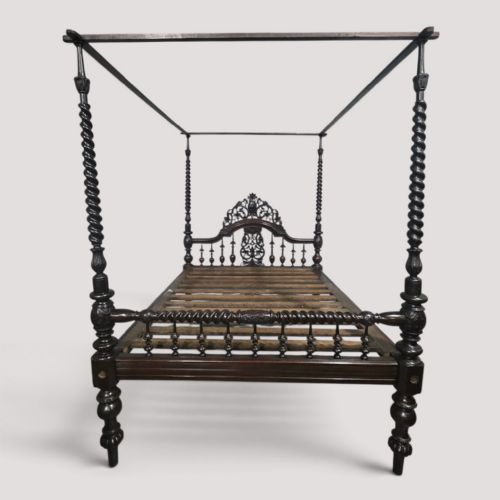
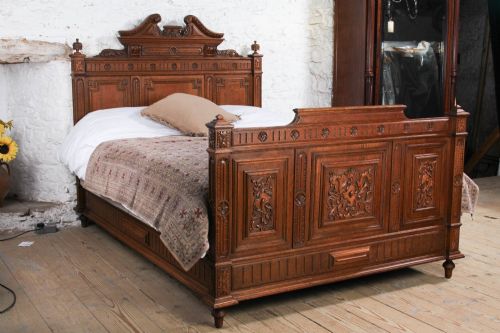
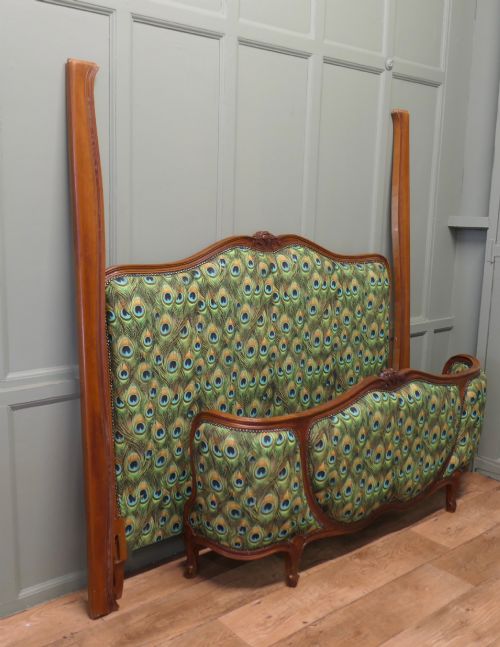
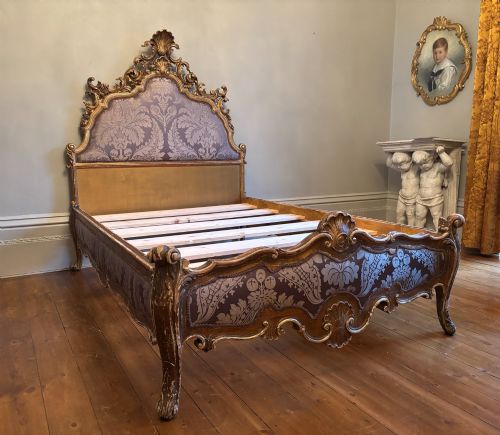
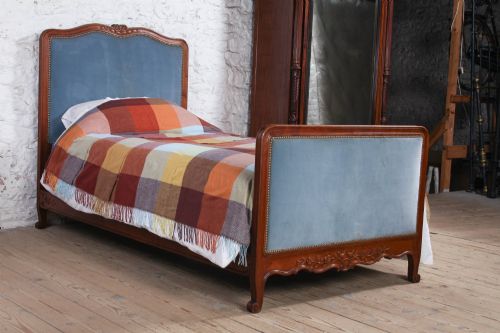
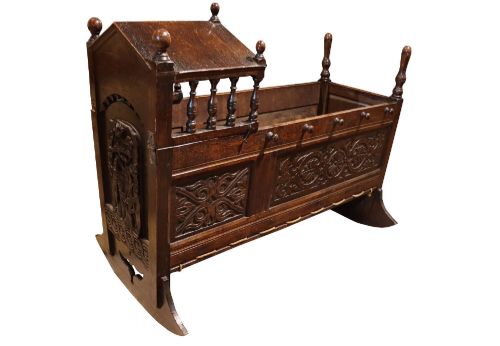
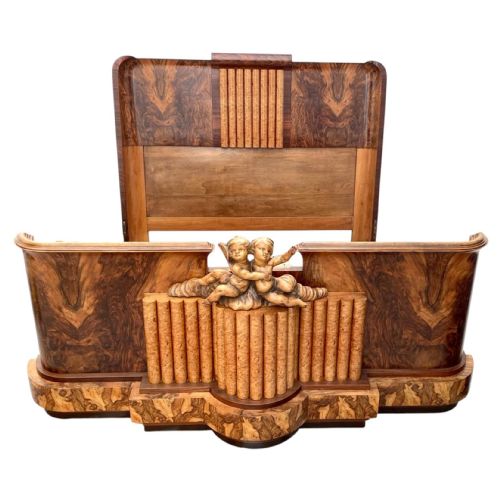
These pieces of a carved wooden bed bring centuries of hand-carved weight and timber presence into a bedroom.
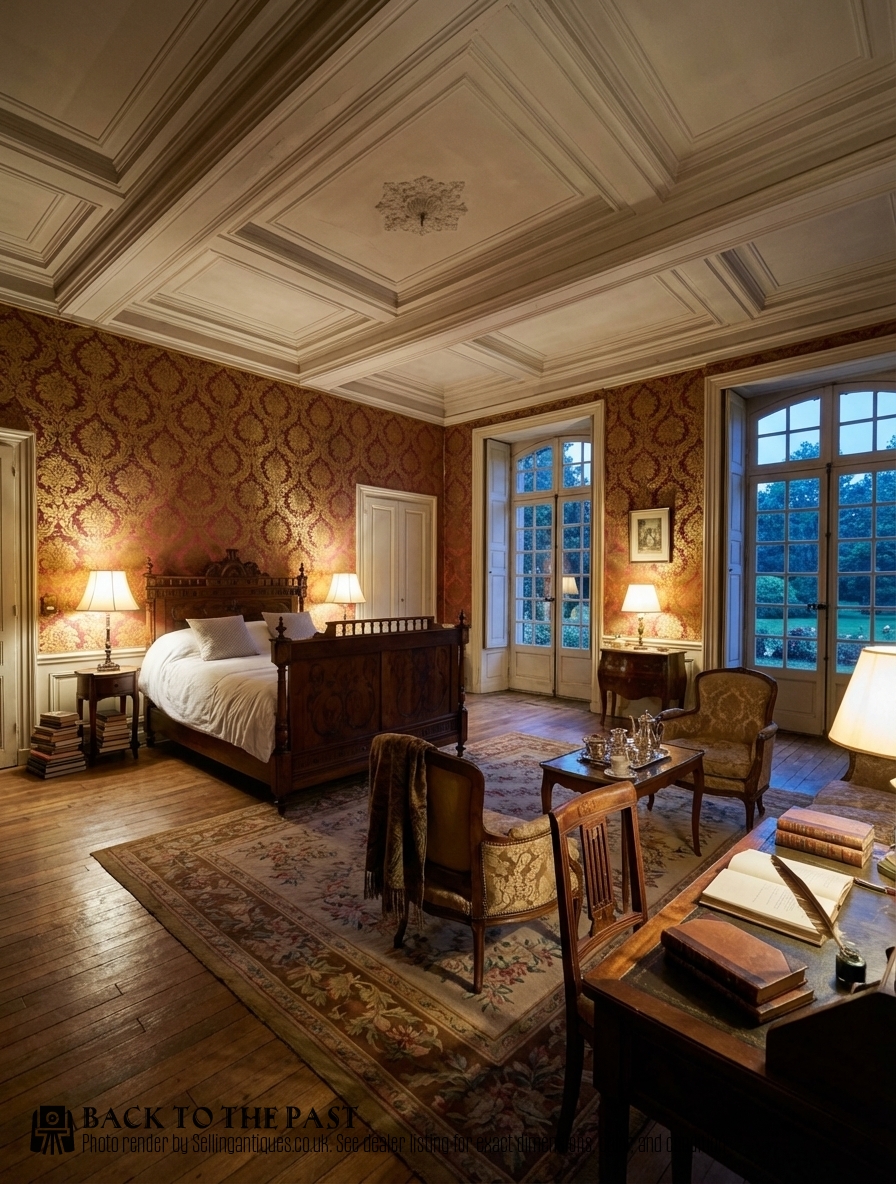
Carved Wooden Bed
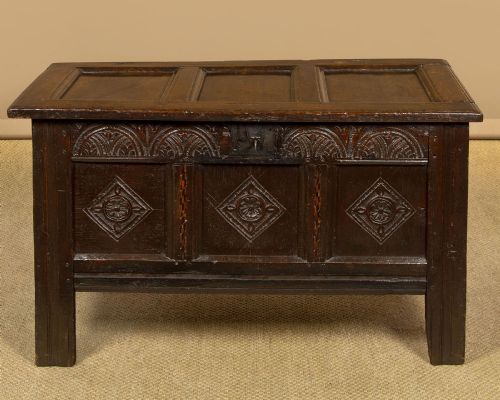
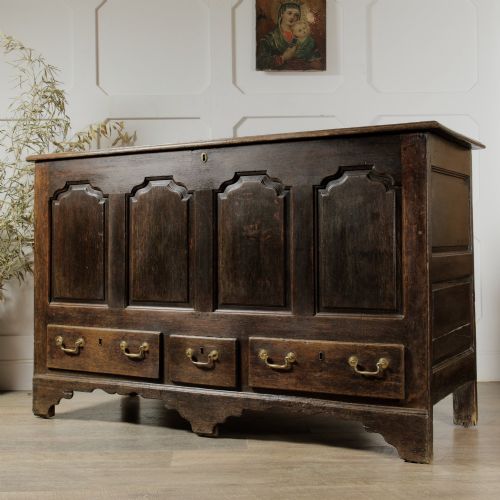
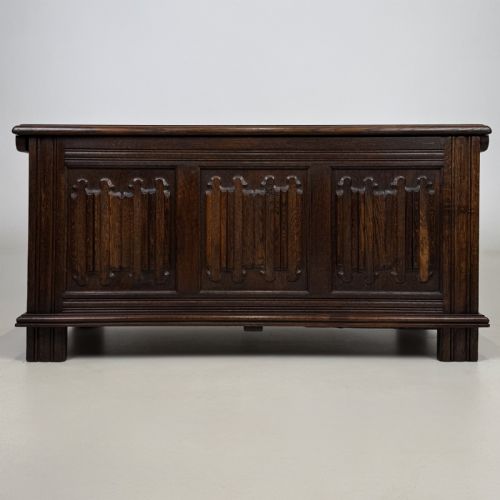
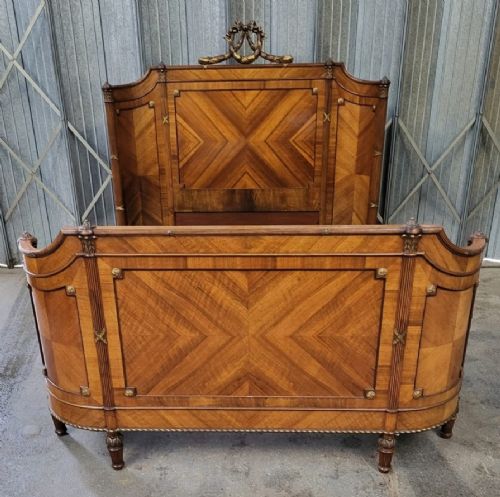
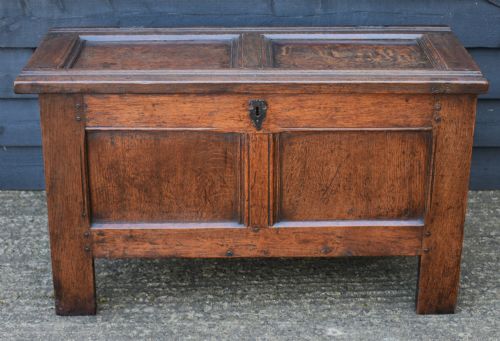
A carved wooden bed encompasses substantial four-poster structures, French painted bedsteads, and associated coffers or storage chests made from the seventeenth to the twentieth century. These items emerge from English, French, and Italian workshops, reflecting periods such as the Victorian era, the Edwardian years, and the seventeenth century.
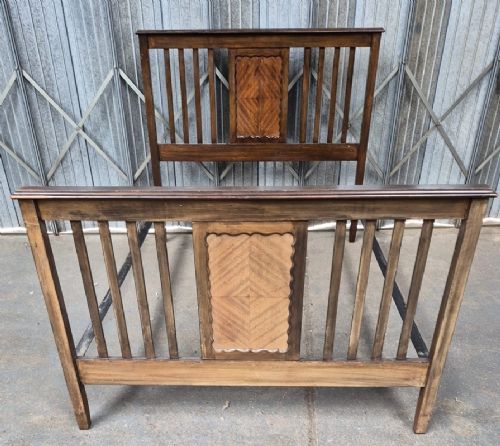
The version most likely to meet a buyer on this page is the solid oak or mahogany bedstead, often accompanied by French styles like the Louis XV or Louis XVI revival. Alongside full-sized frames, listings frequently include blanket boxes, mule chests, and daybeds sharing the same carved vocabulary.
The selection ranges from early seventeenth-century tester beds to twentieth-century fruitwood and walnut frames. Each piece relies on solid timber construction, displaying the enduring utility of traditional sleeping quarters and storage furniture.
Materials and Technique
Makers relied principally on native and imported timbers, utilising oak, walnut, mahogany, and fruitwood to build the main frames and panelled headboards. Secondary materials such as iron, brass, and fabric appear for structural reinforcement, upholstery, and decorative trimmings.
Carpenters and joiners shaped these woods through hand carving, panel framing, and turning, often incorporating applied mouldings or painted finishes. French models frequently display curved lines and applied gesso or paint, while English seventeenth-century pieces rely on deep relief carving into solid oak.
Carved Wooden Bed Retail Price Guide 2026
Typical asking prices for carved wooden bed among the pieces listed under this phrase on Sellingantiques today, from the lower quarter to the upper quarter. They describe what is for sale here now, not the wider market.
Rocking cradles from around 1800 sit alongside massive super-king canopies, proving that sleeping quarters have swung between extremes of scale.
Judging Quality
The standard of a carved wooden bed rests upon the crispness and depth of the hand carving rather than the mere presence of decoration. Pieces with sharp, well-defined chisel work on solid timber stand apart from softer or later mechanical tooling.
Integrity of construction defines the upper tier, where original joinery, timber stability, and matching grain determine the piece's authority. Surviving original finishes, unaltered proportions, and cohesive period styling command greater consideration among collectors.
Oliver Morel
The Carved Wooden Bed Glossary
- Coffer
- A heavy wooden storage chest with a hinged lid, frequently carved with panels and used for linens or valuables. These items share the joinery techniques and decorative motifs found on contemporaneous bed frames.
- Tester bed
- A bed featuring a wooden canopy or ceiling supported by vertical posts, typical of seventeenth-century English joinery. This form places heavy emphasis on structural timber and elaborate carving.
- Mule chest
- A traditional storage chest featuring one or more drawers at the base beneath a primary compartment. They are typically constructed from solid oak and date from the eighteenth century or earlier.
- Bedstead
- The framework of a bed, including headboards, footboards, and side rails, designed to support a mattress. This term distinguishes the wooden structure from modern integrated bed systems.
Carved Wooden Bed: Frequently Asked Questions
How do I fit a modern mattress to an antique bed?
Many older frames were built to dimensions that differ from standard modern mattress sizes, requiring custom or adapted bases.
Buyers often use bespoke mattress makers to match the exact interior dimensions of the wooden rails.
Are these beds delivered fully assembled?
Most antique wooden beds dismantle into headboards, footboards, and side rails for transport.
Specialist furniture couriers typically handle the delivery and assembly on site to protect the historic joinery.
How do I maintain the wood on an antique bed?
Routine care involves dusting with a dry lint-free cloth and occasionally applying a traditional beeswax to nourish the timber.
Avoid placing these pieces near direct heat sources or in fluctuating humidity to prevent wood splitting.
How do I identify the period of a carved bed?
Dating relies on examining the timber species, joinery methods, tool marks, and stylistic motifs such as linenfold or rococo curves.
Comparing the construction details against documented regional furniture helps verify the likely era of manufacture.